
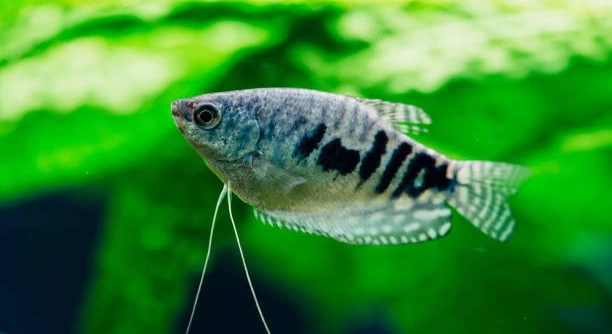
Are your gouramis looking stressed or behaving strangely in their tank, even though nothing seems out of place at first glance?
Poor water parameters can lead to various warning signs in gouramis, including gasping at the surface, faded colors, clamped fins, or lethargy. These symptoms are often triggered by imbalances in pH, ammonia, nitrate, or temperature.
Recognizing these signs early can help you adjust the tank conditions and protect your gouramis from serious health issues or long-term harm.
Ammonia Spikes and Lethargy
Ammonia levels that rise even slightly above 0 ppm can make your gouramis sluggish and weak. You might notice them staying near the bottom or avoiding movement altogether. This happens because ammonia burns their gills, making it painful and hard to breathe. Even a clean-looking tank can have hidden waste buildup from uneaten food, fish waste, or decaying plants. If your tank is new, the nitrogen cycle may not be fully established, and that alone can cause sudden ammonia spikes. Regular testing is key, especially after adding new fish or changing filters. Use liquid test kits, as they are more accurate than test strips. If you find any traces of ammonia, do a partial water change and add a water conditioner that neutralizes it.
Lethargy caused by ammonia is often the first sign something’s wrong. Don’t wait for gasping or visible gill damage before acting.
Keep the tank well-maintained, avoid overfeeding, and add live plants when possible. These plants help absorb waste, giving your fish a more stable environment. Testing at least once a week helps catch changes early. Always cycle your tank properly before introducing new gouramis. If lethargy continues, test other parameters as well—nitrate, nitrite, and pH can also affect their behavior in similar ways.
pH Swings and Faded Colors
Sudden pH changes stress gouramis and can cause them to lose their bright colors. Their bodies react quickly to even small shifts.
Gouramis do best in stable, slightly acidic to neutral pH, typically between 6.5 and 7.5. If your water’s pH moves outside this range too fast, they might appear pale or washed-out. This fading is a stress response, not a disease. It often happens after large water changes, when adding new decorations, or switching water sources. Using untreated tap water can also lead to these swings. To prevent that, test your tap water before use and condition it properly. Driftwood and Indian almond leaves can help naturally buffer the water and keep pH steady. Avoid adding chemicals that claim to fix pH instantly—they often make things worse in the long run. Stability is more important than hitting an exact number. Faded colors will usually return once the water stabilizes and the stress is gone. Watch their behavior closely during this time, as additional symptoms may show if the imbalance continues.
High Nitrate Levels and Gasping
When nitrate levels stay high for too long, gouramis may begin gasping near the surface. This can mean the oxygen levels are low or their gills are irritated. Nitrates build up over time, even in tanks that look clean.
Nitrates are less harmful than ammonia or nitrite, but they still affect your gourami’s health when above 40 ppm. Constant exposure weakens their immune system and affects their breathing. Over time, this can make them more likely to get infections or become inactive. Excess nitrate often comes from overfeeding, infrequent water changes, or overcrowding. Live plants can help, but they won’t fix everything. Vacuuming the substrate and changing 20–30% of the water weekly helps lower nitrate levels. If you test your water and see high readings, start with smaller, more frequent water changes to avoid shocking your fish.
If your gouramis are gasping at the surface and water tests show high nitrate, act quickly. Gasping often looks like your fish are begging for food, but it’s actually a warning. Reduce feeding temporarily and check your filter to make sure it’s not clogged. Also check for other signs like red streaks on fins or reduced appetite—these could mean nitrate stress is getting worse.
Low Oxygen and Clamped Fins
Clamped fins are when gouramis hold their fins tight against their bodies. It’s a common stress sign, and low oxygen can be one of the causes. When oxygen drops, gouramis become uncomfortable and less active.
Oxygen levels can drop during hot weather, overstocking, or when using medications that reduce aeration. Still water in tanks without good surface movement also causes this issue. If your gouramis are swimming slowly with clamped fins or staying near the surface, check your tank setup. Adding an air stone or adjusting your filter to disturb the surface can help. Live plants give off oxygen during the day but can use it at night, so avoid overcrowding them. Try to keep the temperature within the ideal range (74–82°F) to prevent oxygen drop from heat. Keep filters clean and make sure water flow is consistent. These changes can help reduce clamped fins and keep your gouramis healthier overall.
Unstable Temperature and Erratic Swimming
Erratic swimming often happens when the water temperature keeps changing. Gouramis are tropical fish and need stable heat to feel safe and move properly. Quick shifts can confuse them, making them dart around or float oddly.
Heaters that fluctuate or drafts near the tank can cause this. Use a reliable aquarium thermometer and check it daily.
Hard Water and Skin Irritation
Hard water can irritate gouramis, especially their skin and gills. If you notice them rubbing against objects or showing pale patches, minerals might be too high. Tap water in some areas has excess calcium or magnesium, which stresses their system. Use a test kit to measure general hardness (GH) and carbonate hardness (KH). Ideally, GH should stay between 4–10 dGH for gouramis. If your water is too hard, try mixing it with distilled or reverse osmosis water to soften it slowly. Avoid sudden changes, and always test again after making adjustments. Stable, gentle water helps gouramis stay calm and show their natural colors.
Cloudy Water and Hiding
Cloudy water can stress gouramis and make them hide more. It often means a bacterial bloom or leftover waste is clouding the tank. This doesn’t always harm them directly, but it can signal a water imbalance that should be addressed.
FAQ
How often should I test my gourami tank water?
Testing your gourami tank water once a week is a good routine. This helps catch changes before they become serious. If your tank is newly set up or you’ve made recent changes like adding fish or cleaning filters, test twice a week. Always test after a fish shows signs of stress like hiding, gasping, or color loss. Use a liquid test kit for more accurate readings of ammonia, nitrite, nitrate, pH, and hardness. Keeping a written log of your test results can help you notice trends or repeated issues in the future.
What is the ideal water temperature for gouramis?
Gouramis do best in water that stays between 74°F and 82°F (23°C–28°C). A stable temperature is more important than the exact number. Avoid sudden drops or spikes, which can stress them quickly. Using a reliable, adjustable aquarium heater helps maintain consistency. Always use a thermometer to double-check the temperature, even if your heater has a built-in gauge. Avoid placing the tank near windows, air vents, or heaters that may cause fluctuations. If your home gets cold at night, consider a backup heater or insulation around the tank.
Why are my gouramis breathing heavily at the surface?
Gouramis breathing at the surface may be reacting to low oxygen, high ammonia, or poor water quality. While they do have a labyrinth organ that allows them to breathe air, heavy surface breathing is usually a sign of stress. Start by testing for ammonia and nitrite right away. These toxins make it hard for gouramis to use their gills effectively. Check the filter for proper water flow and add an air stone if needed. If oxygen is low, increase surface agitation to let more air mix in. Regular water changes and avoiding overfeeding will help prevent this issue.
Can I use tap water in my gourami tank?
Yes, you can use tap water, but it must be treated first. Tap water often contains chlorine or chloramine, which are harmful to fish. Use a water conditioner that removes these chemicals before adding the water to the tank. Also, check your tap water’s pH and hardness, as these can vary depending on where you live. Some tap water is too hard or too alkaline for gouramis. If needed, mix it with distilled or reverse osmosis water to create a better balance. Always test your water after mixing to make sure it’s within the safe range.
What causes cloudy water in a gourami tank?
Cloudy water usually comes from a bacterial bloom, leftover food, or stirred-up waste in the substrate. It often happens in new tanks or after deep cleanings. If your tank is newly set up, the cloudiness may clear on its own in a few days as bacteria settle. Avoid overfeeding and make sure your filter is running properly. Do a small water change if the cloudiness lasts more than a week. In older tanks, cloudy water can mean the filter isn’t catching waste well or the substrate is being disturbed during maintenance. Keep cleaning gentle and regular.
Is clamped fins always a serious issue?
Clamped fins are often an early sign of stress but aren’t always serious if caught quickly. They can result from cold water, poor oxygen, high ammonia, or sudden environmental changes. If only one fish is showing clamped fins, watch it closely. If several fish are affected, test the water right away. Try small water changes, check your heater, and make sure the tank isn’t overcrowded. Clamped fins that don’t go away after a few days could lead to worse problems, so take early signs seriously and adjust conditions before they worsen.
Final Thoughts
Keeping your gouramis healthy starts with clean, stable water. Even small changes in ammonia, pH, temperature, or oxygen can cause stress. Watching their behavior is one of the best ways to spot early problems. If they start hiding, gasping, or losing color, these are often signs that something in the water isn’t right. Testing the water regularly, even when everything looks fine, helps catch these issues early. Simple habits like not overfeeding, cleaning filters gently, and doing regular water changes can make a big difference in your gouramis’ health.
Water parameters don’t have to be perfect, but they should stay consistent. Fish are sensitive to sudden changes. If you do need to adjust something, like lowering hardness or raising the temperature, do it slowly. Sudden changes can shock your gouramis and cause more harm than the problem you’re trying to fix. It’s also important to test your tap water before using it, since every home has different water quality. Keeping track of your test results in a notebook or app can help you spot patterns or repeated issues over time.
Most water-related problems can be prevented with steady care and attention. You don’t need fancy equipment or special treatments—just a good test kit, clean water, and regular maintenance. Observing your fish every day helps you notice small changes before they become big problems. If your gouramis seem calm, active, and colorful, that’s usually a sign that the water is in good shape. When problems do happen, try to stay patient. Take your time to test everything, make slow changes, and give the fish a chance to recover. With basic care and consistent routines, your gouramis can live a long, healthy life.

Hello,
If you enjoy the content that we create, please consider saying a "Thank You!" by leaving a tip.
Every little bit helps us continue crafting quality advice that supports the health, happiness, and well-being of pets around the world, for pets of all shapes, sizes, and species.
We really appreciate the kindness and support that you show us!