
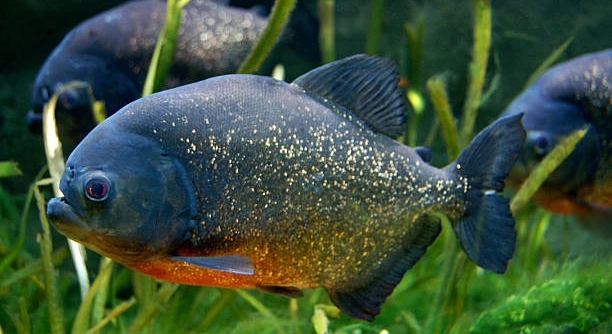
Piranhas are known for their sharp teeth and aggressive behavior, but sometimes they nip at each other within their own groups. Recognizing early warning signs can help prevent injury and maintain a peaceful environment in the aquarium. These signals are subtle yet important to notice.
Aggressive nipping among piranhas often begins with changes in behavior, such as increased restlessness, frequent chasing, and visible bite marks. Stress factors like overcrowding or poor water conditions usually trigger this aggression. Early detection allows for timely intervention to reduce harm.
Knowing these warning signs can protect your piranhas and keep your tank balanced. Paying attention to their behavior supports a healthier, calmer aquatic habitat.
Early Signs of Increased Aggression
Piranhas may start showing early signs of aggression before actual nipping begins. You might notice them becoming more restless and swimming faster than usual. They may chase each other frequently, especially around feeding times. These behaviors often indicate stress or discomfort in the tank. Another sign is when some piranhas isolate themselves or hide more than normal. Changes in body color, such as dullness or darkening, can also signal tension. Observing these subtle changes helps identify problems before physical aggression starts. Maintaining proper water conditions and avoiding overcrowding reduces stress. Feeding the fish adequately and regularly can also prevent aggressive tendencies. It is important to monitor tank dynamics closely, as piranhas are sensitive to environmental changes that may trigger these behaviors.
Regular checks on water quality and fish behavior can keep aggression under control and protect the group from harm.
Piranhas react strongly to stress and competition. Their natural instincts include defending territory and food. When tank conditions worsen, aggression increases. By recognizing early signs, it becomes easier to adjust the environment or separate aggressive individuals. Keeping the tank clean and spacious limits triggers. Feeding the right amount at set times reduces competition. Early intervention prevents injuries and promotes a stable, peaceful tank environment. Understanding the behavior helps maintain a healthy balance among piranhas, ensuring they coexist without harm.
Visible Injuries and Damage
Visible injuries from nipping appear as torn fins, missing scales, or small wounds on the body. These signs indicate ongoing aggression and should not be ignored.
Injuries can worsen if left untreated, leading to infection or stress. Immediate action is necessary to avoid further harm.
When injuries become apparent, it usually means the aggression has escalated past minor warnings. Piranhas often nip repeatedly in one area, causing open wounds. Injuries may look like ragged fins or red, inflamed spots on their skin. Such damage weakens the fish and increases vulnerability to disease. It also shows that current tank conditions are unsuitable for peaceful coexistence. Addressing injuries includes cleaning the water, improving filtration, and sometimes isolating aggressive individuals. Repairing damage is essential to prevent health decline. Regular monitoring ensures that new wounds do not develop. Injuries serve as a clear signal that the tank environment requires immediate attention to restore calm. Proper care supports healing and reduces future aggression risks.
Changes in Feeding Behavior
Piranhas showing aggression often alter their feeding habits. They may become overly aggressive or refuse to eat altogether.
During aggression, dominant piranhas may chase others away from food, leading to uneven feeding. Subordinate fish might lose weight or show signs of stress. Feeding times can become chaotic, with more competition and fights over pellets or live food. This behavior can worsen if the tank is overcrowded or if food is scarce. Observing feeding patterns closely can reveal early signs of conflict, helping you adjust feeding routines or tank conditions. Ensuring enough food for all and spreading it evenly reduces competition and aggression during feeding.
If some piranhas stop eating due to stress or injury, their health declines rapidly. Lack of nutrition weakens immune response, making fish prone to diseases. It is important to monitor all fish during feeding and separate any injured or highly aggressive individuals. Feeding smaller amounts more frequently can also help reduce tension and promote better health for the group.
Territorial Behavior and Space
Piranhas naturally establish territories, especially in confined spaces. Limited room increases conflicts and aggressive displays.
Territorial disputes occur when piranhas feel their space is threatened by others. In smaller tanks, this behavior intensifies as fish compete for hiding spots and swimming areas. Signs include chasing, lunging, and aggressive posturing. These behaviors help piranhas assert dominance but also lead to physical fights and injuries if not managed. Providing sufficient space and hiding places helps reduce territorial aggression. Dividers or rearranging tank decorations can also create separate zones for individual fish, lowering stress and conflict. Understanding how space influences behavior is key to maintaining harmony in the aquarium.
Increased Chasing and Circling
Increased chasing and circling around the tank often precede nipping incidents. This behavior signals rising tension among piranhas.
This restless activity usually occurs when piranhas compete for dominance or space. It can escalate quickly if not addressed early.
Changes in Coloration
Piranhas may darken or lose their usual brightness when stressed or aggressive. This change is a clear sign of discomfort or conflict.
Noticing shifts in coloration helps identify which fish are stressed or potentially aggressive. Early detection supports timely management to reduce conflict.
Poor Water Quality Effects
Poor water quality can increase stress and aggression among piranhas. High ammonia, nitrite, or nitrate levels harm their health and behavior.
Maintaining clean water with regular testing and filtration is essential. Stress from poor conditions weakens immune systems, making piranhas more likely to fight. Proper care reduces aggression and supports overall well-being.
Overcrowding Issues
Too many piranhas in one tank heightens competition and aggression. Overcrowding limits space and resources, triggering fights.
FAQ
How can I prevent piranhas from nipping each other?
Preventing nipping starts with proper tank management. Ensure the tank is spacious enough to reduce territorial disputes. Maintain excellent water quality by performing regular water changes and monitoring chemical levels. Feed your piranhas enough food multiple times a day to reduce competition. Adding hiding spots and decorations helps break line of sight and lowers tension. Separating particularly aggressive individuals may also be necessary. Keeping stress factors low is key to peaceful behavior.
What are the main causes of aggression in piranhas?
Aggression typically arises from overcrowding, poor water quality, insufficient food, and lack of hiding places. Territorial instincts also play a strong role, especially in small tanks. Stress from sudden changes or incompatible tank mates can trigger aggressive behaviors. Understanding these causes allows better control over the environment, minimizing conflicts.
Is it normal for piranhas to nip occasionally?
Minor nipping can occur as part of social hierarchy establishment or during feeding. However, frequent or severe nipping indicates stress or poor conditions. Regular monitoring helps distinguish between harmless interactions and harmful aggression needing intervention.
What should I do if my piranhas are already injuring each other?
Immediate action involves isolating injured or aggressive fish to prevent further harm. Improve water quality and review tank size to reduce stress. Treat wounds with appropriate aquarium-safe medications to prevent infection. Adjust feeding habits to ensure all fish receive enough nutrition.
Can diet influence piranha aggression?
Yes. A poor or irregular diet increases competition and aggression. Feeding high-protein foods like fish or shrimp in adequate amounts helps satisfy their nutritional needs and lowers fights over food. Avoid overfeeding, as this can degrade water quality and increase stress.
How often should I check on my piranhas to prevent aggression?
Daily observation is ideal. Watch for behavioral changes such as chasing, circling, or hiding. Checking water parameters weekly helps maintain a stable environment. Early detection of problems prevents escalation.
Can tank decorations reduce aggression among piranhas?
Tank decorations create barriers and hiding spots, which break line of sight and reduce confrontations. Plants, rocks, and driftwood work well to establish territories and offer refuge. Proper decoration helps balance the social structure.
Is it necessary to keep piranhas in groups or alone?
Piranhas are schooling fish and prefer groups. However, overcrowding leads to aggression. Maintaining an appropriately sized group in a large tank with enough space and hiding places is crucial. Keeping a single piranha can lead to boredom and stress, affecting health.
How do water temperature and quality affect piranha behavior?
Piranhas thrive in stable, warm temperatures between 75-82°F (24-28°C). Fluctuations or poor water quality increase stress, which leads to aggression. Regular water testing and temperature control are essential to maintain calm behavior.
Are there specific piranha species more prone to nipping?
Some species like the red-bellied piranha are naturally more aggressive. Others may show less territorial behavior. Knowing the species helps tailor tank setup and care to prevent conflicts.
Can breeding increase aggression among piranhas?
Yes. During breeding, piranhas become highly territorial and protective, often nipping to defend their eggs or young. Providing separate breeding tanks or plenty of hiding spots can reduce aggression during this period.
Final Thoughts
Managing piranha behavior requires careful attention to their environment and needs. Understanding the warning signs of aggression, such as chasing, changes in feeding, or altered coloration, helps prevent serious conflicts. Proper tank size and clean water are essential to reduce stress and promote healthy interactions. Providing enough space for each fish and maintaining good water quality lowers the chances of nipping and injury. Observing these factors regularly can keep your piranhas healthier and more peaceful.
Feeding plays an important role in controlling aggression. Supplying enough food at regular intervals reduces competition and aggressive displays around feeding times. A balanced diet that meets the nutritional needs of piranhas helps keep them satisfied and less likely to fight. Additionally, adding hiding places and decorations in the tank offers shelter and breaks sight lines, which helps ease territorial tensions. These simple steps can make a significant difference in the social dynamics of your fish.
While some level of aggression is natural for piranhas, consistent fighting and nipping signal a problem that needs correction. Prompt action, such as isolating aggressive fish or adjusting tank conditions, prevents injuries and stress-related illnesses. Understanding the causes of aggression and addressing them quickly ensures a safer, healthier environment. With careful care and attention, you can maintain a balanced aquarium where piranhas live with less conflict and greater well-being.

Hello,
If you enjoy the content that we create, please consider saying a "Thank You!" by leaving a tip.
Every little bit helps us continue crafting quality advice that supports the health, happiness, and well-being of pets around the world, for pets of all shapes, sizes, and species.
We really appreciate the kindness and support that you show us!