
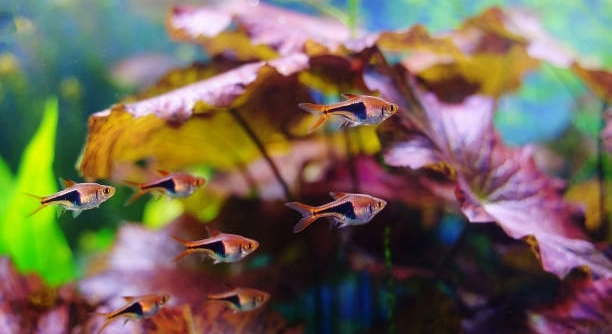
Observing your calm Rasboras can be both relaxing and rewarding. These small, peaceful fish display gentle movements and subtle social interactions that make them fascinating companions for any home aquarium. Their behavior often reflects their overall well-being.
Calm Rasboras exhibit steady swimming patterns, minimal rapid darting, and consistent interactions with tank mates. Their fins remain relaxed, colors stay vibrant without stress marks, and they frequently explore without showing signs of fear or agitation, indicating balanced behavior.
Noticing these signs will help you maintain a harmonious environment and ensure your Rasboras stay healthy and content in their aquatic home.
Steady Swimming Patterns
Calm Rasboras tend to swim smoothly around the tank without sudden bursts or frantic movements. Their motion is consistent and gentle, often gliding in small groups or alone near the mid-level of the aquarium. You may notice they maintain equal spacing between each other, avoiding collisions or erratic changes in direction. This behavior shows that they feel secure in their environment and that the tank setup meets their needs. Plants, hiding spots, and moderate water flow contribute to this sense of safety. Observing them, you might see them shift slowly toward food or investigate new additions to the tank without panic. Their swimming is relaxed enough to allow other species to coexist peacefully. Over time, you can recognize which fish are the most confident and which are more cautious, allowing better tank management. Keeping water parameters stable further supports their calm movement, reducing stress and promoting natural behaviors that are easy to observe and enjoy.
Smooth swimming is a reliable sign that your Rasboras feel secure and stress-free in their tank environment.
Steady swimming patterns are crucial for assessing the overall health of Rasboras. Fish that constantly dart or hide may be stressed, sick, or reacting to poor water quality. By watching their movement, you can detect early signs of discomfort or illness. Providing a balanced diet, consistent lighting, and gentle water flow encourages more predictable and relaxed swimming. In addition, adding plants or decor helps them feel safe, reducing anxiety and promoting natural group formations. Calm swimming also reflects healthy social behavior, as Rasboras are schooling fish that rely on coordination with their tank mates. Noticing these patterns allows you to intervene early if a fish starts showing unusual activity, ensuring the tank remains a stable, supportive environment. With attention to their movement, you can create a tank where Rasboras thrive, showcasing their natural grace and playful curiosity without unnecessary stress.
Relaxed Fins
Relaxed fins are a key indicator of calm Rasboras. Fins that are held gently, without clamping or rapid twitching, show they are comfortable.
When Rasboras are stressed, their fins often fold close to their bodies or flare repeatedly. Calm fish keep fins open but steady, moving fluidly with each stroke. This relaxed posture allows them to navigate efficiently and interact without tension. Healthy fins also reflect proper nutrition and water conditions. By providing a varied diet and maintaining clean, stable water, you support both fin health and overall well-being. Observation helps notice subtle changes, as fin clamping or ragged edges may indicate early stress, disease, or aggressive tank mates. Regularly checking fins alongside other behaviors gives a complete picture of the fish’s comfort level. Over time, relaxed fins paired with steady swimming, bright colors, and gentle social interaction confirm that your Rasboras are content, adjusting naturally to their environment and demonstrating consistent, healthy behavior patterns.
Consistent Coloration
Healthy Rasboras display consistent, vibrant colors across their bodies. Faded patches or sudden darkening can indicate stress or illness, while steady coloration shows they are comfortable and well-nourished.
Bright and even coloration is a direct reflection of both diet and environment. When Rasboras receive proper nutrition and live in stable, clean water, their natural hues remain vivid. Color changes often happen slowly, so consistent observation helps detect minor shifts early. Lighting also affects how their colors appear, but the underlying tone should remain steady. A calm fish maintains its base colors even during activity or mild disturbances, signaling overall well-being and comfort within the tank environment.
Environmental factors, including water quality, tank mates, and stress levels, significantly influence Rasbora coloration. Fluctuating pH, sudden temperature changes, or aggressive neighbors can cause dimming or blotches. Observing consistent coloration alongside other calm behaviors confirms the fish are healthy. Nutrient-rich food, routine water testing, and proper tank decor help maintain these colors naturally. By tracking these visual cues, you can ensure your Rasboras thrive, keeping them vibrant, active, and stress-free in their home.
Smooth Social Interactions
Calm Rasboras interact without aggression, maintaining harmony within the group. They swim together, share space, and avoid chasing or nipping.
These fish demonstrate social cohesion through coordinated movements and gentle nudges rather than sudden attacks or frantic escapes. Calm schooling behavior shows they feel secure with their tank mates and the environment. Fish that constantly chase or isolate themselves may be stressed, unwell, or experiencing overcrowding. Observing these interactions helps identify any imbalance early. Healthy Rasboras communicate subtly, using body language and positioning to maintain order within the school. Their interactions are predictable, allowing you to anticipate how they move and respond to changes. A stable social environment also reduces stress, supports feeding, and encourages natural behaviors.
Maintaining calm social interactions involves careful tank planning and monitoring. Providing sufficient space, hiding spots, and compatible companions encourages peaceful behavior. Sudden changes in water conditions or introducing aggressive species can disrupt the group, so gradual acclimation is key. Watching for consistent schooling patterns and gentle interactions allows you to notice early signs of tension or illness. Calm social behavior correlates with other indicators like steady swimming, relaxed fins, and consistent coloration. When these factors align, Rasboras exhibit balanced group dynamics, enhancing both their health and your enjoyment as you observe their natural, serene behavior in the tank.
Calm Feeding Behavior
Calm Rasboras approach food slowly and methodically, avoiding frantic lunges or crowding. They nibble gently and share space with tank mates, showing comfort and trust in their environment.
They resume normal swimming quickly after feeding, without lingering stress or hiding. Calm, organized feeding indicates good health and a balanced tank environment.
Gentle Exploration
Rasboras explore the tank gradually, inspecting plants, decorations, and substrate. Their movements are deliberate, without sudden bursts or panic, reflecting a secure and comfortable habitat.
Minimal Hiding
Calm Rasboras spend little time hiding and often remain visible. Excessive hiding can signal stress, poor water quality, or fear of tank mates. Observing them openly navigating the tank indicates contentment and trust in their surroundings.
What does calm Rasbora behavior look like?
Calm Rasboras swim steadily without sudden bursts or frantic movements. Their fins remain relaxed, and they maintain consistent spacing between each other. They explore the tank gradually, nibble food gently, and interact with tank mates without aggression. Their colors stay even and vibrant, showing comfort and good health.
Why do Rasboras sometimes dart around quickly?
Rapid darting usually indicates stress, fear, or poor water conditions. Sudden changes in temperature, aggressive tank mates, or overcrowding can trigger this behavior. Ensuring stable water parameters, a balanced diet, and proper tank layout helps reduce erratic movements and promotes calm behavior over time.
How can I tell if their fins are healthy?
Healthy fins are fully extended and move fluidly with swimming. Clamped or torn fins suggest stress, poor water quality, or disease. Observing fins regularly alongside swimming and coloration helps monitor their overall well-being. Maintaining clean water and avoiding aggressive companions supports proper fin health.
Are Rasboras social fish?
Yes, Rasboras are schooling fish that feel secure in groups. Calm interactions include coordinated swimming, gentle nudges, and shared space without chasing. Disruption in schooling, such as isolation or frequent chasing, indicates stress or imbalance within the tank environment.
What does relaxed coloration mean?
Even and bright coloration shows comfort, proper nutrition, and stable tank conditions. Dull patches, blotches, or sudden darkening can signal stress, illness, or environmental issues. Observing color along with behavior provides a complete picture of Rasbora health and helps identify problems early.
How much hiding is normal for Rasboras?
Calm Rasboras usually remain visible and explore openly. Occasional use of hiding spots is normal, but excessive hiding suggests stress, fear of tank mates, or suboptimal water conditions. Balanced tank décor with safe spaces encourages confidence without promoting constant retreat.
How should I feed calm Rasboras?
Feed small portions slowly, allowing all fish to access food without crowding. Calm Rasboras approach food methodically and return to normal swimming quickly after eating. Overfeeding or sudden large portions can cause stress and water quality issues, so consistent, moderate feeding supports calm behavior.
Can tank setup affect Rasbora behavior?
Yes, tank layout, decorations, plants, and water flow significantly influence calmness. Moderate current, plenty of plants, and open swimming areas help Rasboras feel secure. Abrupt changes or insufficient hiding spots may cause stress, hiding, or frantic movements. Observing behavior after setup adjustments ensures the tank supports comfort and natural activity.
How does water quality impact their calmness?
Stable temperature, pH, and clean water are essential. Poor water quality can cause erratic swimming, fin clamping, faded colors, or excessive hiding. Regular testing, water changes, and filtration help maintain optimal conditions, allowing Rasboras to exhibit relaxed swimming, healthy coloration, and peaceful social interactions consistently.
How long does it take for Rasboras to adjust to a new tank?
Adjustment time varies, typically a few days to a couple of weeks. Initially, they may hide or swim erratically. Gradual acclimation, stable water conditions, and providing plants and safe spaces support a smooth transition. Observing steady swimming, relaxed fins, and social cohesion indicates successful adaptation.
What are early signs of stress in Rasboras?
Early stress signs include rapid darting, clamped fins, faded colors, hiding, or disrupted schooling. Catching these behaviors early allows intervention through water checks, tank adjustments, and monitoring of tank mates. Addressing stress promptly helps maintain calm and healthy Rasboras.
Can calm behavior be encouraged with tank mates?
Yes, peaceful, similarly sized species support calm schooling and minimize competition or aggression. Aggressive or overly active fish can disturb Rasboras, causing hiding or frantic swimming. Choosing compatible tank mates helps maintain calm behavior and stable social interactions consistently.
How often should I monitor their behavior?
Daily observation is ideal. Even small changes in swimming patterns, fin condition, or coloration can signal stress or illness. Routine checks, combined with proper feeding and water maintenance, allow early detection of problems and ensure Rasboras remain calm and healthy in their environment.
Are there behavioral signs of illness in calm Rasboras?
Yes, illness can manifest as lethargy, erratic swimming, clamped fins, loss of color, or unusual hiding. Calm fish suddenly displaying these signs need water testing, possible quarantine, and treatment. Observing calm behaviors alongside other indicators provides a clear baseline for detecting health issues early.
How important is tank size for calm behavior?
Adequate space allows Rasboras to swim freely, maintain social cohesion, and explore without stress. Overcrowded tanks lead to chasing, hiding, and erratic swimming. Providing enough volume and horizontal space supports relaxed swimming, healthy fin movement, and natural schooling behavior consistently.
Observing calm Rasboras in your tank can be a simple yet rewarding experience. These small fish show their comfort through steady swimming, relaxed fins, vibrant coloration, and gentle social interactions. When they move in a coordinated, smooth manner and share space without aggression, it signals that they feel secure in their environment. Calm feeding behavior, minimal hiding, and slow, deliberate exploration are additional indicators that the fish are healthy and content. Paying attention to these signs helps you understand their needs and supports a stable, harmonious aquarium setup. Consistent observation allows you to notice subtle changes in behavior that might indicate stress, illness, or environmental issues before they become serious. By keeping track of these visual cues, you create a baseline for what is normal for your Rasboras, making it easier to spot irregularities and take timely action.
Maintaining the right tank conditions plays a key role in supporting calm Rasbora behavior. Water quality, temperature, and pH stability are essential, along with a proper filtration system and moderate water flow. Overcrowding or aggressive tank mates can disrupt the peace, causing hiding, darting, or fin clamping. A carefully planned tank layout with plenty of plants and safe spaces encourages exploration and schooling without stress. Feeding habits also influence behavior; small, measured portions of varied food help the fish eat methodically and reduce competition or frantic movements. Regular maintenance and attention to these details ensure the Rasboras can display their natural behaviors consistently. Calm behavior is not only a sign of comfort but also reflects good health, balanced social dynamics, and a well-managed tank environment.
Understanding the subtle cues of calm Rasboras helps you create a more enjoyable and stable aquarium experience. Observing their smooth swimming, gentle interactions, vibrant colors, and confident exploration gives insight into their well-being. Even minor changes, like clamped fins, faded coloration, or erratic movements, can signal stress or environmental imbalance, allowing you to act promptly. By prioritizing stable water conditions, compatible tank mates, and proper nutrition, you support their overall health and long-term happiness. Focusing on these behaviors encourages a peaceful atmosphere where Rasboras thrive naturally. Over time, watching these small fish move calmly and interact gently can be both satisfying and informative, providing reassurance that the aquarium is a safe and nurturing environment. This careful attention ensures your Rasboras remain healthy, active, and content, making it easier to enjoy their presence and maintain a balanced aquatic ecosystem.

Hello,
If you enjoy the content that we create, please consider saying a "Thank You!" by leaving a tip.
Every little bit helps us continue crafting quality advice that supports the health, happiness, and well-being of pets around the world, for pets of all shapes, sizes, and species.
We really appreciate the kindness and support that you show us!