
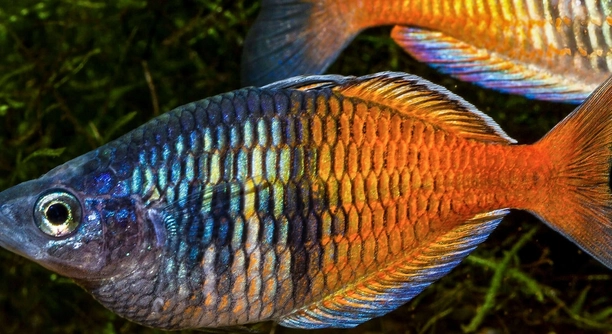
Rainbow fish are a colorful addition to any aquarium, and it’s important to keep an eye on their health. Recognizing the visual signs of a healthy rainbow fish can help ensure they thrive in their aquatic environment.
A healthy rainbow fish will have vibrant coloration, clear eyes, a streamlined body, and smooth, intact fins. They will swim actively and gracefully, without signs of lethargy or unusual behavior, indicating good overall health and vitality.
Observing these key characteristics will help you maintain a thriving and vibrant aquarium. Understanding what a healthy rainbow fish looks like can prevent issues before they arise and ensure your fish live their best life.
Vibrant Coloration
One of the first things to notice about a healthy rainbow fish is its bright and vivid coloration. These fish are known for their brilliant hues, which can range from red to blue, green, and yellow, often shifting in the light. A rainbow fish that has healthy colors will appear bold and consistent. If you notice that your fish is looking dull or has pale patches, it might be a sign that something is off, such as stress, poor diet, or illness. Keeping their environment clean and providing proper nutrition will help maintain their beautiful colors.
A well-maintained aquarium can greatly influence their vibrancy. Regular water changes and a balanced diet with appropriate food will promote the bright appearance of your rainbow fish.
Healthy rainbow fish display more than just vibrant colors—they also exhibit a consistent sheen on their scales. A dull or faded appearance may indicate a lack of essential nutrients or an unhealthy living environment. Make sure to monitor water quality closely and offer a well-balanced diet that includes high-quality fish flakes or pellets.
Clear Eyes
The clarity of your rainbow fish’s eyes is another key sign of its overall health. Healthy rainbow fish will have eyes that are clear and bright, without any cloudiness or swelling. Cloudy eyes can indicate eye infections, water quality issues, or even stress. To keep their eyes healthy, ensure your fish have plenty of space to swim, as overcrowded tanks can lead to health problems.
Good water quality is crucial for preventing eye infections and other illnesses. Be sure to keep the tank water clean by changing it regularly and monitoring its temperature, pH, and hardness levels.
When rainbow fish have clear eyes, it reflects their general well-being. Eyes that appear hazy or swollen could be a sign of a bacterial or parasitic infection. In some cases, a fish may even develop bulging eyes, a condition called exophthalmia. Regularly checking the eyes of your fish and taking prompt action if something seems off can prevent more serious issues. Keeping their environment stable and healthy is essential to ensuring your fish remain vibrant and free from illness.
Active Swimming Behavior
Healthy rainbow fish are active swimmers. They are constantly moving, exploring the tank, and interacting with their surroundings. If your fish seem to be spending most of their time in one spot or swimming erratically, it could be a sign that something is wrong.
Active fish are usually a good indicator of a healthy environment. They swim in groups and enjoy the space to move freely. A lack of movement can suggest poor water quality, disease, or insufficient space in the tank. It’s important to monitor their behavior closely, as sudden changes may be a signal for intervention.
Keeping their environment in balance is key to promoting healthy swimming. Ensure the tank has plenty of space, appropriate filtration, and a consistent temperature. Sometimes, too many fish in a tank can also cause overcrowding, which limits their ability to swim freely and may lead to stress. Observing their movement will help you assess their well-being.
Intact Fins
Rainbow fish with smooth, undamaged fins are a sign of good health. Their fins should be symmetrical, well-formed, and free of tears or fraying. Damaged fins often occur due to poor water conditions, injury, or aggression from tank mates.
Injured or damaged fins can also make it harder for rainbow fish to swim efficiently. If you spot any irregularities, such as fin splits or fin rot, it’s important to take action right away. Poor water quality can lead to bacterial infections that cause the fins to degrade over time.
To prevent fin damage, maintain a peaceful environment with compatible tank mates and ensure the water remains clean and properly filtered. If the fins are healing, consider using aquarium salt or specific treatments to aid recovery. In the long run, paying attention to the condition of your fish’s fins will help maintain their overall health and longevity.
Healthy Appetite
Rainbow fish are known for their healthy appetite. A fish that eagerly eats its meals shows good health. If your rainbow fish suddenly stop eating or show a disinterest in food, it may indicate stress, illness, or water quality issues.
A healthy fish will actively seek food and will consume a balanced diet. Monitor their feeding habits to ensure they are getting the right nutrients. A lack of appetite can also be a sign of a new or changing environment.
A consistent eating habit is crucial for maintaining their energy levels and vibrant appearance. If your fish becomes picky or refuses food altogether, it’s a good idea to check their tank for any imbalances in water chemistry or temperature.
Smooth Scales
The condition of your rainbow fish’s scales is a good indicator of their health. Healthy scales are smooth, intact, and shimmer in the light. Damaged or missing scales may indicate injury, illness, or poor water quality.
Pay attention to your fish’s scales to identify any abnormalities. If they look ragged, swollen, or if the fish is scratching itself against objects, something might be wrong.
Stable Behavior
A healthy rainbow fish will exhibit stable, predictable behavior. They should swim calmly and interact normally with tank mates. Sudden, drastic changes in behavior such as lethargy or aggression often signal that the environment needs attention.
Behavioral changes can indicate stress, disease, or discomfort.
FAQ
How do I know if my rainbow fish is sick?
A sick rainbow fish may exhibit signs such as loss of color, lack of appetite, swollen or cloudy eyes, frayed fins, or unusual swimming patterns. They may also spend more time at the bottom of the tank or in hiding. Any sudden change in behavior or appearance can signal an issue, so it’s important to act quickly. If you spot these symptoms, it’s essential to check water quality, provide proper nutrition, and consider quarantine treatment to prevent spreading any potential diseases.
Why are my rainbow fish’s colors fading?
Faded colors in rainbow fish can be caused by several factors, including poor water quality, stress, inadequate diet, or insufficient lighting. These fish rely on stable environments and proper nutrition to maintain their vibrant colors. When stressed or unhealthy, their colors may dull. Ensuring regular water changes, a balanced diet with high-quality fish food, and appropriate lighting can help restore their natural brightness.
What should I do if my rainbow fish has torn fins?
Torn fins are often a result of aggressive tank mates, poor water conditions, or overcrowding. If your rainbow fish has torn fins, it’s important to remove any aggressive fish, improve water quality, and allow the injured fish to heal in a calm environment. Keep the water clean and consider adding aquarium salt to help promote healing. If the fins do not improve, consider treating for fin rot or other infections.
Can rainbow fish live with other species?
Yes, rainbow fish are generally peaceful and can live with other species, as long as they have similar water requirements. They do best in groups with other non-aggressive fish that enjoy similar water conditions. Be cautious when introducing them to larger or overly aggressive fish, as this can cause stress or injury.
How can I improve my rainbow fish’s diet?
A balanced diet is key to maintaining the health and vibrancy of your rainbow fish. Offer them a mix of high-quality flake food, pellets, and occasional live or frozen food like brine shrimp, bloodworms, or daphnia. This variety ensures they receive all the necessary nutrients. You can also supplement with plant matter, such as algae or spinach, to provide fiber. Feeding them two to three times a day, in small amounts, will keep them healthy.
What is the ideal tank size for rainbow fish?
Rainbow fish need space to swim and thrive. A minimum tank size of 30 gallons is recommended for a small group of rainbow fish. Larger tanks are even better, as they allow the fish to move freely and reduce territorial behavior. A properly sized tank also provides ample space for hiding spots, plants, and decorations, helping to reduce stress.
How do I maintain the water quality for rainbow fish?
Maintaining good water quality is essential for the health of your rainbow fish. Regular water changes, usually 25-30% every 1-2 weeks, will help keep the tank clean and stable. Keep an eye on water parameters like pH, ammonia, nitrites, and nitrates. Rainbow fish prefer a pH between 6.5 and 7.5, with soft to moderately hard water. Ensure the water temperature is between 72°F and 79°F (22°C to 26°C). Use a reliable filter to maintain cleanliness and check water conditions regularly with test kits.
Why is my rainbow fish swimming strangely?
Strange swimming behavior, such as swimming upside down, circling, or swimming erratically, can indicate health problems. It could be a sign of a swim bladder issue, an injury, or stress due to poor water conditions. If your fish is struggling to maintain buoyancy or moving abnormally, check the water quality and consider treating for swim bladder disease. In some cases, an infection or parasite may be the cause, so quarantining the fish and seeking treatment might be necessary.
How often should I feed rainbow fish?
Rainbow fish should be fed small amounts of food two to three times a day. Overfeeding can lead to water quality issues, as uneaten food decomposes and releases harmful substances into the tank. Aim to feed only what the fish can consume in a few minutes. Offering a variety of food types, including flakes, pellets, and live or frozen foods, will ensure they get all the necessary nutrients. Remove any excess food to prevent water pollution.
Can I use aquarium salt with rainbow fish?
Aquarium salt can be used with rainbow fish to help with minor injuries, skin conditions, or during the treatment of certain illnesses. However, it should be used with caution, as excessive salt can stress fish. If you’re treating an injury or infection, dissolve the salt in water before adding it to the tank. Always follow the recommended dosage to avoid harming your fish.
How can I tell if my rainbow fish is stressed?
Signs of stress in rainbow fish include faded colors, erratic swimming, hiding, or clashing with other fish. Stressed fish may also show a lack of appetite and may refuse food. Stress can be caused by factors such as poor water quality, overcrowding, aggressive tank mates, or sudden changes in the tank environment. Reducing stress can improve their health and behavior. Ensure proper tank size, water quality, and peaceful interactions with other fish.
How do I breed rainbow fish?
Breeding rainbow fish requires a few specific conditions. Set up a separate breeding tank with soft, slightly acidic water and temperatures around 78°F (25-26°C). Introduce a pair of healthy fish, providing plenty of plants and hiding spaces for the eggs. Rainbow fish typically scatter their eggs over plants, where they hatch in a few days. Remove the parents after spawning to protect the eggs from being eaten. Keep the water clean and monitor the eggs until they hatch into fry. Once the fry are large enough, you can transfer them to a grow-out tank.
What are the signs of parasites in rainbow fish?
Parasites can cause symptoms such as excessive scratching, swelling, discolored patches on the skin, or clamped fins. Infected fish may also appear lethargic or lose their appetite. Parasites can be introduced through new tank mates or contaminated food. To treat parasites, isolate the affected fish, improve water quality, and consider using an appropriate anti-parasitic medication. Regular tank maintenance and quarantining new fish can help prevent outbreaks.
Final Thoughts
Keeping rainbow fish healthy requires attention to both their physical appearance and behavior. Regularly checking their colors, eyes, fins, and overall activity can help you spot any issues early. A healthy rainbow fish should be vibrant, active, and showing no signs of stress or injury. If any changes occur, it’s important to investigate water quality, diet, and tank conditions to identify the root cause. Monitoring these factors closely will ensure that your rainbow fish stay in their best condition, providing you with a lively and colorful aquarium.
Maintaining good water quality is essential to keeping rainbow fish healthy. Regular water changes, proper filtration, and monitoring water parameters like pH, ammonia, and temperature are key. Rainbow fish are sensitive to poor water conditions, and issues such as high levels of ammonia or nitrates can lead to stress and illness. A stable environment will help them thrive and display their natural beauty. Additionally, feeding them a balanced diet with the right mix of flakes, pellets, and occasional live food will keep them strong and vibrant.
In the end, paying close attention to your rainbow fish’s health and well-being will make a big difference in their long-term happiness. By providing the right environment, maintaining water quality, and offering proper nutrition, your fish will be able to live their best life. Regularly observing their behavior and physical signs will help you catch potential problems early and address them before they become serious. With the right care, your rainbow fish can remain beautiful and healthy for years to come.

Hello,
If you enjoy the content that we create, please consider saying a "Thank You!" by leaving a tip.
Every little bit helps us continue crafting quality advice that supports the health, happiness, and well-being of pets around the world, for pets of all shapes, sizes, and species.
We really appreciate the kindness and support that you show us!