
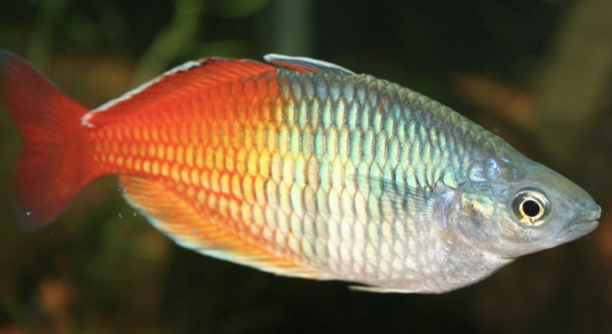
Rainbow fish are known for their beautiful colors and peaceful nature. Understanding their behavior can help ensure they are living their best life in your aquarium. A calm rainbow fish shows distinct visual signs that can be easy to recognize.
The primary visual signs of a calm rainbow fish include relaxed fins, a balanced swimming pattern, vibrant color expression, and slow, steady movements. These signs are a clear indication that the fish feels secure and stress-free in its environment.
These indicators are essential in keeping your rainbow fish healthy and happy. Identifying these visual cues will help you better care for them and maintain a stress-free aquarium. Keep reading to discover more about how to spot a calm rainbow fish.
Relaxed Fins: A Clear Sign of Calmness
One of the easiest ways to spot a calm rainbow fish is by looking at its fins. When a fish is at ease, its fins will be spread out gently and not held tightly to its body. Tense or clamped fins often suggest stress, illness, or fear. A relaxed fish will keep its fins in a comfortable, open position, allowing them to move naturally. This calm posture shows that the fish is not feeling threatened and can move freely in its environment. It’s important to note that some species may have slightly different fin shapes, but the general behavior remains the same.
The fin position is directly linked to how secure the fish feels. A relaxed fish will have smooth, consistent movements and won’t be constantly adjusting its fins.
If your rainbow fish is always hiding or swimming erratically, it might be stressed. Understanding the importance of fin position can help you maintain a peaceful aquarium. By observing the fin movements, you can assess if your fish is truly at ease or in need of some adjustments to its habitat.
Balanced Swimming Pattern
A calm rainbow fish swims in a consistent, steady pattern. It moves through the water without sudden, erratic bursts of speed or sharp turns. Instead, the fish glides in a smooth, flowing manner. This kind of movement indicates that the fish is comfortable with its surroundings and feels no immediate threats.
The swimming pattern shows how the fish interacts with its environment. When they feel safe, rainbow fish swim in a relaxed way, enjoying their space and navigating without rushing.
If your rainbow fish begins swimming erratically, it could be a sign of an issue, such as a water quality problem or tank mates causing stress. Regular observation can help you spot any shifts in behavior and address them before they become bigger concerns.
Vibrant Colors
A calm rainbow fish displays its brightest, most vivid colors. When the fish is relaxed, the hues on its body will appear bold and vibrant. This shows that the fish is healthy and feeling secure in its environment. Dull or faded colors can be a sign of stress or poor health.
Colors can vary depending on the species, but when the fish is calm, its coloration will be at its peak. A stressed fish may have muted tones, signaling it might not be thriving. Ensure the tank conditions, like lighting and water quality, are optimized to help maintain the fish’s health and color.
Color fading is also sometimes linked to social stressors. If your rainbow fish is being bullied or has tank mates that are too aggressive, this can cause it to lose its vibrant hues. Keeping the aquarium environment calm will promote brighter colors and better overall health.
Steady Movements
Calm rainbow fish move smoothly and at a steady pace. Their movements are consistent and without any signs of jerky motions. Rapid, unpredictable movements usually point to stress or discomfort, whereas slow, deliberate movements indicate a peaceful state.
Fish that move steadily through the water are less likely to be facing danger or confusion. They are comfortable enough in their space to move at a natural pace. Keep an eye on how your fish navigates the tank, and any erratic shifts should be considered a signal to check for potential issues.
A steady movement pattern also shows that the fish is not fatigued. If your rainbow fish is swimming constantly without pausing to rest, it could be stressed or overworked. Allowing your fish space to swim leisurely and rest as needed will ensure its well-being.
Healthy Appetite
A calm rainbow fish will display a steady appetite and actively seek food during feeding time. If the fish is not eating or only nibbling, it may be stressed or sick. Regular, healthy feeding is a sign that the fish feels comfortable in its surroundings.
In some cases, if the water quality isn’t ideal, it can cause the fish to lose its appetite. Be sure to maintain proper tank conditions to keep your rainbow fish healthy and eating well. Keeping a consistent feeding schedule also ensures that they remain calm and well-fed.
Relaxed Body Posture
The body posture of a calm rainbow fish is another key indicator. A relaxed fish maintains an upright, balanced posture with no noticeable tilting or sideways movements. It shows that the fish is swimming without stress or discomfort.
Changes in posture, like sinking to the bottom or swimming near the surface with an odd angle, might indicate a health issue or stress from poor tank conditions.
FAQ
What are the common signs that a rainbow fish is stressed?
Stressed rainbow fish often show physical signs like clamped fins, dull colors, erratic swimming, and an unwillingness to eat. They may also hide more than usual or swim in circles. These behaviors indicate that something in the environment is making the fish feel uncomfortable or threatened. Poor water quality, aggressive tank mates, or sudden changes in the tank can all contribute to stress. Keeping track of these signs helps you address the root cause quickly to restore balance.
How can I tell if my rainbow fish is healthy?
Healthy rainbow fish display vibrant colors, steady movements, and active feeding behavior. They swim smoothly without signs of distress, and their fins are open, not clamped. Healthy fish are also social, often interacting with other tank mates. If your fish are constantly hiding or lethargic, it might signal a health issue. Regularly monitoring their behavior and appearance helps you identify potential problems early.
Why is my rainbow fish’s color fading?
Color fading in rainbow fish can be caused by several factors, such as stress, poor water quality, or illness. Stress from overcrowding, aggressive tank mates, or insufficient space can cause the fish to lose its vibrant colors. Additionally, poor diet or inadequate lighting may affect the fish’s appearance. If your rainbow fish is showing faded colors, check the water parameters, improve tank conditions, and ensure the fish’s diet is balanced.
Is it normal for rainbow fish to hide?
Rainbow fish sometimes hide, but if they do so excessively, it could indicate stress or illness. They may seek refuge when feeling threatened by other fish or if the water conditions are unsuitable. It’s important to make sure the tank provides plenty of hiding spots while also maintaining peaceful tank dynamics. If your fish are hiding regularly and not coming out to feed, it might be time to evaluate their environment for potential issues.
What can I do to reduce stress in my rainbow fish?
To reduce stress, ensure that your rainbow fish have a peaceful, well-maintained environment. This includes providing clean water with proper filtration, stable water temperatures, and appropriate tank mates. Rainbow fish are social, so keeping them with other peaceful species can reduce stress. Avoid sudden changes to the tank and ensure they are not overcrowded. Additionally, offering a varied diet and regular water changes can help improve their overall health and well-being.
How often should I feed my rainbow fish?
Rainbow fish should be fed once or twice a day, with small portions of food they can consume in 2-3 minutes. Overfeeding can lead to water quality issues, while underfeeding can cause malnutrition. Make sure to provide a balanced diet that includes both high-quality flakes and occasional treats like frozen or live food. Regular feeding helps maintain healthy behavior, including vibrant colors and steady swimming.
Can rainbow fish live with other species?
Yes, rainbow fish are generally peaceful and can coexist with many other species, especially those that are not overly aggressive. They do best in a community tank with other calm fish like tetras, guppies, or other peaceful species. It’s important to avoid keeping them with overly territorial or fin-nipping fish, as this could cause stress and aggression. When adding new tank mates, always observe how they interact to ensure compatibility.
Why does my rainbow fish swim erratically?
Erratic swimming in rainbow fish could be a sign of stress, water quality issues, or illness. If the fish is darting around or swimming in circles, it may be responding to changes in the water conditions, like high ammonia levels or fluctuating temperatures. It can also be a sign of anxiety due to tank mates or overcrowding. Check the water parameters and ensure the tank is stable and not overcrowded to prevent further stress.
How do I improve the water quality for my rainbow fish?
To improve water quality for your rainbow fish, maintain regular water changes (about 25-30% every 1-2 weeks) and monitor the water parameters. Ensure that the pH, ammonia, nitrite, and nitrate levels are within safe ranges. Use a good filtration system to remove waste and maintain oxygen levels. Avoid overfeeding and keep the tank clean to prevent the buildup of toxins. A stable and clean environment is crucial to the health of your fish.
What should I do if my rainbow fish is not eating?
If your rainbow fish is not eating, first check the water quality. Poor water conditions can reduce their appetite. Also, consider whether the tank mates might be aggressive or competitive during feeding time. If the fish is still not eating after ensuring the water quality is ideal and there are no stress factors, it may be ill. Consult with an aquarium specialist to identify possible health issues and address them quickly.
Final Thoughts
Understanding the visual signs of a calm rainbow fish can significantly improve how you care for them. By observing your fish’s behavior, you can tell when it is healthy, stressed, or potentially unwell. A calm rainbow fish will exhibit relaxed fins, vibrant colors, and steady movements. When you see these signs, it usually means your fish is content in its environment. On the other hand, if you notice sudden changes in behavior, such as clamped fins, dull colors, or erratic swimming, it may be a signal that something is off. In such cases, it’s important to examine the tank’s water quality, temperature, and tank mates, as these factors directly influence your fish’s well-being.
Keeping a calm rainbow fish requires regular monitoring and maintenance of the tank environment. It’s not just about providing the right food and adequate space but also creating a stable habitat that mimics their natural conditions. Regular water changes, checking the filtration system, and ensuring proper lighting all contribute to a peaceful environment. Social dynamics in the tank also play a role. While rainbow fish are generally peaceful, aggressive tank mates can cause stress, leading to behavioral changes. Therefore, choosing compatible species and observing interactions can help maintain harmony in the tank.
In conclusion, a calm rainbow fish is a happy fish, and keeping them that way benefits both you and your aquatic pets. By recognizing the visual signs of calmness and being proactive about tank conditions, you create an environment where your fish can thrive. Remember, each rainbow fish has its own personality, but most will show these common visual signs when they are at ease. With the right care, your rainbow fish can live a healthy, vibrant life, adding beauty and peace to your aquarium. Keep observing, stay consistent with maintenance, and always be ready to make adjustments as needed.

Hello,
If you enjoy the content that we create, please consider saying a "Thank You!" by leaving a tip.
Every little bit helps us continue crafting quality advice that supports the health, happiness, and well-being of pets around the world, for pets of all shapes, sizes, and species.
We really appreciate the kindness and support that you show us!