
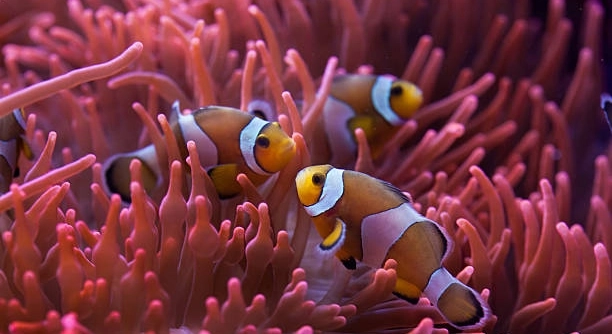
Clownfish are known for their bright colors and strong territorial behavior. They use different visual cues to communicate and protect their space in coral reefs. These signals help them avoid conflicts and maintain order among their neighbors.
Clownfish claim space through seven distinct visual signs, including specific body postures, fin displays, color changes, and movements. These signals effectively communicate dominance, threat, or submission, allowing them to establish and maintain territory without constant physical fights.
Learning about these visual signs reveals how clownfish interact with their environment and with each other. Understanding these behaviors provides insight into their social structure and survival strategies.
Body Posture and Orientation
Clownfish use their body posture and orientation to signal their intentions clearly. When a clownfish wants to assert dominance or warn others, it often positions its body upright and faces directly toward the intruder. This stance shows readiness to defend its space without immediately resorting to aggression. Conversely, a submissive clownfish may angle its body away or lower itself to indicate it is not a threat. These subtle changes in posture help maintain balance within their social groups. By using body language, clownfish avoid unnecessary fights, which could harm them or waste energy. Observing these behaviors in a tank or reef reveals how complex their communication can be, even without sound. This visual signaling is essential to their survival, as it establishes clear boundaries between individuals.
This body language is a constant, reliable way clownfish communicate territorial claims and respect hierarchy within their groups.
Other visual signals build on this foundation to make communication more effective and nuanced.
Fin Displays
Fin displays are another important visual sign used by clownfish to claim space. When feeling threatened or dominant, a clownfish may flare its fins, especially the dorsal and pectoral fins, making its body look larger and more imposing. This behavior acts as a warning to others, indicating that it is prepared to defend its territory if needed. Flaring fins can stop an intruder without physical contact, which helps avoid injury. Additionally, the speed and intensity of fin movements can convey different emotions, such as irritation or caution. Observing these displays provides insight into the fish’s mood and intentions. In group settings, fin displays help establish social ranking and reduce conflicts. This method of communication shows how visual cues alone maintain peace and order among clownfish, emphasizing the importance of appearance in their social structure.
Color Changes
Clownfish sometimes change the intensity of their colors to signal their mood or status. Darker or brighter hues can indicate aggression or dominance, while faded colors may show submission or stress. These subtle changes help communicate without confrontation.
Color changes serve as a quick visual cue during encounters with other fish. A dominant clownfish will often appear brighter to assert its territory and warn rivals. This visual tactic can prevent fights by making the message clear. On the other hand, a less confident or younger clownfish might display paler colors to avoid conflict and signal peaceful intentions. These shifts in coloration are controlled by pigments in their skin and can happen quite rapidly, depending on the situation. This flexible communication method helps maintain harmony within their community and shows how important appearance is for clownfish interactions.
This color signaling complements other behaviors and is crucial for peaceful coexistence among clownfish.
Movement Patterns
Clownfish use specific movement patterns to mark their space and communicate. Quick darting or circling near an intruder signals alertness and warning, while slow, deliberate swimming can show calmness or submission. These movements send clear messages without physical contact.
When defending territory, a clownfish might swim aggressively toward an intruder, creating a visual barrier. This approach intimidates rivals and asserts ownership of the area. In contrast, gentle, slow swimming signals that the clownfish does not want to escalate conflict. Movement also helps clownfish coordinate with their partners or group members. Repetitive swimming patterns near a chosen spot can indicate ownership. These behaviors are essential to their survival, reducing the need for fights that could cause injury. Understanding these movement signals gives a better idea of how clownfish keep their territories organized and respected.
Eye Contact
Clownfish use eye contact as a strong signal to claim space. Direct staring can indicate dominance or challenge, while avoiding eye contact shows submission or non-aggression.
Eye contact helps establish social rank and avoid unnecessary fights. It is a simple but effective way for clownfish to communicate intentions clearly and quickly within their territory.
Body Vibrations
Clownfish produce subtle body vibrations as part of their visual communication. These movements can signal excitement, aggression, or warning to others nearby, adding another layer to their interactions.
These vibrations work alongside other visual signs, helping clownfish maintain their space and social order without escalating to physical conflict.
Tail Flicking
Tail flicking is a quick movement used by clownfish to draw attention or warn intruders. It signals irritation or readiness to defend territory, making it clear that the fish is aware and alert.
What are the main visual signs clownfish use to claim their space?
Clownfish rely on several visual signs to establish and defend their territory. These include body posture, fin displays, color changes, specific movement patterns, eye contact, body vibrations, and tail flicking. Each sign has a unique role in communicating dominance, submission, or warning without physical fights. Body posture and orientation help signal readiness or avoidance, while fin displays make the fish appear larger and more threatening. Color changes indicate mood or status, quickly telling others if a clownfish is aggressive or submissive. Movement patterns such as darting or slow swimming add more context to their intentions. Eye contact establishes social rank, and body vibrations provide subtle warnings. Tail flicking is a sharp, clear signal of irritation or defense. Together, these visual signs create a complex language that clownfish use daily to keep peace in their groups and protect their living space.
How do clownfish avoid fights when claiming space?
Clownfish mostly avoid physical fights by using clear visual signals to communicate their intentions. Displaying an upright posture or flaring fins warns potential intruders without needing to attack. Color changes and eye contact reinforce these messages, showing dominance or submission. When a clownfish feels threatened, it may dart quickly or flick its tail to warn others to stay away. These visual cues help rival clownfish recognize boundaries and social rank early. By interpreting these signs, most conflicts are resolved peacefully, saving energy and reducing injury risk. This system benefits the entire group, maintaining order and balance in their territory. Physical fights happen only as a last resort when visual communication fails or an intruder ignores the warnings.
Why do clownfish change their colors, and how quickly can this happen?
Color changes in clownfish serve as a quick way to express emotions like aggression, stress, or submission. When a clownfish wants to assert dominance, it often brightens its colors, making itself appear more vibrant and intimidating. Conversely, a frightened or submissive fish may display duller colors to signal it is not a threat. These color shifts are controlled by pigment cells in the skin and can happen within seconds or minutes depending on the situation. This rapid response allows clownfish to adjust their signals based on immediate social dynamics. Color change is especially useful in crowded reef environments where multiple fish interact closely. It works alongside other visual signs to keep communication clear and effective.
How important is eye contact in clownfish communication?
Eye contact is a powerful tool for clownfish when claiming space and establishing social order. A direct stare shows confidence and can challenge intruders, signaling dominance or readiness to defend territory. Avoiding eye contact, on the other hand, indicates submission or a desire to avoid conflict. This simple form of communication helps clownfish quickly assess each other’s intentions without fighting. Because clownfish live in close groups, recognizing social rank through eye contact is crucial to maintaining peace. It is a quick and effective way to send messages during encounters, making it easier for fish to share limited space in their reef homes.
Do movement patterns have specific meanings in clownfish territory claims?
Yes, movement patterns are an essential part of clownfish visual communication. Fast, sudden darting or circling near an intruder sends a warning, showing that the fish is alert and ready to defend its area. Slow, deliberate swimming signals calmness or submission, indicating the fish does not want to escalate tension. Repetitive swimming near a specific spot can also indicate ownership of that territory. These movement signals are useful because they can be seen from a distance and help maintain boundaries without physical contact. The combination of movement with posture, fin displays, and color changes creates a full picture of a clownfish’s mood and intentions.
What role do tail flicks and body vibrations play in clownfish interactions?
Tail flicking is a sharp, visible signal used by clownfish to express irritation or readiness to defend their space. It is a clear way to grab attention and warn others without engaging in direct confrontation. Body vibrations are more subtle but still important, serving as an additional layer of communication. These vibrations can indicate excitement, agitation, or warning and are often paired with other visual signs to strengthen the message. Both tail flicks and body vibrations help clownfish communicate quickly and clearly in their busy reef environment, reducing the chance of misunderstandings or fights.
Can clownfish communication signals change based on their environment or situation?
Clownfish can adjust their visual signals depending on their environment and social situation. For example, in crowded reef areas with many fish, clear and strong signals like bright color changes or intense fin displays are more necessary to stand out. In quieter settings, subtler signals like slight body vibrations or gentle swimming may be enough. Stressful conditions or the presence of predators might also influence the intensity and frequency of these visual signs. This flexibility allows clownfish to adapt their communication to fit different needs, improving their chances of protecting territory and surviving. Their ability to use a range of visual signals makes their social interactions more effective across various circumstances.
How do these visual signs benefit clownfish in the wild?
These visual signs benefit clownfish by helping them avoid physical fights, which can cause injury or waste energy. Clear communication through posture, color, movement, and eye contact allows clownfish to establish social order and territorial boundaries smoothly. This reduces stress within their groups and increases chances of survival. Since clownfish share their space with other reef species, being able to quickly communicate territory limits prevents unnecessary conflicts. It also helps maintain stable partnerships with sea anemones, their protective hosts. Overall, these visual signals are vital tools that support clownfish’s complex social lives and help them thrive in their natural habitat.
Understanding how clownfish use visual signs to claim space reveals much about their behavior and survival. These fish rely heavily on body posture, fin displays, color changes, and specific movements to communicate clearly with each other. Their signals help establish boundaries, reduce conflicts, and maintain social order within their groups. Instead of fighting constantly, clownfish use these visual cues to show dominance or submission, which is a more energy-efficient way to protect their territory. This communication system is essential for their well-being, especially since they live in crowded reef environments where space is limited.
The variety of visual signals clownfish use shows how complex and adaptive their social interactions are. They combine different signs like eye contact, body vibrations, and tail flicking to send messages that can be understood quickly and without confusion. Each signal carries a specific meaning and works together to create a clear picture of the fish’s intentions. This layered communication allows clownfish to handle different situations smoothly, whether they need to warn an intruder or show peaceful intentions. The ability to change colors or alter movements based on circumstances adds to their flexibility and survival skills in a competitive environment.
Overall, these visual signs are not just random behaviors but carefully evolved strategies that help clownfish live in harmony with their neighbors. By understanding these signals, it becomes easier to appreciate how these small fish manage complex social dynamics without aggression. Their communication methods reduce stress and help maintain healthy populations in coral reefs. Recognizing the importance of these visual signs can also improve how we care for clownfish in captivity, ensuring their environment supports natural behaviors. The study of their space-claiming tactics offers valuable insights into the balance between cooperation and competition in nature.

Hello,
If you enjoy the content that we create, please consider saying a "Thank You!" by leaving a tip.
Every little bit helps us continue crafting quality advice that supports the health, happiness, and well-being of pets around the world, for pets of all shapes, sizes, and species.
We really appreciate the kindness and support that you show us!