
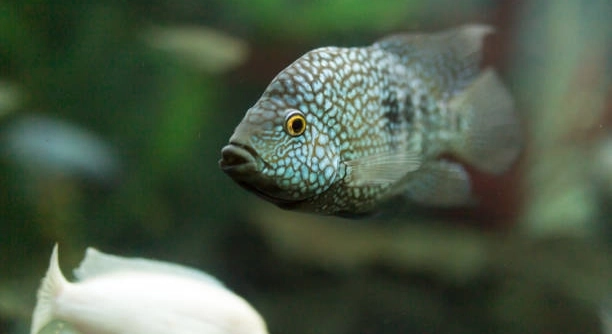
Have you ever noticed certain fish in your tank spending more time in one area than another? Observing their actions can reveal patterns in behavior and interactions. These behaviors often indicate how fish claim and protect their space.
Fish signal territorial ownership through specific visual behaviors, including fin displays, chasing intruders, guarding chosen spots, substrate rearrangement, and temporary color changes. These actions are consistent indicators of dominance and the establishment of personal territory within aquatic environments.
Understanding these visual hints helps maintain harmony among fish and supports a healthier, more balanced aquarium environment.
Flared Fins and Aggressive Posturing
When fish flare their fins or arch their bodies, it is often a clear sign of territorial behavior. This display makes them appear larger and more intimidating to other fish nearby. Typically, the dominant fish will maintain this posture near the area it claims as its own, whether it is a favorite hiding spot, a plant cluster, or a corner of the tank. The posture can include spreading fins fully, raising the dorsal fin, and maintaining a rigid stance. Other fish approaching this space may be chased away or met with repeated displays until they leave. This behavior is common among cichlids, bettas, and many other freshwater species. It is not always aggressive in a harmful way but is a method of communication. Observing these actions allows you to understand which areas of your aquarium are highly valued and how fish negotiate their personal space.
This posture is usually temporary but repeated frequently in the same spot, confirming territorial ownership.
Watching these displays can help you anticipate conflicts and organize tank decorations to reduce stress among fish. Keeping areas for retreat and observation points supports a calmer environment and prevents continuous confrontation.
Hovering Near Preferred Spots
Some fish spend a significant amount of time hovering over particular areas. This behavior is subtle but important in signaling ownership. By staying near certain rocks, plants, or substrate, the fish establishes a visible presence that warns others to keep distance.
Hovering indicates comfort and control of a space. Fish often circle or move slowly within a defined area, marking it as their own. Even if they are not displaying aggressive behavior outwardly, this repeated positioning communicates territorial boundaries. Fish may also nibble or rearrange items nearby, further solidifying their claim. Recognizing these spots can help you understand their preferences and plan tank layouts accordingly. Providing multiple areas for hiding and resting can prevent overcrowding and reduce tension among tank inhabitants. Hovering is also linked to feeding areas or nesting sites in some species. By noting which zones are consistently occupied, you can interpret dominance hierarchies and minimize accidental intrusions. Observing these patterns closely provides insight into natural behavior and keeps your aquarium balanced.
Chasing and Nudging
Territorial fish often chase or nudge intruders away from their claimed areas. This behavior reinforces their dominance and discourages other fish from entering the space. The intensity of the chase can vary depending on the species and individual temperament.
These chases can be brief or extended, depending on how persistent the intruder is. Fish may dart forward quickly, bump, or nip at another fish to make them leave. Repeated chasing establishes boundaries and communicates which areas are off-limits. Observing the timing and frequency of these interactions helps identify dominant individuals and the spaces they prioritize.
Chasing behavior is also influenced by the tank environment. Limited hiding spots, close quarters, or high population density can increase frequency and intensity. Offering sufficient space, visual barriers, and separate resting zones can reduce stress and prevent prolonged conflicts. Watching these interactions provides insight into hierarchy and helps maintain a stable, healthy aquarium.
Color Changes and Marking Behavior
Some fish change color when defending their territory, signaling dominance to other fish. The intensity or brightness of these changes often indicates the level of territorial claim. These visual cues are particularly noticeable in species with vibrant natural coloration.
Color changes serve as both warning and communication. A fish may darken, brighten, or display unique patterns to alert others to their presence. Combined with fin flaring or hovering, this behavior ensures that intruders recognize boundaries without direct physical conflict. The change can also occur around specific objects, such as nests or feeding areas, marking them as claimed.
Marking behaviors like substrate digging or rearranging decorations often accompany color changes. These actions reinforce the fish’s claim by altering the environment visually and physically. Over time, other fish learn to respect these zones. Recognizing these visual and environmental markers allows for better observation of territorial habits and helps manage tank layouts to minimize conflict and stress.
Guarding Nesting Areas
Fish often guard nesting areas closely, staying near eggs or potential breeding sites. This behavior signals strong territorial instincts and ensures that their offspring or potential territory remains protected from intruders.
Even if no eggs are present, fish may hover near cavities, plants, or substrate spots as if defending future nesting sites. This consistent presence marks the area as off-limits to other fish, reinforcing their control over the chosen zone.
Substrate Rearrangement
Some fish actively move sand, gravel, or small objects to define their space. Rearranging substrate communicates ownership and can serve practical purposes like building nests or hiding spots. This behavior is deliberate and repeated, making certain areas of the tank visually distinct and recognized by other fish.
Staring and Blocking
Territorial fish often stare at intruders or block their paths. This visual dominance discourages other fish from entering claimed areas.
FAQ
How can I tell if my fish is staking territory?
Fish show territory through repeated behaviors like flaring fins, hovering in a specific spot, chasing others, changing color, and rearranging substrate. Watching where they spend most of their time and how they react to other fish helps identify their claimed areas.
Is chasing always a sign of aggression?
Not necessarily. Chasing is often a way for fish to communicate boundaries rather than cause harm. It establishes dominance and signals that a specific area is off-limits. Understanding the intensity and duration can help determine whether it’s mild territorial behavior or escalating aggression.
Do all fish display color changes when defending territory?
No, it depends on the species. Many cichlids and bettas show vivid color changes when claiming space, but some fish may rely more on posture, fin displays, or movement rather than altering their colors. Observing patterns over time helps identify these signals.
How can I reduce territorial disputes in my tank?
Providing adequate space, hiding spots, and visual barriers can reduce tension. Placing decorations strategically to break lines of sight and ensuring there are multiple resting or feeding areas allows fish to establish separate zones without constant conflict.
Can territorial behavior affect tank mates’ health?
Yes, constant harassment or chasing can stress other fish, weaken their immune systems, and reduce appetite. Stress may lead to disease or unusual behavior. Monitoring interactions and separating overly aggressive individuals when necessary helps maintain overall tank health.
Does tank size influence territorial behavior?
Definitely. Smaller tanks increase the likelihood of territorial disputes because fish have limited space. Larger tanks allow fish to claim specific areas without frequent encounters, reducing stress and aggressive interactions among inhabitants.
Are certain species more territorial than others?
Yes, species like cichlids, bettas, and some gouramis are naturally more territorial. Other community fish may show minor territorial behavior but are generally more tolerant. Knowing species-specific tendencies helps when designing tank layouts and choosing compatible fish.
Is hovering over a spot always territorial?
Hovering often signals comfort and ownership but may also relate to feeding or resting preferences. Consistently spending time in the same location, especially paired with chasing or displays, is a stronger indicator of territorial behavior.
Can rearranging substrate harm other fish?
It usually doesn’t cause harm, but excessive digging or constant moving can disturb bottom dwellers or plants. Providing multiple hiding spots and a soft substrate helps minimize conflicts while allowing natural behavior.
Should I intervene if fish are constantly displaying dominance?
Intervention is sometimes necessary if one fish monopolizes space, repeatedly chases, or stresses other tank mates. Rearranging decorations, adding barriers, or temporarily isolating aggressive individuals can restore balance without disrupting natural behaviors.
How long does territorial behavior last?
Territorial behavior can be permanent for dominant fish in a stable environment. However, intensity may decrease once boundaries are recognized and other fish respect claimed areas. Observing daily patterns helps anticipate and manage ongoing interactions.
Do male and female fish show different territorial behaviors?
Males are often more aggressive in claiming space, especially around breeding areas, but females may also defend areas, particularly if protecting eggs or fry. Differences depend on species and individual temperament.
Can multiple fish share territory peacefully?
Some fish can tolerate shared spaces if boundaries are respected and resources are abundant. Visual markers, multiple hiding spots, and staggered activity areas help reduce conflicts and allow coexistence.
Are there signs that territorial behavior is harming the tank environment?
Yes, torn fins, reduced feeding, hidden fish, and increased stress are warning signs. Constant aggression may disrupt the balance, so observing fish health and interactions is crucial for a harmonious environment.
Can I encourage natural territorial behavior safely?
Yes, by providing adequate space, varied structures, and hiding areas, fish can establish territories without excessive stress. Encouraging natural behavior helps them feel secure and reduces conflicts while maintaining a healthy tank ecosystem.
Do juvenile fish show territorial behavior?
Juvenile fish may display mild territorial tendencies as they grow, often around feeding spots or favorite hiding places. Territorial behavior becomes more pronounced as they mature and assert dominance over specific areas.
Is territorial behavior more common in freshwater or saltwater fish?
It occurs in both, but freshwater species like cichlids and bettas are well-known for strong territorial instincts. Saltwater species may display similar behavior, particularly in reef environments where space and resources are limited.
Can stress influence territorial behavior?
Yes, stressed fish may become more aggressive or protective of space. Factors like overcrowding, poor water quality, or frequent disturbances can intensify territorial displays and increase conflicts within the tank.
What’s the best way to observe territorial behavior?
Spend time watching daily interactions, noting frequent locations, chasing incidents, color changes, and substrate rearrangement. Recording patterns helps identify dominant individuals, preferred areas, and potential problem zones, allowing proactive management of tank dynamics.
Does diet affect territorial behavior?
A well-fed fish is generally less aggressive over food-related spaces, but some species may still defend their favorite spots. Ensuring consistent feeding and multiple feeding locations can reduce competition and stress among tank mates.
Can introducing new fish trigger territorial behavior?
Yes, new fish may challenge existing boundaries, prompting displays of dominance. Gradual introductions, visual separation, and adequate hiding spots help reduce conflicts while fish adjust to the new social structure.
Is fin flaring dangerous for fish?
Fin flaring itself is harmless; it is a communication method rather than an attack. Problems arise only if it escalates into repeated chasing, nipping, or stress-induced behaviors that harm tank mates.
Do territorial behaviors change over time?
Yes, fish may settle once boundaries are established. Over time, aggression often decreases, and fish recognize their limits, leading to a more stable and calm environment. Regular observation ensures balance is maintained.
Can fish lose their territory?
Dominant fish may lose territory if displaced by stronger individuals, environmental changes, or overcrowding. Recognizing these shifts helps prevent prolonged stress and allows adjustments to maintain harmony in the tank.
How can I create multiple territories in a tank?
Using decorations, plants, rocks, and caves helps break the tank into sections. Multiple hiding spots and visual barriers allow several fish to claim separate areas, reducing conflicts and promoting natural behavior.
Are there signs that a fish feels threatened in its territory?
Signs include rapid fin displays, sudden color changes, frantic swimming, or repeated chasing. Recognizing these behaviors early helps prevent injury or excessive stress among tank inhabitants.
Is territorial behavior always negative?
Not at all. Territorial behavior is natural and necessary for establishing hierarchy, protecting resources, and reducing constant conflicts once boundaries are respected. Proper observation ensures it doesn’t escalate into harmful aggression.
Can observing territorial behavior improve tank management?
Yes, noting behavior patterns helps plan tank layout, feeding routines, and hiding spots. Understanding territorial tendencies ensures a healthier environment, reduces stress, and allows coexistence among different species.
Does water quality influence territorial behavior?
Poor water conditions can increase stress, making fish more aggressive or defensive. Maintaining clean, stable water reduces conflict and supports healthy expression of natural behaviors.
How do hiding spots affect territorial behavior?
Hiding spots give subordinate or stressed fish refuge, reducing direct confrontations. Multiple areas allow fish to claim territories without excessive overlap, lowering aggression and promoting a balanced tank environment.
Is it normal for a single fish to control most of the tank?
In some cases, a dominant fish may claim large portions of space. While normal, constant exclusion of other fish may require rearranging decorations or adding barriers to protect less dominant tank mates.
Can tank decorations reduce aggression?
Yes, decorations like rocks, plants, or caves create natural boundaries and visual separation. These additions break lines of sight, give fish personal space, and help diffuse potential conflicts without isolating individuals completely.
Are territorial behaviors different during breeding?
Territorial instincts often intensify during breeding periods. Fish become more protective of nests, eggs, or potential mates, showing stronger chasing, flaring, or guarding behaviors to ensure reproductive success.
Can territorial behavior indicate health problems?
Sudden changes in aggression or defense may signal illness or stress. Consistently observing behavior helps detect early signs of health issues, allowing prompt intervention before serious problems develop.
Is it possible to completely prevent territorial behavior?
No, it is a natural instinct in many species. The goal is to manage it safely, reduce stress, and ensure coexistence by providing space, hiding spots, and resources that minimize conflict.
How does age affect territorial behavior?
Older or more mature fish often establish stronger dominance and defined territories. Juveniles may display milder forms but gradually assert themselves as they grow, influencing the tank’s social hierarchy.
Can observing territorial behavior help with breeding?
Yes, recognizing which fish defend specific areas and how they interact aids in selecting suitable breeding pairs. Understanding territory preferences ensures safer nesting and reduces disturbances during reproductive periods.
What environmental factors can influence territorial displays?
Lighting, water flow, tank size, decoration placement, and population density all impact how often and intensely fish display territorial behaviors. Adjusting these factors can reduce conflicts and create a calmer environment.
Is it normal for fish to defend empty areas?
Yes, fish sometimes claim spots even without resources. This behavior prepares for future nesting, feeding, or resting areas, allowing them to establish dominance before the space is actively used.
Do territorial fish coexist better in groups or pairs?
It depends on species and tank setup. Some fish tolerate groups if sufficient space and barriers exist, while others do better in pairs to reduce constant competition and stress. Proper observation ensures harmonious coexistence.
Can territorial behavior indicate intelligence?
In a way, yes. Recognizing space, defending it strategically, and communicating with other fish reflect problem-solving abilities and awareness of their environment. Observing these behaviors provides insight into fish instincts and adaptability.
Does diet timing affect territorial behavior?
Feeding multiple times or offering food in different areas reduces competition over space. Predictable feeding schedules and dispersed food help minimize aggressive displays around feeding zones, keeping fish calmer.
Can I use observation to rearrange territories effectively?
Yes, by noting which fish claim which areas, you can adjust decorations, hideouts, or feeding spots to distribute territories more evenly, reducing stress and creating a more balanced aquarium environment.
Is constant fin flaring a sign of stress?
Not always, but prolonged or frequent flaring paired with chasing, hiding, or color changes may indicate stress. Monitoring the overall behavior helps determine whether the fish is simply asserting dominance or reacting to tension.
Can water temperature influence territorial behavior?
Yes, temperature fluctuations can affect metabolism and activity levels. Warmer water may increase energy and aggression, while cooler water can slow activity. Maintaining stable temperature helps manage intensity of territorial displays.
Do nocturnal fish show territorial behavior at night?
Some nocturnal species establish territory even during low light hours. They may patrol favored areas or guard hiding spots quietly, so observing behavior during all activity periods is important.
How can I safely separate overly aggressive fish?
Using dividers, temporary isolation tanks, or rearranging the main tank’s layout provides space while preventing harm. Separating fish gives them a chance to settle before reintroducing them safely.
Are there signs of territorial behavior in schooling fish?
Yes, even schooling fish may defend small zones within the group. Dominant individuals can control feeding areas or preferred positions, establishing subtle hierarchies without constant overt aggression.
Does tank shape affect territorial behavior?
Yes, long, narrow tanks may create more confrontations due to restricted movement, while taller or more complex layouts allow vertical space and visual separation, reducing stress and repeated conflict.
Can I encourage peaceful coexistence among territorial fish?
Yes, by providing sufficient space, hiding spots, multiple feeding areas, and observing interactions closely, fish can establish territories without excessive aggression. Proper tank management ensures balance and reduces stress.
Is it normal for a fish to patrol its territory constantly?
Yes, patrolling is a common behavior. Fish swim around their claimed areas, checking for intruders and maintaining dominance. This behavior signals ownership and helps prevent unexpected challenges from other fish.
How do I know if a fish respects another’s territory?
Submissive or non-dominant fish often avoid occupied areas, swim in separate zones, and yield during encounters. Recognizing these patterns shows that boundaries are understood and reduces risk of conflict.
Are visual barriers effective in controlling territorial disputes?
Yes, plants, rocks, or decorations create lines of sight breaks, allowing fish to claim spaces without direct confrontation. These barriers reduce stress and help multiple fish coexist peacefully.
Can overcrowding increase territorial aggression?
Definitely. Too many fish in limited space lead to constant overlap of claimed areas, increasing chasing, displays, and stress. Ensuring proper stocking levels is crucial to maintaining harmony.
Is it common for fish to reclaim territory after leaving it?
Yes, once boundaries are challenged or vacated temporarily, fish often return to reassert control. Observing these patterns helps understand hierarchy shifts and plan tank management.
Does light intensity affect territorial behavior?
Bright lighting can make territories more visible and increase displays, while dim lighting may reduce confrontations. Adjusting light levels can help manage aggression in sensitive species.
Can multiple males in one tank coexist peacefully?
It depends on species and space. Some males tolerate each other if territories are separated and hiding spots are available, while others require careful management to prevent constant conflict.
Is observing territorial behavior useful for breeding success?
Yes, knowing which fish defend areas and how they interact ensures nests are protected and mating occurs with minimal stress. Territory management supports healthier reproductive behavior and fry survival.
Can tank rearrangements calm territorial fish?
Yes, moving decorations, adding barriers, or creating new zones can reset boundaries, reduce conflicts, and give fish new areas to claim, preventing prolonged disputes and stress.
How do I balance territory needs with tank aesthetics?
Use natural decorations, plants, and rocks to create visually appealing zones while offering privacy and clear boundaries. This ensures a healthy, balanced environment without sacrificing appearance.
Does seasonal change affect territorial behavior?
Yes, temperature shifts, lighting cycles, or breeding seasons can increase or decrease aggression. Monitoring seasonal patterns helps anticipate changes and adjust tank management accordingly.
Are young fish more likely to challenge territories?
Juveniles often test boundaries as they grow, especially in shared spaces. Over time, they learn hierarchy and establish their own areas, reducing repeated conflicts.
Can observing fish behavior prevent future conflicts?
Absolutely. Watching patterns, preferred areas, and interactions allows proactive adjustments, ensuring fish coexist peacefully while expressing natural territorial behaviors safely.
Do territorial behaviors vary by personality?
Yes, some fish are naturally bolder and more dominant, while others are submissive. Individual temperament affects how territories are claimed, defended, and respected.
How can I document territorial behavior effectively?
Keep notes or record short videos of daily interactions, preferred areas, and chasing or display events. Documentation helps identify dominant fish, potential problem zones, and overall tank balance.
Can environmental enrichment reduce territorial stress?
Yes, providing plants, caves, and decorations keeps fish engaged, reduces boredom, and allows natural behaviors to be expressed without causing excessive conflict.
Are some territories temporary?
Yes, temporary territories may form around food, resting spots, or breeding sites. Once the need passes, fish may abandon or shift the area while retaining long-term zones elsewhere.
Can tank mates learn to avoid certain territories?
Yes, submissive fish recognize dominant zones and often stay clear, reducing stress and repeated confrontations. Observing these interactions shows natural social dynamics at play.
Does population density affect territorial intensity?
Higher density increases competition for space, leading to more displays and chasing. Lower density allows fish to establish personal zones and reduces conflict frequency.
Can observing territorial behavior indicate tank health?
Yes, balanced interactions, respected boundaries, and minimal stress indicate a stable environment. Continuous aggression, stress signs, or disease may reflect underlying problems in water quality or setup.
Is fin nipping part of territorial behavior?
Yes, occasional fin nipping can occur during defense of territory. Monitoring intensity and frequency ensures it doesn’t escalate into harmful aggression affecting fish health.
Do visual cues work better than physical displays?
Often, yes. Color changes, fin flaring, and hovering communicate ownership without constant physical contact, reducing injury and maintaining social order in the tank.
Can multiple hiding spots reduce chasing?
Providing numerous retreats allows fish to claim areas without repeated confrontation. Multiple zones prevent overcrowding and help less dominant fish feel secure while respecting dominant territories.
Does territorial behavior indicate dominance hierarchies?
Yes, frequent displays, chasing, and area control reveal which fish are dominant. Understanding these hierarchies helps anticipate conflicts and organize the tank for smoother coexistence.
Can introducing plants change territorial patterns?
Yes, adding plants or decorations can break sight lines, create new zones, and encourage redistribution of territories, reducing prolonged disputes and supporting natural behaviors.
Are all displays intentional?
Most territorial displays are deliberate, aimed at signaling ownership or dominance. Random swimming or movements may not indicate territorial behavior unless repeated in a specific area consistently.
Can I manage territorial behavior without separating fish?
Yes, strategic tank setup, adequate space, multiple hiding spots, and careful observation can allow fish to express natural behaviors while minimizing harmful aggression and stress.
Do territorial behaviors differ during feeding?
Yes, food availability often intensifies displays. Fish may chase others away or hover over feeding zones. Providing multiple feeding points helps reduce competition and aggression during meals.
Can observing fish daily improve tank harmony?
Absolutely. Noting patterns, interactions, and preferred zones helps prevent conflicts, plan decorations, and manage feeding. Daily observation ensures fish remain healthy and stress is minimized.
Is territory always linked to aggression?
Not always. Many territorial displays are communicative rather than violent. Aggression only occurs if boundaries are challenged repeatedly or space is limited, requiring intervention to maintain balance.
Can lighting cycles influence territory defense?
Yes, changes in light intensity or duration can alter activity levels and influence how often or intensely fish display territorial behaviors, affecting overall tank dynamics.
Do territorial displays indicate readiness to breed?
Often, yes. Intensified displays, guarding spots, and color changes can signal breeding readiness, especially in species that defend nests or mates as part of reproduction.
Can observation prevent injury from territorial conflicts?
Yes, monitoring displays, chasing, and dominant zones helps identify potential problems. Early intervention through rearranging decorations or isolating aggressive fish prevents injuries and stress.
Does tank decoration density affect territorial behavior?
Higher decoration density can create more zones, reduce line-of-sight confrontations, and allow fish to claim spaces safely, minimizing aggressive interactions while supporting natural behavior.
Can observing fish reveal social structures?
Yes, patterns of dominance, submission, and territory recognition show social hierarchies, helping anticipate interactions and design a balanced environment for all tank inhabitants.
**Do all fish defend their territory equally?
Territorial behavior is a natural part of fish life, and understanding it can help maintain a balanced and peaceful aquarium. Fish claim space for feeding, resting, nesting, or simply feeling secure. Observing which areas they prefer and how they interact with other fish gives insight into their personalities and instincts. Flaring fins, chasing, hovering, color changes, and substrate rearrangement are all clear signals of territorial claims. These behaviors are not meant to harm but to communicate boundaries and maintain order. By paying attention to these visual hints, you can anticipate potential conflicts before they escalate and create a safer environment for all fish.
Providing proper space and environmental enrichment is key to managing territorial behavior. A well-decorated tank with rocks, plants, caves, and hiding spots allows fish to establish separate zones and reduces constant confrontation. Multiple resting and feeding areas help prevent competition, while visual barriers allow fish to claim territory without directly challenging one another. Tank size also plays an important role; overcrowding increases stress and intensifies aggression, while a larger, thoughtfully arranged space allows each fish to maintain its own area comfortably. Observing the frequency and intensity of displays helps identify dominant fish and their preferred zones, which can guide tank layout adjustments. Maintaining clean water, stable temperature, and appropriate lighting also supports natural behaviors while minimizing stress, keeping territorial displays within healthy limits.
Recognizing territorial behavior benefits both the fish and the tank keeper. By understanding visual cues and patterns, you can manage interactions, reduce aggression, and ensure all fish have access to resources. Territorial behavior is not negative when properly managed; it is part of a healthy ecosystem and reflects natural instincts. Adjusting decorations, adding hiding spots, and observing social dynamics allows fish to coexist peacefully while expressing natural behaviors. Over time, fish may settle into established boundaries, reducing stress and promoting long-term health. Awareness and proactive management of territories create a harmonious aquarium where each fish feels secure and confident in its space.

Hello,
If you enjoy the content that we create, please consider saying a "Thank You!" by leaving a tip.
Every little bit helps us continue crafting quality advice that supports the health, happiness, and well-being of pets around the world, for pets of all shapes, sizes, and species.
We really appreciate the kindness and support that you show us!