
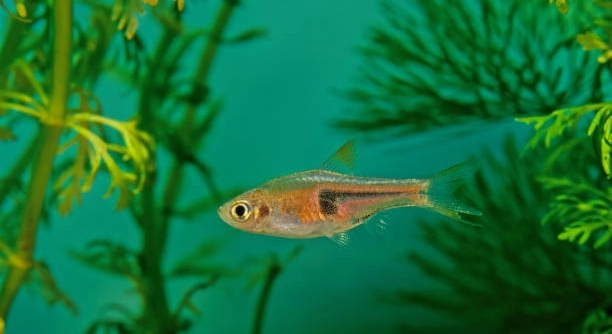
Juvenile rasboras are small, lively fish that brighten any freshwater aquarium. Observing them closely reveals subtle traits that can help distinguish one species from another, even at a young age. Many hobbyists enjoy spotting these differences daily.
The seven most noticeable visual differences in juvenile rasboras include body shape, coloration patterns, fin size, eye prominence, stripe presence, tail markings, and overall size. These characteristics are reliable indicators for identifying species before maturity and assist in proper care and tank management.
Learning these differences can improve your ability to care for them properly. Recognizing each trait ensures healthier fish and a more vibrant aquarium display.
Body Shape Variations
Juvenile rasboras show noticeable differences in body shape that can help identify their species. Some have elongated, slender bodies, while others appear more rounded or slightly compressed from the sides. These differences may seem minor at first, but they become clearer with careful observation. The way a fish swims can also indicate its body type. Slender-bodied rasboras tend to move quickly and dart around the tank, while rounder types swim more slowly and gracefully. Observing their posture and swimming patterns helps distinguish one type from another early on. Even subtle differences in head shape and fin placement contribute to overall body perception. Monitoring these traits is useful for matching tank mates, as fish with similar body types often share similar swimming habits. Over time, these variations become more pronounced, providing reliable visual cues for identification. Consistency in observing young fish can help track growth patterns and recognize each species accurately.
Body shape is an easy initial way to differentiate juvenile rasboras. Paying attention to posture and swimming can reveal distinct species traits.
Identifying rasboras by body shape helps ensure proper tank management and pairing. Fish with compatible swimming styles are less likely to compete aggressively for space. Additionally, recognizing species-specific growth patterns allows caretakers to anticipate size differences, which is important for feeding and habitat planning. By focusing on these early traits, it becomes easier to provide a suitable environment that promotes healthy development. Observing their movements and shapes daily strengthens your understanding of each type’s characteristics, making future identification simpler and more accurate.
Coloration Patterns
Coloration patterns vary widely among juvenile rasboras, offering a key way to identify species. Short stripes, spots, or even subtle gradients along the body provide important clues.
The color intensity and placement often change as fish mature, but early patterns remain consistent enough for identification. Juveniles may display faint markings that grow bolder over time. Different species may have unique hues, ranging from silver and gold to deep reds or blues. Environmental factors, like lighting and diet, can slightly influence coloration, but the general pattern remains a reliable marker. Observing juveniles in natural or well-lit aquarium conditions ensures accurate recognition of these traits. Tracking color changes over the first few weeks can help distinguish species that otherwise look similar. Careful documentation or photos can be valuable for comparison, especially when raising multiple types in the same tank.
Distinct coloration helps identify juvenile rasboras early and improves management in mixed-species tanks.
Recognizing these patterns supports proper care, tank compatibility, and feeding strategies. Each species’ markings provide insight into growth habits, potential adult appearance, and behavior. Understanding the nuances of color variations allows caretakers to anticipate changes as fish develop, ensuring they maintain optimal conditions. Juveniles with similar patterns may share dietary needs, while contrasting patterns indicate different species that could require separate attention. Observing subtle changes helps prevent misidentification and encourages attentive care. Documenting their appearance helps track growth and ensures accurate identification over time, fostering a healthy, vibrant aquarium.
Fin Size Differences
Fin size varies noticeably among juvenile rasboras and helps in distinguishing species. Some have long, flowing fins, while others display short, compact fins that suit faster swimming. Observing fin proportions early provides clear identification cues.
Larger fins often indicate species that swim more slowly and use graceful movements, while smaller, compact fins support rapid bursts of speed. The dorsal, pectoral, and caudal fins each contribute to overall swimming style and body balance. Watching how juveniles maneuver around plants or decorations highlights these differences. Species with elongated fins may struggle in strong currents, whereas those with shorter fins adapt better to rapid movement. Tracking fin development over weeks can clarify subtle differences.
Fin size also affects social behavior and territorial interactions. Fish with longer fins may appear more prominent, affecting dominance in small groups. Recognizing these variations early allows proper tank arrangement and avoids overcrowding issues. Consistent observation ensures accurate species identification and healthier interactions.
Eye Prominence
Eye prominence differs across juvenile rasboras, with some species displaying larger, more noticeable eyes relative to body size, while others have smaller, subtle eyes. This feature aids in distinguishing young fish.
Larger eyes are often associated with species that rely more on visual cues for foraging and navigation, while smaller eyes indicate species adapted to calmer environments or shaded areas. Eye placement can also vary, influencing the fish’s field of vision and alertness to movement. By observing juveniles in different lighting and tank setups, subtle differences become easier to spot. Documenting these traits can help track growth and confirm species identity.
Eye prominence affects feeding patterns and responsiveness. Fish with larger, forward-facing eyes may react quickly to food or potential threats, while species with smaller eyes often rely on other senses. Understanding these visual differences is important for providing appropriate tank conditions and ensuring successful feeding routines. It also helps avoid misidentifying species that appear similar in body shape or color but differ in eye structure.
Stripe Presence
Stripe patterns vary among juvenile rasboras. Some show bold, continuous stripes along their bodies, while others have broken or faint lines that barely appear at first.
These stripes can indicate species and may become more distinct as the fish grows. Observing early patterns helps identify juveniles accurately before colors fully develop.
Tail Markings
Tail markings are often unique to each species. Spots, bands, or color gradients on the caudal fin can distinguish juveniles that otherwise appear similar. Early attention to these markings allows for accurate identification and proper care in a mixed-species tank.
Overall Size
Juvenile rasboras differ slightly in size, even within the same age group. Some species grow faster or appear larger due to body structure, while others remain smaller and more compact. Size observation complements other visual traits for identification.
Subtle Color Hues
Juvenile rasboras often display faint color hints not immediately obvious. These subtle hues, such as pale reds, silvers, or blues, provide clues to species differences and help in recognizing variations early.
FAQ
How can I tell juvenile rasboras apart from each other?
Juvenile rasboras can be distinguished by observing several visual traits together. Body shape, coloration patterns, fin size, eye prominence, stripe presence, tail markings, and overall size all provide useful clues. Looking at multiple traits instead of relying on one makes identification more accurate. Watching their swimming style, posture, and how they interact in the tank adds extra context. Keeping notes or photos of each juvenile over time can help track growth and pattern changes. Consistent observation is key because small details often become clearer as they develop.
Do juvenile rasboras’ colors change as they grow?
Yes, colors in juvenile rasboras often intensify and shift as they mature. Early markings may be faint or slightly different from adult coloration. For instance, stripes may become more defined, and subtle body hues can deepen. Environmental factors such as lighting, water quality, and diet can influence these changes, but species-specific patterns remain largely consistent. Monitoring juveniles in a well-lit aquarium helps in identifying these color developments. Documenting growth with photos or notes ensures you can compare changes over time, preventing misidentification between similar species.
Are there specific traits that are easiest to spot early?
Body shape and stripe presence are usually the easiest traits to notice in juvenile rasboras. Even slight differences in body length, width, and curvature can provide identification clues. Stripes and fin shapes are also helpful because they tend to appear early and remain visible as the fish grows. Eye size is another noticeable feature. Observing fish in motion often makes these traits more obvious than when they are still. Combining these traits with tail markings or subtle color hints increases accuracy in distinguishing species.
Does fin size affect their swimming abilities?
Yes, fin size directly impacts swimming style. Juvenile rasboras with larger, flowing fins tend to move gracefully but may be slower and less agile in currents. Fish with smaller, compact fins swim faster and can maneuver quickly, which suits active or crowded tanks. Observing fin use during feeding and play can reveal how each species interacts with the environment. Understanding these differences allows better tank planning, ensuring species with longer fins aren’t placed in strong currents or near overly active fish that may stress them.
Can environmental conditions change their appearance?
Environmental conditions can slightly influence juvenile rasboras’ appearance. Lighting affects how colors are perceived, while diet impacts vibrancy and health. Water quality influences growth, fin condition, and overall body shape. However, species-specific traits such as stripe patterns, tail markings, and eye prominence remain consistent regardless of environment. Providing stable, clean water and balanced nutrition helps juveniles develop true traits, making identification easier. Tracking their environment alongside visual traits ensures that observed differences are due to species rather than temporary changes caused by stress or poor conditions.
How long does it take for these visual differences to become obvious?
Visual differences in juvenile rasboras can be noticeable within the first few weeks, but traits become clearer as the fish grow. Body shape and stripe patterns usually appear first, followed by fin size, tail markings, and subtle color hues. Observing their development over several weeks helps confirm species identification. Patience is important, as some characteristics, such as color intensity or fin length, may take longer to fully develop. Regular observation and documentation of each juvenile ensure accurate recognition and reduce confusion between similar-looking species.
Is it necessary to separate species while they are young?
Separating juvenile rasboras is not always required, but it can be helpful for monitoring growth and ensuring accurate identification. Some species may outcompete others for food, and crowded conditions can make subtle visual differences harder to notice. Using visual markers like fin shape, stripes, and tail patterns can help identify each juvenile without immediate separation. If you plan to keep multiple species together long-term, careful observation during the juvenile stage can prevent misidentification and ensure each species receives proper care and feeding.
Can I rely solely on size to identify species?
Size alone is not reliable for species identification. While some juvenile rasboras grow slightly faster or remain smaller, size overlaps can occur between species. Combining size observations with other traits—such as body shape, stripes, fin proportions, eye prominence, and tail markings—provides a much more accurate identification. Monitoring growth patterns alongside visual features gives a complete picture, making it easier to distinguish species even when juveniles appear similar in size.
Do diet or feeding habits influence their visual traits?
A proper diet supports healthy growth and vibrant colors but does not change species-specific traits. Nutritional deficiencies can dull colors, weaken fins, or slow growth, making identification more difficult. Providing a balanced diet ensures that visual characteristics like stripes, tail markings, and fin size develop properly. Observing feeding behavior can also give insight into activity levels and social dynamics, which complements visual identification. Consistent care during the juvenile stage helps display true traits, making it easier to distinguish each species accurately.
How can I track and remember these differences effectively?
Using photos, notes, or charts is the most effective way to track juvenile rasboras. Recording traits like body shape, fin size, stripes, and tail markings over time helps monitor development. Observing each fish under consistent lighting ensures accurate comparisons. This record-keeping simplifies identification, especially when raising multiple species together, and prevents confusion as patterns and colors mature.
Juvenile rasboras are small fish with a lot of subtle differences that become more noticeable over time. Observing traits like body shape, fin size, coloration patterns, eye prominence, stripe presence, tail markings, and overall size helps distinguish species from each other. Paying attention to these details from an early stage allows you to identify fish accurately and provide proper care. Even small variations can indicate which species a juvenile belongs to, so careful observation is important. Keeping a close eye on these traits also helps prevent mistakes when raising multiple species together, ensuring each fish has the right environment and tank mates. Documenting changes over time can make identification easier, especially for those that look similar at first.
Coloration patterns and subtle hues are often the most helpful indicators. While colors may deepen or change slightly as the fish grow, early markings usually remain consistent enough to provide reliable identification. Stripe patterns, tail markings, and body highlights give clues that are visible even when other traits are less developed. Fin size and shape also play a significant role in distinguishing species. Larger fins often indicate a species that swims gracefully and more slowly, while smaller fins allow for quick bursts of movement. Eye prominence can further help identify juveniles, as some species have larger, more noticeable eyes relative to body size. Paying attention to these features over the first few weeks helps track growth and ensures you can differentiate each species accurately before they mature.
Observing juvenile rasboras closely also supports better tank management. Recognizing traits like swimming style, size differences, and fin proportions helps arrange tank mates effectively and reduce stress among fish. Proper identification allows for species-specific feeding, maintaining water quality, and creating environments that suit each type. Being consistent with observation and care ensures juveniles develop healthily and display their natural traits clearly. Taking notes, using photos, or keeping a chart of each juvenile’s characteristics can make this process more organized. Understanding and tracking these visual differences not only improves identification but also enhances the overall health, growth, and vibrancy of your aquarium. Over time, you develop a stronger connection with your fish and a deeper understanding of their unique needs and behaviors.

Hello,
If you enjoy the content that we create, please consider saying a "Thank You!" by leaving a tip.
Every little bit helps us continue crafting quality advice that supports the health, happiness, and well-being of pets around the world, for pets of all shapes, sizes, and species.
We really appreciate the kindness and support that you show us!