
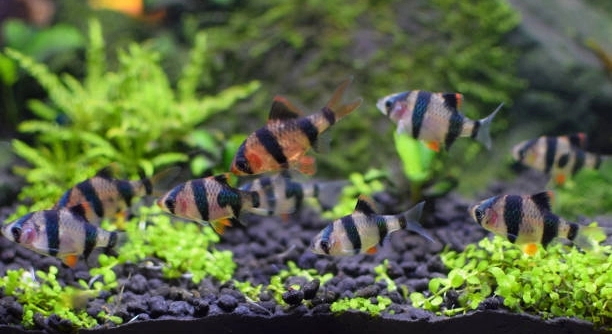
Have you ever watched a group of tiger barbs swimming together and wondered how they manage to stay so synchronized and alert?
Tiger barbs rely on a variety of visual cues to maintain coordination and social structure within their schools. These cues include body coloration, fin movements, swimming speed, orientation, body posture, eye contact, and spacing, all of which help manage group dynamics.
Understanding these visual behaviors can help you better care for your tiger barbs and create a more natural and stress-free aquarium environment.
Body Coloration Signals
Tiger barbs use body coloration as a key way to communicate within their school. Bright, bold stripes signal health, dominance, and readiness to interact. Faded colors can suggest stress or submission, often helping avoid aggressive encounters. When a dominant fish darkens its stripes, it often discourages challenges from others. Color changes may also reflect environmental conditions, like poor water quality or temperature shifts, which can affect the school’s overall behavior. Observing these changes helps fish adjust their movement or distance. This subtle form of visual communication supports group balance, especially during feeding times or when exploring new areas of the tank.
Color cues often appear early in the hierarchy process. A paler fish may back away from the group, keeping a calm atmosphere.
If you keep tiger barbs, it’s useful to monitor their stripes for clues about health and stress. Sudden fading or intensifying can help you identify issues before they grow.
Fin Movement and Position
Fin movement helps tiger barbs express mood and intention. Raised fins can signal alertness or aggression, while slow, relaxed movements indicate calm.
Fin gestures also play a role in maintaining schooling structure. A quick flick may signal a shift in direction or warn others of a perceived threat. This form of visual signaling is especially useful when tiger barbs swim in dense schools where vocal or chemical communication would be slower. In competitive moments—like feeding—sharp fin movements may deter others from approaching. These interactions happen constantly but are often overlooked by casual observers. Studying fin position and speed can reveal a lot about how a tiger barb feels in its environment. A fish that consistently holds its fins low or tucked may be stressed or unwell. Meanwhile, energetic, upright fins often point to a fish feeling secure and engaged. In group settings, balanced fin movement across the school helps create flow and stability.
Swimming Speed and Rhythm
Swimming speed helps tiger barbs coordinate their movement and avoid confusion in the group. When one fish speeds up or slows down, others quickly follow, maintaining a smooth flow within the school. This pacing prevents collisions and helps them react faster to threats.
Tiger barbs naturally mirror each other’s rhythm. When one changes pace, others match it almost instantly. This creates a ripple effect that keeps the school organized. During feeding, faster swimmers may briefly break formation, but the group quickly regroups once the food is gone. If a fish lags or swims erratically, it may be unwell or stressed, which the others notice. Healthy schools show synchronized swimming with even spacing and gentle adjustments. Speed changes are one of the simplest and most reliable ways tiger barbs stay together in both calm and active moments.
Watching how your tiger barbs swim tells you a lot. If they move as one group with smooth, even rhythm, it’s a sign they feel secure. But if they scatter easily, hesitate, or struggle to keep pace, it may be due to stress or illness. Schooling behavior relies on this constant back-and-forth adjustment, with swimming speed being one of the main tools they use to stay connected.
Orientation and Directional Cues
Tiger barbs rely on orientation to maintain school structure. When one fish shifts direction, the rest respond quickly. This movement creates order and helps the group stay alert to changes in the environment.
Orientation is often led by a dominant or confident fish. Its movements guide the rest, especially when exploring or avoiding threats. Others follow the lead fish’s angles, maintaining a tight, circular or linear pattern. A shift in orientation can signal danger or a need to regroup. In stable tanks, barbs often swim in a slight arc, using visual tracking to keep their place. When a fish turns sharply or lingers at an angle, others adjust within seconds. This system allows for fluid group changes without conflict. Watching these patterns closely can reveal signs of unease or illness in a single fish, as its orientation will often break from the group first, signaling a change in behavior or condition.
Body Posture and Alignment
Tiger barbs use body posture to show their mood and alert others. A straight, level posture signals calmness, while a tilted or lowered body can reflect fear or submission. Small shifts help them stay organized in the school.
In tense moments, fish may stiffen or tilt slightly to warn others. This alerts the school without causing chaos. Posture changes are fast but clear, helping the group stay in sync and avoid sudden panic or confusion.
Eye Contact and Awareness
Eye contact between tiger barbs is brief but meaningful. They use it to gauge each other’s intent and avoid unnecessary aggression. A direct look may signal a challenge, while avoidance helps maintain peace in the group. These quick glances keep social interactions smooth and reduce stress during daily movement and feeding.
Spacing and Group Balance
Tiger barbs rely on consistent spacing to avoid bumping into one another and to maintain structure. When one fish shifts closer or pulls away, the group adapts instantly. Balanced spacing helps prevent tension and supports group harmony.
FAQ
How can I tell if my tiger barbs are communicating visually?
Tiger barbs use small, visible actions to send signals to each other. Look for color changes, synchronized movements, and sudden shifts in speed or direction. Raised fins or quick glances are other signs they are interacting. If your fish are schooling tightly, adjusting smoothly to one another, and avoiding bumping or chasing, they’re likely communicating effectively. Erratic or isolated behavior from one fish may signal a breakdown in this communication or an issue with the tank environment.
Why do my tiger barbs sometimes chase each other?
Chasing is usually a display of dominance or part of social bonding. Males often chase to establish territory or pecking order, especially in small tanks or during feeding. It can also be playful or harmless in healthy schools. However, if the chasing becomes aggressive—causing torn fins or constant hiding—it may mean your tank is overcrowded or lacking enough hiding spots. A school of six or more can help reduce bullying, as the attention gets spread out across the group.
What does it mean when a tiger barb’s colors fade?
Faded coloration often signals stress, illness, or submission. A fish with dull stripes may be responding to poor water conditions, sudden lighting changes, or social pressure from more dominant fish. It can also happen at night when the fish rest, which is normal. If colors remain dull during the day, test your water, observe interactions, and check for signs of injury or disease. Restoring stable conditions usually helps their colors return.
Do tiger barbs always swim in schools?
Yes, tiger barbs are natural schooling fish. They feel safer and more confident when in groups. A group of at least six is recommended, as smaller numbers often lead to stress and aggressive behavior. In a proper school, they move together, match each other’s speed, and maintain spacing. If your tiger barbs are scattered or one is constantly alone, it might be sick or stressed. A strong school will show tight, coordinated movement and regular social behavior like following and mirroring.
Why do tiger barbs suddenly scatter when I walk by?
Sudden movements outside the tank can startle them. Tiger barbs are alert to changes in their environment and may see fast shadows or movement as threats. This instinctive response helps them avoid predators in the wild. They typically regroup quickly once they feel safe again. If this happens often, try adjusting tank lighting, avoiding tapping on the glass, and moving more slowly near the tank. Over time, they will become more used to your presence and react less.
Can visual cues help me tell which fish is dominant?
Yes, visual cues like body color, fin position, and posture can help you spot dominant fish. The dominant barb often displays darker, sharper stripes, moves confidently at the front of the school, and may initiate small chases. It also holds its fins more upright and maintains more central positioning in the group. Watching these signs over several days can help you identify the leader. Dominant fish usually help maintain order in the school but may become aggressive if the group is too small.
How does tank setup affect visual communication in tiger barbs?
A well-designed tank supports better visual interaction. Clear, open swimming space allows fish to see each other and move easily. Proper lighting helps them display their colors and read visual signals. Plants and hiding spots give fish a place to retreat and lower stress, which encourages more natural behavior. Overcrowding or poor layout may block visibility, leading to confusion or increased aggression. A clean, balanced tank lets tiger barbs use their visual cues clearly and stay in sync.
What signs show that visual communication is breaking down?
Signs include erratic swimming, frequent aggression, isolation, or uneven coloring. If tiger barbs stop schooling, chase each other constantly, or show stress signs like clamped fins, they may be misreading each other’s signals. Causes can include illness, changes in water quality, or too few fish in the group. By correcting the tank conditions or increasing the school size, visual communication often returns. Observing their daily behavior helps catch these problems early before they lead to injury or illness.
Final Thoughts
Tiger barbs are active, social fish that rely heavily on visual cues to interact, stay organized, and feel safe. From body color to swimming rhythm, each behavior has a clear role in maintaining balance within their school. These cues allow them to move together smoothly, respond to changes, and avoid conflict. As a fishkeeper, paying attention to these details can help you understand their needs better. If something seems off—like dull colors or sudden isolation—those visual signs may be your first clue that something in the tank needs adjusting.
Creating the right environment supports healthy schooling and better communication. This means giving them enough space to swim, keeping a group of at least six, and making sure the water conditions stay stable. Tank design also plays a role. Open swimming areas and gentle lighting make it easier for your tiger barbs to use their visual signals clearly. Hiding spots, on the other hand, offer places to rest and reduce tension when needed. These small choices help promote natural behavior, reduce stress, and keep your school active and peaceful.
Watching tiger barbs interact can be both relaxing and educational. Their quick glances, careful spacing, and synchronized swimming are signs of a healthy group working together. These little moments are easy to overlook, but they say a lot about how your fish are feeling. Understanding their visual communication doesn’t just improve their care—it also gives you a deeper connection with your tank. By observing these simple cues, you’ll become more confident in spotting changes and making adjustments that help your fish thrive.

Hello,
If you enjoy the content that we create, please consider saying a "Thank You!" by leaving a tip.
Every little bit helps us continue crafting quality advice that supports the health, happiness, and well-being of pets around the world, for pets of all shapes, sizes, and species.
We really appreciate the kindness and support that you show us!