
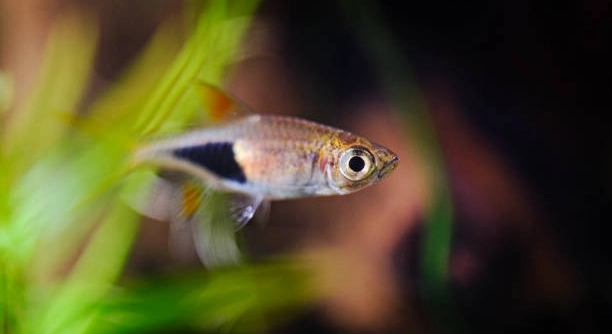
Rasboras are small, active fish often kept in home aquariums. They bring color and movement to tanks but can sometimes show signs of stress. Recognizing these signs early helps maintain their health and well-being.
Visual cues of stress in rasboras include faded colors, clamped fins, erratic swimming, loss of appetite, hiding, rapid gill movement, and lethargy. These signs indicate environmental or health problems that require prompt attention to prevent further harm.
Knowing these cues allows you to take action before stress worsens, ensuring your rasboras stay vibrant and healthy in their environment.
Faded Colors
Faded colors are often the first visible sign that a rasbora is under stress. Normally, these fish display vibrant hues that brighten the tank. When their colors begin to dull or appear washed out, it indicates discomfort or poor health. This change can be caused by water quality issues, such as high ammonia or nitrate levels, or by insufficient lighting. Stress from overcrowding or incompatible tank mates can also contribute to color loss. Paying attention to lighting and maintaining clean water are essential to help rasboras keep their natural appearance. Regular water testing and tank maintenance prevent conditions that dull their colors. If you notice fading, it’s important to check all these factors promptly to avoid further stress or illness.
Faded colors signal that your rasbora may need immediate care to improve its environment or health conditions.
Monitoring and adjusting water parameters, along with ensuring proper tank setup, supports the recovery of your rasbora’s vibrant colors. Sometimes, slight changes in diet with added vitamins also help restore brightness.
Clamped Fins
Clamped fins appear when a rasbora holds its fins close to its body instead of spreading them naturally. This behavior suggests discomfort or illness. It can result from poor water quality, temperature stress, or bacterial infections. Clamped fins reduce the fish’s ability to swim effectively, which may lead to further stress or injury. Ensuring a stable environment with consistent temperature and clean water is critical. Avoid sudden changes in the tank conditions, as rasboras are sensitive to shifts in pH or temperature. Regular observation of your fish helps detect this sign early. If clamped fins persist, it may require treatment or changes in the tank setup to improve the fish’s condition and prevent worsening health.
Erratic Swimming
Erratic swimming often signals that a rasbora is stressed or uncomfortable in its environment. This behavior includes sudden darting, spinning, or floating uncontrollably.
This behavior usually results from poor water quality, low oxygen levels, or the presence of toxins. When the water parameters are off, rasboras struggle to swim properly. They may also react this way to sudden temperature changes or aggressive tank mates. Observing your fish closely can help you catch this issue early. Regular water testing and tank cleaning prevent such stress. Reducing stressors by providing hiding spots and a calm environment helps rasboras regain normal swimming patterns and improve their overall health.
Erratic swimming can also indicate illness, such as parasites or infections, which may require veterinary care or treatment with medication to restore the fish’s wellbeing.
Loss of Appetite
A stressed rasbora often refuses food, showing a clear loss of appetite. This behavior affects their energy and immune system, making them more vulnerable to disease.
Loss of appetite is commonly caused by poor water conditions or unsuitable tank environments. Changes in water temperature, pH imbalance, or the presence of harmful chemicals can make rasboras stop eating. Stress from overcrowding or bullying by other fish also reduces their willingness to feed. In some cases, underlying health problems like infections or parasites cause this issue. Monitoring water quality and maintaining a stable, clean tank environment is key. Providing a balanced diet with high-quality food supports their recovery and encourages feeding.
If appetite loss continues, it is important to isolate the affected fish and seek treatment options to prevent further health decline.
Hiding Behavior
Hiding is a common response when rasboras feel threatened or stressed. They seek shelter in plants, decorations, or corners of the tank to avoid perceived danger.
This behavior may also result from poor water quality or aggressive tank mates. Consistent hiding reduces their activity and feeding, which can worsen their health if prolonged.
Rapid Gill Movement
Rapid gill movement in rasboras usually indicates difficulty breathing or stress. It often signals low oxygen levels in the water or poor water conditions that affect respiration.
Poor aeration, high ammonia, or nitrite levels force fish to breathe faster. This condition requires immediate attention to improve water quality and oxygen availability.
Lethargy
Lethargy shows as reduced movement and energy in rasboras. Stressed or ill fish will often rest near the bottom or stay still for long periods.
This state often results from poor tank conditions, infections, or nutrient deficiencies. Monitoring these factors is vital to restore the fish’s normal activity and health.
What causes stress in rasboras?
Stress in rasboras is mainly caused by poor water quality, including high ammonia, nitrite, or nitrate levels. Sudden changes in temperature or pH can also disturb them. Overcrowding or aggressive tank mates may create a stressful environment. Lack of hiding places and improper diet contribute as well. These factors make rasboras vulnerable to illness and behavioral changes.
How can I improve water quality to reduce stress?
Regular water changes are essential to maintain clean water. Test the water frequently for ammonia, nitrites, nitrates, and pH levels. Using a good filtration system helps keep toxins low. Avoid overfeeding to prevent excess waste buildup. Make sure the tank is not overcrowded, and remove uneaten food promptly. Proper aeration ensures enough oxygen for your fish. All these steps create a stable environment that reduces stress.
Why do rasboras hide so much?
Hiding is a natural response to feeling threatened or insecure. If the tank lacks plants, caves, or decorations, rasboras may feel exposed and seek shelter constantly. Overcrowding or bullying by other fish forces them to hide more. Poor water quality can also make them less active and more likely to stay hidden. Providing ample hiding spots and reducing stressors encourages more normal behavior.
What should I do if my rasbora is showing clamped fins?
Clamped fins usually mean the fish is unwell or stressed. Check water parameters immediately for any issues. Keep temperature and pH stable. Isolate the affected fish if necessary to avoid spreading disease. Treat infections with appropriate medication based on symptoms. Improving tank conditions and reducing stress will help your rasbora recover its natural fin position.
How do I know if my rasbora has an illness or just stress?
Stress and illness share some signs, like clamped fins or loss of appetite. However, illness may include additional symptoms such as white spots, swelling, or unusual growths. If symptoms persist despite improving tank conditions, illness is likely. Consult a fish health guide or a veterinarian for accurate diagnosis and treatment.
Can diet affect rasbora stress levels?
Yes, a poor diet can weaken rasboras and make them more prone to stress and disease. Feed them a balanced diet with high-quality flakes, pellets, and occasional live or frozen foods. Avoid overfeeding to prevent water pollution. A nutritious diet supports their immune system and overall health, reducing stress.
How often should I test my aquarium water?
Testing the water once a week is generally recommended, especially for ammonia, nitrites, nitrates, and pH. More frequent testing may be needed if problems arise or after cleaning. Regular testing helps detect issues early, allowing quick adjustments to maintain a healthy environment.
What tank conditions are best for keeping rasboras stress-free?
Rasboras thrive in well-maintained tanks with stable temperature (around 72-78°F), neutral to slightly acidic pH (6.5-7.5), and clean water. Moderate lighting with plenty of plants and hiding spots is important. Keep tankmates peaceful and avoid overcrowding. Good filtration and aeration complete the ideal setup to minimize stress.
Is it normal for rasboras to sometimes be lethargic?
Short periods of low activity can happen, especially after feeding or during night cycles. However, prolonged lethargy signals stress or health problems. Constant lethargy reduces feeding and can worsen their condition. Check water quality and observe for other signs of illness to address the cause quickly.
How can I help a stressed rasbora recover quickly?
Start by improving water quality with partial water changes and testing parameters. Remove aggressive tankmates and add plants or decorations for hiding. Maintain stable temperature and feed high-quality food. If necessary, isolate the fish and consult treatment options for infections. Reducing all stressors allows the rasbora to regain health faster.
Understanding the visual cues that show rasbora stress is important for any fish keeper. These small fish rely heavily on their environment being stable and clean. When they display signs like faded colors, clamped fins, or erratic swimming, it usually means something in their tank needs attention. Stress can weaken their immune system and make them vulnerable to illness. Keeping an eye out for these signs helps prevent serious problems before they develop. Simple actions, such as maintaining good water quality, providing enough space, and creating hiding spots, go a long way in keeping rasboras healthy and happy.
Recognizing stress in rasboras is only the first step. Once you notice changes in behavior or appearance, it is essential to act quickly. Testing water parameters and adjusting as needed is one of the most effective ways to reduce stress. Sometimes changes in tank mates or improving diet also help. Stress can be caused by many factors, and often a combination of small adjustments improves the fish’s condition. Remember that rasboras are sensitive and need consistent care. Sudden changes or neglect can cause their health to decline rapidly, so regular monitoring is key.
Taking care of rasboras involves patience and attention to detail. These fish are beautiful additions to any aquarium, but their well-being depends on a stable and healthy environment. Stress indicators should not be ignored, as they give valuable information about the tank’s condition. Acting early and maintaining proper care routines prevents long-term problems. Over time, you will become more confident in recognizing and managing stress in your rasboras, helping them thrive in your aquarium.

Hello,
If you enjoy the content that we create, please consider saying a "Thank You!" by leaving a tip.
Every little bit helps us continue crafting quality advice that supports the health, happiness, and well-being of pets around the world, for pets of all shapes, sizes, and species.
We really appreciate the kindness and support that you show us!