
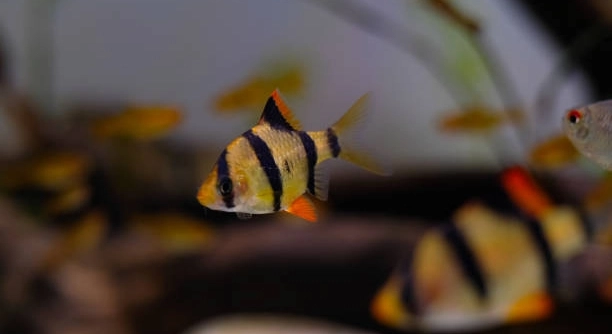
Barbs are small, active fish that often need clear signs to feel safe in their environment. Recognizing how they use visual cues can help owners provide a more secure habitat. Understanding these signals supports better care and well-being.
Barbs rely heavily on specific visual cues like hiding spots, group movement, lighting, and familiar surroundings to feel secure. These factors reduce stress by mimicking natural conditions and enhancing their sense of safety within the tank environment.
Knowing these visual signs can improve your barbs’ comfort and health. This article highlights seven important cues to watch for and apply in everyday aquarium care.
Hiding Spots and Shelter
Barbs feel more secure when they have places to hide in their tank. Natural hiding spots like plants, rocks, or decorations offer protection and reduce stress. These spots allow the fish to retreat when they feel threatened or overwhelmed. In a tank without enough shelter, barbs may become nervous or restless. Adding dense plants or caves can mimic their natural habitat, giving them a safe space to relax. It is important to balance hiding places with open swimming areas, so barbs don’t feel trapped. Watching how your barbs use these spots helps you understand their comfort level. A well-structured environment encourages natural behavior and promotes healthier fish overall. Simple additions like artificial plants or smooth rocks can make a big difference in how secure your barbs feel.
Having enough shelter lowers aggression among barbs by giving each fish a private space. This reduces stress for the entire group.
Barbs naturally live in environments full of plants and crevices. When they find these in an aquarium, they feel protected from predators and less vulnerable. This reduces their stress and improves their immune system. Without hiding spots, barbs may show signs of anxiety like constant darting or hiding at the tank’s bottom. To create a secure setting, it helps to use tall plants and uneven terrain. This setup allows barbs to explore while always having a nearby refuge. Observing your barbs’ interaction with these areas can guide you in adjusting the tank layout to their needs. Overall, shelter is key for their mental and physical well-being.
Group Movement and Schooling
Barbs feel safer when swimming with others of their kind.
Schooling behavior reduces fear and improves social bonds. When barbs swim closely, they create a sense of security through shared movement. This natural behavior helps them detect threats and stay calm. It also reduces stress and prevents loneliness, which can negatively affect their health. Keeping barbs in groups of at least five encourages schooling. Smaller groups may cause anxiety or aggression. Watching how your barbs interact shows if they feel secure together. A healthy school swims in harmony, changes direction smoothly, and stays close. Encouraging this behavior helps maintain their natural instincts and overall happiness in the tank.
Lighting and Tank Brightness
Proper lighting helps barbs feel safe in their tank. Too bright or too dim lighting can stress them out, while moderate lighting mimics their natural environment.
Barbs come from habitats where light filters through plants and water, creating a balanced brightness. Harsh or constant bright light can cause them to hide excessively or become restless. On the other hand, very low light may make them feel vulnerable, leading to less activity and poorer health. Adjusting tank lighting with timers and dimmers can create a natural day-night cycle, supporting their internal rhythms. Using floating plants or shaded areas helps soften intense light, giving barbs options to move between bright and shaded spaces. This variety lets them control how much light they experience and feel more secure.
A well-lit tank improves barbs’ colors and encourages natural behavior. It also helps you observe their health and interactions better. Choosing lighting that matches their needs keeps them calm and active, which is essential for a thriving aquarium.
Familiar Surroundings and Consistency
Barbs rely on stable environments to feel secure. Frequent changes to the tank setup or water conditions cause stress. Keeping the tank consistent with regular maintenance and minimal rearrangement supports their well-being.
Sudden moves or changing decorations often confuse barbs. They depend on familiar landmarks to navigate and establish territory. Consistent water temperature, pH, and cleanliness reduce stress and illness. Changing too many factors at once disrupts their sense of safety. Maintaining a predictable routine with feeding times and environment care builds trust and stability. This helps barbs settle into a calm, secure state. Observing their behavior after adjustments can show how well they adapt and if changes are too abrupt. Stability in surroundings creates an environment where barbs can thrive with less anxiety.
Color and Contrast
Barbs respond well to color contrasts in their environment. Bright or bold colors can either attract or frighten them depending on the shade and placement.
Using natural colors like greens and browns helps barbs feel at ease. Sharp contrasts, such as bright decorations, may cause stress or distraction. Creating a balanced color scheme supports their comfort.
Movement and Flow in the Tank
Gentle water movement mimics natural streams where barbs live. Strong currents can tire them, while still water may cause boredom or discomfort. Adjusting flow helps barbs swim comfortably and feel secure in their environment.
Tank Size and Space
Providing enough room is vital for barbs’ security. Crowded tanks increase stress and aggression. A spacious tank allows natural swimming patterns and reduces conflicts among fish. This space improves their overall well-being and comfort.
What are the best hiding spots for barbs in an aquarium?
Barbs prefer dense plants, caves, and decorations that offer shelter. Live plants like Java fern and Anubias provide natural cover, while smooth rocks and ceramic caves give them safe places to retreat. Avoid sharp or rough decorations that could injure them. The goal is to create multiple hiding areas so each fish feels secure and can escape if needed. Mixing tall plants with low bushes helps replicate their natural environment. It’s also helpful to place hiding spots near open swimming areas so barbs don’t feel trapped.
How many barbs should I keep together for schooling behavior?
Barbs are social fish that feel safer in groups of five or more. Keeping fewer than five can make them nervous and stressed, as schooling is their natural way to avoid predators and stay calm. A larger group encourages smooth swimming and social interaction. It also reduces aggression since the attention is spread out. When introducing barbs, try to add the entire group at once to prevent bullying or isolation. Watching them swim closely together shows they are comfortable and secure.
What kind of lighting is best for barbs?
Moderate lighting that mimics natural daylight is best for barbs. Avoid very bright or constantly intense light, as it can stress them. Using a timer to create a day-night cycle helps keep their internal rhythms steady. Floating plants or shaded areas allow barbs to choose the light level they prefer. This reduces stress and encourages natural behavior. LED lights with adjustable brightness are a good choice. Be mindful of how your tank lighting affects both the fish and plants to keep balance.
How often should I change the decorations or layout in my barb tank?
It’s best to keep the tank layout stable. Frequent changes can confuse barbs and cause stress because they rely on familiar surroundings. Rearrange decorations only when necessary, like cleaning or replacing old items. When you do change things, do it gradually and observe how the fish react. Sudden shifts in their environment can make them hide more or act nervous. Consistency helps barbs feel secure and supports natural behavior patterns.
Why do barbs react to bright or bold colors in the tank?
Barbs can be sensitive to bright or unnatural colors. Bold decorations may seem threatening or distracting, making them stressed or skittish. Natural colors like greens, browns, and muted tones are more calming and resemble their natural habitat. Using soft contrasts allows barbs to feel safer and more comfortable exploring their tank. It’s good to avoid overly flashy ornaments that could cause agitation or hide signs of illness.
How important is water flow for barbs’ comfort?
Water flow is important because barbs come from flowing streams and rivers. Gentle movement helps keep them active and healthy. Strong currents can tire them out or cause stress. If your filter creates a strong flow, add plants or decorations to slow the current in some areas. This gives barbs spots where they can rest. Still water may lead to boredom and less exercise. Balancing flow supports their natural swimming habits and well-being.
Does tank size affect how secure barbs feel?
Yes, tank size plays a key role in their comfort and security. Overcrowding causes stress and increases aggression among barbs. Providing enough space for swimming and territory reduces conflicts and lets fish show natural behavior. A minimum of 20 gallons is recommended for a small group, with more space for larger schools. Proper tank size also improves water quality, which directly affects their health and sense of security.
Can barbs adapt to changes in their environment?
Barbs can adapt if changes are made slowly and carefully. Sudden shifts in water conditions, layout, or lighting may cause stress or hiding behavior. Gradual adjustments give barbs time to get used to new surroundings. Keeping key factors like water temperature and pH stable during changes is important. Monitoring their behavior after changes helps ensure they are adjusting well. A stable environment with occasional gentle updates supports their long-term security.
How do I know if my barbs feel secure in their tank?
Secure barbs swim actively, school smoothly, and explore their environment without hiding constantly. They show bright colors and engage with other fish. Signs of insecurity include excessive hiding, darting, aggression, or loss of appetite. Observing their daily behavior gives clues about their comfort. Providing hiding spots, proper lighting, and social groups helps maintain a secure and healthy environment. Regular care and attention to these cues will keep barbs feeling safe.
What are common signs of stress in barbs related to visual cues?
Stress signs include hiding for long periods, sudden changes in swimming patterns, and aggression toward tank mates. Barbs may also lose color or stop eating. These behaviors often occur if the environment lacks proper shelter, has poor lighting, or if the group size is too small. Changes in tank layout or strong water flow can also cause stress. Identifying these signs early and adjusting the environment can help barbs return to a calm and secure state quickly.
Creating a secure environment for barbs is essential to their health and happiness. These fish rely on many visual cues to feel safe, including hiding spots, lighting, and the presence of their schoolmates. Paying attention to these details helps reduce their stress and encourages natural behavior. When barbs feel secure, they are more active, show better colors, and are less likely to develop health problems. A well-maintained tank that meets their needs promotes a peaceful and balanced aquarium where barbs can thrive.
Providing the right balance between open space and shelter is important. Barbs need room to swim freely but also require places to hide when they feel threatened. Natural decorations like plants and rocks create a comfortable environment that resembles their habitat in the wild. Keeping the tank lighting at moderate levels, with options for shaded areas, helps barbs control their exposure and feel more at ease. Consistency in tank layout and water conditions further supports their sense of security. By observing how barbs behave in response to these factors, owners can make adjustments that improve their comfort.
Understanding and responding to the visual cues that make barbs feel safe is a key part of responsible fish care. These cues include group movement, color contrasts, gentle water flow, and a stable environment. When these elements are in place, barbs display less fear and aggression, contributing to a healthier community tank. Taking time to create this kind of environment shows respect for the natural needs of barbs and results in a more enjoyable experience for both the fish and their caretakers. With patience and care, barbs can live vibrant, secure lives in home aquariums.

Hello,
If you enjoy the content that we create, please consider saying a "Thank You!" by leaving a tip.
Every little bit helps us continue crafting quality advice that supports the health, happiness, and well-being of pets around the world, for pets of all shapes, sizes, and species.
We really appreciate the kindness and support that you show us!