
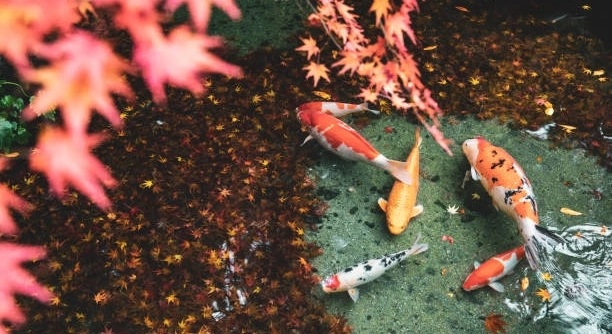
Koi ponds are peaceful spaces many enjoy, but overpopulation can quietly cause problems. Keeping an eye on the fish and their environment is important to maintain a healthy pond for all its residents.
Overpopulation in koi ponds can be identified through visual signs such as overcrowded swimming areas, increased fish aggression, cloudy water, excessive algae growth, stunted fish size, frequent fish illness, and a noticeable drop in water quality.
Recognizing these signs early helps you take steps to protect your pond’s balance and keep your koi thriving for years to come.
Overcrowded Swimming Areas
When koi ponds become too full, the fish have less room to swim freely. Overcrowding causes them to cluster tightly, often near the surface or corners. This limited space creates stress among the fish, which can lead to aggressive behavior. It also makes it harder for each fish to access food and oxygen. Over time, the pond environment suffers because waste accumulates faster than it can be broken down, affecting water quality. You might notice koi darting quickly or chasing each other more than usual, signs they are unsettled. Crowding reduces their ability to grow to full size and can weaken their immune systems. Keeping the number of koi appropriate for your pond size is essential for their health and well-being.
This is an early and obvious sign of overpopulation that should not be overlooked to prevent further pond issues.
Making sure your koi have enough space helps keep them calm, healthy, and less likely to develop diseases linked to stress and poor water quality.
Increased Fish Aggression
Fish in an overcrowded pond tend to compete more for limited resources like food and territory. This often results in aggressive chasing and nipping. Koi usually have peaceful temperaments, but overcrowding disrupts their natural behavior. You may notice fin damage or visible wounds from fights. Aggression stresses fish and leaves them vulnerable to infections. Over time, these injuries can affect their overall health and growth. It’s important to observe how your koi interact regularly. If aggression increases, it’s a strong indicator the pond population is too high. Managing the number of fish and providing hiding spaces can help reduce conflicts. In some cases, removing excess koi or expanding the pond are necessary steps to restore harmony and protect your fish.
Cloudy Water
Cloudy water is a common sign of overpopulation in koi ponds. It usually appears as a murky or milky haze that reduces water clarity.
This happens because excess fish produce more waste than the pond’s natural filters can handle. Uneaten food, fish waste, and decaying plant material build up, encouraging the growth of bacteria and algae. These microorganisms float in the water, making it look cloudy. Poor water quality stresses koi and can lead to health problems if not addressed quickly. Regular water testing and maintenance are necessary to keep the pond clean and balanced.
Maintaining proper filtration and limiting the number of fish helps reduce cloudy water. You can also perform partial water changes to improve clarity. Watching for these signs early keeps the pond environment safe and enjoyable for your koi.
Excessive Algae Growth
Algae growth increases rapidly when a pond has too many fish. The extra waste adds nutrients like nitrogen and phosphorus, which algae thrive on.
Algae can cover the pond’s surface or walls, blocking sunlight and reducing oxygen levels. This harms fish and aquatic plants by disrupting the balance of the pond ecosystem. Excessive algae also makes the pond look unattractive and can be slippery or smelly. Controlling algae means managing fish numbers, maintaining good filtration, and limiting direct sunlight exposure if possible.
Using algae-eating fish or plants can help naturally reduce algae growth. In severe cases, treatments or professional advice might be needed to restore the pond’s health. Regular monitoring keeps algae from taking over.
Stunted Fish Size
When koi are crowded, they often don’t grow as large as they should. Limited space and competition for food slow their development.
Poor water quality from overcrowding also affects their health, preventing normal growth and causing smaller, weaker fish.
Frequent Fish Illness
Overpopulated ponds create stress and lower water quality, which weakens koi immune systems. This makes them more vulnerable to diseases and infections.
Fish may show signs like lethargy, sores, or unusual behavior. Prompt action is needed to prevent outbreaks and keep the pond healthy.
Noticeable Drop in Water Quality
Water quality worsens quickly when too many koi share the pond. Ammonia and nitrate levels rise from excess waste.
Regular testing helps catch these changes early before they harm your fish.
How do I know if my koi pond is overpopulated?
Signs like crowded swimming spaces, increased aggression, cloudy water, algae overgrowth, stunted fish, frequent illness, and poor water quality usually point to overpopulation. Observing these changes helps you catch problems early and take action before serious damage happens to your pond and fish.
What happens if I don’t address overpopulation in my koi pond?
Ignoring overpopulation leads to stressed and sick fish, water quality deterioration, and possible fish deaths. Overcrowding causes waste buildup and reduced oxygen, creating a harmful environment. Without intervention, your koi’s health will decline, and the pond’s ecosystem may collapse, making recovery more difficult.
How can I reduce the number of koi in my pond?
You can either rehome some fish by giving them to other pond owners, pet stores, or local clubs. Another option is building or expanding a secondary pond. Reducing feeding amounts temporarily may help control growth, but removing fish is the most effective method to relieve overcrowding.
Can adding plants help with overpopulation problems?
Yes, aquatic plants improve water quality by absorbing excess nutrients, which reduces algae growth. Plants also provide shelter and hiding spots, lowering fish stress and aggression. However, plants alone won’t solve overpopulation; they work best combined with proper fish management.
How often should I clean and maintain my koi pond?
Regular maintenance depends on pond size and fish number, but weekly checks are ideal. Clean filters monthly and remove debris often. Partial water changes every two weeks help keep water fresh. Frequent testing for ammonia, nitrites, and nitrates prevents water quality issues.
Is it normal for koi to fight sometimes?
Koi are generally peaceful, but occasional chasing happens during feeding or breeding seasons. Frequent or severe fighting usually signals overcrowding or stress. Reducing fish numbers and adding hiding places can help calm the pond and protect injured fish.
What’s the ideal number of koi for a pond?
A common rule is one koi per 250 gallons of water, but factors like pond shape, filtration, and plant cover affect this. Overcrowding risks increase with smaller ponds or weak filtration. It’s better to keep fewer fish and upgrade your pond system as needed.
How can I improve my pond’s filtration to handle more fish?
Upgrading to a larger or more efficient filter helps remove waste faster. Adding a biological filter boosts beneficial bacteria that break down ammonia and nitrites. Regularly cleaning filter media and ensuring good water flow support overall water quality.
Can overfeeding contribute to overpopulation problems?
Yes, excess food increases waste and feeds algae growth, worsening water quality. Feed koi only what they can eat in a few minutes, once or twice daily. Proper feeding limits pollution and keeps your pond healthier even with many fish.
What signs mean it’s time to reduce my koi population?
If you notice consistent overcrowding behavior, poor water clarity, frequent algae blooms, stunted fish growth, or recurring illness, it’s time to act. These symptoms show the pond can’t support the current fish load safely.
Are there fish species that help control algae in an overpopulated pond?
Some fish, like plecos or certain types of algae eaters, can help reduce algae naturally. However, adding too many fish worsens overcrowding, so balance is key. Use algae-eaters as part of an overall pond management plan, not a sole solution.
What should I do if water testing shows high ammonia or nitrites?
High ammonia or nitrites are toxic to koi and indicate poor filtration or overcrowding. Perform immediate partial water changes to dilute toxins. Check and clean your filter, reduce feeding, and consider removing some fish to lower waste levels.
How do seasonal changes affect koi pond overpopulation issues?
In warmer months, koi metabolism increases, producing more waste and stressing filtration. Algae grow faster too. Winter slows fish activity and waste production but requires care to maintain oxygen. Adjust maintenance routines with seasons to support pond balance year-round.
Can adding aeration improve conditions in an overcrowded koi pond?
Aeration increases oxygen levels, helping fish breathe and supporting beneficial bacteria. This reduces stress and improves water quality. Adding air stones or fountains can help, but aeration alone won’t fix overpopulation without reducing fish numbers.
Is it better to buy fewer koi at once to avoid overpopulation?
Starting with fewer koi is wise, especially if you’re new to pond keeping. It’s easier to maintain water quality and fish health with a smaller group. You can always add more fish later if the pond system supports them. Planning prevents many common problems.
How do I safely move koi if I need to reduce the population?
Use a clean, soft net and handle fish gently to avoid injury. Transport koi in a container with pond water and keep it shaded. Avoid sudden temperature changes. Quarantine fish if moving them to a new pond to prevent spreading diseases.
Can stress from overcrowding affect koi color and behavior?
Yes, stressed koi often lose their vibrant colors and become lethargic or hide more. Aggression and erratic swimming may increase. Reducing overcrowding helps koi regain their natural beauty and calmer behavior.
What are some natural ways to improve pond water quality besides reducing fish numbers?
Regularly adding aquatic plants, using beneficial bacteria supplements, performing partial water changes, and controlling feeding can all improve water quality. Good filtration and aeration also support a healthier environment alongside population control.
How can I balance fish population growth over time?
Monitor koi growth and health regularly. Avoid overfeeding and remove excess fish if numbers rise too quickly. Breeding control and proper pond management ensure the population remains stable and sustainable. Keeping records helps track changes and plan ahead.
Final Thoughts
Keeping a koi pond balanced takes attention and care. Overpopulation is a common issue that affects the health of your fish and the overall pond environment. Watching for clear signs like crowded swimming, aggression, cloudy water, and stunted growth can help you spot problems early. When you notice these signs, it’s important to act quickly to avoid bigger challenges. Maintaining the right number of koi ensures they have enough space, food, and oxygen to thrive. It also helps keep the water clean and reduces the risk of disease.
Proper pond maintenance is essential in preventing overpopulation problems. This includes regular cleaning, good filtration, water testing, and feeding the right amount. Sometimes, the best solution is to reduce the number of fish to match the pond’s size and filter capacity. Adding plants and aeration can also improve water quality and provide a better habitat for your koi. Being consistent with care and monitoring will keep the pond stable and healthy. Overpopulation can be managed successfully with simple, steady actions that protect your fish and the environment they live in.
Remember, a healthy koi pond doesn’t just look beautiful—it supports the wellbeing of every fish inside it. Keeping an eye on the pond’s conditions and responding to changes will make sure your koi stay strong and vibrant. Taking care of your pond means enjoying it for many years without worry. The balance between fish, plants, and water quality is key to a peaceful and thriving pond ecosystem.

Hello,
If you enjoy the content that we create, please consider saying a "Thank You!" by leaving a tip.
Every little bit helps us continue crafting quality advice that supports the health, happiness, and well-being of pets around the world, for pets of all shapes, sizes, and species.
We really appreciate the kindness and support that you show us!