
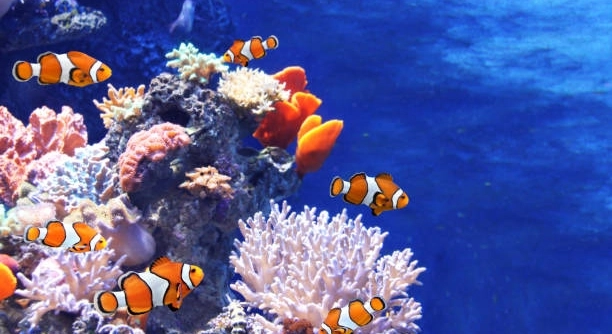
Clownfish are popular in home aquariums and often bring color and life to tanks. Watching their behavior can help owners know if they are healthy or under stress. Stress in clownfish affects their wellbeing and appearance.
Clownfish show stress through changes in color, erratic swimming, loss of appetite, hiding, rapid breathing, fin damage, and unusual aggression. These visual signs help identify when the fish are uncomfortable or facing environmental challenges.
Recognizing these clues early can improve care and prevent serious health problems in clownfish. Understanding what to look for is important for every fish owner.
Changes in Color
When clownfish become stressed, one of the first things you may notice is a change in their color. Their vibrant orange or bright patterns may dull or fade. This happens because stress affects their ability to maintain normal pigmentation. The fish might look paler or even develop dark patches. Stress can be caused by poor water quality, changes in tank conditions, or aggressive tank mates. It is important to keep the water clean and stable to prevent this. Watching for these color changes helps catch stress early before it leads to more serious health issues.
Color changes in clownfish are an early warning sign that something in their environment is not right.
Noticing these shifts in color can guide you to check water parameters or look for sources of stress. Acting quickly can help the fish recover and return to their bright, healthy state.
Erratic Swimming
Erratic swimming is a clear sign that a clownfish is feeling stressed or uncomfortable. This might include sudden darting movements, swimming in circles, or crashing against tank walls. Such behavior usually shows that the fish is trying to escape something stressful in its environment. It could be caused by poor water conditions, overcrowding, or illness. Watching your fish swim calmly and naturally is a good way to judge their health. When you see erratic movement, it’s time to inspect the tank carefully and consider what might be upsetting them.
Swimming behavior is one of the most visible signs of stress in clownfish.
Erratic swimming often leads to exhaustion and injury if left unchecked. Ensuring stable water conditions and giving your fish enough space can reduce stress and promote normal behavior. Adjusting tank mates and removing sources of aggression also helps. Consistent monitoring and care improve the fish’s comfort and health.
Loss of Appetite
Stress often causes clownfish to lose interest in food. A stressed fish may refuse to eat or eat much less than usual. This can quickly affect their health if not addressed.
Loss of appetite is a serious sign because it means the fish isn’t getting the nutrients it needs. Stress reduces their energy and weakens their immune system, making them more prone to illness. It’s important to check water quality and tank conditions when you notice this change. Feeding smaller amounts more often can help encourage eating while you solve the stress issue.
If your clownfish stops eating, keep an eye on other signs of stress or disease. Offer a variety of fresh foods to tempt their appetite. Sometimes, improving water conditions and reducing tank stressors will bring back their interest in food.
Hiding Behavior
Clownfish that feel stressed often hide more than usual. They may stay inside anemones or seek shelter in decorations. This behavior shows they are trying to avoid threats or discomfort.
Hiding is a natural response to stress, but when it becomes excessive, it can mean the fish feels unsafe or unwell. This can result from aggressive tank mates, poor water quality, or sudden changes in the environment. When clownfish hide constantly, they miss out on feeding and interacting, which can lead to further health decline. Observing the tank setup and fish behavior can help identify what’s causing this stress. Creating safe spaces and reducing aggression can encourage the fish to come out and behave normally.
Rapid Breathing
Rapid breathing in clownfish is a common sign of stress. It shows that the fish may be struggling to get enough oxygen or is reacting to poor water quality.
This fast gill movement can indicate discomfort or illness. It’s important to check water parameters like oxygen levels, ammonia, and nitrites.
Fin Damage
Damaged or torn fins are often a result of stress in clownfish. Stress weakens their immune system, making fins more vulnerable to injury or infections.
Poor water quality, aggressive tank mates, or rough handling can cause fin damage. Addressing these factors helps the fins heal and prevents further harm.
Unusual Aggression
Sometimes stressed clownfish become unusually aggressive. This change in behavior can upset other fish and create tension in the tank.
Aggression often stems from fear or discomfort, so improving tank conditions can reduce this behavior and help restore peace.
How can I tell if my clownfish is stressed?
You can tell if your clownfish is stressed by watching for certain visual signs. These include changes in color, erratic swimming, loss of appetite, hiding behavior, rapid breathing, fin damage, and unusual aggression. If you notice one or more of these signs, it usually means the fish is uncomfortable or facing a problem in its environment.
What causes stress in clownfish?
Stress in clownfish is most often caused by poor water quality, sudden changes in tank conditions, overcrowding, aggressive tank mates, or illness. Any change that disrupts their normal routine or environment can cause stress. It’s important to keep the tank clean, stable, and peaceful to reduce stress levels.
Can stress kill a clownfish?
Yes, prolonged stress can weaken a clownfish’s immune system, making it more likely to get sick or even die. Stress can lead to infections, disease, and poor growth. Early detection and correction of stressors are key to keeping your clownfish healthy and alive.
How do I improve water quality for my clownfish?
Improving water quality involves regular water changes, checking and adjusting pH levels, and removing harmful substances like ammonia and nitrites. Using a good filtration system and testing the water frequently can help maintain a healthy environment. Stable temperature and salinity are also important.
What should I do if my clownfish stops eating?
If your clownfish stops eating, start by checking water quality and tank conditions. Sometimes stress or illness causes loss of appetite. Try offering a variety of fresh or frozen foods in small amounts. Reducing stress by adjusting tank mates or environment can also help restore their appetite.
Is it normal for clownfish to hide sometimes?
Yes, clownfish naturally hide occasionally, especially in anemones or decorations. But if they hide constantly or avoid swimming in open areas, it may be a sign of stress or discomfort. Excessive hiding limits feeding and social behavior, which can harm their health.
How can I reduce aggression among clownfish?
Aggression can be reduced by providing enough space, hiding spots, and avoiding overcrowding. Removing aggressive tank mates or separating fish if needed helps too. Keeping the environment calm and stable also lowers stress-induced aggression.
What are the signs of fin damage I should watch for?
Look for torn, ragged, or missing fin parts. Fin edges might look frayed or swollen. These signs often indicate injury or infection caused by stress, rough tank mates, or poor water conditions. Prompt care is needed to prevent worsening damage.
Can diet affect my clownfish’s stress levels?
Yes, a balanced diet helps support the immune system and reduces stress. Feeding a variety of quality foods ensures they get all necessary nutrients. Poor nutrition can weaken the fish, making them more vulnerable to stress and disease.
How often should I monitor my clownfish for stress?
Daily observation is best for spotting early signs of stress. Watching their behavior, color, and appetite regularly lets you catch problems before they become serious. Quick action often makes the difference in their health and happiness.
What should I do if my clownfish shows multiple stress signs?
If you notice several stress signs, test the water immediately and look for environmental issues. Improve water quality, adjust tank setup, and isolate aggressive fish if necessary. Consult a vet or aquarium specialist if symptoms persist or worsen.
Can changing tank decorations cause stress?
Yes, sudden changes in the environment like moving decorations can upset clownfish. They rely on familiar surroundings for safety. Introduce changes slowly and give them time to adjust to avoid stress.
Is stress more common in certain clownfish species?
Stress can affect all clownfish species, but some may be more sensitive depending on their temperament and tank conditions. Knowing your species’ specific needs helps reduce stress risks.
How do I prevent stress when adding new fish?
Quarantine new fish before adding them to the tank. Introduce them slowly and watch for signs of aggression or discomfort among all fish. Keeping stable water parameters and plenty of hiding spots helps everyone adjust peacefully.
Can illness cause similar stress signs in clownfish?
Yes, illness often shows the same signs as stress, such as loss of appetite, erratic swimming, and rapid breathing. Stress weakens the immune system, making fish more prone to disease. Early treatment is important for recovery.
Are there any natural behaviors mistaken for stress?
Some hiding and color changes can be normal during breeding or resting. It’s important to know your fish’s usual behavior and look for persistent or extreme changes that signal stress rather than natural habits.
Can lighting affect clownfish stress levels?
Improper lighting, either too bright or too dim, can stress clownfish. Consistent light cycles that mimic natural day and night help maintain their health and reduce stress. Avoid sudden changes in lighting.
Is tank size important for reducing stress?
Yes, a tank that is too small or overcrowded increases stress in clownfish. Providing enough space for swimming and hiding helps fish feel secure and reduces conflict. Following recommended tank size guidelines is important.
What role does water temperature play in clownfish stress?
Water temperature outside the ideal range can cause stress. Clownfish usually prefer 75-82°F (24-28°C). Sudden temperature shifts or extremes should be avoided to keep them comfortable and healthy.
How quickly can a stressed clownfish recover?
Recovery time depends on the cause and severity of stress. With proper care, many clownfish begin to improve within days to weeks. Early action and consistent tank maintenance speed up healing.
Clownfish are beautiful and popular aquarium fish, but they can easily become stressed if their environment is not right. Stress can show up in many ways, such as changes in color, unusual behavior, or loss of appetite. These signs are important because they help us understand when the fish is struggling. Paying attention to these clues early can prevent more serious problems later on. Keeping an eye on your clownfish regularly is one of the best ways to make sure they stay healthy and happy.
Many causes of stress are related to the conditions inside the tank. Poor water quality, overcrowding, and aggressive tank mates are common reasons why clownfish feel stressed. Making sure the water is clean and balanced with proper temperature and oxygen levels is essential. The tank should also have enough space and hiding places so the fish feel safe. Sometimes small changes in the environment, like moving decorations or adding new fish, can cause stress. Taking time to introduce changes slowly helps the clownfish adjust without feeling threatened.
If stress signs appear, it’s important to act quickly. Fixing water problems, adjusting the tank setup, and giving the fish better food can all help reduce stress. Sometimes, you may need to separate aggressive fish or isolate a sick clownfish. Recovery depends on how quickly you respond and how well you care for the fish. With patience and attention, stressed clownfish can return to normal behavior and color. Understanding their needs and watching for stress clues will help you create a healthy environment where your clownfish can thrive.

Hello,
If you enjoy the content that we create, please consider saying a "Thank You!" by leaving a tip.
Every little bit helps us continue crafting quality advice that supports the health, happiness, and well-being of pets around the world, for pets of all shapes, sizes, and species.
We really appreciate the kindness and support that you show us!