
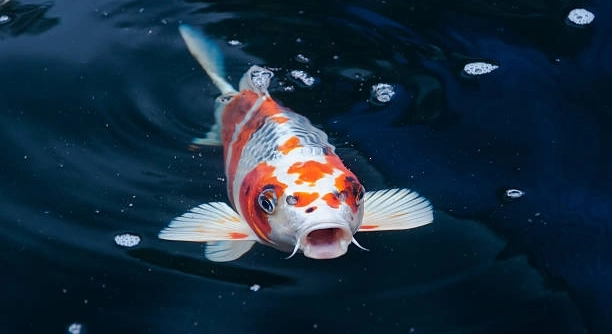
Koi fish often approach the water surface in different ways, showing unique behaviors that many find interesting to watch. These movements can reflect their mood, environment, or even health. Understanding these variations helps deepen appreciation for koi.
Koi exhibit several distinct surface-approach behaviors, such as cautious peeking, quick darting, gentle nibbling, or bold surfacing. These variations result from factors like feeding habits, water conditions, social interactions, and instinctual responses to their surroundings.
Recognizing these behaviors can improve koi care and enhance the experience of observing them. Learning more about how koi move will bring greater insight into their world.
Cautious Peeking at the Surface
Koi sometimes approach the surface very slowly and carefully. They might just lift their heads a little, barely breaking the water. This behavior usually happens when they are unsure about something nearby or are adjusting to changes in their environment. It can also mean they are checking if food is available without fully exposing themselves. You might notice this when you first come near the pond or if there is a sudden noise around. The koi want to be safe and are careful about showing themselves. This gentle peeking helps them stay alert and avoid danger while still keeping an eye on what’s happening above the water. It’s a sign they feel cautious but curious.
This behavior shows koi are aware of their surroundings and take time to assess before acting. It’s a natural way to protect themselves.
Watching this slow, thoughtful approach helps you understand their sense of caution and intelligence better.
Quick Darting Movements
Koi often dart quickly to the surface, especially during feeding times or when startled. This fast movement shows excitement or urgency. They can zoom up, grab food, and dive back down almost instantly. The speed helps them get food before others or escape threats. Quick darting is also a way to express energy or alertness. When the pond environment feels safe, koi might dart playfully as part of their activity. However, sudden quick movements can sometimes mean stress or fear, so it’s important to observe if this behavior happens often. If the koi dart nervously all the time, water quality or disturbances might be causing discomfort. Understanding quick darting can guide you in keeping the pond calm and healthy for them.
Gentle Nibbling at the Surface
Koi often nibble gently at the water surface, especially when searching for food. This slow, deliberate movement shows they are relaxed and comfortable in their environment.
Gentle nibbling is a common feeding behavior where koi taste or test small bits of food or debris on the surface. It helps them decide if something is edible. This action is usually calm and steady, with koi staying close to the surface for a few moments. When koi nibble softly, it often means they feel safe and at ease. It can also be a social behavior, as koi sometimes nibble near each other in groups. Observing gentle nibbling can help you tell when koi are satisfied or just exploring their environment for snacks.
This behavior differs from quick feeding because it’s less rushed. Koi enjoy the process, which shows their calm nature and helps keep their feeding balanced.
Bold Surfacing Behavior
Koi that boldly surface tend to be confident and curious. They swim right up and break the water without hesitation, often to get food or interact.
Bold surfacing happens when koi fully rise to the surface, sometimes even jumping slightly out of the water. This behavior can indicate comfort and trust in their surroundings, especially if they approach people or feeding spots eagerly. Koi that boldly surface often expect food and have learned that coming up quickly leads to a reward. It can also be part of their social behavior, showing dominance or excitement. Bold surfacing usually means the koi are healthy and active, ready to explore or claim their place in the pond hierarchy. Watching these confident movements gives insight into their personalities and social dynamics. Keeping the pond environment stable encourages this confident behavior, making koi more interactive and engaging.
Surface Hovering
Koi sometimes hover just below the surface, staying very still. This shows they are relaxed but alert, watching their surroundings carefully.
This behavior often happens when koi feel safe but want to stay ready for anything. It’s a calm pause, allowing them to rest while keeping an eye on what’s above.
Mouth Breathing at the Surface
Mouth breathing happens when koi stay at the surface and open their mouths wide to take in more oxygen. This can be normal in warm water or low oxygen conditions. It’s a sign the fish are trying to get enough air to stay comfortable and healthy.
Splashing and Spitting Water
Some koi splash or spit water at the surface. This playful behavior can be a way to communicate or show excitement. It might also happen during feeding or social interactions.
Surface Shimmering
At times, koi create a shimmering effect near the surface by quickly moving their fins or tails. This light movement helps them stay balanced while gliding smoothly through the water.
FAQ
Why do koi come to the surface so often?
Koi come to the surface mainly to feed, breathe, or explore their environment. They may also surface to get more oxygen, especially when water conditions change or oxygen levels are low. Sometimes, they are curious about movements above the water, like people approaching or sounds nearby.
Is it normal for koi to gulp air at the surface?
Yes, koi occasionally gulp air at the surface. This behavior helps them take in oxygen, especially when the water temperature rises or oxygen drops. However, if you see frequent gulping, it might indicate poor water quality or lack of oxygen, and you should check the pond conditions.
What does it mean when koi nibble at the water surface?
Nibbling at the surface usually means koi are feeding or testing what’s on the water. They might be picking at algae, floating food, or small insects. This slow nibbling shows they are comfortable and relaxed, calmly exploring their environment.
Why do koi dart quickly to the surface sometimes?
Koi dart quickly to grab food or react to sudden changes, like noises or movements near the pond. Quick darting is a natural reaction to excitement or alertness. But if this happens constantly without food, it may suggest stress or disturbances.
Can koi behavior at the surface indicate their health?
Yes, koi behavior at the surface can be a good health indicator. Healthy koi often approach the surface confidently and feed eagerly. If they appear sluggish, avoid the surface, or gasp frequently, it might signal health issues or poor water conditions.
Do koi get stressed from too much surface activity?
Koi can get stressed if their surface environment is noisy or disturbed too often. Frequent sudden movements or loud sounds may cause them to hide or dart nervously. Keeping the pond calm helps koi stay relaxed and encourages natural surface behaviors.
Why do some koi splash or spit water?
Splashing or spitting water is a playful or social behavior. Koi might do this to communicate with each other or show excitement, especially during feeding. This action can also help them clean their mouths or move food around.
How does water temperature affect koi surface behavior?
Water temperature impacts koi oxygen needs and activity. Warmer water holds less oxygen, so koi surface more often to breathe. They may also become more active, moving quickly near the surface. Cooler water usually means koi spend more time deeper down.
Is bold surfacing a sign of confidence in koi?
Bold surfacing generally shows koi feel safe and confident. These koi aren’t afraid to break the water and come close to people or feeding areas. It often means they trust their environment and are healthy and well-fed.
What should I do if koi are constantly hovering at the surface?
If koi hover near the surface too much, check water quality and oxygen levels first. This behavior can indicate low oxygen or stress. Make sure the pond has proper aeration, clean water, and no harmful chemicals. Improving pond conditions usually helps koi return to normal behavior.
Final Thoughts
Koi fish are fascinating creatures that show a variety of behaviors when they approach the water surface. Each way they come up can tell us something about how they feel or what they need. Some koi are cautious and careful, while others are bold and curious. Watching these differences helps us understand them better and care for them properly. It also makes observing koi more enjoyable because we can see their personalities through their movements.
Surface behavior in koi is closely connected to their environment. Factors like water quality, oxygen levels, temperature, and feeding times all influence how and why koi come to the surface. When koi act calm and relaxed, it usually means their pond conditions are good. On the other hand, if they seem nervous or gasp a lot, it might be a sign that something is wrong. Paying attention to these signs helps pond owners take action before problems get worse. Keeping the water clean and well-oxygenated is one of the best ways to support healthy surface behavior.
Overall, koi fish use the surface to interact with their surroundings, get food, and breathe. Their different approaches—whether gentle nibbling, quick darting, or bold surfacing—show a mix of natural instincts and responses to the environment. By noticing these behaviors, we can provide better care and create a peaceful home for them. Observing koi at the surface offers a simple yet valuable way to connect with these beautiful fish and enjoy their presence day after day.

Hello,
If you enjoy the content that we create, please consider saying a "Thank You!" by leaving a tip.
Every little bit helps us continue crafting quality advice that supports the health, happiness, and well-being of pets around the world, for pets of all shapes, sizes, and species.
We really appreciate the kindness and support that you show us!