
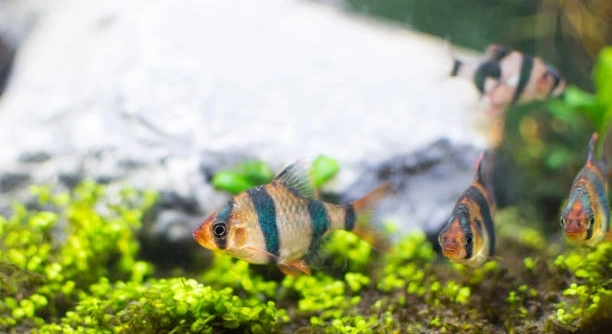
Barb tanks are a popular choice for many fish enthusiasts who enjoy their vibrant colors and active nature. Keeping these tanks well-maintained and optimized can make a big difference in the health and happiness of your barbs. Simple upgrades can instantly enhance their environment.
Improving a barb tank involves upgrading filtration, lighting, substrate, and decorations to better mimic their natural habitat. These changes reduce stress and promote healthier fish, creating a more stable and attractive aquarium environment for both the fish and the owner.
Small changes in tank setup can lead to big improvements in barb behavior and appearance. These upgrades offer practical ways to enhance your aquarium experience.
Upgrade Your Filtration System
A good filtration system is essential for maintaining clean water and healthy barbs. Many stock filters may not be powerful enough or lack proper biological filtration. Upgrading to a canister or hang-on-back filter with multiple stages improves water clarity and removes harmful toxins. Better filtration reduces stress and the risk of diseases. It also helps maintain stable water parameters, which is important for barbs’ well-being. Along with a stronger filter, regular maintenance is key. Cleaning or replacing filter media on schedule ensures consistent performance. Investing in a quality filter is one of the easiest ways to create a healthier environment for your fish.
A high-quality filter supports better oxygen circulation and keeps the tank cleaner for longer periods. This reduces the need for frequent water changes.
Besides filtration upgrades, adding live plants can complement the system by absorbing excess nutrients and providing hiding spots. Together, these changes create a balanced, natural setting that benefits both the fish and the tank’s overall ecosystem.
Choosing the Right Lighting
Proper lighting is crucial for both the fish and the plants in a barb tank. Barbs thrive under moderate lighting that mimics their natural environment. Too bright or too dim lighting can stress the fish and affect their colors. Adjustable LED lights allow control over intensity and duration, making it easier to match natural day-night cycles.
Using a timer ensures consistent lighting schedules, which supports healthy fish behavior and plant growth. Good lighting also enhances the visual appeal of the tank, making the colors of the barbs more vibrant. This small upgrade improves both the health and aesthetics of the aquarium.
Improve Substrate and Decorations
Choosing the right substrate affects water quality and fish comfort. Fine gravel or sand works best for barbs, as it mimics their natural environment and is gentle on their barbels.
A proper substrate supports beneficial bacteria growth, which helps break down waste. It also offers a stable base for plants and decorations, creating hiding spots for shy fish. Avoid sharp or rough materials that can injure the barbs. Natural-looking decorations such as driftwood or smooth rocks add to the tank’s appeal without causing harm. These upgrades enhance both the tank’s health and the fish’s sense of security, contributing to calmer behavior and better overall health.
Barbs appreciate well-placed plants and decorations that provide shelter and reduce stress. These elements encourage natural activity and exploration, which can improve their coloration and longevity.
Upgrade Tank Size and Layout
Barbs need enough space to swim freely and establish territories. Larger tanks reduce aggression and promote healthier social behavior. A tank of at least 30 gallons is recommended for a small school of barbs.
Rearranging decorations periodically keeps the environment stimulating and prevents territorial disputes. Creating open swimming areas balanced with hiding spots helps maintain peace among fish. Thoughtful layout adjustments support natural movement and reduce stress, improving the overall quality of life for your barbs. Proper tank size and layout upgrades contribute significantly to their wellbeing and make tank maintenance easier.
Enhance Aeration
Good aeration increases oxygen levels, which is vital for barb health. Adding an air stone or upgrading to a more efficient air pump helps improve water circulation and oxygen exchange.
Improved aeration reduces stress and supports beneficial bacteria. This upgrade keeps the tank environment stable, promoting healthier and more active fish.
Add Live Plants
Live plants improve water quality by absorbing nitrates and providing natural hiding places. They also create a more natural and calming environment for barbs.
Plants like Java fern, Anubias, and Cryptocoryne are low-maintenance and compatible with barb tanks. Adding live plants enhances both aesthetics and fish wellbeing.
Regular Water Testing
Testing water parameters like pH, ammonia, and nitrate levels ensures the tank remains safe. Consistent monitoring helps catch issues before they affect fish health.
Maintaining stable water conditions through testing is key to preventing disease and stress in barbs.
FAQ
What is the best filter type for barb tanks?
The best filter type for barb tanks is one that provides mechanical, chemical, and biological filtration efficiently. Canister filters and hang-on-back filters are popular choices because they offer strong filtration without creating excessive water flow. Barbs prefer moderate currents, so it’s important to choose a filter with adjustable flow rates. A multi-stage filter setup ensures that waste, toxins, and debris are removed effectively, keeping the water clean and safe for your fish.
How often should I change the water in a barb tank?
Water changes depend on tank size and filtration quality but typically occur weekly or biweekly. Changing 20-30% of the water helps keep nitrate levels low and removes waste buildup. Regular water changes reduce stress and prevent disease. It’s important to use dechlorinated water at the same temperature as the tank to avoid shocking the fish.
Can barbs live with other fish?
Barbs can coexist with many peaceful species, but some types are more compatible than others. They do best in groups of their own kind to prevent aggression. Avoid slow-moving or long-finned fish, as barbs may nip fins. Suitable tankmates include danios, tetras, and rasboras, which tolerate similar water conditions and active behavior.
What is the ideal tank size for barbs?
A minimum of 30 gallons is recommended for a small school of barbs. They are active swimmers and need space to roam freely. Larger tanks reduce territorial disputes and provide room for plants and decorations. Schools of at least five to six barbs promote social behavior and reduce aggression.
How do I prevent fin nipping in barb tanks?
Fin nipping can be minimized by keeping barbs in groups of five or more to spread out aggression. Providing plenty of hiding spots and plants helps reduce stress. Avoid overcrowding, as limited space increases aggression. Choosing compatible tankmates also prevents conflicts.
What type of lighting is best for barb tanks?
Moderate LED lighting is best, as it mimics natural daylight and supports plant growth. Adjustable lights allow control over intensity and duration, preventing stress. A regular day-night cycle is important for barb health and activity.
Are live plants necessary in a barb tank?
Live plants are not strictly necessary but highly beneficial. They improve water quality by absorbing nutrients and offer hiding spots that reduce stress. Live plants also make the tank look more natural and appealing. Hardy plants like Java fern and Anubias are good choices.
How can I improve the color of my barbs?
Healthy water conditions, a varied diet rich in vitamins, and low stress help enhance barb coloration. Upgrading lighting to highlight colors can also make a difference. Avoid overcrowding and maintain stable water parameters for the best results.
What should I feed barbs?
Barbs are omnivores and thrive on a varied diet. High-quality flake or pellet food supplemented with frozen or live foods like brine shrimp, bloodworms, or daphnia keeps them healthy. Including some plant matter, like spirulina flakes or blanched vegetables, supports their nutrition.
How do I manage barb aggression?
Managing aggression involves keeping barbs in proper group sizes, providing hiding spaces, and ensuring a spacious tank. Regularly rearranging tank decorations can disrupt established territories and reduce conflicts. Avoid mixing with slow or long-finned fish prone to nipping.
What water parameters are best for barbs?
Barbs prefer slightly acidic to neutral pH (6.0–7.5) and temperatures between 72°F and 79°F (22°C–26°C). Maintaining stable parameters with low ammonia and nitrate levels supports their health. Regular water testing helps keep conditions within this range.
How do I know if my barbs are stressed?
Signs of stress include faded color, hiding frequently, loss of appetite, erratic swimming, or clamped fins. Stress often results from poor water quality, overcrowding, or aggression. Identifying these signs early allows prompt action to improve tank conditions.
Final Thoughts
Upgrading a barb tank can make a significant difference in the health and happiness of your fish. Small changes, like improving filtration or adding live plants, create a more stable and natural environment. These upgrades help reduce stress, prevent diseases, and encourage natural behaviors. Paying attention to water quality and tank setup ensures that barbs thrive in their home. The goal is to create a space that closely resembles their natural habitat while making maintenance easier and more effective for the owner.
It is important to remember that every upgrade works best when combined with regular care. Consistent water changes, monitoring water parameters, and feeding a balanced diet all contribute to keeping barbs healthy. Changes to lighting, tank size, and decorations should be made with the fish’s comfort in mind. Barbs respond well to environments that offer hiding spots and open swimming areas. Providing these elements helps reduce aggression and supports social behavior. Careful observation after each upgrade will help identify what works best for your specific tank and fish.
Upgrading a barb tank is not only about improving the fish’s living conditions but also about enhancing the overall aquarium experience. A well-maintained tank looks better and is more enjoyable to watch. Clear water, vibrant fish colors, and lively behavior add satisfaction to keeping barbs. These improvements often lead to fewer problems and lower stress for both the fish and the owner. Investing time and effort into these upgrades will pay off with a healthier, more beautiful barb tank that can be appreciated for years.

Hello,
If you enjoy the content that we create, please consider saying a "Thank You!" by leaving a tip.
Every little bit helps us continue crafting quality advice that supports the health, happiness, and well-being of pets around the world, for pets of all shapes, sizes, and species.
We really appreciate the kindness and support that you show us!