
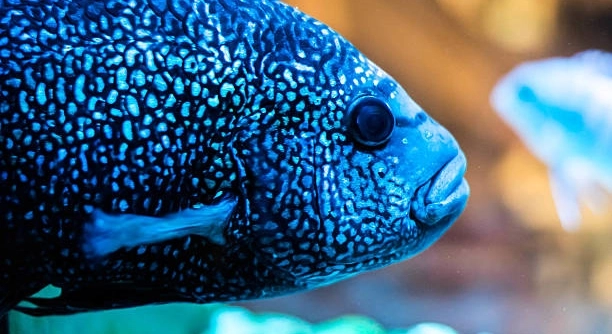
Wild Jack Dempsey fish are known for their striking appearance and energetic behavior in freshwater habitats. Observing these fish reveals patterns that differ from typical aquarium species, making them a fascinating subject for enthusiasts and researchers alike.
Wild Jack Dempsey fish display unusual traits such as heightened territoriality, vibrant iridescent coloring, complex mating behaviors, and adaptability to various water conditions. These characteristics distinguish them from captive-bred counterparts and demonstrate their unique evolutionary and ecological adaptations.
Understanding these distinctive traits can enhance your knowledge of their behavior and improve care strategies for maintaining their health in captivity. Exploring these aspects offers valuable insights into their natural lifestyle.
Iridescent Color Patterns
Wild Jack Dempsey fish are known for their vibrant, shifting colors that catch the light in surprising ways. Their scales can display shades of blue, green, and purple depending on their mood, health, and environment. Unlike many common aquarium fish, these colors are not static. Stress, water conditions, and diet all influence their appearance. During breeding season, males intensify their hues to attract females, creating a dazzling display. Observing these changes can reveal much about their behavior and interactions with other fish. Even subtle changes, like a flash of gold along the fins, indicate changes in mood or dominance. These patterns are not merely for show—they communicate information to other fish and serve as a warning to potential rivals. Careful monitoring of color shifts helps in maintaining proper tank conditions and assessing overall fish well-being.
Their iridescence makes them visually stunning and highlights the importance of stable water conditions.
Maintaining water quality is crucial for preserving these color patterns. Parameters such as pH, temperature, and hardness directly affect their vibrancy. Frequent changes or poor filtration can dull their colors and stress the fish, reducing activity levels and breeding success. Diet also plays a key role. Foods rich in carotenoids and other pigments enhance the intensity of their hues. Observation of color changes provides insight into both health and social dynamics within the tank. Keeping their environment consistent supports natural behavior and ensures these fish remain visually impressive while thriving in captivity.
Aggressive Territorial Behavior
Wild Jack Dempsey fish often establish and defend territories within their habitat.
Males are especially protective, using displays, postures, and occasional chases to maintain dominance over specific areas.
Territorial aggression is more pronounced in confined spaces, requiring careful tank planning. Providing hiding spots, plants, and visual barriers can reduce confrontations and stress. Males will often patrol borders, showing flared fins and intense coloration to warn intruders. This behavior is part of their natural survival instincts, helping secure breeding grounds and access to food. Females are usually less aggressive but can defend specific areas during nesting. Observing these interactions reveals their social hierarchy and dominance patterns. In community tanks, balancing tank mates and providing enough space prevents injury and stress. Recognizing these behaviors early allows better management of tank dynamics and supports a healthier, more stable environment for all inhabitants.
Complex Mating Rituals
Male Jack Dempsey fish display intricate behaviors to attract females, including fin flaring, body quivering, and nest building. These rituals are precise and repeated, demonstrating dominance and readiness for reproduction. Nest locations are carefully chosen, often on flat surfaces or slightly hidden spots.
During spawning, males clean and prepare a site, removing debris and marking boundaries with visual displays. Females inspect the area, and if receptive, they enter the nest for egg-laying. Males fertilize the eggs externally while guarding the site against intruders. This behavior can last several days, with males constantly patrolling and fanning the eggs to ensure oxygenation. Disturbances or competition from other males may trigger more aggressive displays or relocation of the nest. Observing these rituals provides insight into their reproductive strategy and social interactions.
Females often choose mates based on nest quality and male displays, showing selective behavior. Males invest significant energy in offspring survival, demonstrating a strong parental role uncommon in many aquarium species.
Adaptive Feeding Behavior
Wild Jack Dempsey fish are opportunistic feeders, consuming insects, crustaceans, and plant matter in varying quantities.
Their feeding strategy changes with availability, using bursts of speed to capture prey and occasionally scavenging along the substrate. This flexibility allows them to thrive in fluctuating environments, adjusting to seasonal or habitat changes.
Feeding patterns are influenced by social interactions and dominance hierarchies. Dominant males often secure the best feeding areas, forcing subordinates to explore less optimal zones or feed during quieter times. They can recognize moving prey quickly, demonstrating acute visual and reflexive skills. Diet diversity is essential for maintaining their health and coloration in captivity, mirroring their natural adaptability. Observing their behavior at feeding times reveals hierarchy and temperament, allowing better management of multiple fish in a shared tank. Adapting feeding routines to replicate natural conditions supports both activity and long-term vitality.
Rapid Growth Rates
Wild Jack Dempsey fish grow quickly under optimal conditions, reaching near-adult size in a short period. This rapid growth is supported by high-protein diets and stable water conditions, allowing them to develop strong bodies and vibrant coloration early in life.
Their growth can be influenced by tank size, social hierarchy, and access to food. Crowded conditions may slow development, while dominant individuals tend to grow faster. Monitoring growth helps in managing tank populations and preventing territorial disputes. Providing adequate space and nutrition ensures that each fish achieves healthy size and maintains overall vitality within the habitat.
Nocturnal Activity
Wild Jack Dempsey fish often display increased movement during low-light periods. This behavior allows them to explore and forage while avoiding larger predators.
Unique Communication
These fish communicate through subtle body movements, fin displays, and color changes. They use these signals to assert dominance, attract mates, and signal warnings to others in their territory. Understanding these cues helps manage social interactions in a tank.
Environmental Sensitivity
Wild Jack Dempsey fish respond quickly to changes in water temperature, pH, and chemical levels. Even minor fluctuations can affect behavior, feeding, and coloration, highlighting the importance of stable conditions for their well-being.
FAQ
What is the ideal tank size for a wild Jack Dempsey fish?
A single wild Jack Dempsey requires a minimum tank of 55 gallons to allow proper swimming space and reduce stress. When keeping multiple fish, additional space is necessary to prevent territorial conflicts and maintain stable water conditions.
Can wild Jack Dempsey fish live with other species?
They can coexist with larger, robust fish that can handle occasional aggression. Avoid small or passive species, as Jack Dempseys are highly territorial and may chase or injure weaker tank mates. Using hiding spots and visual barriers can reduce stress for all fish.
What should I feed a wild Jack Dempsey?
Their diet should include a mix of high-protein foods such as live or frozen shrimp, insects, and pellets designed for cichlids. Occasional vegetables or plant matter can supplement nutrition. Feeding small portions multiple times a day supports growth and vibrant coloration.
How do I encourage breeding in captivity?
Provide stable water conditions, adequate tank space, and a flat or slightly hidden area for nesting. Healthy males display intensified coloration and perform repeated courtship behaviors. Observing these signs indicates readiness for spawning and allows careful monitoring of egg-laying.
Why does my Jack Dempsey change colors suddenly?
Color changes can indicate stress, illness, mood shifts, or territorial displays. Minor changes are normal, but prolonged dullness or unusual blotches may signal water quality issues or health problems requiring attention. Maintaining stable conditions helps preserve natural vibrancy.
How often should I clean the tank?
Perform partial water changes of 20-25% weekly to maintain quality. Remove uneaten food and debris to prevent ammonia and nitrate buildup. Proper filtration and regular maintenance support both health and coloration of the fish.
Are Jack Dempsey fish aggressive toward each other?
Yes, especially males, who defend territories and nesting sites. Aggression can include chasing, fin flaring, and brief physical confrontations. Providing space, hiding areas, and monitoring population density can reduce conflicts. Observing hierarchy and behavior helps manage aggression.
What water parameters are best for wild Jack Dempsey?
They thrive in slightly alkaline water with a pH of 7.0-8.0, temperatures between 75-82°F, and moderate hardness. Stability is crucial, as rapid changes in temperature, pH, or chemicals can stress the fish and affect feeding, growth, and coloration.
How do I know if my fish is healthy?
Healthy fish show bright, consistent colors, active swimming, regular feeding, and clear eyes. Unusual lethargy, color fading, rapid gill movement, or abnormal behavior can indicate stress or illness. Early detection ensures proper treatment and tank adjustments.
Can Jack Dempsey fish recognize their owners?
They can recognize movement and associate it with feeding. While not social in a traditional sense, they may approach the tank during routine care, showing awareness of predictable human interaction.
What is the lifespan of a wild Jack Dempsey?
With proper care, they can live up to 8-10 years. Lifespan depends on diet, water quality, tank conditions, and stress management. Consistent maintenance and observation support longevity.
Do Jack Dempseys need special lighting?
Lighting should mimic natural day-night cycles. Moderate aquarium lighting enhances coloration without causing stress. Avoid intense, prolonged illumination that can trigger aggressive or defensive behaviors.
How do I prevent territorial fights?
Provide hiding spots, plants, rocks, and separate areas for each male. Limit the number of males relative to tank size. Monitoring behavior allows early intervention before injuries occur.
Can they adapt to new environments quickly?
They are adaptable but require gradual changes in water parameters. Sudden shifts in temperature, pH, or tank setup can stress them and trigger illness or color loss. Patience and slow acclimation are key.
What is the best way to transport a Jack Dempsey fish?
Use a sturdy container with clean, oxygenated water. Minimize movement and stress during transport. Acclimate them slowly to the new tank conditions to reduce shock and ensure a smooth transition.
Are Jack Dempseys prone to diseases?
They are hardy but can be affected by common freshwater fish illnesses like ich or bacterial infections if water quality is poor. Quarantine new fish, maintain cleanliness, and monitor behavior for early signs of illness.
How do I handle aggressive feeding times?
Feed in multiple locations to prevent dominant individuals from monopolizing food. Small, frequent feedings allow subordinates access and reduce competition, supporting growth and minimizing stress.
Can Jack Dempsey fish coexist with plants?
Yes, but they may uproot or disturb delicate plants. Hardy species and anchored decorations work best. Providing hiding spots around plants can protect both vegetation and fish.
Do they require a specific tank substrate?
They prefer sand or fine gravel that allows natural digging and nesting behaviors. Substrate choice affects breeding success, comfort, and natural behaviors, supporting both health and activity.
How do I tell the difference between males and females?
Males are larger, with brighter colors and more pronounced fin extensions. Females are smaller, often with duller tones, though behavior like nest guarding can also indicate sex. Observing both appearance and behavior helps accurate identification.
Can Jack Dempseys jump out of the tank?
Yes, they can leap, especially when startled or aggressive. A secure lid or cover is essential to prevent escapes and protect their safety.
How long do they stay aggressive toward tank mates?
Aggression is highest during territory establishment and breeding. It typically decreases as hierarchy stabilizes but can resurface if conditions change or space becomes limited. Monitoring behavior helps maintain balance.
Are Jack Dempseys sensitive to chemicals in tap water?
Yes, chlorine, chloramines, and heavy metals can harm them. Always treat tap water with a proper conditioner before adding it to the tank. Maintaining chemical balance ensures safety and health.
What enrichment can I provide in their tank?
Rocks, caves, driftwood, and hiding spots encourage exploration and reduce stress. Varying the environment supports natural behaviors and keeps them active and stimulated.
How fast do they grow in captivity?
Growth is rapid with proper diet and water quality. Juveniles may reach adult size within one to two years under optimal conditions. Monitoring growth prevents overcrowding and supports tank management.
Can Jack Dempseys recognize other fish in the tank?
They recognize dominant and subordinate individuals, adjusting behavior accordingly. This recognition shapes social interactions, feeding order, and territory defense, creating a structured hierarchy.
Do they need seasonal changes in the tank?
While not required, gradual adjustments in lighting or water temperature can simulate natural cycles, encouraging breeding and maintaining healthy behavior patterns.
Is tank decor important for their well-being?
Yes, providing hiding spots, open swimming areas, and flat surfaces for nesting supports natural behaviors, reduces stress, and prevents injuries during territorial disputes.
Can I keep Jack Dempseys alone?
Yes, a single fish can thrive in an adequately sized tank. Solo keeping reduces territorial aggression but requires consistent water maintenance and enrichment to support activity and mental stimulation.
How can I tell if they are stressed?
Signs include faded coloration, hiding, reduced appetite, erratic swimming, and fin clamping. Identifying stress triggers allows corrective action, like adjusting water conditions or tank setup.
Do Jack Dempseys need companions?
They do not require social interaction with their species but benefit from compatible tank mates if space, hiding spots, and careful monitoring are provided.
What is the best way to introduce new fish?
Quarantine new additions and acclimate slowly to water parameters. Introduce during neutral times or in separate sections to reduce aggression and allow gradual social integration.
Are Jack Dempseys active during the day or night?
They are primarily diurnal but show increased activity during low-light periods, using these times to explore, forage, and patrol territories.
Can they recognize feeding routines?
Yes, they quickly associate regular feeding times with human activity and may anticipate meals by becoming more active near the water surface or tank front.
Do they require any special care during breeding?
Males guard nests vigorously, and eggs need protection from disturbance. Providing separate breeding areas or careful observation prevents stress and increases survival of fry.
Are Jack Dempseys suitable for beginners?
They are manageable with proper care, but their aggression, size, and territorial behavior require knowledge of tank setup, water quality, and feeding management. They are better suited for aquarists prepared for active cichlid care.
Can they tolerate fluctuations in temperature?
They prefer stable conditions; sudden changes can stress them, affecting feeding, coloration, and behavior. Gradual acclimation is essential for safe temperature adjustments.
How often should I monitor water parameters?
Weekly testing of pH, temperature, ammonia, nitrite, and nitrate levels ensures stable conditions. Frequent monitoring prevents stress, illness, and color loss.
Do Jack Dempseys interact with their reflection?
They may display aggression or curiosity toward reflections, mistaking them for rivals. Limiting reflective surfaces can reduce unnecessary stress.
What signs indicate readiness for spawning?
Intensified male coloration, nest preparation, and repeated courtship behaviors signal spawning readiness. Observing these indicators allows proper management of breeding conditions.
Can they live in brackish water?
They are strictly freshwater species. Even slight salinity can cause stress or illness. Maintaining freshwater conditions is essential.
How do I prevent fin damage during fights?
Provide visual barriers, hiding spots, and ample space. Separating aggressive individuals or limiting the number of males reduces physical confrontations and ensures safer interactions.
Are Jack Dempseys prone to obesity?
Overfeeding, especially with high-fat diets, can lead to obesity. Feeding small, balanced portions and encouraging natural foraging behaviors prevents weight issues and supports overall health.
Do Jack Dempseys require vitamins or supplements?
High-quality, varied diets typically provide adequate nutrition. Occasional supplements can support coloration or growth, but overuse can disrupt water quality and fish health.
Can they tolerate low oxygen levels?
They need well-oxygenated water. Low oxygen can cause stress, lethargy, and increased vulnerability to disease. Proper filtration and aeration maintain healthy conditions.
What tank mates work best for Jack Dempseys?
Other robust cichlids or similarly sized fish that can handle occasional aggression. Avoid small, passive species that may be targeted during territorial disputes.
Do Jack Dempseys require regular observation?
Yes, monitoring behavior, feeding, and coloration helps detect health issues, aggression, and environmental stressors early, ensuring long-term well-being.
How do I prevent diseases in Jack Dempseys?
Maintain clean water, quarantine new fish, provide a balanced diet, and avoid overcrowding. Early detection and treatment of illness reduce risks and promote survival.
Can Jack Dempseys live in planted tanks?
They can coexist with hardy plants but may uproot delicate species. Anchored plants and sturdy decorations protect both fish and vegetation while supporting natural behaviors.
Are Jack Dempseys sensitive to light intensity?
Moderate lighting enhances coloration without causing stress. Excessive or prolonged bright light may trigger defensive behaviors and reduce comfort.
Do Jack Dempseys require filtration?
Yes, strong filtration maintains water quality and reduces waste buildup, supporting growth, health, and vivid coloration. Regular maintenance ensures proper functioning.
Can Jack Dempseys recognize changes in their environment?
Yes, they notice alterations in tank layout, lighting, and water conditions, responding with increased exploration, hiding, or territorial displays depending on perceived threat or interest.
How do I introduce Jack Dempseys to a new tank?
Acclimate slowly, maintain stable parameters, and provide hiding spots. Observing initial behavior ensures smooth adaptation and minimizes stress.
Are Jack Dempseys hardy fish?
They are robust but require proper care. Stable water, sufficient space, and consistent feeding support longevity and overall health.
Do Jack Dempseys require special care during transport?
Yes, reduce stress with oxygenated water, minimal movement, and gradual acclimation to new tank conditions.
How can I encourage natural behavior?
Provide hiding spots, varied terrain, and proper diet. Observing interactions helps maintain activity, exploration, and social structure.
Are Jack Dempseys sensitive to pH changes?
They prefer stable, slightly alkaline water. Sudden shifts can cause stress, affecting health, feeding, and coloration. Monitoring pH ensures stability.
Can Jack Dempseys coexist with goldfish?
No, they are aggressive and can harm smaller, passive fish like goldfish. Choosing compatible species prevents injuries and stress.
How long do Jack Dempseys live in captivity?
With proper care, 8-10 years is typical. Longevity depends on water quality, diet, stress management, and tank conditions.
Do they need special breeding tanks?
Separate or carefully managed areas support successful spawning, reduce aggression, and protect eggs and fry from disturbance.
What are common signs of illness?
Lethargy, faded colors, clamped fins, unusual swimming, or lack of appetite. Early detection allows prompt treatment and prevents spread.
Can Jack Dempseys adapt to different diets?
They are adaptable but thrive on high-protein foods supplemented with occasional vegetables. Consistent feeding supports growth and coloration.
Do they require temperature regulation?
Yes, stable temperatures between 75-82°F support health, activity, feeding, and coloration. Sudden fluctuations can cause stress.
How do I maintain their coloration?
Provide high-quality diet, stable water, and low-stress environment. Healthy, active fish show brighter, more vivid colors naturally.
Are Jack Dempseys aggressive toward humans?
No, they are not harmful but may react defensively if startled. Interaction should be limited to routine care.
What is the best way to observe behavior?
Quiet observation during feeding, interaction, and movement provides insight into hierarchy, aggression, and health without causing stress.
Can they tolerate tap water?
Only if properly treated to remove chlorine, chloramines, and heavy metals. Conditioned water ensures safety and health.
Do Jack Dempseys recognize patterns or routines?
Yes, they learn feeding times, tank maintenance schedules, and regular activity patterns, showing awareness of predictable routines.
Are Jack Dempseys prone to fin rot?
Yes, especially if water quality is poor or aggression causes injury. Maintaining clean water and monitoring interactions prevents infection.
Can they coexist with smaller cichlids?
Only if tank size is large enough and visual barriers exist. Smaller species may be stressed or attacked without proper planning.
Do Jack Dempseys require specific water hardness?
Moderate hardness supports health and coloration. Extreme soft or hard water can affect behavior, growth, and overall well-being.
How do I encourage feeding in shy individuals?
Offer food in multiple locations, vary diet, and reduce competition from dominant fish to ensure all individuals eat adequately.
Can they be kept in outdoor ponds?
In warm climates, yes, with proper depth, shelter, and predator protection. Winter or cold weather requires indoor relocation.
Do Jack Dempseys need companionship?
They can thrive alone or with compatible species. Social interaction is optional but requires space and monitoring to prevent aggression.
What are the risks of overcrowding?
Increased stress, aggression, disease spread, and stunted growth. Providing adequate space reduces conflict and supports long-term health.
Can Jack Dempseys recognize individual tank mates?
Yes, they distinguish between dominant and subordinate fish, adapting behavior accordingly to maintain hierarchy.
How do I manage aggression during breeding?
Provide separate nesting areas, hiding spots, and monitor interactions. Dominant males may need isolation to protect others.
Do Jack Dempseys require special care for fry?
Yes, eggs and fry need protection from other fish. Adequate hiding spaces and minimal disturbance ensure survival.
Can they tolerate low light conditions?
Yes, they remain active during low-light periods, often using these times to forage or explore.
Are Jack Dempseys sensitive to noise or vibration?
Excessive disturbances can cause stress, hiding, or aggression. A stable, calm environment promotes natural behavior.
Do Jack Dempseys need substrate for digging?
Yes, sand or fine gravel supports nesting and natural behaviors, enhancing comfort and breeding success.
Can they adapt to new tank decor?
Gradual introduction of decorations allows adaptation. Sudden changes can trigger stress or territorial disputes.
How do I prevent waterborne illnesses?
Regular water changes, filtration, proper diet, and quarantine of new fish minimize disease risks.
Do Jack Dempseys require special lighting for breeding?
Moderate, consistent lighting supports natural cycles. Extreme changes can stress fish or inhibit courtship behaviors.
Can they thrive in community tanks?
Only with compatible, robust species and proper space. Monitoring behavior prevents aggression and maintains tank balance.
How do I ensure fry survival?
Provide hiding spaces, separate or protect eggs, maintain water quality, and reduce disturbances.
Do Jack Dempseys respond to human presence?
Yes, they may recognize routine activity, associate it with feeding, and adjust behavior accordingly.
What is the best way to reduce stress?
Maintain stable water, provide hiding spots, avoid overcrowding, and minimize sudden environmental changes.
Can Jack Dempseys learn feeding patterns quickly?
Yes, they respond to consistent schedules and may anticipate meals, showing increased activity near feeding locations.
Are they prone to aggression during water changes?
Yes, changes in environment can trigger defensive behavior. Careful handling and minimizing disturbance reduce conflict.
Do they require tank mates for stimulation?
Not necessary, but compatible companions can encourage natural behaviors if space and hiding spots are sufficient.
Can Jack Dempseys tolerate short-term water fluctuations?
Minor, gradual changes are usually tolerated, but rapid or extreme shifts cause stress and may affect health and behavior.
How do I prevent overfeeding?
Feed small, balanced portions appropriate for size and number of fish. Remove uneaten food to maintain water quality.
Do Jack Dempseys interact socially outside breeding?
Yes, they establish hierarchies, patrol territories, and communicate through displays, even without spawning activity.
Are Jack Dempseys sensitive to tank rearrangements?
Sudden layout changes can trigger stress or aggression. Gradual adjustments allow adaptation without disrupting established territories.
Can they tolerate occasional fasting?
Short periods without food are usually safe, but prolonged fasting affects growth, coloration, and behavior.
**Do Jack Dempseys require monitoring
Final Thoughts
Wild Jack Dempsey fish are remarkable for their combination of beauty, intelligence, and unique behaviors. Their vibrant colors, rapid growth, and complex mating rituals make them stand out among freshwater species. Observing these traits in both natural and captive settings provides insight into their needs and personality. Their territorial nature and aggression may pose challenges in shared tanks, but careful planning and attention to space can create a balanced environment. Providing proper hiding spots, open swimming areas, and visual barriers reduces conflict while allowing them to express natural behaviors. Their social structure, particularly among males, is fascinating to watch, as it reflects both hierarchy and adaptability.
Understanding their feeding habits and dietary requirements is essential for keeping them healthy. Wild Jack Dempseys are opportunistic feeders, thriving on a varied diet that includes high-protein foods, occasional plant matter, and small live or frozen prey. Feeding them multiple small portions throughout the day encourages natural foraging behavior and prevents dominant individuals from monopolizing resources. Monitoring their appetite, growth, and coloration can indicate overall health, as changes often reflect stress, water quality issues, or illness. Maintaining stable water parameters, including temperature, pH, and hardness, is equally important. These factors directly affect their behavior, color vibrancy, and immune system, highlighting the importance of consistency in their environment. Proper filtration, regular water changes, and careful attention to chemical levels support their long-term well-being.
Breeding and reproductive behavior further emphasize the complexity of wild Jack Dempseys. Males invest significant effort in nest building, guarding eggs, and fanning fry to ensure survival, demonstrating a level of parental care uncommon in many aquarium fish. Females show selective behavior, choosing mates based on displays and nest quality. Observing these interactions provides valuable insight into their natural instincts and social dynamics. Their adaptability to different feeding conditions, environmental changes, and light cycles shows resilience, but stress from overcrowding, poor water quality, or sudden changes can quickly impact health. By understanding these factors, caretakers can provide an environment that supports both their physical and behavioral needs. Overall, wild Jack Dempsey fish are both challenging and rewarding to care for, combining striking appearance with dynamic behavior that requires attention, patience, and consistent management to thrive.

Hello,
If you enjoy the content that we create, please consider saying a "Thank You!" by leaving a tip.
Every little bit helps us continue crafting quality advice that supports the health, happiness, and well-being of pets around the world, for pets of all shapes, sizes, and species.
We really appreciate the kindness and support that you show us!