
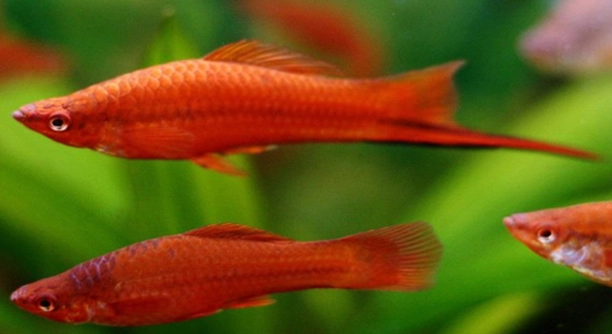
Swordtails are fascinating fish with a variety of unique behaviors that intrigue many aquarists. Some of these movements, however, are more unusual than others. Understanding the reasons behind these actions can deepen your appreciation for these beautiful creatures.
Swordtail fish exhibit unusual movements due to a combination of factors such as mating behavior, territorial disputes, and environmental conditions. These movements serve to communicate with other fish or to adapt to their surroundings, ensuring survival and social harmony.
Some of these movements may look strange, but they all serve important purposes. Whether it’s signaling dominance or attracting a mate, these actions help swordtails thrive in their habitats.
Why Swordtails Swim in Circles
One of the most unusual movements you’ll often notice in swordtails is when they swim in tight, repetitive circles. This behavior may seem puzzling at first, but there’s more to it than meets the eye. Swordtails may engage in this circling movement for a variety of reasons. One of the primary triggers is their mating behavior. Male swordtails often swim in circles around females to attract their attention. This behavior is a form of courtship, with the males hoping to impress the females with their agility and strength.
This circling movement can also be a sign of stress or frustration. If swordtails feel overcrowded or threatened, they may swim in circles as an outlet for this anxiety. In some cases, it could indicate an issue with the tank’s water quality or temperature.
In a healthy environment, circling is usually linked to mating rituals, where males display their agility and stamina to gain the interest of a female. However, if circling becomes excessive, it might suggest that the fish are uncomfortable or facing environmental challenges. This movement is an important communication tool for swordtails, helping them both attract mates and convey their emotional states to other fish in the tank.
Swordtail Aggression and Territorial Displays
Sometimes, swordtails can become quite territorial, especially when males are involved. Aggressive behaviors, including rapid movements or chasing, are often seen as males try to assert dominance over one another. These behaviors help establish a social hierarchy and reduce conflict among the group.
When it comes to aggression, swordtails tend to become more active, darting around in fast, erratic motions. This display serves as a warning to other males. Sometimes, one swordtail will “show off” its sword-like tail, which acts as both a visual cue and a physical tool for asserting dominance.
In more confined spaces or crowded tanks, the frequency of aggressive behavior can increase, leading to more dramatic movements. To reduce aggression, it’s important to ensure that swordtails have plenty of space to swim and hide, along with optimal water conditions. A calm, well-balanced tank environment will help reduce stress and allow these fish to display their natural behaviors without resorting to aggression.
Swordtail Tail Movements
Swordtails often use their tails for communication and to maintain balance while swimming. The way they move their tails can indicate their emotional state or signal other fish. A relaxed swordtail may gently flick its tail, while an agitated one will move it more rapidly.
Tail movements are a primary part of how swordtails interact with each other. They use their tails to show aggression, especially during territorial disputes or while competing for mates. The swift, sharp movements of the tail during these times serve as a display of strength and agility, designed to intimidate rivals.
In social settings, the swordtail tail also helps in maintaining the fish’s position within the group. A calm flick of the tail indicates peace and non-threat, while quick, erratic movements can signal a need for personal space or a warning to others. Observing these tail movements closely gives insight into a swordtail’s feelings and its role within the tank.
Mating Dances and Courtship Rituals
Mating behaviors in swordtails can seem quite elaborate and unusual. Male swordtails often perform a series of intricate movements to get the attention of females. These dances can include rapid tail movements and quick bursts of swimming in circles, aimed at impressing potential mates.
During courtship, the male displays a combination of flashy tail flicks and fast, looping movements to show off his physical strength and agility. This behavior helps the female determine which male is the most fit. It’s not just about speed but also about stamina and the ability to maintain control over their movements.
These courtship dances are not only about attracting a mate but also about asserting dominance. Males may compete with each other, showcasing their abilities through energetic movements. The more skilled a male is at these dances, the more likely he is to catch the female’s interest.
Unusual Swordtail Swim Patterns
Swordtails sometimes display unpredictable swim patterns, such as darting quickly in one direction and then abruptly changing course. This type of movement is often seen in response to changes in their environment or sudden stress.
When swordtails are startled, they may swim in a zigzag or erratic pattern. This sudden change in behavior is a natural response to perceived threats. These movements help them escape from predators or other stressful situations. Swordtails can also perform these patterns during moments of excitement, such as when they are being fed or exploring their environment.
Understanding these unusual swim patterns can help aquarists create a more comfortable environment for swordtails. Reducing sudden movements around the tank or providing hiding spots can help minimize stress and allow swordtails to swim in a more relaxed, predictable manner.
Interacting with Other Species
Swordtails are not always solo swimmers; they tend to interact with other fish in the tank. They may use specific movements to communicate with different species, especially when they feel the need to share or protect space.
These interactions can involve subtle tail flicks or positioning themselves in a way that signals to other fish. Swordtails are often social, but their communication with other species might also involve more aggressive or territorial movements, especially in crowded tanks. The key is to keep the balance in a mixed-species environment to avoid unnecessary conflict.
Water Temperature and Movement
Water temperature has a direct effect on the movement of swordtails. When the temperature is too cold, swordtails become sluggish and move less frequently. On the other hand, warmer water tends to increase their activity levels, making them more energetic.
This temperature-driven behavior can also affect their swimming patterns. In warmer water, swordtails are more likely to engage in mating displays and other dynamic movements. If the water temperature fluctuates too much, it can cause stress, making the swordtails’ movements appear erratic. Keeping a stable water temperature ensures that the fish can maintain their natural, fluid movements and stay healthy.
FAQ
Why do swordtails swim in circles?
Swordtails often swim in circles, especially during their courtship rituals. Male swordtails perform this behavior to impress females, demonstrating their agility and stamina. It’s a display of their physical prowess, where the male tries to gain the female’s attention by showing off his strength. Sometimes, this circling can also be a sign of stress, particularly if the swordtails feel crowded or threatened by other fish. If this circling becomes excessive or occurs outside of mating periods, it might suggest that the fish are uncomfortable due to tank conditions, such as water quality or temperature.
Do swordtails fight with each other?
Yes, swordtails can become territorial and engage in fights with one another, especially males. When there are several males in the tank, they often compete for the attention of females. This competition can lead to aggressive behaviors, like chasing or tail-flicking. If the tank is too small or the fish are overcrowded, these aggressive behaviors can become more frequent and intense. It’s important to provide plenty of space and hiding spots in the tank to reduce the chances of fighting. In some cases, adding more females to the tank can help spread out the males’ attention and reduce aggression.
What causes swordtails to swim so erratically?
Swordtails may swim erratically when they are stressed, frightened, or uncomfortable. Factors such as poor water quality, high temperatures, or sudden changes in their environment can trigger erratic swimming. Swordtails also exhibit erratic movements when startled by external stimuli, like a sudden movement outside the tank or loud noises. This kind of swimming can sometimes be a sign that the fish are trying to escape a threat or respond to an environmental change. Ensuring that the water conditions are stable and the fish feel secure can help minimize these erratic movements.
How do swordtails show dominance?
Swordtails, particularly males, show dominance through a combination of physical displays and behavior. One of the most common signs of dominance is chasing. A dominant male may chase other males to assert his control over a territory or a female. He may also perform flashy tail movements, rapidly flicking or moving it back and forth, to communicate his superior status. These displays serve to intimidate other males and establish social order. Sometimes, swordtails may also use their tails in physical confrontations, using them as a way to poke or strike rivals.
Why do swordtails sometimes “dance” in front of each other?
Swordtails perform what looks like a “dance” during mating rituals. Males engage in these elaborate movements to attract females, which often include tail flicks, rapid swims, and circular patterns. This dance is a way for males to showcase their fitness, demonstrating their strength, stamina, and agility. The better the male can perform these movements, the more likely he is to impress a female and secure a mate. This behavior is entirely natural and an essential part of their reproductive process.
Can swordtails live with other fish?
Yes, swordtails are generally peaceful and can live with other fish, as long as they are compatible. They do best in tanks with other peaceful species that are not overly aggressive. However, it’s important to avoid keeping them with overly aggressive or territorial fish, as this can lead to stress and fighting. Swordtails thrive in groups, and it’s best to keep them in schools of at least three to help them feel secure. They tend to get along with other livebearers, like guppies or mollies, but be cautious when mixing with fish that have similar territorial tendencies.
What can cause swordtails to swim at the surface?
Swordtails may swim at the surface for several reasons. One common cause is a lack of oxygen in the water. If the tank is overcrowded or there is insufficient aeration, swordtails might swim at the surface in search of more oxygen. Another reason for surface swimming could be poor water quality, especially high levels of ammonia or nitrites, which can cause discomfort and make the fish seek out cleaner water at the surface. If you notice this behavior, it’s important to check the water quality and make necessary adjustments, such as improving filtration or increasing water changes.
Why do swordtails chase each other?
Swordtails often chase each other as part of their natural behavior. Males chase other males to establish dominance and compete for females. This chasing behavior is a way to assert territory and show superiority. It’s particularly common during breeding seasons when males are trying to attract females. However, if the chasing becomes too aggressive or constant, it could indicate that there is a lack of space or too many males in the tank. To reduce excessive chasing, make sure there’s enough room for the fish to establish their own territories, and consider increasing the number of females in the tank to diffuse male competition.
What does it mean when swordtails flick their tails?
Tail flicking in swordtails is a common behavior that can serve different purposes. It’s often a way for swordtails to communicate with each other. A slow, gentle flick of the tail may indicate relaxation or a non-aggressive state, while fast, sharp flicks can signal excitement, agitation, or aggression. Males may flick their tails to attract females, showing off their agility during mating displays. If the tail flicking is accompanied by other aggressive behaviors, such as chasing or chasing another fish away from a specific area, it could signal a territorial dispute.
How can I reduce stress for my swordtails?
To reduce stress in swordtails, it’s important to provide them with a stable and comfortable environment. Ensure that the water quality is consistently high, with the right levels of temperature, pH, and hardness. Swordtails prefer a well-maintained tank with proper filtration and regular water changes. Additionally, keeping swordtails in groups of at least three or more helps them feel secure. Provide plenty of hiding spots and plants in the tank so that fish can retreat if they feel threatened. Avoid overcrowding and ensure there is enough space for each swordtail to establish its own territory.
Final Thoughts
Swordtails are fascinating fish with unique behaviors that can be both intriguing and helpful to understand. Whether it’s their playful circling during mating rituals or their rapid movements when they feel threatened, every action serves a purpose in their lives. Observing these movements closely helps us understand more about their needs and how we can provide a better environment for them. Recognizing that these fish communicate through their actions can enhance the way we care for them, ensuring they stay healthy and happy in their tank.
Taking care of swordtails requires attention to their environment. Maintaining stable water conditions, proper filtration, and a balanced diet is essential for their well-being. Ensuring that the tank is large enough and not overcrowded can reduce stress and aggression among the fish. Providing hiding spots and plants also helps swordtails feel secure. When these needs are met, swordtails are more likely to exhibit their natural behaviors, like courtship displays or peaceful interactions with other fish.
In the end, swordtail movements are not just random actions—they are ways of communication, survival, and interaction with their surroundings. Whether it’s their social displays, territorial behaviors, or subtle signals of stress, understanding these movements can deepen our appreciation for swordtails. A little attention to their behavior can go a long way in ensuring that they thrive in their aquatic homes.

Hello,
If you enjoy the content that we create, please consider saying a "Thank You!" by leaving a tip.
Every little bit helps us continue crafting quality advice that supports the health, happiness, and well-being of pets around the world, for pets of all shapes, sizes, and species.
We really appreciate the kindness and support that you show us!