
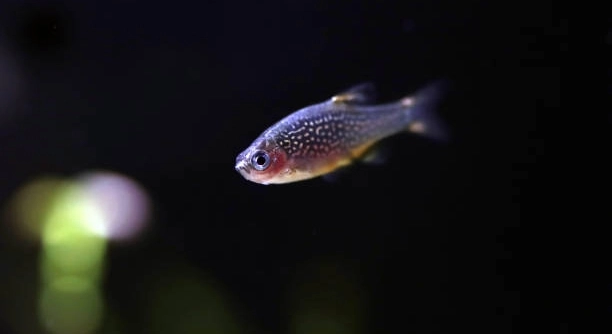
Danios are usually peaceful fish, but even the calmest tanks can experience sudden bursts of aggression. Minor changes in their environment or behavior can spark conflicts, surprising many hobbyists who expect a harmonious community.
Several unusual situations can trigger fights among Danios, including overcrowding, competition for food, changes in water parameters, introduction of new tank mates, dominance behavior, breeding instincts, and even unexpected reflections or disturbances within the aquarium. These factors often escalate minor tensions into aggressive interactions.
Understanding these triggers will help you maintain a calmer tank and reduce stress among your Danios over time. Observing their behavior carefully is key to peaceful coexistence.
Overcrowding in the Tank
When a tank is too full, Danios can quickly become stressed. These active fish need space to swim freely, and limited room can make them feel trapped. Crowding leads to more frequent chasing, nipping, and aggressive displays. Even a tank that seems large might not accommodate the number of fish you have. Regularly observing your fish helps you identify signs of stress early. Increased aggression, hiding, or sudden changes in swimming patterns often indicate the need for more space. Providing proper tank size and limiting the number of Danios ensures a calmer environment. Decorations and plants can help break line-of-sight conflicts, giving each fish a small area to claim temporarily. Overcrowding not only triggers fights but can also weaken their immune systems, making them more susceptible to disease. Planning the tank carefully from the start prevents unnecessary stress and keeps your Danios healthy.
Overcrowding directly increases stress and aggression among Danios, making space a critical factor for maintaining harmony in your tank.
Adding dividers and rearranging decorations can reduce direct confrontations and give each fish its own area to swim safely, lowering tension significantly.
Competition for Food
When Danios compete for limited food, minor squabbles can escalate quickly. Fast eaters may chase slower fish, creating tension that lasts even after feeding. Unequal access to food can lead to repeated skirmishes and heightened stress.
Providing multiple feeding spots reduces competition and ensures all fish get enough nutrition.
Spreading food evenly across the tank helps prevent fights and allows shy fish to eat without harassment. Measuring portions carefully avoids leftover food that can pollute the water. Observing feeding behavior helps identify which fish are bullied or dominant. Adjusting the feeding method or schedule can create a calmer routine, reducing conflicts. Over time, proper feeding management leads to a healthier, more peaceful community.
Changes in Water Parameters
Sudden shifts in temperature, pH, or hardness can make Danios anxious and aggressive. Even small fluctuations stress them, leading to chasing and nipping among tank mates. Maintaining stable water conditions is essential for their well-being.
Regularly testing water helps catch imbalances before they escalate. Danios are sensitive to both rapid and repeated changes. Sudden drops in temperature can trigger skittish behavior, while swings in pH may increase irritability. Using a reliable heater, filter, and water conditioner keeps the environment steady. Even partial water changes need to be carefully managed to avoid shocking the fish. Stability in water parameters supports natural behavior, reduces stress, and limits aggression, creating a more peaceful tank overall.
Observation is key. Watching how Danios respond after adjustments or water changes can indicate if more gradual measures are needed. Stress signs like hiding or erratic swimming should prompt immediate action to prevent fights.
Introduction of New Tank Mates
Adding new fish can disturb the established social balance in a Danio tank. Existing fish may chase newcomers or become territorial, escalating into conflicts that can persist for days or weeks.
New fish should be quarantined before introduction to prevent disease. Gradually acclimating them to water conditions reduces shock and stress. Rearranging decorations can help prevent territorial disputes, giving both new and established Danios areas to explore without constant confrontation. Monitoring interactions closely during the first few days allows timely intervention if fights intensify. Sometimes separating overly aggressive individuals temporarily helps restore calm.
Patience is essential when integrating new tank mates. Adjustments in feeding, tank layout, and observation routines all contribute to minimizing tension and supporting a more peaceful community. With careful management, Danios can coexist harmoniously despite initial conflicts.
Dominance Behavior
Danios establish a hierarchy, and dominant individuals may chase or nip weaker ones to assert control. This behavior is natural but can appear aggressive, especially in smaller or crowded tanks.
Ensuring adequate space and hiding spots helps reduce tension, allowing lower-ranking fish to retreat safely.
Breeding Instincts
During breeding periods, male Danios become more territorial and competitive. They may chase rivals aggressively to attract females or defend spawning areas. Providing separate breeding tanks or dense plants can minimize conflicts. Careful observation is necessary to prevent injury and stress among all tank inhabitants.
Reflections and Disturbances
Danios can mistake reflections or sudden movements outside the tank for other fish, triggering short bursts of aggression. Minimizing reflective surfaces and limiting sudden disturbances helps maintain calm in the aquarium.
FAQ
Why do Danios fight even in a large tank?
Even in spacious tanks, Danios may display aggression due to social hierarchies, territorial behavior, or stress from minor environmental changes. Dominant fish may chase weaker ones to establish control. Providing plenty of swimming space, hiding spots, and visual barriers helps reduce tension and keeps interactions calmer.
How can I tell if my Danios are stressed?
Signs of stress include hiding, erratic swimming, frequent chasing, nipping, loss of appetite, and faded colors. Stress often increases the likelihood of fights. Monitoring behavior regularly and maintaining stable water conditions, consistent feeding, and adequate space can minimize stress-related aggression.
Is overcrowding the main cause of fights?
Overcrowding is a common trigger, but it is not the only cause. Even in properly sized tanks, competition for food, dominance struggles, and environmental disturbances can lead to conflicts. Ensuring balanced population density and reducing competition areas helps maintain peace.
Can water quality affect aggression?
Yes. Sudden changes in temperature, pH, or hardness can make Danios irritable and prone to fighting. Regular testing, gradual water changes, and stable filtration are essential for reducing stress and promoting harmony among tank mates.
How should I introduce new Danios?
New fish should be quarantined first to avoid disease. Gradually acclimate them to tank water and rearrange decorations to break up established territories. Observing interactions during the first days and separating overly aggressive individuals if necessary helps minimize conflicts.
Do Danios fight more during feeding?
Competition for food can trigger nipping and chasing, especially if portions are limited. Using multiple feeding spots and spreading food across the tank reduces direct competition. Observing feeding behavior helps identify dominant or bullied fish and allows adjustments to prevent repeated conflicts.
Can reflections in the tank cause fights?
Danios may mistake their reflections for other fish, leading to brief bursts of aggression. Minimizing reflective surfaces, using backgrounds, and avoiding sudden external movements helps prevent unnecessary stress and confrontations.
Are certain Danio species more aggressive than others?
Some species, like Tiger Danios, are naturally more active and assertive. While activity levels don’t always mean constant fighting, higher energy fish may trigger minor skirmishes. Selecting species with compatible temperaments and monitoring interactions helps maintain a peaceful environment.
What role do breeding instincts play in aggression?
During breeding periods, males become territorial and competitive, often chasing rivals to defend spawning areas. Dense plants or separate breeding tanks reduce stress and prevent injury to females and weaker males. Careful observation ensures safe interactions.
How long do fights usually last?
Fights can range from short bursts of chasing to extended harassment, depending on causes and tank conditions. Quick interventions, adjustments to tank layout, and ensuring adequate space often help calm tensions and restore a peaceful balance.
Can rearranging the tank reduce aggression?
Yes. Changing decorations, adding plants, or breaking line-of-sight reduces territorial disputes and allows fish to retreat safely. Periodic rearrangement can also prevent dominant individuals from monopolizing certain areas.
Is aggression normal in Danios?
A small amount of aggression is normal and part of their social behavior. Constant or escalating fighting signals environmental or social stress, which needs attention to prevent injury and maintain overall health.
How do I separate aggressive fish safely?
Temporary separation using a divider or moving aggressive individuals to a different tank allows calm to return. Gradual reintroduction and observation are important to ensure fights do not resume immediately.
What preventive steps can I take for a peaceful tank?
Maintain proper population density, stable water conditions, adequate hiding spots, and multiple feeding areas. Observe behavior regularly and intervene when necessary. Proper planning and care create a calmer, healthier environment for all Danios.
How can I reduce stress during maintenance?
Perform water changes gradually, avoid sudden movements, and keep noise levels low around the tank. Stress reduction minimizes aggression and promotes consistent, natural behavior among your Danios.
Are Danios more aggressive at certain times of day?
Some activity spikes occur around feeding times or during early morning and late evening. Consistent routines and adequate space during these periods help limit conflicts.
Does tank size alone prevent fights?
Tank size is important but not sufficient. Space helps, but environmental stability, feeding strategies, and hiding spots are equally critical to reduce aggression. Proper management ensures harmony beyond simply enlarging the tank.
Can stress from other species trigger fights?
Yes. Aggressive or incompatible tank mates can increase tension, causing Danios to become defensive or retaliatory. Choosing compatible species and monitoring interactions is essential to avoid cross-species aggression.
Is it normal for Danios to chase each other occasionally?
Short bursts of chasing are typical social behavior, often part of establishing hierarchy or play. Persistent harassment or injury, however, indicates a problem that requires attention.
Can diet influence aggression?
Balanced nutrition supports health and reduces stress-induced aggression. Unequal access to food or low-quality diets may increase competition and fights among tank mates. Providing multiple feeding points and quality food promotes calm behavior.
Do Danios remember previous fights?
They can recognize dominant individuals and may avoid or challenge them based on prior encounters. Observing patterns helps identify persistent bullies and manage tank dynamics effectively.
How often should I monitor for aggression?
Daily observation, especially during feeding, water changes, or introductions, is important. Early detection of stress or aggression allows timely intervention and prevents escalation.
What should I do if fights escalate?
Immediate separation of aggressive fish, rearranging tank decorations, and reviewing water and feeding conditions help restore calm. In severe cases, adjusting the number of Danios or creating separate tanks may be necessary.
Can hiding spots reduce fighting?
Yes. Plants, rocks, and ornaments allow lower-ranking fish to retreat, breaking line-of-sight conflicts. Adequate hiding spots are crucial for minimizing stress and preventing repeated harassment.
Is aggression more common in male Danios?
Males are often more territorial and active, especially during breeding. Proper tank layout, space, and observation can help manage their assertive behavior and prevent constant fighting.
Can aggressive behavior harm fish long-term?
Repeated stress and injury from fighting can weaken the immune system, slow growth, and even cause death. Early intervention and environmental adjustments are critical to long-term health.
Does lighting affect aggression?
Sudden or bright lighting may startle fish, triggering short-term aggression. Gradual lighting changes and consistent day-night cycles help maintain calm behavior in the tank.
How do I know if my tank is too small?
Signs include frequent chasing, stress behaviors, and limited swimming space. Following recommended tank sizes for Danios and providing adequate room for each individual ensures a calmer community.
Can reflections trigger long-term aggression?
Usually, reflections cause temporary bursts of chasing. Persistent fighting over reflections may indicate high stress levels or other environmental issues that need addressing.
Are Danios more aggressive alone or in groups?
They are schooling fish, and small groups or solitary individuals may exhibit more aggression. Keeping a sufficient number of Danios allows natural social structures to form, reducing stress-induced conflicts.
Do seasonal changes affect aggression?
Temperature fluctuations or changes in daylight patterns can influence activity levels and stress. Maintaining stable water conditions and consistent lighting helps prevent seasonal spikes in aggression.
Can aggression be completely eliminated?
It cannot be fully eliminated, as some chasing is natural. However, proper care, space, feeding, and observation significantly reduce harmful aggression and promote a healthier tank environment.
How does tank layout influence fights?
Open areas allow fast swimming but may encourage chasing, while plants and decorations break line-of-sight and provide retreats. A well-planned layout balances activity with safe spaces, reducing conflicts effectively.
What is the best way to calm a stressed tank?
Gradual water changes, adequate hiding spots, consistent feeding, and minimizing disturbances calm stressed Danios. Observing and addressing early signs of aggression prevents escalation and maintains a harmonious tank.
Are young Danios less aggressive than adults?
Juveniles usually show playful chasing rather than serious aggression. As they mature, dominance and territorial behaviors increase, requiring careful monitoring and adequate space.
Can overcrowding and competition combine to increase fights?
Yes. Crowded conditions paired with limited food or hiding spots intensify aggression. Reducing density, increasing feeding stations, and adding cover helps manage these overlapping stressors.
How long does it take for new fish to integrate?
Integration varies from days to weeks. Gradual acclimation, observation, and tank adjustments support smoother social acceptance and minimize prolonged fights.
Are some Danios naturally more aggressive than others?
Yes, individual temperament plays a role. Recognizing persistent bullies and adjusting tank management or separating aggressive individuals helps maintain peace.
Can stress from maintenance tasks trigger fights?
Sudden water changes, cleaning, or loud movements can cause temporary aggression. Performing tasks slowly and calmly reduces stress and limits short-term conflicts.
Does feeding frequency matter for aggression?
Regular, evenly distributed feeding reduces competition and stress. Irregular or sparse feeding increases chasing and dominance displays, especially in mixed groups.
Can tankmates influence the intensity of fights?
Aggressive or incompatible species can provoke Danios, escalating disputes. Careful selection and monitoring of tankmates help maintain balanced interactions.
Are fights usually physical or just chasing?
Most fights involve chasing and nipping rather than severe injury. However, prolonged harassment can lead to stress, wounds, and weakened immunity.
Do Danios need visual barriers?
Yes. Barriers reduce direct line-of-sight conflicts and give fish retreats. Plants, rocks, or ornaments support calmer social interactions and prevent dominance disputes.
How do I prevent recurring fights?
Maintain stable water, provide space, distribute food evenly, and monitor social dynamics. Addressing issues early prevents recurring stress and aggression among Danios.
What is the main takeaway about Danio aggression?
A small amount of chasing is normal, but careful tank management, feeding, space, and observation minimize harmful fights, ensuring healthier, calmer fish.
How do I safely observe fights?
Watch from a distance to avoid stressing the fish further. Note which individuals are aggressive or stressed, then make adjustments without direct interference.
Can hiding spots be too dense?
Excessive cover may limit swimming space and lead to stress in active fish. Balance open swimming areas with safe retreats to meet all Danios’ needs.
Does diet type affect aggression levels?
High-quality, balanced food reduces stress-related aggression. Poor diets or unequal access increase competition, so careful feeding strategies support calmer interactions.
Are some tank setups better than others for Danios?
Yes. Open swimming areas combined with plants, rocks, and visual barriers provide balance, supporting both natural activity and safe retreats for weaker fish.
How long should I monitor after adding new fish?
Observe closely for the first week to identify conflicts. Adjustments in layout, hiding spots, or temporary separation may be needed to prevent prolonged aggression.
Do Danios get along better in larger groups?
Generally, yes. Properly sized schools allow natural social hierarchies, reducing constant harassment of weaker fish and promoting calmer behavior overall.
Can tank size prevent fights alone?
Tank size helps but is insufficient alone. Space must be paired with hiding spots, stable water, feeding strategies, and careful observation to minimize aggression effectively.
How do I manage aggressive individuals long-term?
Separate or temporarily isolate aggressive fish, provide ample space, and adjust feeding or layout. Monitoring ensures a healthier tank environment and prevents ongoing disputes.
Are all nipping incidents serious?
Not always. Occasional chasing or light nipping can be normal social behavior. Persistent or injurious attacks indicate environmental or social stress that requires intervention.
Do reflections only cause temporary aggression?
Usually yes. However, repeated reflection-induced stress may worsen if combined with other environmental factors like overcrowding or poor water quality.
Can seasonal temperature changes trigger fights?
Yes. Sudden drops or rises in temperature can stress fish, making them more likely to chase or nip. Maintaining stable conditions minimizes this risk.
How important is routine observation?
Daily monitoring helps detect stress, aggression, and health issues early. Prompt adjustments prevent escalation and maintain a peaceful, healthy Danio community.
Is aggression more common in smaller tanks?
Smaller tanks increase the likelihood of disputes due to limited space and fewer hiding spots. Proper stocking and environmental enrichment reduce tension.
Can rearranging plants reduce aggression?
Yes. Moving plants and decorations breaks visual lines, giving fish retreats and reducing repeated conflicts between dominant and subordinate individuals.
How do I prevent dominance fights?
Provide space, hiding spots, and multiple feeding locations. Observation and intervention for persistent aggressors help maintain balance within the tank.
Do Danios always fight over territory?
Not always. Chasing can occur for hierarchy, food, or during breeding. Providing proper space and retreats reduces territorial disputes and stress.
How do I support shy Danios?
Add plants, rocks, and hiding spots. Feed in multiple locations and monitor dominant fish to ensure shy individuals can feed and swim safely without harassment.
Are certain decorations better for reducing fights?
Dense plants, rocks, and visual barriers help. Avoid too many open areas where dominant fish can chase others continuously. Balanced layouts promote calmer interactions.
Does lighting intensity affect aggression?
Bright or sudden lighting changes can startle Danios, leading to chasing. Gradual, consistent lighting maintains natural behavior and reduces stress-related fights.
How long should new tank mates be observed?
At least a week is recommended. Intervene if aggression persists. Gradual acclimation and proper layout adjustments help new fish integrate successfully.
Can multiple factors combine to increase fights?
Yes. Overcrowding, poor feeding, unstable water, and territorial behavior together amplify aggression. Addressing all factors is key to a peaceful tank.
Are Danios more aggressive during specific times?
Activity peaks during feeding or early morning and evening. Adequate space, hiding spots, and calm handling help reduce conflicts during active periods.
How do I know if aggression is harming health?
Look for injuries, faded colors, loss of appetite, or stress behaviors. Prompt intervention and adjustments prevent long-term health problems.
Can aggressive behavior be predicted?
Monitoring individual temperaments and responses to environmental changes helps anticipate conflicts. Early intervention minimizes escalation and injury.
Does tank décor placement affect aggression?
Yes. Strategic placement of plants, rocks, and barriers reduces line-of-sight conflicts, providing safe zones for weaker fish.
Is separating fish the only solution to fights?
Not always. Adjusting space, hiding spots, feeding, and monitoring behavior can reduce aggression without permanent separation.
How do I maintain long-term harmony?
Stable water, adequate space, hiding spots, balanced feeding, and careful observation keep Danios peaceful. Early action on signs of stress or aggression ensures a healthy tank.
Can stress from sudden noise trigger fights?
Yes. Loud or abrupt sounds can startle Danios, causing short-term aggression. Minimizing disturbances promotes a calmer environment.
Are aggressive fish always males?
Males are more likely to show territorial behavior, but females may also chase during social conflicts. Observation is necessary to manage aggression.
How do I prevent feeding-related fights?
Spread food across multiple areas, provide sufficient portions, and observe dominant individuals to reduce competition and stress during feeding.
Do Danios form stable hierarchies?
Yes. Understanding the hierarchy helps anticipate which fish may be targeted and allows interventions like rearranging decorations or providing retreats.
Is aggression more common in new tanks?
Yes. Newly established social structures and territories often lead to more chasing. Time, space, and observation help stabilize behavior.
How do I balance active swimming and calm spaces?
Combine open areas for swimming with plants and decorations for retreats. This balance supports natural activity while reducing conflicts.
Can breeding pairs increase overall tank aggression?
Yes. Males defending spawning sites may chase other fish. Providing dense plants or separate breeding areas reduces stress on the community.
Do Danios fight over food more than territory?
Both can trigger aggression, but limited food often leads to repeated skirmishes. Multiple feeding points reduce competition and calm the tank.
How do I prevent recurring dominance disputes?
Maintain space, hiding spots, and observe interactions. Separating aggressive individuals temporarily and rearranging the tank helps prevent persistent conflicts.
Does tank size influence dominance fights?
Larger tanks reduce frequency but do not eliminate hierarchy struggles. Proper layout and environmental enrichment are necessary for harmony.
Can tank temperature spikes trigger fights?
Yes. Sudden increases in temperature can stress fish, leading to chasing or nipping. Stable conditions prevent aggression caused by environmental stress.
Do Danios fight more in mixed-species tanks?
Interactions with incompatible or aggressive species may trigger defensive or retaliatory behavior, escalating conflicts. Careful species selection and observation reduce cross-species aggression.
Can frequent water changes cause stress-related fights?
Rapid or large changes can startle fish. Gradual, controlled water changes help maintain stability and reduce aggression.
How do I encourage peaceful behavior long-term?
Maintain stable water, proper space, hiding spots, multiple feeding points, and regular observation. Early intervention prevents prolonged stress and fights.
Are aggressive bursts always triggered by visible factors?
Not always. Internal stress from hierarchy, minor injuries, or health issues can also cause chasing or nipping. Careful observation helps identify underlying causes.
Can lighting schedules affect social behavior?
Yes. Consistent day-night cycles and gradual transitions reduce stress and minimize aggressive interactions.
Is it normal for Danios to chase each other occasionally?
Yes. Short bursts of chasing are part of hierarchy establishment. Persistent harassment or injury indicates a problem that needs attention.
How do I monitor aggression without causing more stress?
Observe from a distance, noting which individuals are aggressive or stressed. Make adjustments quietly to maintain calm behavior.
Can tank shape affect aggression?
Elongated tanks allow more swimming space but may increase chasing if hiding spots are insufficient. Balanced layouts with open areas and cover work best.
Do aggressive fish always target weaker individuals?
Mostly, yes. Dominant fish tend to chase lower-ranking ones. Providing retreats and hiding spots helps weaker fish avoid constant harassment.
How can I make feeding times less stressful?
Multiple feeding points, proper portion sizes, and calm distribution reduce competition and prevent aggression during meals.
Are some plants better for hiding than others?
Dense, tall plants provide effective retreats, while low or sparse plants offer less protection. Combining plant types balances activity and safety.
Does water clarity influence aggression?
Poor water clarity can stress Danios, making them more likely to chase or nip. Clean, clear water supports calm, natural behavior.
Can frequent rearranging help reduce fights?
Yes, occasional rearrangement prevents territorial monopolies and gives fish new spaces to explore, reducing repeated conflicts.
Final Thoughts
Maintaining a peaceful Danio tank requires understanding their natural behavior and environmental needs. Aggression is often a result of stress, overcrowding, competition, or changes in the tank. Even minor factors, such as reflections, sudden movements, or water fluctuations, can trigger chasing and nipping. Observing your fish regularly helps you identify early signs of tension, like hiding, erratic swimming, or faded colors. Addressing these behaviors promptly can prevent more serious conflicts and ensure that all fish remain healthy. Providing enough space, stable water parameters, and multiple hiding spots supports a calmer environment, allowing Danios to express normal social behaviors without constant conflict. Proper tank management is not just about size or decoration, but about creating a balanced ecosystem where each fish has room to swim, eat, and retreat when needed.
Feeding practices also play a significant role in reducing aggression. Competition for food is a common trigger, so spreading food across several areas and providing enough for all fish helps prevent chasing and stress. Observing feeding patterns can reveal dominant or bullied individuals, allowing adjustments to the routine. Additionally, new fish should be introduced gradually and with careful observation. Rearranging decorations or adding temporary barriers can help break up territories and reduce initial conflicts. Even seemingly small interventions, like adding dense plants or adjusting tank layout, can make a noticeable difference in behavior. Over time, consistent attention to these factors can maintain a peaceful, healthy tank and minimize the stress that often leads to fights.
Understanding the social dynamics of Danios is essential for long-term harmony. Dominance hierarchies are natural, but excessive aggression can harm fish and affect overall health. Providing adequate space, environmental enrichment, and stable water conditions allows weaker or shy individuals to avoid constant harassment. Breeding periods and natural activity spikes should be considered when planning tank setups. Monitoring behavior daily, especially after changes in the tank or introduction of new fish, allows for early intervention. Balancing open swimming areas with hiding spots ensures that active fish have space to move while others have retreats to reduce stress. By combining careful observation, thoughtful tank management, and consistent care, it is possible to minimize conflicts and create a stable, calm environment where Danios can thrive together naturally.

Hello,
If you enjoy the content that we create, please consider saying a "Thank You!" by leaving a tip.
Every little bit helps us continue crafting quality advice that supports the health, happiness, and well-being of pets around the world, for pets of all shapes, sizes, and species.
We really appreciate the kindness and support that you show us!