
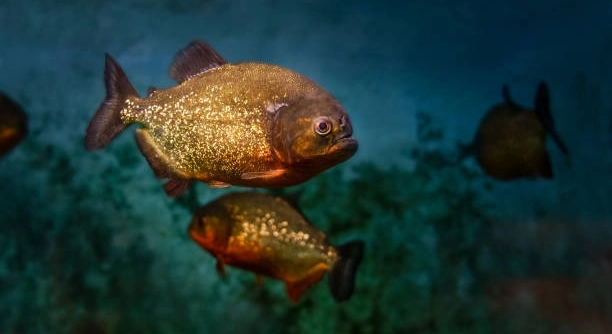
Keeping piranhas in captivity reveals behaviors quite different from their wild counterparts. These fish often show unexpected likes and dislikes that can surprise even experienced aquarists. Understanding these preferences helps improve their care and wellbeing.
Piranhas in captivity display unusual food choices, unique social behaviors, and specific habitat preferences that differ from natural environments. Their reactions to tank setups, feeding routines, and companionship highlight distinct captive needs often overlooked in care guidelines.
Recognizing these uncommon traits offers valuable insight into piranha care and encourages better tank management for healthier, more comfortable fish.
Piranhas’ Unusual Food Preferences
Piranhas are often thought to eat only meat, but in captivity, their diet can be quite varied. Many captive piranhas show interest in fruits and vegetables, which is not typical for their wild diet. They may nibble on cucumber, zucchini, or even bits of melon. This shift likely comes from their controlled environment, where they don’t need to hunt constantly. Additionally, some piranhas prefer live food like small fish or insects, while others accept frozen or pellet food with less enthusiasm. Caretakers have noticed that piranhas may reject unfamiliar foods at first but gradually adapt if offered consistently. Feeding them a mixed diet helps keep them healthy and reduces aggression, as they are less likely to compete fiercely for food when their preferences are met. Paying attention to these subtle preferences makes a big difference in maintaining a peaceful aquarium.
Despite their fierce reputation, many piranhas show surprisingly selective eating habits when kept in tanks.
Understanding their food choices helps ensure they receive balanced nutrition and avoid unnecessary stress.
Social Behavior in Captivity
Piranhas behave differently in groups when in captivity compared to the wild. In natural settings, they form schools mainly for hunting and protection. In tanks, the space is limited, and this changes how they interact. Some piranhas become territorial and aggressive, while others seem to tolerate each other better in stable groups. Interestingly, certain piranhas prefer to be alone or in very small groups, showing shy or reserved behavior. They may hide often or stay near tank decorations instead of swimming openly. This behavior can signal stress or discomfort, so it’s important to watch for signs and adjust the environment accordingly. Providing plenty of hiding spots and ensuring the tank size is adequate reduces conflict. Observing how your piranhas interact will help you create a balanced group that coexists with less tension and more natural behavior.
Many piranhas prefer smaller groups or solitude when kept in tanks.
Recognizing these social needs supports a calm environment and healthier fish overall.
Tank Setup Preferences
Piranhas in captivity often prefer tanks with plenty of hiding spaces. They feel safer when they can retreat from view. Decorations like plants, rocks, and driftwood make them more comfortable and reduce stress.
Providing varied hiding spots creates a more natural environment. Piranhas use these areas to rest and avoid aggressive tank mates. Open swimming space is still important, but balance is key. If the tank is too bare, piranhas may become nervous or aggressive. Adding dense plants and structures mimics their natural habitat and encourages natural behavior. Keep in mind that overdecorating can limit swimming, so find the right mix for their comfort and health.
Adjusting tank setup based on their behavior improves their wellbeing. Observing where they spend time helps identify their preferences. Over time, piranhas show clear signs of which areas they favor for resting or hiding, allowing you to tweak the environment to suit their needs.
Feeding Frequency and Timing
Feeding captive piranhas too often can cause health problems like obesity and poor water quality. Many experts recommend feeding them every other day instead of daily. This schedule better matches their natural feeding habits.
Piranhas are more active and willing to eat during certain times of the day, often early morning or late afternoon. Feeding during these periods supports their natural rhythms. Overfeeding can lead to leftover food that pollutes the tank and stresses fish. By spacing out meals and sticking to consistent feeding times, piranhas remain healthier and more alert. Observing their reactions during feeding helps adjust timing and amounts to fit their unique needs and keep the aquarium balanced.
Water Temperature Sensitivity
Piranhas are sensitive to changes in water temperature. Sudden shifts can stress them, affecting their appetite and behavior.
Maintaining a stable temperature between 75°F and 80°F helps keep them healthy and active.
Uncommon Tank Mates
Choosing tank mates for piranhas is tricky. Most fish are seen as food or competition, so only certain species tolerate them well.
Peaceful, larger fish that are not too slow or brightly colored tend to coexist better. Avoid small or delicate fish that might provoke aggression.
Lighting Preferences
Piranhas prefer moderate lighting in their tanks. Too bright lighting stresses them and encourages hiding, while dim lighting helps them feel secure and display natural behavior.
Adjust lighting to mimic natural day-night cycles for healthier, calmer fish.
FAQ
What do piranhas eat in captivity?
In captivity, piranhas eat a variety of foods, including live or frozen fish, insects, and specially formulated pellets. They may also nibble on some vegetables like cucumber or zucchini, which isn’t typical in the wild. Offering a balanced diet helps maintain their health and reduces aggressive behavior during feeding time.
How often should I feed my piranhas?
Feeding every other day is usually best for captive piranhas. Overfeeding can cause obesity and pollute the tank with leftover food. Keeping a consistent feeding schedule helps maintain their natural rhythm and keeps the water quality stable.
Can piranhas live with other fish?
Piranhas are aggressive and may attack smaller or slow-moving fish. They do better with larger, peaceful species that don’t resemble typical prey. Always monitor tank mates closely to avoid conflicts and stress.
What size tank do piranhas need?
A tank of at least 30 gallons per piranha is recommended. Larger tanks reduce territorial aggression and provide enough space for swimming and hiding spots. Proper tank size is crucial for their health and comfort.
How do I keep my piranhas from fighting?
Providing plenty of hiding places and enough space helps reduce fights. Feeding them properly and maintaining water quality also lowers stress and aggression. Sometimes, separating very aggressive individuals is necessary.
What water temperature do piranhas prefer?
Piranhas thrive in water temperatures between 75°F and 80°F. Keeping the temperature stable avoids stress and health issues. Sudden changes in temperature can cause illness or unusual behavior.
Do piranhas need lighting?
Moderate lighting is best. Too bright lights make piranhas hide and become stressed, while dimmer lighting encourages natural behavior and calmness. Using a timer to mimic day-night cycles helps keep their environment consistent.
How can I tell if my piranhas are stressed?
Signs of stress include hiding constantly, loss of appetite, erratic swimming, and increased aggression. Stress can come from poor water quality, improper tank mates, or lack of hiding spaces. Regular observation helps catch problems early.
What decorations work best for piranha tanks?
Natural decorations like driftwood, rocks, and plants provide hiding spots and mimic their habitat. Avoid sharp objects that could injure them. Balanced décor gives piranhas places to rest and feel safe.
How do I maintain water quality for piranhas?
Regular water changes, proper filtration, and avoiding overfeeding keep water clean. Piranhas produce a lot of waste, so monitoring ammonia, nitrite, and nitrate levels is important. Clean water reduces disease risk and promotes healthy fish.
Can piranhas live alone?
While piranhas are social in the wild, some do well alone in captivity. However, many show less stress and more natural behavior when kept in small groups, provided the tank is large enough and hiding spots are available.
Are piranhas dangerous in home aquariums?
Piranhas can bite, but they rarely attack humans in tanks. Handling should be done carefully, and tank maintenance requires caution. They are generally safe when respected and cared for properly.
Piranhas are often misunderstood fish, especially when kept in captivity. They have unique behaviors and preferences that don’t always match what people expect based on their wild reputation. Caring for piranhas means paying close attention to their needs, such as diet, tank environment, and social interactions. These fish are not just aggressive eaters; they have specific habits that help them feel safe and comfortable in a home aquarium. Understanding these habits is important for anyone who wants to keep them healthy and happy.
One key point is that piranhas in captivity often show different food preferences compared to those in the wild. They may eat fruits and vegetables along with their usual protein diet. Providing a varied diet helps meet their nutritional needs and lowers aggression during feeding. Besides food, tank setup plays a big role in their wellbeing. Piranhas like plenty of hiding spots where they can rest and feel secure. A tank with plants, rocks, and driftwood creates a better living space for them. It is also important to keep the water temperature stable and the lighting moderate. These factors reduce stress and promote natural behavior.
Lastly, social behavior and feeding routines are very important to consider. Piranhas can be aggressive, especially when kept in small tanks or with the wrong companions. Some prefer smaller groups or even living alone, while others tolerate peaceful tank mates. Feeding them every other day rather than daily helps avoid health issues and keeps the water clean. Watching their behavior carefully and adjusting care as needed leads to better health and fewer problems. Taking these steps makes captive piranhas more manageable and ensures they live longer, healthier lives in home aquariums.

Hello,
If you enjoy the content that we create, please consider saying a "Thank You!" by leaving a tip.
Every little bit helps us continue crafting quality advice that supports the health, happiness, and well-being of pets around the world, for pets of all shapes, sizes, and species.
We really appreciate the kindness and support that you show us!