
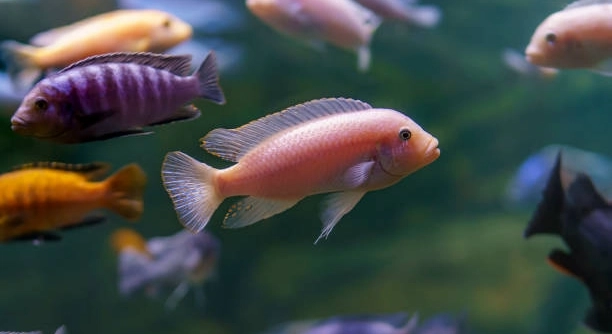
Fry can display behaviors that seem unusual or confusing, especially when they are young. Observing their movements and interactions can reveal patterns that are both fascinating and unexpected, showing more than just simple survival instincts.
Many unusual fry behaviors are driven by instinctual needs, environmental responses, or social interactions. Actions such as darting, nipping, or clustering serve purposes like feeding efficiency, predator avoidance, and establishing social hierarchies, reflecting complex biological and behavioral adaptations.
Recognizing these behaviors helps you understand your fry better and ensures a healthier, more balanced environment for their growth and development.
Darting and Sudden Movements
Fry often dart quickly across the tank, which can seem alarming at first. These sudden movements are usually a natural response to stimuli in their environment. Changes in light, water currents, or nearby tankmates can trigger short bursts of speed. Young fry are naturally more skittish because they are vulnerable to predators in the wild. Darting also helps them explore their surroundings and locate food. Watching closely, you can see patterns in how they react, which can help you predict when they are stressed or excited. Providing hiding spots and keeping the tank environment stable can reduce unnecessary stress and create a calmer space. Over time, fry may become more confident in their movements, learning which areas are safe and where to find nourishment. Understanding this behavior ensures they grow healthier and more comfortable in their habitat.
These quick movements are normal and reflect natural instincts, not aggression or illness.
Observing darting closely can reveal underlying needs. Fry use these bursts to escape threats, explore food sources, or interact with other fry. Sudden movements are often linked to survival instincts, even in a safe tank. They may also signal curiosity or alertness. Keeping the tank predictable and providing cover supports their natural behavior and prevents stress. Over time, you may notice that some fry are more cautious while others are more adventurous, showing personality differences early on. Adjusting feeding routines and maintaining calm water conditions can further encourage healthy movement patterns.
Nipping and Minor Biting
Nipping among fry is common and usually part of establishing social order. It rarely causes serious harm but is important to monitor for aggressive trends.
Fry use nipping to explore and interact with tankmates. It helps establish boundaries, compete for food, and learn social cues. Observing the frequency and intensity can indicate whether the tank balance is healthy. Minor nips are normal, but persistent targeting of one individual can stress or injure them. Interventions include adding hiding spots, increasing feeding frequency, or separating overly aggressive fry. Tank size, population density, and species behavior all influence nipping tendencies. Careful monitoring and adjustments allow fry to interact naturally while minimizing stress.
Over time, nipping contributes to growth and social learning. Fry recognize boundaries, establish pecking orders, and develop behaviors essential for survival. Providing ample space and resources reduces conflict and supports fair interactions. Aggression tends to lessen as fry grow and social hierarchies stabilize. Environmental enrichment, like plants or small structures, helps fry disperse and reduces direct confrontations. Regular observation ensures that all individuals thrive and maintain a healthy balance. By understanding this behavior, caretakers can create an environment where fry develop naturally while preventing injuries and stress from prolonged aggression.
Clustering and Shoaling
Fry often cluster together, forming tight groups for safety and comfort. This behavior is natural and helps them feel secure. Clustering reduces stress and mimics their instinctive response to predators, even in a safe tank environment.
Clustering provides protection and encourages social interaction. Fry feel safer when close to others, which reduces panic and allows them to explore their surroundings with less fear. This behavior also aids in feeding, as they follow more experienced fry toward food sources. Over time, you may notice clusters shift depending on where light, temperature, or food is concentrated. Observing these patterns can help you adjust tank conditions and placement of hiding spots to support healthy social behavior. Consistent water quality and gentle handling further enhance comfort and reduce unnecessary stress among fry.
Shoaling also influences growth and development. Fry moving as a group can learn from each other, adapt faster to environmental changes, and develop stronger instincts. Providing enough space and resources ensures that clustering remains beneficial rather than causing overcrowding. Plants and decorations help create natural gathering points and allow shy fry to participate safely. Maintaining a calm environment encourages steady interaction, helping fry grow into confident, well-adjusted fish while still expressing natural grouping behaviors.
Surface Skimming
Fry often skim near the water surface to feed or explore. This behavior is common and usually linked to oxygen intake and feeding instincts.
Surface skimming allows fry to access floating food efficiently while also observing surroundings. Young fry instinctively seek higher oxygen levels near the surface, which supports healthy growth. Observing this behavior helps identify feeding patterns and energy levels, ensuring fry receive adequate nutrition. Over time, you may notice some fry prefer specific levels in the tank, which is natural. Adjusting feeding methods and surface coverage ensures all fry get access to food while maintaining water quality. Proper aeration and gentle water flow help fry remain comfortable near the surface, preventing stress.
Repeated surface skimming supports both feeding and development. Fry often circle or glide near the top, learning where food collects and practicing balance. This behavior also encourages interaction, as fry respond to movements of others while exploring. Providing floating food and small surface areas for rest can support healthy growth. Monitoring this habit allows you to assess overall tank oxygen levels and make minor adjustments if necessary. Over time, fry learn to navigate multiple tank levels, showing natural adaptation and skill development that benefits long-term survival and well-being.
Resting and Hovering
Fry often hover in one spot, appearing still. This is a normal resting behavior that helps conserve energy while they grow.
Hovering also allows fry to observe their environment safely. Remaining in one area reduces stress and prepares them for sudden movements or feeding opportunities.
Fin Flaring
Fry sometimes flare their fins during interactions. This behavior signals dominance, territorial awareness, or readiness to compete for food. Flared fins can also indicate excitement or heightened alertness. Observing these moments helps track social dynamics and ensures all fry interact safely.
Bottom Grazing
Fry frequently explore the tank bottom, grazing on leftover food or algae. This behavior supports nutrition and encourages natural foraging instincts.
Rapid Tail Flicking
Tail flicking is a common response to nearby movement or water disturbances. It helps fry maintain balance and respond quickly to environmental changes.
FAQ
Why do my fry dart around the tank so quickly?
Fry dart quickly as a natural survival instinct. Sudden movements help them avoid perceived threats and locate food efficiently. Young fry are especially skittish because they are more vulnerable. Ensuring a calm tank environment and gentle lighting reduces unnecessary stress and helps them move confidently.
Is it normal for fry to nip each other?
Yes, nipping is a normal social behavior. Fry use gentle nips to establish boundaries, compete for food, and understand social hierarchies. Monitoring the intensity is important. Occasional nipping is harmless, but persistent aggression toward one fry may require extra hiding spots or adjustments in population density.
Why do fry cluster together so often?
Clustering is a natural instinct for safety. Fry feel more secure in groups, which reduces stress and allows them to explore or feed with confidence. Providing enough space and environmental enrichment like plants or decorations ensures clustering doesn’t lead to overcrowding and allows fry to practice normal social behaviors.
What causes fry to skim the water surface constantly?
Surface skimming is linked to feeding and oxygen intake. Fry instinctively seek floating food and higher oxygen levels near the surface. Maintaining proper aeration, gentle water flow, and offering floating food supports this natural behavior while preventing stress or competition among fry.
Why do some fry hover or stay still for long periods?
Hovering conserves energy and allows fry to observe their environment. It’s common when fry are resting or feeling secure in a specific area. Providing safe zones and avoiding sudden disturbances encourages healthy resting behavior without triggering panic or excessive darting.
Do fry flare their fins for any reason?
Yes, fin flaring communicates dominance or readiness to compete. It can indicate excitement, alertness, or territorial behavior. Observing this helps you understand social interactions in the tank. Over time, these displays usually balance out as fry establish their social hierarchy.
Why are my fry grazing the bottom of the tank?
Bottom grazing is a normal foraging behavior. Fry explore for leftover food or algae, which supplements their diet. Providing a variety of food sources and maintaining a clean substrate encourages natural feeding habits and reduces stress from competition for resources.
What does rapid tail flicking mean?
Tail flicking helps fry maintain balance and respond quickly to movement or water changes. It is a normal reflex that shows alertness and helps fry adjust to environmental changes. Monitoring flicking can indicate stress or excitement levels and signal when tank adjustments are needed.
Can fry behaviors indicate stress or illness?
Yes, unusual or exaggerated behaviors can signal stress or poor health. Constant darting, excessive nipping, or lethargy may point to overcrowding, poor water quality, or lack of hiding spaces. Regular observation and maintaining stable tank conditions support healthier, calmer fry.
How can I encourage natural behaviors in fry?
Providing a stable environment, adequate space, and hiding spots encourages healthy fry behaviors. Balanced feeding, gentle lighting, and proper water flow support natural instincts like clustering, grazing, and surface skimming, helping fry develop confidently and safely.
Do all fry show the same behaviors?
No, individual fry show different tendencies. Some are bold and exploratory, while others are cautious or shy. Recognizing personality differences helps tailor care and ensures all fry thrive, allowing confident fry to lead without overwhelming the more timid ones.
Is monitoring fry behavior necessary for their growth?
Absolutely. Observing behaviors like darting, clustering, or grazing provides insights into their health, social interactions, and environment suitability. Timely adjustments based on observations improve survival rates, growth, and overall well-being in the tank.
How do environmental changes affect fry behavior?
Sudden changes in light, temperature, or water chemistry can trigger stress behaviors. Fry may dart, cluster tightly, or skim the surface more frequently. Keeping conditions stable and gradually introducing changes minimizes stress and supports healthy behavioral development.
Are hiding spots important for fry?
Yes, hiding spots reduce stress and support natural behaviors like clustering and resting. Plants, decorations, or small shelters allow shy fry to feel secure while letting bolder fry explore freely, maintaining a balanced tank dynamic.
Can fry behaviors predict future health or personality?
Often, yes. Bold, active fry tend to adapt quickly and grow confidently, while cautious fry may need more protection and gradual exposure. Observing early behaviors helps anticipate needs and tailor care for optimal growth and social development.
Final Thoughts
Observing fry behaviors can be fascinating and insightful. Each movement, from darting to clustering, reflects instinctual needs and responses to their environment. Fry are constantly learning and adapting, even in a tank setting. Understanding these natural behaviors helps in creating a stable and supportive habitat where they can grow confidently. Paying attention to how fry interact with each other and with their surroundings provides valuable clues about their health, stress levels, and social dynamics. Simple adjustments, like adding hiding spots or maintaining calm water conditions, can significantly reduce stress and encourage natural behavior. Over time, noticing small patterns, like who tends to hover near the surface or who flares fins more often, allows you to better meet the needs of each individual. Recognizing these behaviors as normal rather than worrying unnecessarily creates a more informed and effective approach to fish care.
Fry behaviors also reveal a lot about their social development. Nipping, clustering, and surface skimming are all part of learning how to interact safely with tankmates. Each action has a purpose, whether it is establishing a social hierarchy, exploring food sources, or avoiding perceived threats. Observing these interactions closely can guide adjustments in tank setup and population management. Providing enough space, food, and environmental enrichment ensures that fry can express these behaviors naturally without unnecessary conflict or stress. Overcrowding or poor water conditions can exaggerate aggressive or skittish behaviors, while a balanced environment allows fry to establish comfortable routines. By understanding what each behavior signals, caretakers can anticipate issues before they become serious. This awareness helps create a harmonious tank where fry can grow stronger, more confident, and healthier.
Ultimately, supporting fry means respecting their natural instincts and observing them carefully. Behaviors like rapid tail flicking, hovering, or grazing are not random—they are vital parts of development and survival. Creating an environment that accommodates these behaviors ensures that fry grow in a way that is both safe and natural. Regular observation, consistent feeding, and stable water conditions are key to reducing stress and promoting steady growth. Over time, what may have seemed unusual or unpredictable will become clear patterns, giving insight into individual personalities and needs. Understanding fry in this way allows for better long-term care, helping them transition from fragile, young fish to healthy, well-adjusted adults. Careful attention and small, thoughtful adjustments make a significant difference, ensuring that fry not only survive but thrive in their environment.

Hello,
If you enjoy the content that we create, please consider saying a "Thank You!" by leaving a tip.
Every little bit helps us continue crafting quality advice that supports the health, happiness, and well-being of pets around the world, for pets of all shapes, sizes, and species.
We really appreciate the kindness and support that you show us!