
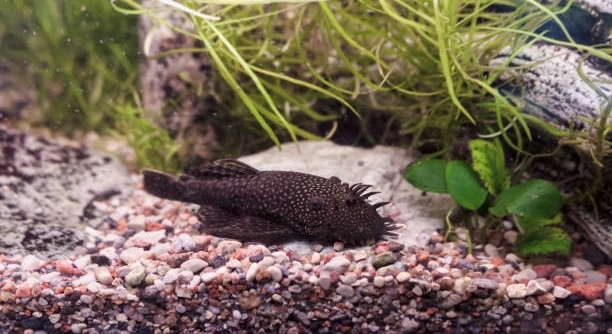
Plecos are fascinating aquarium fish, often exhibiting unusual behaviors. As a fish keeper, you may notice some of these odd actions from time to time. It’s important to understand what’s normal and harmless.
While plecos may act strangely, most of their behaviors are harmless and part of their natural instincts. These actions include digging, hiding, and even suctioning to surfaces. Understanding these tendencies can help in their care and ensure a healthy environment.
By recognizing these behaviors, you can better understand your pleco and provide the best care possible. Keep reading to learn more about what these unusual actions mean and how to manage them.
Why Plecos Dig and Move Gravel
Plecos are known for their habit of digging through the substrate in their tanks. This behavior is completely normal and part of their natural instincts. In the wild, plecos often dig for food or to create a hiding spot. In your tank, they might dig to search for food or simply explore their environment. Sometimes, they will move gravel or sand around while searching for algae or detritus, which they naturally consume.
This digging behavior is often a sign of a healthy, active pleco. However, if you notice them digging excessively, it could indicate they are stressed or not getting enough food. Ensuring a proper diet with plenty of algae-based foods and other nutrients can help keep your pleco content and reduce unnecessary digging.
Make sure to provide your pleco with an environment that includes hiding spots like caves or rocks. These spaces allow them to feel secure, which may reduce excessive digging. It also provides them with the stimulation they need to stay active and healthy.
Why Plecos Suction to Surfaces
Plecos frequently suction themselves to surfaces, including tank walls, decorations, and even other fish. This behavior is entirely natural. They have specialized mouthparts that act like a suction cup, which they use to cling to surfaces. This allows them to feed on algae and biofilm that form on these surfaces.
Plecos use their suction to maintain stability in flowing water as well. In the wild, they often live in rivers with strong currents, so their ability to anchor themselves to rocks or debris helps them stay in one place. In an aquarium, they may simply be using this ability to graze on algae or to rest in a spot where they feel secure.
While it can look odd, suctioning to various surfaces is not a sign of distress. However, it’s important to ensure your pleco has plenty of surfaces to suction to so they can feel comfortable. Too much suctioning to a single spot, particularly on other fish or equipment, could indicate overcrowding or a lack of space. Providing ample hiding spots and a well-maintained tank is key to keeping your pleco healthy.
Why Plecos Sometimes Hover in One Spot
Plecos often hover in one spot, staying still for long periods. This behavior is normal, as they may simply be resting or feeding. They can attach themselves to surfaces using their strong mouths, allowing them to stay put and graze on algae or biofilm without exerting much energy.
If your pleco hovers in one spot for long periods, it’s a sign they’re comfortable and feeding efficiently. However, if they remain stationary for days with no interest in food or exploration, this could signal stress or poor water conditions. It’s important to monitor water quality, ensuring proper filtration, temperature, and oxygen levels.
Sometimes, plecos hover near a specific spot that provides the best food or comfort. If you see your pleco gravitating to a particular area of the tank, it may be because of a surplus of algae or a comfortable, hidden spot. Understanding where and why they choose to hover can help you create a more suitable environment for them.
Why Plecos Appear to Be Restless at Night
At night, plecos can become more active, especially in the absence of light. They are nocturnal by nature, meaning they thrive in dim lighting or darkness. During the day, they may hide in caves or beneath decorations, but at night, they tend to explore more actively. This behavior is linked to their search for food, as they often feed more during the night.
If you notice your pleco becoming restless after the lights go out, it’s simply part of their natural rhythm. They may swim around, suck onto surfaces, or dig through the substrate in search of food. Keeping the aquarium dark during the night is ideal for their active hours.
Providing plenty of algae, detritus, and other food sources can keep your pleco satisfied during their nocturnal activities. You may also notice them feeding on any uneaten food that sinks to the bottom. Understanding their behavior helps you anticipate their needs and adjust the environment accordingly.
Why Plecos Sometimes Flare Their Fins
When a pleco flares its fins, it can look alarming, but this behavior is usually harmless. Plecos may flare their fins when they feel threatened or when they’re simply trying to make themselves appear larger to other tank inhabitants.
In some cases, plecos may flare their fins during mating rituals or in response to environmental changes. If your pleco flares its fins regularly, it might be reacting to stress or competition with other fish in the tank. Monitoring the tank environment and ensuring there’s no overcrowding or aggressive tankmates can help reduce this behavior.
Why Plecos Sometimes Swim Upside Down
Occasionally, you might notice your pleco swimming upside down. This behavior is typically a sign of curiosity or an attempt to explore. Plecos are bottom-dwelling fish, but they sometimes venture into the water column, especially if they’re looking for food or new areas to explore.
Upside-down swimming can also occur if the pleco is struggling to orient itself, often due to poor water conditions or a lack of stable hiding spots. Make sure the water is clean and the tank is appropriately equipped to reduce stress. Adding extra hiding spots can help your pleco feel secure.
Why Plecos Produce Bubbles
Plecos often produce bubbles around their tank, which may appear strange at first. This behavior is usually related to their feeding or respiratory patterns. In some cases, plecos will create bubbles as they search for food or when they are feeling more active.
These bubbles may also form around plecos’ hiding spots as a sign of their presence. While the bubbles themselves are harmless, it’s essential to ensure your pleco’s environment remains stable. Keeping the tank clean and ensuring that the pleco has plenty of surfaces to graze on will help prevent any issues related to excessive bubble formation.
FAQ
Why do plecos stick to the glass?
Plecos are known for sticking to the glass, and this behavior is completely normal. They have specialized mouths that act like suction cups, which allow them to cling to surfaces. This ability helps them stay in place while feeding on algae or biofilm that accumulates on the glass. In the wild, plecos often attach themselves to rocks and other surfaces to stay anchored in strong currents. In your aquarium, they do the same thing, whether it’s to find food or simply to rest.
If your pleco seems to be spending more time attached to the glass, it’s likely because it’s enjoying the algae or biofilm that builds up there. However, if they’re sticking to the glass for prolonged periods, it could also indicate that they’re not getting enough to eat elsewhere in the tank. Make sure your pleco has access to enough algae wafers or other food sources to prevent this from becoming a concern.
How often should I feed my pleco?
Feeding frequency is crucial to the health of your pleco. Typically, plecos should be fed once a day, but some aquarists prefer to offer food every other day, depending on the pleco’s size and tank conditions. Plecos are omnivores and enjoy a diet that includes both plant matter and protein. Offering a variety of foods, such as algae wafers, vegetables, and sinking pellets, will ensure they’re getting all the nutrients they need.
Overfeeding can lead to water quality issues, as uneaten food will decay in the tank. It’s important to remove any leftover food to prevent ammonia spikes, which can harm your pleco and other tank residents. Monitor your pleco’s appetite and adjust feeding amounts accordingly to keep them healthy and prevent waste build-up.
Is it normal for plecos to hide during the day?
Yes, it’s normal for plecos to hide during the day. These fish are naturally nocturnal, meaning they are more active at night. During daylight hours, they often seek out dark, secure hiding spots where they can rest. If your pleco is hiding during the day, it’s likely just following its natural behavior.
Make sure your tank provides plenty of hiding places, like caves, rocks, or driftwood, so your pleco feels safe. If your pleco isn’t coming out at night either, it could indicate stress, poor water quality, or a lack of food. In that case, it’s worth checking the tank’s conditions and ensuring everything is in order.
Why does my pleco sit at the surface of the water?
If your pleco is sitting at the surface of the water, it might be an indication of a few things. It could be a sign that your pleco is trying to breathe more easily, especially if the water has low oxygen levels. Plecos have gills and can absorb oxygen from the water, but if the oxygen level is low, they may swim to the surface to gulp air.
Alternatively, plecos may float near the surface in search of food. Some plecos will also float near the surface after eating, allowing their food to digest before they go back to their bottom-dwelling behavior. If this behavior is persistent and not linked to feeding, you should check your tank’s water quality, especially oxygen levels and filtration, to ensure it’s suitable for your pleco.
Can plecos live with other fish?
Yes, plecos can live with other fish, but care should be taken when choosing tankmates. Plecos are peaceful by nature and usually get along with most community fish. However, they can become territorial, especially during feeding times, and might clash with other bottom-dwelling species.
Make sure to avoid overcrowding the tank, as plecos need ample space to swim and establish their own territory. Larger species of plecos, such as the common pleco, can become aggressive if they feel threatened or cramped. Be mindful of the other fish’s size and temperament before introducing them to your pleco’s tank to avoid conflicts.
Why does my pleco have white spots?
White spots on a pleco’s body can be a sign of a common parasite called Ich, or white spot disease. This disease causes small white cysts to appear on the skin, gills, and fins of the fish. If left untreated, it can be fatal. Ich is usually caused by poor water quality or sudden temperature changes.
If you notice white spots on your pleco, it’s important to quarantine them and treat the water with an appropriate anti-parasitic medication. Raising the temperature slightly can speed up the parasite’s life cycle, but be cautious and ensure the water stays within a safe range for your fish. Regular water changes and maintaining good tank conditions will also help prevent Ich.
How can I tell if my pleco is stressed?
Stressed plecos often exhibit a variety of behaviors. They might stop eating, become lethargic, or hide more frequently. Stress can also cause plecos to flare their fins or act more aggressively than usual. Stress is often caused by poor water quality, overcrowding, or incompatible tankmates.
To minimize stress, ensure your pleco has a stable environment with proper water conditions, including a balanced pH, temperature, and adequate filtration. Avoid sudden changes in the tank, and make sure your pleco has plenty of hiding spots and a suitable diet. If stress continues, it could be a sign that something else is wrong, and further investigation is needed.
Do plecos need a special tank setup?
While plecos don’t require overly complex setups, they do need a few specific things to thrive. A well-maintained tank with good filtration is crucial for plecos, as they produce a lot of waste. Additionally, they need plenty of hiding spots, such as caves or driftwood, to feel secure.
Plecos are bottom-dwelling fish, so a substrate of sand or fine gravel is best. Avoid rough gravel that could harm their delicate underside. A heater to maintain the appropriate temperature and a well-functioning filter are also essential for keeping your pleco healthy. Ensure the tank is large enough for your pleco to grow, as some species can reach impressive sizes.
Final Thoughts
Plecos are unique and fascinating fish with distinct behaviors that can sometimes seem puzzling. However, most of their actions, such as hiding during the day, flaring their fins, or sticking to surfaces, are completely normal and part of their natural instincts. Understanding these behaviors helps to create a better environment for them. It’s essential to monitor their overall health, ensuring they have enough space, food, and appropriate tank conditions to thrive.
One key aspect of caring for plecos is providing a balanced diet. Plecos are known for eating algae, but they also need a variety of foods, such as algae wafers, vegetables, and sinking pellets, to ensure they receive all the nutrients necessary for good health. Overfeeding or underfeeding can cause problems, so it’s important to find a balance and remove any uneaten food to maintain water quality. Regular water changes and a well-maintained filtration system are crucial to prevent any water quality issues, which could lead to stress or illness.
By observing and understanding your pleco’s behaviors, you’ll be better equipped to create a happy, healthy environment for them. Ensuring that they have proper hiding spots, stable water parameters, and compatible tankmates will help them thrive in your aquarium. The more you learn about your pleco’s habits and needs, the more rewarding your experience with these fascinating fish will be.

Hello,
If you enjoy the content that we create, please consider saying a "Thank You!" by leaving a tip.
Every little bit helps us continue crafting quality advice that supports the health, happiness, and well-being of pets around the world, for pets of all shapes, sizes, and species.
We really appreciate the kindness and support that you show us!