
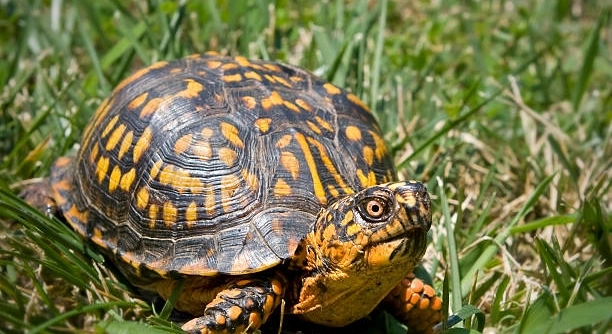
Box turtles are a unique and fascinating species, known for their distinct appearance and behaviors. They stand apart from other types of turtles, and understanding what makes them different can enhance your appreciation for these charming creatures.
The main traits that set box turtles apart from other turtles include their ability to fully close their shells, their terrestrial lifestyle, and their distinctive, high-domed shells. These features are key to their survival and behavior in the wild.
Box turtles’ special characteristics allow them to thrive in specific environments. Knowing more about their unique features can help you understand their place in the animal kingdom.
Ability to Close Their Shells Completely
Box turtles are one of the few turtle species that can fully close their shells. This ability is made possible by a unique hinge located on their bottom shell, or plastron. When threatened, the turtle can pull its head, legs, and tail inside and close the shell tightly. This protective feature helps shield them from predators and extreme weather conditions. Unlike other turtles that only partially retract into their shells, box turtles can completely seal themselves off. It’s a highly effective defense mechanism, offering them greater protection compared to most other turtle species.
This feature makes box turtles stand out from other types of turtles, where the protection provided by their shells is less comprehensive. The ability to close their shell allows box turtles to stay safe from predators like foxes or birds of prey.
For those who own box turtles as pets, it’s important to understand this trait. The shell’s hinge can occasionally become stiff, requiring careful handling to avoid causing harm. This unique characteristic plays a crucial role in their survival in the wild and in captivity.
Their Terrestrial Nature
Box turtles are primarily land dwellers. Unlike aquatic turtles, they are not often found in ponds or lakes. Their habitat of choice includes woodlands, grasslands, and forests, where they can forage for food and burrow. They require areas with plenty of plants and fallen leaves for shelter and to regulate their temperature.
This terrestrial lifestyle also affects their feeding habits. Box turtles are omnivores, eating a mix of plants, insects, and small animals. Their diet varies based on the season and availability of food in their environment. They also have a slower metabolism than some aquatic species, which means they can go without food for longer periods.
Understanding this behavior is crucial when caring for box turtles in captivity. Unlike water turtles, they need a dry, safe space to roam and forage. Without proper land-based environments, their health can suffer. Therefore, a turtle-friendly space needs to provide both shelter and food sources suited for a land-based lifestyle.
Distinctive High-Domed Shell
Box turtles are known for their unique, high-domed shells. These shells are typically more rounded and elevated than those of most other turtle species. The high dome provides extra protection against predators, making it harder for a predator to crush the turtle’s body. The dome also helps with mobility, allowing the turtle to move around more easily on land.
These high-domed shells come in various colors, patterns, and textures. Some box turtles have brightly colored shells with intricate designs, which make them stand out visually. The shell acts as a shield, but it also plays a role in the turtle’s ability to maintain balance and stability.
The structure of the shell is made from a combination of bones and keratin. Over time, the shell grows with the turtle, providing a lifelong protection system. In addition to physical protection, the high dome also aids in regulating the turtle’s temperature by providing shade in hot environments. This adaptation makes box turtles one of the most well-protected species in their environment.
Slow Movement and Longevity
Box turtles are famously slow movers. While they can travel across the ground, they tend to move at a leisurely pace, often taking their time as they explore their environment. This slow movement is due to their heavy, protective shell and their preference for conserving energy. Unlike some species that dart quickly to escape danger, box turtles rely on their shell for protection, not speed.
Their slow pace does not hinder their ability to live long lives. In fact, box turtles are known for their impressive longevity. Many box turtles live for several decades, and some even reach over 100 years old in the wild. This long lifespan allows them to experience many stages of their environment, from young to old, while their protective shell offers constant defense.
The slow movement of box turtles doesn’t mean they’re inactive. They spend most of their time foraging for food, seeking shelter, and resting. However, their pace reflects a more deliberate approach to life. They conserve energy and focus on long-term survival, which is one reason why box turtles can live such long, healthy lives.
Their Strong Sense of Smell
Box turtles rely heavily on their sense of smell to find food and navigate their environment. They have specialized nostrils that allow them to detect even faint odors, which is crucial in finding food, mates, and suitable habitats. Their sharp sense of smell is one of their key survival tools.
This strong olfactory ability helps box turtles locate insects, fruits, and plants that make up their diet. They can also detect scents left by other animals, which aids them in avoiding potential dangers or finding suitable mates during mating season. The turtle’s reliance on scent helps them thrive in a variety of environments.
For box turtles, their sense of smell is just as important as vision. While their eyesight isn’t as sharp as some other animals, their noses guide them through their daily activities. This sensitivity to scent is vital for them to survive and adapt to changing conditions in their environment.
Low Maintenance Care
Box turtles are generally low-maintenance pets, but they do require specific care to thrive. They need a proper balance of sunlight, moisture, and shelter. Providing a suitable environment that mimics their natural habitat is key to keeping them healthy and content. A well-maintained enclosure with access to dry and moist areas is essential for their well-being.
Regular feeding is also important for box turtles. Their diet consists of fresh vegetables, fruits, and insects. You’ll need to monitor their food intake and make sure they get the proper nutrients for their age and size. This is particularly crucial as they are slow eaters and may not always eat enough on their own.
By paying attention to their diet and living conditions, box turtles can be easy to care for. They don’t require constant attention, but proper habitat setup and regular feeding will ensure they remain healthy and happy for many years. This simplicity is one of the reasons why many people choose them as pets.
Their Shell Patterns
Box turtles often have unique shell patterns that distinguish them from other turtle species. These patterns can vary widely, with some turtles featuring intricate designs in yellow, orange, or red on a dark background. These shells give each turtle an individual look.
The colorful patterns on box turtles serve more than just an aesthetic purpose. In some cases, they may help with camouflage, allowing them to blend into their surroundings in forests or grassy areas. This natural camouflage aids in protecting them from predators. The shell’s design may also reflect the turtle’s age and health.
Each box turtle’s shell pattern is like a fingerprint—no two are exactly alike. These unique features make box turtles easy to identify, and the patterns often change as they grow older, adding another layer of distinction to their already remarkable appearance.
Hibernation Habits
Box turtles go through a form of hibernation called brumation, especially during colder months. They typically dig into the soil and enter a state of reduced activity. This allows them to conserve energy when food is scarce and temperatures drop. Brumation is vital for their survival during winter.
This process is similar to hibernation in mammals but is less intense. During brumation, box turtles become inactive and slow their metabolism, allowing them to survive without food for long periods. They may occasionally wake up to drink water or adjust their position but remain largely inactive.
Understanding the brumation process is important for anyone keeping box turtles as pets. During colder months, it’s essential to create a suitable environment for them to rest. A proper brumation setup ensures they can safely undergo this process without any health risks.
Their Ability to Live in Different Climates
Box turtles are adaptable creatures that can live in a wide range of climates, from temperate forests to dry grasslands. While they typically thrive in warm areas, they can adjust to cooler temperatures during certain seasons. This flexibility makes them resilient to changes in weather.
Their adaptability extends beyond just temperature. Box turtles can handle varying humidity levels, provided they have access to water sources for hydration. They can often be found in areas with seasonal rainfall, where they can burrow into the soil to escape harsh conditions. This ability to live in diverse climates contributes to their widespread presence across various regions.
For box turtle owners, it’s important to provide them with a habitat that mimics their natural climate. A well-balanced environment ensures that they stay healthy regardless of the external weather conditions. Keeping a box turtle comfortable means creating conditions that allow them to adapt and thrive naturally.
FAQ
What do box turtles eat?
Box turtles are omnivores, meaning they eat both plants and animals. Their diet consists of a variety of foods, such as leafy greens, fruits, berries, and vegetables. They also enjoy eating insects, worms, and small invertebrates like snails. Occasionally, they may also consume fungi. To provide a balanced diet, it’s important to offer a mix of plant-based foods and protein-rich sources like insects. It’s essential to avoid feeding them processed foods or anything too salty, as these can harm their health.
How do box turtles drink water?
Box turtles drink water in a similar way to most land-based animals. They use their mouths to lap up water from shallow sources like puddles, streams, or water dishes. While they don’t require large amounts of water at once, it’s important to provide them with fresh water regularly. Box turtles also soak in water to stay hydrated, which helps keep their skin moist and their shells healthy. Offering a shallow, clean water dish in their habitat will ensure they can drink whenever needed.
Do box turtles need a special habitat?
Yes, box turtles need a specific habitat to thrive. In the wild, they live in woodlands, grasslands, and forest edges, so it’s important to recreate this environment if they’re kept as pets. They need an enclosure that includes both dry and moist areas. A dry area can serve as a resting spot, while a moist area allows them to soak and hydrate. They also require a hiding spot, such as a log or shelter, to retreat to when they feel threatened. Make sure the habitat has enough space for the turtle to roam and explore.
How long do box turtles live?
Box turtles have impressively long lifespans. In the wild, they can live anywhere from 50 to 100 years, with some even reaching over 100 years. In captivity, if given proper care, box turtles can live similarly long lives. Their longevity depends on factors such as diet, habitat, and overall health. Regular veterinary checkups and attention to their habitat conditions can ensure that box turtles reach their maximum potential lifespan.
How often should I feed my box turtle?
Box turtles should be fed regularly, but not excessively. As adults, they typically eat every other day, while juveniles may need daily feedings due to their faster growth rate. Their meals should include a mix of vegetables, fruits, and protein sources like insects or worms. It’s important to avoid overfeeding, as box turtles can become overweight if they consume too much food. Monitoring their weight and adjusting their feeding schedule based on their age and size will help maintain their health.
Can box turtles be kept together?
While box turtles can sometimes tolerate cohabitation, it’s not always ideal. They are solitary creatures by nature, and keeping multiple box turtles together can lead to stress, territorial disputes, and even aggression. If you choose to keep more than one, it’s crucial to provide enough space and resources, like separate hiding spots and feeding areas, to reduce conflict. It’s generally recommended to house box turtles individually to ensure they remain calm and stress-free.
Do box turtles need UVB light?
Yes, box turtles need UVB light for proper health. UVB light helps them synthesize vitamin D3, which is essential for calcium absorption and shell development. In the wild, box turtles get UVB exposure from sunlight. If kept indoors, they should be provided with a UVB light source, especially if they don’t have access to natural sunlight. A UVB light should be placed over their basking area and replaced regularly, as its effectiveness decreases over time. Proper lighting will prevent shell deformities and other health issues related to calcium deficiency.
What temperature should my box turtle’s enclosure be?
Box turtles require a range of temperatures in their enclosure to remain healthy. The basking area should be warmer, around 85-90°F, while the cooler end of the habitat can be around 70-75°F. This temperature gradient allows the turtle to regulate its body temperature by moving between warm and cool areas. Maintaining the right temperature is important to their digestion and overall well-being. Using a heat lamp and a thermometer can help monitor the temperature in their habitat.
Can box turtles swim?
Box turtles are not natural swimmers like aquatic turtles, but they can wade in shallow water. They are primarily terrestrial animals and prefer dry, land-based environments. While they can swim short distances if necessary, they don’t thrive in deep water. Box turtles may enjoy soaking in shallow water to hydrate or cool down, but they should not be placed in large, deep tanks without areas to climb out. It’s important to offer shallow water sources and avoid deep pools to prevent stress and potential drowning.
How do I know if my box turtle is healthy?
A healthy box turtle should have clear eyes, a firm and smooth shell, and an active, alert demeanor. Its shell should be free of cracks, pits, or soft spots. The turtle should move around without signs of lethargy or stiffness. A healthy box turtle will also have a good appetite and will be able to fully close its shell if it feels threatened. If you notice changes in its behavior, appetite, or physical appearance, it may be a sign of illness, and a veterinarian should be consulted.
What should I do if my box turtle gets sick?
If you suspect your box turtle is sick, it’s important to act quickly. Common signs of illness include a lack of appetite, abnormal behavior, lethargy, or noticeable changes in its shell or eyes. Take the turtle to a veterinarian who specializes in reptiles for a proper diagnosis. In many cases, early detection and treatment can lead to full recovery. Providing the correct environment, diet, and UVB lighting can prevent many health issues, but it’s always good to seek professional help if something seems off.
Final Thoughts
Box turtles are fascinating creatures with unique traits that make them stand out from other turtle species. Their ability to completely close their shells, their preference for land-based habitats, and their colorful, high-domed shells all contribute to their charm. These turtles are well-adapted to life in various climates and can live long, healthy lives if provided with the right care. Whether they’re living in the wild or kept as pets, box turtles thrive in environments that offer a mix of dry and moist areas, plenty of food, and space to explore.
Caring for box turtles is not overly complicated, but it does require attention to detail. A proper habitat is crucial for their health, including the right temperature, humidity, and access to both dry and wet areas. They also need a diet that mimics their natural food sources, including a variety of fruits, vegetables, and proteins. Regular cleaning of their enclosure and fresh water will help keep them comfortable and healthy. Additionally, if you are keeping a box turtle as a pet, make sure to provide enough space for them to roam, as these turtles are not meant to live in small, cramped conditions.
In the end, box turtles are a rewarding species to observe and care for. Their slow movements and unique behaviors offer a peaceful presence, and their long lifespan means you can enjoy them for many years. While they can be independent creatures, understanding their specific needs—such as proper lighting, a balanced diet, and occasional soaking—ensures they stay happy and healthy. Whether you are fascinated by their ability to close their shells or their colorful patterns, box turtles are truly a remarkable species worth appreciating.

Hello,
If you enjoy the content that we create, please consider saying a "Thank You!" by leaving a tip.
Every little bit helps us continue crafting quality advice that supports the health, happiness, and well-being of pets around the world, for pets of all shapes, sizes, and species.
We really appreciate the kindness and support that you show us!