
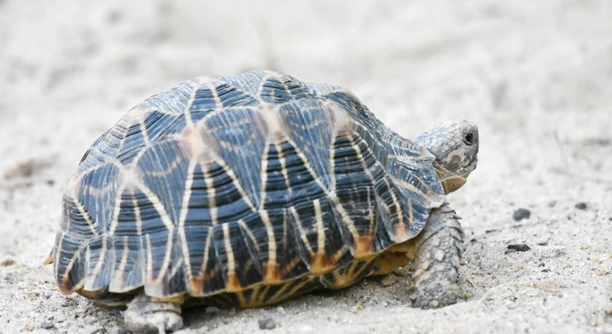
Indian Star Tortoises are an extraordinary species that capture the attention of many. Their unique appearance and behavior set them apart from other tortoises, making them a fascinating subject of study and admiration.
Indian Star Tortoises possess a range of remarkable traits, including their star-patterned shells, slow movement, and gentle nature. These tortoises are also known for their ability to adapt to various environments, making them resilient creatures in the wild.
Understanding the distinct features of Indian Star Tortoises highlights their importance in conservation efforts. From their patterned shells to their social behavior, each trait contributes to what makes them truly special.
Unique Star-Patterned Shells
One of the most striking features of Indian Star Tortoises is their beautifully patterned shells. The unique star-shaped designs are often golden or yellow, set against a dark brown or black background. These patterns are not just visually appealing; they also serve a purpose in the wild. The shell patterns help the tortoises blend into their natural environment, providing camouflage against predators. Each tortoise’s shell has a different design, making them truly one-of-a-kind. This individuality gives them a fascinating charm that makes them stand out among other species.
These star patterns are a result of specific evolutionary traits. They are not only visually striking but also crucial for their survival. The intricate designs help break up the outline of the tortoise, which can confuse predators looking for a clear target. Their shells also provide protection against harsh weather conditions, as they regulate the tortoises’ body temperature. The uniqueness of these patterns makes them instantly recognizable, showcasing nature’s beauty in a simple yet effective way.
Slow Yet Steady Movements
Indian Star Tortoises are known for their slow, deliberate movements. This trait is typical of most tortoises and serves a purpose in conserving energy. The slow pace allows them to be more cautious when navigating their surroundings.
Their calm, methodical movements give them an air of serenity. Moving at a slow speed helps the tortoises focus on their immediate environment, reducing the risk of injury. It also allows them to conserve energy, which is vital for survival, especially in environments with limited food sources. Although their pace may seem slow, their steady behavior ensures they avoid unnecessary risks and stay safe in the wild.
Their Gentle Temperament
Indian Star Tortoises are generally gentle creatures, making them a favorite among pet owners and researchers alike. They are known for being docile and calm, rarely showing signs of aggression. In the wild, they tend to be solitary, but they aren’t territorial. This laid-back attitude is one reason they’re admired by many.
Despite their calm nature, Indian Star Tortoises can be shy and prefer to keep to themselves. They often hide in their shells when they sense danger or feel threatened. However, in a peaceful environment, they can be very interactive, moving around without hesitation. These tortoises do not seek attention but do appreciate the calm presence of others. Their gentle temperament makes them one of the more approachable species of tortoise, which has contributed to their popularity in exotic pet trade markets.
Resilience in Harsh Environments
Indian Star Tortoises are highly resilient, thriving in some of the most challenging environments. These tortoises are native to dry, arid regions like the deserts of India and Sri Lanka. Their ability to survive in hot climates is impressive, as they can tolerate extreme temperatures.
The tortoises’ shells help them withstand harsh conditions by regulating their body temperature. When it gets too hot, they seek shelter under rocks or shrubs to avoid overheating. In addition, they have a slow metabolism, which helps them conserve energy. During times of drought, they can go without food for extended periods, relying on stored fat in their bodies. This survival strategy allows them to endure long periods without water, making them perfectly suited to the environments they inhabit.
Their strong survival instincts make them adaptable to changes in their habitat. Even though their natural habitats are increasingly threatened by human activities, Indian Star Tortoises have shown remarkable resilience. This trait is what allows them to continue thriving despite facing numerous environmental challenges.
Long Lifespan
Indian Star Tortoises are known for their impressive lifespan, with many living up to 50 years or longer. Their slow pace of life may contribute to their longevity, as it reduces wear and tear on their bodies. This long life is both a result of their genetics and their ability to avoid danger.
In the wild, these tortoises are not often preyed upon due to their strong shells, but they do face threats from habitat loss and the illegal pet trade. However, their lifespan can be much shorter in captivity if not properly cared for. With the right diet, space, and care, they can live for decades. Their slow rate of reproduction also means they don’t reproduce quickly, making their conservation more urgent.
When cared for properly, Indian Star Tortoises are a lifelong companion. They are a species that thrives in calm, stable environments, making them resilient to the passage of time. However, their long life also means they require dedicated attention to ensure their health and well-being.
Herbivorous Diet
Indian Star Tortoises follow a primarily herbivorous diet, feeding mostly on grasses, fruits, and leafy plants. Their diet is simple but nutritious, allowing them to thrive in their natural habitats. This plant-based diet provides the necessary vitamins and minerals to keep them healthy.
They rely on a variety of plants for sustenance, which helps them avoid nutritional deficiencies. Their digestive system is specially adapted to process fibrous plant material. By eating a balanced diet, Indian Star Tortoises can maintain their health for many years. Careful attention must be given to their diet in captivity, ensuring they get enough fiber and calcium.
Importance in Ecosystem
Indian Star Tortoises play a vital role in their ecosystem. As herbivores, they help maintain the balance of plant life by consuming various types of vegetation. Their eating habits prevent overgrowth of certain plants, promoting biodiversity.
Their movement also aids in seed dispersal. By eating fruits and plants, they carry seeds to different locations, helping plants spread across their environment. This indirect form of planting promotes a healthy ecosystem and contributes to the growth of new vegetation in their native regions. Without them, plant populations might become unbalanced, affecting the overall environment.
Need for Conservation
Indian Star Tortoises are currently under threat due to habitat destruction and illegal pet trade. Their slow reproduction rate makes it difficult for their population to recover quickly from such threats. Conservation efforts are crucial to ensuring their survival.
Efforts to protect their natural habitats are essential. Preserving their environment helps ensure that they have the resources they need to survive, from food to shelter. Strict laws against poaching and trade are also necessary to prevent further harm to their population.
FAQ
What is the lifespan of an Indian Star Tortoise?
Indian Star Tortoises have a long lifespan, often living for over 50 years if provided with proper care. In the wild, their lifespan can be influenced by environmental factors such as food availability and predators, but in captivity, with the right diet and conditions, they can live well into their 50s or beyond.
What do Indian Star Tortoises eat?
Indian Star Tortoises are primarily herbivores, feeding on a variety of grasses, fruits, and leafy plants. They may also consume some flowers and succulents, depending on their environment. A balanced diet that includes high-fiber plants and calcium-rich foods like dandelion greens, clover, and certain fruits is essential for their health.
Can Indian Star Tortoises be kept as pets?
Yes, Indian Star Tortoises can be kept as pets, but they require a specific environment to thrive. They need a warm habitat with access to natural sunlight or UVB lighting, along with a diet of fresh, fibrous plants. A spacious enclosure is also important, as these tortoises need room to roam and explore. Make sure their diet is varied and well-balanced to prevent health issues.
Are Indian Star Tortoises endangered?
Yes, Indian Star Tortoises are considered endangered. Their population is declining due to habitat loss, the illegal pet trade, and human activities. In the wild, they face threats from deforestation and overgrazing, which destroy their natural habitats. As a result, efforts are being made to protect them through conservation and strict laws on their trade.
How do Indian Star Tortoises regulate their temperature?
Indian Star Tortoises are ectothermic, meaning they rely on external sources to regulate their body temperature. They use their shells to help manage heat, seeking shade or burrowing under vegetation to cool down when it’s too hot. In colder conditions, they may enter a form of hibernation or brumation, where their metabolism slows to conserve energy.
Do Indian Star Tortoises make good pets for children?
Indian Star Tortoises can be a good choice for children, as they are gentle and easy to handle when properly cared for. However, they require a significant amount of attention, including specific dietary needs, habitat maintenance, and monitoring of their health. Parents should ensure that children understand the responsibility of caring for a long-living pet.
How can you tell the age of an Indian Star Tortoise?
The age of an Indian Star Tortoise can be estimated by counting the growth rings on their scutes (the individual segments of their shell). However, this method is not always accurate, as the rings may not form consistently in every individual. Typically, younger tortoises will have more distinct growth rings, while older tortoises may have more worn-down, less visible rings.
What is the best habitat for an Indian Star Tortoise?
Indian Star Tortoises thrive in warm, dry climates. If kept as pets, they require an enclosure that mimics their natural habitat, such as a warm terrarium with access to UVB lighting and plenty of space to move around. Outdoor enclosures should have areas for them to bask, hide, and graze on plants. Make sure their environment includes appropriate humidity levels and shelter from harsh weather conditions.
How much space do Indian Star Tortoises need?
Indian Star Tortoises require ample space to roam and explore. A single tortoise should have at least a 4-foot by 6-foot enclosure, but larger spaces are better. If kept outdoors, the enclosure should be securely fenced to prevent escape, as tortoises are excellent climbers and burrowers. A spacious environment promotes their physical health and well-being.
Can Indian Star Tortoises be released into the wild?
Releasing a captive Indian Star Tortoise into the wild is not recommended. Captive tortoises may not be able to adapt to their natural environment, especially if they have been kept in an artificial habitat. Additionally, releasing them can introduce diseases to wild populations. Conservation programs focus on protecting wild populations rather than encouraging the release of captive animals.
What is the breeding process for Indian Star Tortoises?
Breeding Indian Star Tortoises typically occurs during the warmer months, and they often engage in complex courtship rituals. Female tortoises lay eggs, usually between 2 to 6 eggs per clutch. The eggs are buried in the ground, and incubation lasts about 6 to 9 months. The temperature during incubation can influence the sex of the hatchlings, with warmer temperatures producing more females.
What diseases affect Indian Star Tortoises?
Indian Star Tortoises are susceptible to various diseases, including respiratory infections, shell rot, and metabolic bone disease (MBD). MBD is particularly common in captive tortoises due to inadequate calcium intake and lack of UVB exposure. Regular vet checkups, proper lighting, and a balanced diet can help prevent these health issues.
Can Indian Star Tortoises swim?
Indian Star Tortoises are not natural swimmers, but they can float and wade in shallow water if necessary. They do not spend a significant amount of time in water, unlike some other species of tortoises. However, they should have access to water for drinking and soaking, which helps with hydration and shell health.
What should you do if you find an Indian Star Tortoise in the wild?
If you encounter an Indian Star Tortoise in the wild, it is important to observe it from a distance without disturbing its natural behavior. If it appears injured or in danger, contact a local wildlife rescue organization or animal shelter. Avoid capturing the tortoise, as removing it from its natural habitat can cause harm to both the tortoise and the ecosystem.
Final Thoughts
Indian Star Tortoises are remarkable creatures, known for their unique star-patterned shells, gentle nature, and ability to adapt to difficult environments. These tortoises have earned admiration for their striking appearance and their resilience in the wild. Despite facing numerous threats, such as habitat destruction and the illegal pet trade, they continue to captivate people’s interest and inspire efforts for their conservation. Their slow pace and calm demeanor make them appealing to those interested in exotic pets, but they also require dedicated care to thrive in captivity.
Conservation of Indian Star Tortoises is critical to preserving this species for future generations. Habitat loss, along with the high demand for these tortoises in the pet trade, has caused their population to decrease significantly. Awareness and protective measures are necessary to ensure that these tortoises are not only preserved in the wild but also cared for in captivity. Efforts like habitat protection, legal regulations against poaching, and proper breeding programs can help maintain the delicate balance required to keep this species alive and well. It is essential that we respect their natural environment and support conservation efforts.
If you are considering an Indian Star Tortoise as a pet, remember that they require careful attention, patience, and the right environment. Their diet, habitat, and health care are crucial factors in ensuring their well-being and long lifespan. As fascinating as they are, owning one should not be taken lightly, as they depend on responsible care to thrive. With the right knowledge and commitment, these tortoises can be an enjoyable and rewarding addition to your life. However, it is important to stay mindful of the larger conservation efforts that support their existence in the wild.

Hello,
If you enjoy the content that we create, please consider saying a "Thank You!" by leaving a tip.
Every little bit helps us continue crafting quality advice that supports the health, happiness, and well-being of pets around the world, for pets of all shapes, sizes, and species.
We really appreciate the kindness and support that you show us!