
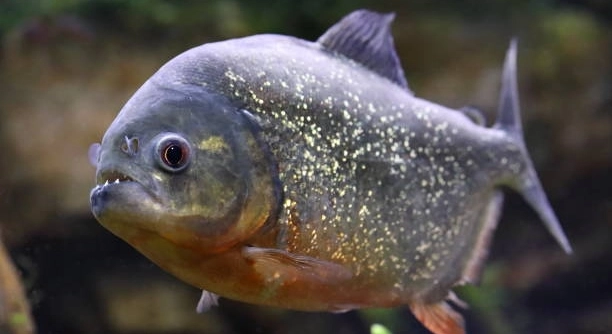
Piranhas are often seen as fierce predators in the wild. However, there are surprising dangers they face beyond their reputation. These threats come from many unexpected sources in their natural environment.
Piranhas encounter risks such as habitat loss, pollution, invasive species, climate change, disease, human interference, and natural predators. Each factor impacts their survival in ways that are often overlooked by casual observers and researchers alike.
Understanding these challenges sheds light on the complexity of piranhas’ lives and highlights the importance of protecting their ecosystems for the future.
Habitat Loss and Pollution
Piranhas rely on healthy rivers and lakes to live and hunt. Unfortunately, many waterways are changing because of human activities like deforestation, farming, and building dams. These actions reduce the space where piranhas can swim freely. Pollution from chemicals, trash, and waste also harms the water quality. Polluted water can affect their breathing and food sources, making it hard for piranhas to survive. Without clean water, their numbers may decrease, and their behavior could change. This problem is bigger than just one river or lake. Many piranha habitats across South America face similar threats. Protecting these environments is crucial to keep piranha populations stable and healthy. If the water stays clean and their homes remain safe, piranhas have a better chance of thriving for years to come.
Water pollution and habitat changes disrupt piranhas’ natural living conditions and reduce their survival chances significantly.
Preserving natural habitats and reducing pollution can help maintain piranha populations. Efforts such as controlling waste, restoring damaged areas, and creating protected zones for rivers are essential. These steps allow piranhas to live in balanced ecosystems where they can find food and reproduce safely. Without intervention, habitat loss will continue to shrink their living spaces and harm their health. Clean water supports not only piranhas but many other species, creating a healthy environment overall. Understanding how these changes affect piranhas highlights the importance of environmental care for all aquatic life.
Invasive Species
Invasive species can upset the balance in piranha habitats by competing for food and space.
Non-native fish or plants introduced into rivers may eat the same prey or take shelter where piranhas live. This competition can reduce food availability for piranhas, making survival tougher. Invasive species can also bring diseases that piranhas have never faced before, weakening their populations. In some cases, these newcomers grow quickly and spread fast, changing the river environment entirely. Managing invasive species requires monitoring and sometimes removing them to protect native wildlife like piranhas. When ecosystems stay balanced, piranhas are more likely to thrive without extra threats from outside species.
Climate Change Effects
Climate change alters water temperature and rainfall patterns in piranha habitats. These changes affect how much food is available and where piranhas can live comfortably.
Warmer water can lower oxygen levels, making it harder for piranhas to breathe. It also affects the growth of plants and smaller fish that piranhas feed on. Shifts in rainfall may cause flooding or droughts, disrupting breeding cycles and reducing suitable nesting areas. When their environment changes too quickly, piranhas struggle to adapt, leading to declines in population. These impacts are subtle but have long-term consequences for the species and the entire ecosystem.
Changes in climate also influence predator-prey relationships. Some predators may move into new areas, increasing threats to piranhas. Additionally, altered water conditions can increase the spread of diseases and parasites. The combined stress from these factors can weaken piranhas, making it harder for them to survive harsh conditions and reproduce effectively.
Human Interference
Humans affect piranhas through fishing, habitat destruction, and pollution.
Overfishing reduces piranha numbers directly, while destroying riverbanks and forests harms their homes. Human-made barriers, like dams, block migration routes needed for breeding and feeding. Pollution from farms, factories, and cities poisons water, affecting piranhas’ health and their prey. These activities can create unstable environments where piranhas find it difficult to thrive.
Beyond physical threats, human presence often causes noise and disturbance in piranha habitats. Boats, tourists, and construction disrupt natural behaviors such as hunting and mating. Sometimes, piranhas are caught for the aquarium trade, removing them from the wild population. Careful management and awareness are necessary to minimize these impacts. Protecting piranha environments helps maintain the balance in their ecosystems, ensuring they continue to play their important role in nature.
Natural Predators
Piranhas have natural enemies like caimans, river dolphins, and larger fish. These predators hunt piranhas for food, keeping their population balanced in the wild.
Birds such as herons also prey on young piranhas near the water’s surface, adding to the natural threat.
Disease and Parasites
Piranhas are vulnerable to diseases and parasites that spread easily in crowded or polluted waters. These health issues can weaken their immune systems, reduce their ability to hunt, and lower reproduction rates. Some parasites attach to their skin or gills, causing infections that may lead to death. Disease outbreaks in piranha populations can happen quickly, especially when water quality is poor or their habitat is stressed. Monitoring and protecting water conditions help reduce these risks, supporting healthier piranha communities and the larger ecosystem.
Human Activity Impact
Human activities continue to change piranha environments and affect their survival chances.
FAQ
What are the biggest threats to piranhas in the wild?
The biggest threats to piranhas include habitat loss, pollution, invasive species, climate change, disease, natural predators, and human interference. Each of these factors harms their ability to find food, reproduce, and live in safe environments. Habitat destruction and pollution reduce the places where piranhas can survive. Climate change affects water temperature and food supply. Invasive species compete for resources or spread diseases. Natural predators keep populations in check, while human activities often increase stress and danger for these fish.
How does pollution affect piranhas?
Pollution introduces harmful chemicals and waste into piranha habitats. This can reduce water quality, making it difficult for piranhas to breathe and find clean food. Pollutants like pesticides and heavy metals can poison piranhas directly or disrupt their food chains. Polluted waters also encourage the growth of harmful bacteria and algae, which further damage the ecosystem. Long-term pollution weakens piranha populations and causes health problems, sometimes leading to lower reproduction rates.
Can piranhas survive climate change?
Piranhas face challenges from rising water temperatures and changing rainfall patterns. Warmer water lowers oxygen levels, making survival harder. Changes in rainfall can cause floods or droughts, affecting breeding and feeding. Some piranhas may adapt, but rapid changes reduce their ability to survive in the wild. These conditions also increase diseases and affect predator-prey balance. Without stable habitats, piranhas struggle to maintain healthy populations.
Do invasive species threaten piranhas?
Yes, invasive species compete with piranhas for food and space. They can spread diseases that piranhas aren’t immune to. Some invasive fish grow quickly and change river environments, making it difficult for piranhas to thrive. Controlling these species is important to protect native piranha populations and keep ecosystems balanced.
How does human activity impact piranhas?
Human activities such as overfishing, pollution, and habitat destruction harm piranhas directly and indirectly. Overfishing reduces their numbers. Pollution from farms and factories poisons water and affects their health. Building dams blocks migration routes, stopping piranhas from reaching breeding areas. Human noise and presence also disturb their natural behavior. These combined pressures create unstable environments that threaten piranha survival.
Are piranhas at risk from diseases?
Piranhas can get diseases and parasites, especially in polluted or crowded waters. These health issues reduce their strength, hunting ability, and chances of reproducing. Parasites attach to their bodies, causing infections. Disease outbreaks can quickly affect large groups if water conditions worsen. Keeping habitats clean helps lower disease risks and supports healthier piranha populations.
What role do natural predators play?
Natural predators like caimans, river dolphins, and large fish control piranha populations. These predators keep numbers balanced by hunting them for food. Birds such as herons also prey on young piranhas. This natural balance prevents overpopulation and helps maintain healthy ecosystems. Predators are a natural part of life for piranhas and contribute to their survival over time.
How can people help protect piranhas?
Protecting piranhas starts with caring for their habitats. Reducing pollution, preventing habitat destruction, and controlling invasive species are key steps. Supporting conservation efforts and sustainable fishing practices also helps maintain populations. Raising awareness about how human actions affect piranhas can encourage better protection. Healthy ecosystems benefit piranhas and all the wildlife that depends on clean rivers and lakes.
Piranhas are often seen as tough and dangerous fish, but they face many challenges in the wild that threaten their survival. These threats come from changes in their environment, such as pollution and habitat loss, and from natural problems like predators and diseases. It is important to remember that piranhas are part of a larger ecosystem. When their populations suffer, it can affect many other animals and plants in their habitat. Protecting piranhas means protecting the rivers and lakes they live in, which benefits the whole environment.
Human activity has a big impact on piranhas, both directly and indirectly. Things like fishing too much, building dams, and polluting water make it harder for piranhas to live and reproduce. Pollution not only harms piranhas but also reduces the quality of the water where many species depend on to survive. Changes in climate bring additional problems like warmer water and less stable food sources. These factors combined create a difficult situation for piranhas to adapt quickly enough. Conservation efforts that focus on cleaner water, protecting natural habitats, and careful management of fishing can help piranhas recover and thrive.
Understanding the threats piranhas face helps us see why they need our attention and care. While they are often thought of as fierce hunters, they are also vulnerable to many dangers. Protecting piranhas is about balancing human needs with nature’s needs. It involves working to reduce pollution, limit habitat destruction, and manage ecosystems carefully. By doing this, we help keep piranha populations healthy and preserve the natural balance in their habitats. Taking small steps to protect rivers and lakes can make a big difference for piranhas and the many other creatures that share their home.

Hello,
If you enjoy the content that we create, please consider saying a "Thank You!" by leaving a tip.
Every little bit helps us continue crafting quality advice that supports the health, happiness, and well-being of pets around the world, for pets of all shapes, sizes, and species.
We really appreciate the kindness and support that you show us!