
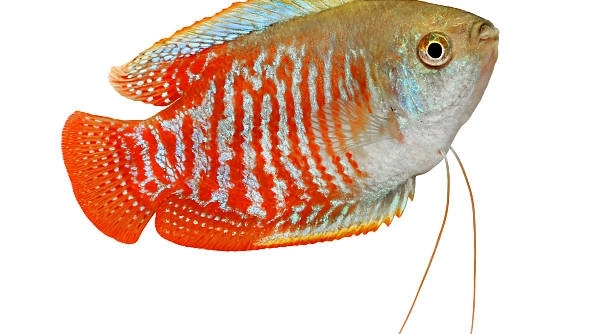
Gouramis are peaceful fish, but even small changes in their environment can affect their well-being. Many owners are surprised to learn that seemingly minor factors can cause stress in these delicate creatures. Awareness is key to keeping them healthy and calm.
Several unexpected factors can stress a gourami, including sudden changes in water temperature, poor water quality, aggressive tank mates, lack of hiding spots, improper diet, excessive noise, and overcrowding. These stressors can lead to illness and behavioral changes.
Recognizing these triggers early helps you create a calmer, healthier environment for your gourami, promoting longevity and overall happiness in their aquatic home.
Sudden Changes in Water Temperature
Gouramis are sensitive to even minor fluctuations in water temperature. A sudden drop or rise can shock their system, causing stress and weakening their immune response. When I first noticed my gourami hiding constantly, I realized the heater had failed during the night. It only took a few hours of unstable temperatures for her behavior to change noticeably. Maintaining a stable, appropriate temperature between 75°F and 82°F is essential. Using a reliable heater and thermometer helps prevent surprises and keeps your gourami active and healthy. Small adjustments should be made gradually to avoid unnecessary stress. Even brief exposure to extreme temperatures can result in health issues. Regular monitoring and proper equipment make a significant difference in their well-being.
Consistency in temperature is key for long-term health and reduces the risk of disease.
Keeping the water steady helps your gourami feel secure, swim comfortably, and maintain normal eating and social behaviors, creating a balanced and peaceful tank environment.
Poor Water Quality
Dirty or unbalanced water can quickly affect a gourami’s health. Even small amounts of waste or leftover food can change water chemistry. Regular cleaning and partial water changes are essential to keep ammonia and nitrite levels low. I learned that neglecting these tasks caused my gourami to develop dull colors and decreased activity. Investing in a good filter and monitoring pH, hardness, and nitrate levels can prevent these issues. Using dechlorinated water and maintaining consistent water parameters creates a stable environment. Gouramis thrive in clean water, and even minor improvements in filtration can lead to noticeable changes in behavior and vitality. Avoid overfeeding, as leftover food contributes to waste buildup and poor water quality. Daily observation of your fish helps identify problems before they escalate, keeping them healthy and calm.
Proper water maintenance ensures your gourami remains vibrant, active, and less prone to illness, supporting both physical health and behavioral stability over time.
Aggressive Tank Mates
Aggressive fish can intimidate gouramis, causing stress and hiding behavior. Even small, seemingly harmless fish may provoke them if they are territorial or overly active.
I once added a new barbs group to my tank without realizing how territorial they could be. My gourami immediately became reclusive, barely eating for days. Gouramis prefer calm, slow-moving tank mates that do not chase or nip at their fins. Mixing incompatible species can lead to chronic stress, affecting growth and health. Observing interactions daily helps identify problems early, allowing adjustments to tank composition before permanent harm occurs.
Providing a peaceful community tank promotes natural behaviors, including proper swimming, feeding, and interaction. Avoiding aggressive or overly active species reduces stress, helping gouramis feel secure and thrive in their environment.
Lack of Hiding Spots
Gouramis need places to feel safe, like plants or decorations. Without hiding spots, they can become nervous and withdrawn.
When I first set up a bare tank, my gourami spent most of her time near the surface, clearly stressed. Adding floating plants and small caves changed her behavior almost instantly. Hiding spots give fish a sense of security and control, reducing stress levels and encouraging natural behaviors such as exploring and resting. A mix of tall plants, rocks, and ornaments creates shaded areas and retreat spaces. Gouramis also use these areas for spawning or resting. Overcrowding or insufficient décor amplifies stress, so balancing space and shelter is essential. Regularly rearranging or updating decorations keeps the tank interesting and supports mental stimulation.
Providing sufficient hiding spots encourages confident, relaxed behavior and strengthens overall health, allowing gouramis to feel secure and comfortable in their surroundings.
Improper Diet
Feeding gouramis the wrong type of food can cause stress and health problems. Too much flake food or low-quality pellets can lead to nutritional deficiencies.
I noticed my gourami becoming lethargic and less vibrant until I switched to a varied diet. Including frozen or live foods like brine shrimp and daphnia keeps them active and healthy. A balanced diet supports growth, color, and immunity, preventing stress caused by inadequate nutrition. Feeding small portions several times a day rather than one large meal helps maintain water quality and reduces digestive issues. Observing your gourami’s eating habits ensures they get enough nutrition without overfeeding.
Excessive Noise
Gouramis are sensitive to vibrations and loud sounds near the tank. Constant banging or household noise can make them skittish.
I found that moving the tank to a quieter corner immediately calmed my fish. Limiting sudden disturbances and placing the aquarium in a low-traffic area helps them feel safe and stable.
Overcrowding
Too many fish in a tank can overwhelm gouramis, leading to stress and aggression. They need personal space to swim freely and establish territories. Overcrowding increases competition for food and hiding spots, making it difficult for gouramis to feel secure. Regularly monitoring tank population and adjusting accordingly helps maintain a calm, healthy environment for all inhabitants.
Lack of Environmental Enrichment
Gouramis need stimulation to prevent boredom and stress. A bare tank without plants, decorations, or interactive elements can lead to inactivity and dull colors. Adding natural or artificial plants, driftwood, and varying terrain encourages exploration and natural behavior. Environmental enrichment promotes mental and physical well-being, keeping gouramis healthy and engaged.
FAQ
What are the signs that my gourami is stressed?
A stressed gourami may hide more than usual, swim erratically, or lose interest in food. Color fading, clamped fins, and heavy breathing are also common indicators. I noticed my gourami avoiding the center of the tank and staying under plants when she felt uneasy. Observing these behaviors early allows you to correct environmental issues before health problems develop.
How often should I change the water?
Partial water changes of 20-30% every week help maintain clean, stable water. This prevents the buildup of ammonia and nitrites that stress gouramis. I keep a small bucket nearby and change water at the same time each week to create a routine, which keeps both me and my fish calm. Consistency is more important than frequency.
What is the ideal tank size for a gourami?
A minimum of 20 gallons is recommended for a single gourami, with additional space for each extra fish. Overcrowding causes stress and increases aggression. I upgraded my tank when I added a second gourami, and the improvement in swimming space reduced constant chasing and hiding. Adequate space allows gouramis to explore freely and establish territories.
Which tank mates are suitable?
Peaceful fish such as tetras, rasboras, and corydoras usually get along well with gouramis. Avoid fin-nippers and aggressive species. I once added barbs, which led to my gourami hiding constantly. Observing interactions for a few days after introducing new fish helps prevent long-term stress.
How do I prevent stress from temperature changes?
Use a reliable heater and thermometer to maintain water between 75°F and 82°F. Avoid sudden adjustments. I gradually increased the temperature over a few hours when winter arrived, which prevented my gourami from becoming sluggish. Stability is key to keeping them healthy.
Can diet affect stress levels?
Yes, improper diet can cause nutritional deficiencies, leading to lethargy and weakened immunity. I feed a mix of high-quality flakes, pellets, and occasional live or frozen foods. Balanced feeding ensures color, activity, and overall health remain optimal. Small, frequent meals also help prevent overfeeding and maintain water quality.
How do hiding spots help?
Hiding spots reduce anxiety and give gouramis control over their environment. Adding floating plants, rocks, or caves can immediately calm stressed fish. I noticed my gourami became more confident and active once I added more plants and decorations, spending less time at the surface and exploring more. Variety in hiding spots is important for mental stimulation.
Is noise a major factor in stress?
Yes, sudden bangs, loud music, or frequent vibrations can startle gouramis. Placing the tank in a quiet, low-traffic area minimizes stress. I moved my aquarium away from the living room and noticed calmer swimming patterns and increased feeding response. Reducing disturbances helps maintain a peaceful and stable environment.
How can I tell if the tank is overcrowded?
If fish compete for food, hide excessively, or chase each other constantly, the tank may be too crowded. I had to remove a few extra fish when my gourami started avoiding swimming freely. Monitoring population and providing sufficient space keeps all inhabitants healthy and reduces stress.
What daily routines help maintain a stress-free tank?
Observe your gourami’s behavior, check water parameters, and remove uneaten food daily. I keep a small notebook to track any changes and maintain a consistent feeding and cleaning schedule. Simple routines like these prevent unexpected stressors and ensure a stable, comfortable environment for your gourami.
This FAQ provides practical steps for preventing and identifying stress in gouramis, ensuring they remain healthy, active, and vibrant in their aquarium habitat.
Gouramis are delicate and sensitive fish that require careful attention to thrive in an aquarium. Even small changes in their environment can affect their behavior and health. Observing your gourami daily helps you notice signs of stress early, such as hiding, loss of appetite, faded colors, or unusual swimming patterns. By maintaining clean water, a stable temperature, and appropriate tank mates, you can reduce stress and support their overall well-being. Providing a balanced diet with high-quality flakes, pellets, and occasional live or frozen foods ensures they receive the nutrients necessary for strong immunity, vibrant colors, and normal activity. Paying attention to these basic needs creates a comfortable environment that allows your gourami to display natural behaviors and feel secure in the tank.
Hiding spots and environmental enrichment are equally important for reducing stress. Gouramis feel safer when they have plants, rocks, or decorations to retreat to when they feel threatened. Floating plants, caves, and shaded areas give them a sense of control over their surroundings and encourage exploration. Environmental enrichment not only reduces stress but also prevents boredom, which can affect behavior and health over time. Quiet surroundings and minimal sudden disturbances further support a calm environment. I noticed that after adding additional plants and rearranging decorations, my gourami became more active, less skittish, and even displayed more natural swimming patterns. Creating a balanced setup that combines open swimming areas with sufficient hiding spots is key to helping gouramis feel secure, confident, and healthy.
Consistency in daily care is essential for long-term health and happiness. Regular partial water changes, monitoring water parameters, feeding at consistent times, and observing interactions with tank mates prevent many common stressors. Overcrowding, aggressive fish, or improper diet can cause chronic stress, leading to illness or shorter lifespans. By taking proactive steps, such as adjusting tank size, choosing compatible tank mates, and maintaining a stable environment, you can significantly improve the quality of life for your gourami. Understanding their needs and responding promptly to stress signs ensures that they remain vibrant, active, and comfortable. Attention to detail and consistent care may seem small, but it makes a meaningful difference in your fish’s well-being, giving them the opportunity to thrive and display their natural, peaceful behavior.

Hello,
If you enjoy the content that we create, please consider saying a "Thank You!" by leaving a tip.
Every little bit helps us continue crafting quality advice that supports the health, happiness, and well-being of pets around the world, for pets of all shapes, sizes, and species.
We really appreciate the kindness and support that you show us!