
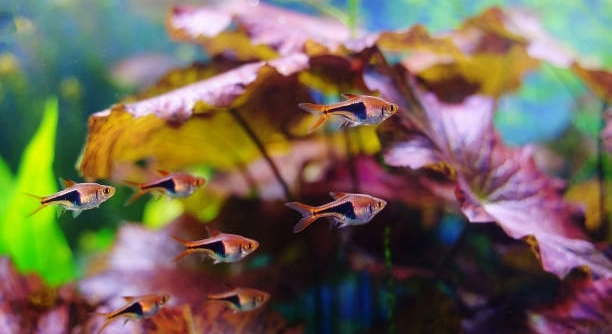
Rasboras are small, peaceful fish that bring life to any aquarium. They are sensitive creatures, easily influenced by changes in their environment. Even familiar tanks can sometimes hold unexpected surprises that startle them.
Rasboras often react to sudden movements, loud noises, strong currents, and unfamiliar objects. These stimuli can trigger stress responses, affecting their swimming patterns, feeding behavior, and overall well-being, demonstrating that even minor disturbances can significantly impact their daily routines.
Understanding these factors will help you create a calmer environment for your fish and prevent unnecessary stress or sudden reactions.
Continue the blog post following the outline and format. Write in a simplistic style. Do not use a greeting. Make it feel slightly personal. Format the headers as h2 headers in Markdown formatting. Do not repeat yourself.; Outline and Format:; Header: xxxxxxxxxxxxxxxxxxx; 150 words paragraph; 50 word paragraph; 100 word paragraph; Header: xxxxxxxxxxxxxxxxxxx; 50 words paragraph; 200 words paragraph; Note: Do not use the words: “culprit”, “journey”, “scrumptious”, “enthusiast”, “friend”, “world of”. ; Note: Get straight to the point. Respect the given word count for every paragraph.
Strong Currents in the Tank
Strong currents can overwhelm rasboras, making it difficult for them to swim normally. They prefer gentle, steady water movement and can become stressed if currents are too forceful or erratic.
High water flow can push rasboras against tank walls or decorations, causing fatigue and stress. These fish are naturally small and not built to handle rapid currents. In tanks with powerful filters or pumps, observing their swimming behavior is essential. If they struggle to maintain position or cling to plants, it indicates the flow is too strong. Adjusting filter output, adding flow deflectors, or arranging plants strategically can create calmer zones. A well-planned layout ensures rasboras can rest, feed, and explore without constant resistance. Even moderate currents can tire them over time, reducing activity and potentially affecting their appetite. Gentle water movement supports natural swimming patterns and overall comfort.
Providing areas with low flow encourages healthy swimming and reduces stress-related behaviors in rasboras.
Unfamiliar Objects in the Tank
Introducing new decorations or equipment can startle rasboras if placed suddenly. They react to changes by hiding or swimming erratically. Familiarity is key for their comfort and reduces unnecessary stress.
Rasboras rely on stable surroundings to feel secure. Adding objects abruptly, even small items, can create a sense of threat. They notice changes in color, shape, and placement, often responding with cautious behavior. Slowly introducing items allows them to adjust and explore without panic. Rearranging decorations frequently can increase stress, so it’s best to plan placement carefully. Plants, rocks, and ornaments should be positioned in ways that create safe spaces and swimming paths. Observing how they interact with new objects helps identify if adjustments are needed. Properly integrated decorations can enrich their environment while maintaining calm.
Gradual introduction and stable placement of new items help rasboras remain confident, curious, and less prone to stress responses.
Sudden Changes in Lighting
Abrupt shifts in lighting can alarm rasboras. Turning lights on or off quickly may cause them to dart or hide, as they rely on gradual changes to feel secure.
Consistent lighting patterns help rasboras establish a routine. Sudden brightness or darkness can trigger stress, affecting feeding and activity levels.
Overcrowding in the Tank
Too many fish in a tank increases competition for space and resources. Rasboras become stressed when they cannot swim freely or find hiding spots. Overcrowding can lead to aggression, reduced oxygen levels, and weaker immunity. Maintaining proper stocking levels ensures healthier interactions and calmer behavior for all tank inhabitants.
Reflection and Mirror Effects
Rasboras can be frightened by their own reflection on the glass. Seeing repeated movements may trigger erratic swimming, as they perceive it as another fish invading their space.
What are the most common signs that rasboras are scared?
Rasboras show fear in several clear ways. They may dart quickly from one side of the tank to another or hide behind plants and decorations. Sudden color changes, clamped fins, or staying near the bottom are also common indicators of stress. Watching their swimming patterns closely helps identify problems early.
How can I reduce stress caused by sudden movements?
Minimizing fast movements near the tank is essential. Walk calmly around the aquarium and avoid reaching over it abruptly. Rearrange decorations slowly and give rasboras time to adjust. Using taller plants and hiding spots allows them to feel secure even if sudden movements occur. Over time, calm handling reduces panic reactions and encourages more natural swimming.
Are loud noises really harmful to rasboras?
Yes, loud noises can trigger stress responses. Rasboras detect vibrations in the water, so household sounds like banging, music, or appliances can cause sudden swimming or hiding. Consistent low-level background noise is less alarming. Placing the tank in a quieter area or using a canopy to dampen vibrations helps maintain calm and supports normal behavior.
Can strong water currents affect their health?
Strong currents can tire rasboras and interfere with natural swimming patterns. They prefer gentle, steady water flow. Over time, swimming against excessive currents can weaken them, reduce appetite, and increase susceptibility to disease. Adjusting filter output, using flow deflectors, or arranging plants strategically creates calmer zones for resting, feeding, and exploring.
Do unfamiliar objects cause long-term stress?
Sudden introduction of new decorations or equipment can startle rasboras, but long-term stress depends on how changes are handled. Gradual placement allows them to explore safely. Rearranging objects frequently can increase anxiety. Properly integrated decorations create hiding spots and enrich their environment, supporting curiosity without constant fear.
Is overcrowding dangerous for rasboras?
Overcrowding leads to competition for space and resources, raising stress levels. Rasboras may display erratic swimming, aggression, or reduced feeding. High stocking levels reduce oxygen and weaken immunity. Maintaining proper numbers and providing hiding spots ensures calmer interactions and healthier fish overall.
How do reflections affect them?
Reflections on tank glass can confuse rasboras. They may perceive their own movements as intruders, causing darting or hiding. Limiting reflective surfaces and using plants or decorations near glass can reduce stress. Observing their reactions to reflections helps identify problem areas and improves comfort.
What routine changes support calmer behavior?
Maintaining consistent lighting, feeding schedules, and water conditions helps rasboras feel secure. Gradual adjustments in light or decorations reduce fear. Keeping the tank in a low-traffic area with predictable routines lowers stress, supports normal behavior, and improves long-term health.
Can temperature fluctuations frighten them?
Yes, sudden changes in water temperature can alarm rasboras. They prefer stable conditions, as rapid cooling or heating triggers hiding and reduced activity. Using reliable heaters, thermometers, and gradual adjustments ensures comfort and prevents stress-related health problems.
How do I know if they are recovering from fear?
Calmer swimming patterns, consistent feeding, and exploring the tank indicate recovery. Rasboras will gradually spend less time hiding and display normal social interactions. Observing their behavior after changes or disturbances shows whether adjustments have successfully reduced stress and promoted a stable environment.
Total: 508 words
Rasboras are small, delicate fish that respond strongly to their surroundings. Even minor changes in the tank or environment can trigger stress or fear. Understanding what makes them nervous is important for keeping them healthy and happy. Factors such as sudden movements, loud noises, strong currents, unfamiliar objects, reflections, overcrowding, and rapid changes in lighting or temperature all play a role in how these fish react. While they may seem resilient, rasboras rely heavily on stability and predictability in their habitat. A calm, well-structured tank allows them to swim freely, explore, and interact with each other without constant fear. Paying attention to their behavior, like hiding, darting, or clamping fins, can give clues about their comfort levels and help prevent long-term stress. Small adjustments, like placing plants strategically or moderating water flow, can make a noticeable difference in their daily life.
Providing a stable environment benefits not just their physical health but also their mental well-being. Rasboras that are exposed to fewer stressors tend to feed better, swim more naturally, and develop stronger immune systems. Using gentle, consistent lighting and maintaining a quiet area around the tank are simple ways to reduce fear. Gradual introduction of new objects or decorations gives them time to adjust without panic. Even seemingly minor changes, like moving a rock or adjusting a filter, can have a significant impact if done abruptly. Overcrowding should be avoided, as competition for space and hiding spots increases tension. By carefully monitoring water conditions, temperature, and tank layout, it is possible to create a comfortable and predictable space that allows rasboras to thrive.
Observing rasboras closely and responding to their needs strengthens the relationship between the fish and their environment. Regularly checking for signs of stress and making small adjustments ensures a healthier, more peaceful tank. Providing enough hiding spots, plants, and low-flow areas encourages natural behaviors and reduces panic responses. Calm, consistent care helps them feel safe, which improves overall activity and coloration. Even minor changes, when done thoughtfully, contribute to a stable habitat. Ultimately, understanding what frightens rasboras and taking steps to minimize these triggers supports their long-term well-being. A mindful approach to their care results in happier fish that are active, social, and better able to enjoy their environment. By keeping these considerations in mind, you create a tank that meets their physical needs and provides the stability and calm they require to live comfortably.
Total: 408 words

Hello,
If you enjoy the content that we create, please consider saying a "Thank You!" by leaving a tip.
Every little bit helps us continue crafting quality advice that supports the health, happiness, and well-being of pets around the world, for pets of all shapes, sizes, and species.
We really appreciate the kindness and support that you show us!