
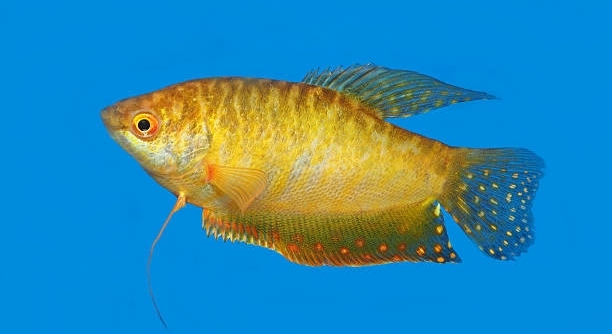
Giant gouramis are gentle, freshwater fish that often impress with their size and calm behavior. Even so, they can be surprisingly sensitive to certain stimuli, making them react unexpectedly in their tank environments. Understanding these triggers is important.
Giant gouramis exhibit fear responses to a variety of unexpected stimuli, including sudden movements, loud noises, reflections, unfamiliar objects, and aggressive tank mates. These factors can provoke stress, alter behavior, and impact overall health and well-being.
Identifying these triggers is essential for maintaining a calm and safe habitat for your gouramis. Proper observation and adjustments can improve their comfort and long-term health.
Sudden Movements
Giant gouramis are highly sensitive to quick movements around their tank. Even minor motions, such as a hand reaching near the water or a sudden shadow across the tank, can startle them. These reactions are instinctual, stemming from their need to avoid potential threats in the wild. Rapid movements can cause them to dart away, hide, or display erratic swimming patterns. Over time, constant exposure to sudden movements can increase stress levels, which may impact their immune system and feeding habits. Observing your gouramis’ behavior carefully helps identify which movements cause anxiety. It is helpful to approach the tank calmly and minimize abrupt actions. Gentle, slow interactions allow the fish to feel secure, reducing fear and promoting a healthier, more relaxed environment. Creating a consistent routine around feeding and tank maintenance can also make a significant difference. By managing movement near the tank, you provide a safer and more stable habitat for these sensitive fish.
Repeated exposure to sudden movements can affect your gouramis’ overall health and confidence in their environment.
Understanding these behavioral triggers is essential for long-term care. Small changes, like approaching the tank slowly, reducing shadows, and maintaining a calm environment, help your gouramis feel safe. Providing hiding spots and stable decorations allows them to retreat when frightened, preventing stress-related health issues. Observing reactions over time helps tailor interactions, ensuring feeding and activity remain consistent. Fish respond to subtle cues, and even minor disturbances can provoke strong reactions. Establishing predictable routines and gentle movement patterns not only reduces fear but encourages natural behavior. Over time, a calmer tank atmosphere fosters trust and comfort. In addition, keeping external distractions, such as loud noises or vibrations near the tank, to a minimum supports a secure habitat. These adjustments benefit both the physical and mental health of your gouramis. The goal is to create a stable environment where your fish can thrive without constant stress. By carefully monitoring responses, you can prevent unnecessary fear and promote a peaceful aquatic setting.
Reflections and Bright Lights
Giant gouramis can be startled by reflections in the glass or sudden bright lights. Even a small glare from sunlight or artificial lighting may trigger rapid swimming or hiding behavior.
Reflections and bright lights can create confusion, making gouramis perceive non-existent threats. Managing light exposure and reducing reflective surfaces ensures calmer, more stable behavior. Proper lighting control and thoughtful tank placement help maintain a secure environment.
Aggressive Tank Mates
Giant gouramis often feel threatened by more aggressive fish. Constant chasing or nipping can stress them and lead to hiding, poor appetite, or even injury. Monitoring tank compatibility is crucial to maintain a safe and calm environment for these sensitive fish.
Keeping aggressive species in the same tank as giant gouramis can have serious consequences. Gouramis are generally peaceful and slower-moving, making them easy targets for more assertive fish. This can result in chronic stress, affecting their health and reducing their lifespan. Separating aggressive fish or selecting compatible species ensures that gouramis can swim freely and feed without constant harassment. Observing interactions carefully and taking corrective measures, such as rearranging the tank or adding hiding spaces, can prevent injuries. A well-planned tank setup minimizes confrontation and promotes stable social behavior, giving your gouramis confidence and security.
Stress caused by aggressive tank mates can also influence breeding and growth. Continuous intimidation may reduce appetite and stunt development. Additionally, the physical and psychological impact of persistent attacks can weaken the immune system, leaving gouramis more susceptible to disease. Providing clear territories and visual barriers allows gouramis to establish personal space. Tank enrichment, including plants and decorations, helps create hiding spots to reduce exposure to aggressive species. Carefully managing tank populations, observing behavior, and intervening when necessary can maintain a healthy environment. This approach ensures that gouramis are not constantly on alert, supporting their overall well-being and natural behavior patterns.
Loud Noises
Sudden or frequent loud sounds around the tank can startle giant gouramis. Vibrations from nearby activities or household appliances may provoke rapid swimming, hiding, or freezing in place.
Giant gouramis are highly sensitive to auditory disturbances. Noise can trigger stress responses that affect feeding, breathing, and overall behavior. Maintaining a quiet area around the tank and limiting sudden disturbances helps reduce fear reactions. Soft background noise or consistent sound levels are less likely to cause stress.
Prolonged exposure to loud noises can lead to chronic stress, which impairs growth and weakens the immune system. Gouramis may avoid feeding, display unusual swimming patterns, or retreat to hiding spots more frequently. Repeated disturbances can also cause erratic social behavior if housed with other fish. Creating a stable, quiet environment, positioning the tank away from high-traffic areas, and avoiding sudden vibrations are key steps to protect their well-being. Additionally, using tank covers or padding under the aquarium can help reduce external sound impact. A calm environment allows gouramis to feed, interact, and rest naturally, supporting long-term health and comfort.
Unfamiliar Objects
New decorations or sudden changes in the tank can make giant gouramis nervous. They often react by hiding or swimming erratically until they adjust to the unfamiliar objects.
Even small additions, like plants or ornaments, may trigger fear. Gradual introduction and careful placement help them feel secure and reduce stress.
Water Quality Changes
Sudden shifts in water temperature, pH, or hardness can alarm giant gouramis. Maintaining stable conditions prevents stress and supports healthy behavior. Regular testing and controlled adjustments are essential to keep the tank environment safe.
Strong Scents
Strong chemicals or scents near the tank, including cleaning agents, perfumes, or aerosol sprays, can disturb giant gouramis. They are sensitive to changes in water chemistry and airborne substances, which may cause stress or avoidance behavior.
What are the most common things that scare giant gouramis?
Giant gouramis are easily startled by sudden movements, loud noises, aggressive tank mates, reflections, bright lights, unfamiliar objects, and strong scents. These triggers cause stress, erratic swimming, hiding, or refusal to eat. Observing their behavior carefully can help identify which factors affect each fish. Gradual adjustments and minimizing disturbances are key to maintaining a calm environment.
How can I reduce stress caused by sudden movements?
Approach the tank slowly and avoid quick motions near the water. Establishing a consistent routine during feeding and maintenance reduces anxiety. Placing decorations or plants in a way that allows hiding spots gives gouramis a sense of security. Over time, they adapt to slow, predictable movements.
Why do reflections and bright lights scare my gouramis?
Giant gouramis can mistake their reflection for a competitor or threat. Sudden flashes or bright lighting may startle them. Adjusting light levels gradually and minimizing reflective surfaces in the tank helps prevent fear responses. Using consistent lighting schedules supports calmer behavior.
How do aggressive tank mates affect giant gouramis?
Gouramis are generally peaceful and slower-moving, so aggressive fish can stress them. Constant chasing or nipping leads to hiding, reduced appetite, and potential injuries. Separating incompatible species, adding visual barriers, or rearranging the tank allows gouramis to feel safe and swim freely.
Can loud household noises harm my fish?
Yes, sudden or frequent loud sounds can startle gouramis, causing rapid swimming, freezing, or retreating. Chronic noise exposure increases stress, affects feeding, and weakens the immune system. Positioning the tank in a quiet area and reducing vibrations helps maintain a stable, calm environment.
What should I do about unfamiliar objects in the tank?
Introduce new decorations or plants gradually to prevent startling your fish. Place objects slowly and allow time for gouramis to explore and adjust. Avoid rearranging the tank too often. Providing consistent and familiar surroundings reduces fear and encourages normal behavior.
How sensitive are gouramis to water quality changes?
They are highly sensitive to sudden changes in temperature, pH, or hardness. Abrupt shifts can stress them, causing hiding or refusal to eat. Regular testing, gradual adjustments, and proper filtration maintain stable water conditions that support health and natural behavior.
Do strong scents outside the tank affect them?
Yes, chemicals like cleaning agents, perfumes, or sprays can disturb gouramis. They may display stress responses or avoid certain areas. Keeping strong scents away and ensuring proper ventilation around the tank minimizes disturbances and maintains a calm environment.
How can I tell if my gourami is stressed?
Signs include erratic swimming, frequent hiding, decreased appetite, or color changes. Monitoring daily behavior helps detect stress early. Providing hiding spots, stable water conditions, and minimizing sudden disturbances supports their comfort and well-being.
Are there ways to make my gouramis feel safer?
Yes, slow movements, consistent routines, hiding spaces, and compatible tank mates create a secure environment. Gradual changes, proper lighting, and reduced noise help them adapt. Observing behavior and adjusting the tank accordingly ensures your gouramis remain calm and healthy.
Can repeated fear affect long-term health?
Chronic stress weakens the immune system, reduces growth, and may lead to illness. Preventing repeated triggers, such as aggressive fish, sudden changes, or loud noises, is essential. A stable, calm environment supports physical health and encourages natural, relaxed behavior patterns.
Is it normal for giant gouramis to hide a lot?
Yes, hiding is a natural response to fear. Providing plants, decorations, or hiding spots allows them to feel secure. Over time, as they adjust to their surroundings and consistent routines, hiding frequency should decrease while confidence and activity levels improve.
How can I safely introduce new tank mates?
Research compatible species and monitor interactions closely. Introduce new fish gradually, providing plenty of hiding spots and visual barriers. Avoid aggressive or overly active fish that may stress gouramis. Observing behavior and separating problematic fish helps maintain harmony and safety in the tank.
What daily practices help prevent fear in giant gouramis?
Consistent feeding schedules, gentle movements around the tank, stable water quality, and controlled lighting are essential. Minimizing noise and avoiding frequent rearrangements reduce stress. Providing enrichment, hiding spaces, and compatible companions helps gouramis remain calm, healthy, and comfortable in their habitat.
Can environmental enrichment reduce fear?
Yes, adding plants, decorations, and hiding spots gives gouramis places to retreat and explore safely. Enrichment allows them to establish territories, reduces stress, and encourages natural behaviors, ultimately supporting mental and physical well-being. Proper placement and gradual changes prevent overwhelming the fish.
How long does it take for a scared gourami to adapt?
Adjustment depends on the individual and the severity of the triggers. Gradual exposure to new objects, consistent routines, and a calm environment can help gouramis regain confidence over days to weeks. Patience and careful observation are essential to ensure successful adaptation.
Caring for giant gouramis requires attention to both their environment and behavior. These fish are sensitive to changes around them, and understanding what causes fear is essential for their well-being. Sudden movements, loud noises, aggressive tank mates, reflections, bright lights, unfamiliar objects, and strong scents can all startle them. Even small disturbances may lead to hiding, erratic swimming, or refusal to eat. By observing your gouramis closely, you can identify which factors cause stress and take steps to reduce them. Creating a stable, predictable environment helps the fish feel secure, which improves their overall health and encourages natural behaviors. It is important to remember that each fish may react differently, so careful observation and patience are key.
Maintaining proper tank conditions is another critical aspect of care. Sudden changes in water temperature, pH, or hardness can alarm giant gouramis and increase stress levels. Regular testing and gradual adjustments ensure the water remains stable and comfortable for the fish. Tank placement also matters; a quiet location away from high-traffic areas and external disturbances helps maintain a calm atmosphere. Decorations, plants, and hiding spaces give gouramis places to retreat when frightened, reducing anxiety and allowing them to feel safe. Feeding schedules should remain consistent, and interactions with the tank should be slow and predictable to prevent startling the fish. A well-planned setup with attention to both water quality and environmental enrichment supports the physical and mental health of giant gouramis.
Long-term care involves balancing observation, prevention, and thoughtful adjustments to the tank environment. Avoiding aggressive tank mates, minimizing sudden noises or movements, and carefully introducing new objects or companions helps keep stress low. Over time, the fish will become more confident as they adapt to consistent routines and a stable environment. Patience is essential, as repeated stress can weaken the immune system and impact growth or behavior. By prioritizing their comfort and safety, you create a tank where giant gouramis can thrive and exhibit natural behaviors. A calm, secure environment encourages active swimming, regular feeding, and overall well-being, ensuring that these remarkable fish remain healthy and content for years to come.

Hello,
If you enjoy the content that we create, please consider saying a "Thank You!" by leaving a tip.
Every little bit helps us continue crafting quality advice that supports the health, happiness, and well-being of pets around the world, for pets of all shapes, sizes, and species.
We really appreciate the kindness and support that you show us!