
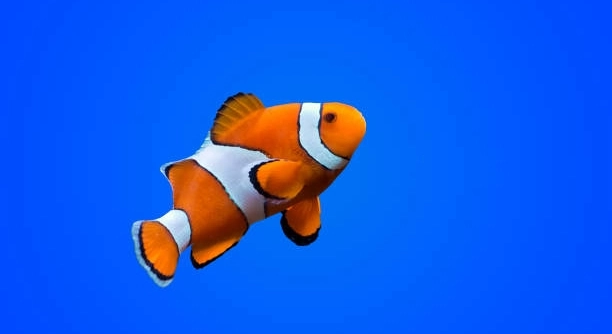
Clownfish are well-known for their bright colors and unique relationship with sea anemones. These small fish live in coral reefs and have behaviors that help them stay safe and calm. Their environment plays a big role in how they react to stress and threats.
Several unexpected factors help calm clownfish, including gentle water flow, presence of specific plants, low light levels, consistent feeding schedules, quiet surroundings, familiar tank mates, and stable water temperature. These elements contribute to reducing their stress and promoting natural behavior.
Knowing these calming factors can improve clownfish care and create a peaceful environment for them. This article will share surprising ways to help clownfish feel more relaxed and comfortable.
Gentle Water Flow Soothes Clownfish
Clownfish respond well to gentle water movement in their habitat. Strong currents can stress them, making them hide or act nervously. A calm flow mimics their natural reef environment, helping them stay relaxed. This soft water motion also aids their breathing and feeding, as it keeps water oxygenated without overwhelming them. In tanks or aquariums, adjusting the filter or pump to create a mild current can make a big difference. The water should move steadily but not rush past them. This allows clownfish to swim comfortably and interact with their surroundings without fear. It also helps maintain cleanliness by preventing debris buildup, which can cause irritation. Many aquarists notice clownfish become more active and show brighter colors when the water flow is just right. Balancing this factor is simple but has a meaningful impact on the fish’s overall health and mood.
Water flow that is too strong often causes clownfish to hide more and eat less.
Creating a gentle water current supports natural behaviors and lowers stress, making clownfish feel safer in their environment.
Presence of Specific Plants
Certain plants or algae can calm clownfish by providing visual shelter and mimicking their natural habitat. These plants offer hiding spots and reduce sudden movements around the tank. Clownfish feel more secure with nearby greenery, which also helps maintain water quality. Plants absorb nitrates and provide oxygen, contributing to a healthier environment. When choosing plants, it is best to select species compatible with marine tanks. Live macroalgae, like Chaetomorpha, are common choices that suit saltwater setups well. Besides improving water conditions, plants can also reduce reflections and shadows, which sometimes stress clownfish. The visual barrier plants create helps block external disturbances, allowing clownfish to settle and explore confidently. Over time, the fish learn to associate the plants with safety, calming them during changes or new tank introductions. Overall, adding appropriate plants enhances both the tank’s aesthetics and the fish’s well-being.
Including live plants or macroalgae reduces stress and encourages natural hiding behavior.
Plants provide essential benefits beyond shelter, improving water quality and creating a calm environment for clownfish.
Low Light Levels
Clownfish tend to feel calmer in dimmer lighting. Bright lights can make them anxious or cause them to hide more often. Lower light levels help simulate their natural reef shadows and keep them relaxed.
Dimming the aquarium lights to a softer glow creates a more comfortable setting for clownfish. Bright lighting often stresses these fish because it exposes them too much, making them feel vulnerable to predators. A subtle light level allows them to explore the tank without fear. Using adjustable LED lights or placing the tank where it avoids direct sunlight helps control brightness. This also encourages natural behavior, like swimming around and interacting with anemones or tank mates. By adjusting light conditions, their stress reduces, improving overall health and appearance.
Light cycles that mimic natural day and night rhythms further support calm behavior in clownfish. Consistent, gentle lighting lets them settle into a routine, promoting peaceful tank dynamics and better long-term wellbeing.
Consistent Feeding Schedules
Keeping a regular feeding routine is important for calming clownfish. Erratic feeding times can cause stress and aggression among fish.
When clownfish know when to expect food, they feel secure and less anxious. Feeding them at the same time daily prevents competition and confusion. A steady diet also supports their health and energy levels. Skipping or varying feeding times disrupts their internal clock, leading to nervousness or hiding. Planning small, frequent meals mimics their natural foraging habits and keeps them active. Offering a mix of pellets, flakes, and frozen foods ensures balanced nutrition. This predictable routine helps maintain harmony in the tank and reduces stress-related behaviors. Over time, clownfish show more vibrant colors and relaxed swimming when feeding schedules stay consistent. It is a simple but effective way to support their wellbeing.
Predictability in feeding helps build trust between clownfish and their environment, allowing for better overall adjustment and comfort.
Quiet Surroundings
Clownfish are sensitive to loud noises and vibrations. A quiet environment helps reduce their stress and keeps them calm.
Sudden sounds or frequent tapping on the tank glass can make clownfish nervous. Minimizing noise around the aquarium creates a peaceful atmosphere that supports their natural behavior and comfort.
Familiar Tank Mates
Clownfish tend to feel calmer when housed with familiar and non-aggressive tank mates. Aggressive fish can cause stress and disrupt their peacefulness.
Keeping compatible species together helps clownfish develop social bonds and reduces tension. Fish like gobies or small peaceful wrasses often make good companions. Introducing new tank mates slowly and observing interactions prevents conflicts. A well-planned community tank promotes a stable and relaxing environment. This balance allows clownfish to show their natural colors and behaviors without fear or stress.
Stable Water Temperature
Maintaining a consistent water temperature is crucial for clownfish wellbeing. Fluctuations can cause discomfort and stress.
Stable temperatures support healthy metabolism and immune function, helping clownfish stay calm and active.
FAQ
What water temperature is best for calming clownfish?
The ideal water temperature for clownfish is between 75°F and 82°F (24°C to 28°C). Keeping the temperature stable within this range helps prevent stress. Sudden changes can cause them to become agitated or hide more. Using a reliable heater and thermometer ensures the water stays consistent. Regular checks can catch any fluctuations early, maintaining a calm environment for your fish.
Can clownfish tolerate bright aquarium lights?
Clownfish can tolerate some light, but very bright or constant lighting often causes stress. They prefer softer, dimmer lights that mimic their natural reef shadows. Using adjustable LED lighting or shading part of the tank helps create comfortable conditions. Too much brightness can make them hide or act skittish, so controlling light intensity is important for their calmness.
How often should I feed my clownfish to keep them calm?
Feeding clownfish once or twice a day at regular times is best. Consistency in feeding schedules reduces stress and prevents competition among tank mates. Small, frequent meals match their natural behavior and keep them active. Avoid overfeeding, as leftover food can harm water quality and stress fish indirectly.
What types of tank mates are suitable for clownfish?
Calm, non-aggressive fish such as gobies, small wrasses, or certain damselfish are good companions for clownfish. Avoid aggressive species that may bully or chase them. Familiar tank mates help clownfish feel secure and reduce stress. Introducing new fish slowly and monitoring behavior keeps the community peaceful.
How does water flow affect clownfish behavior?
Gentle water flow soothes clownfish by mimicking their natural reef environment. Strong currents can stress them and cause hiding. A mild, steady current promotes natural swimming and feeding habits. Adjusting filter settings or using wave makers can create the right flow balance, helping clownfish stay calm.
Are live plants necessary for clownfish tanks?
Live plants or macroalgae are not strictly necessary but highly beneficial. They provide shelter and visual barriers, making clownfish feel safer. Plants also improve water quality by absorbing nitrates and producing oxygen. Adding suitable marine plants or macroalgae supports both the fish’s calmness and the tank’s health.
What signs show that clownfish are stressed?
Stressed clownfish may hide excessively, stop eating, show faded colors, or act aggressive. Rapid breathing or erratic swimming can also indicate discomfort. Monitoring these signs helps catch problems early. Adjusting environment factors like light, temperature, or tank mates can reduce stress and improve fish behavior.
Can noise around the aquarium impact clownfish?
Yes, loud noises and vibrations can disturb clownfish and cause stress. A quiet location away from heavy foot traffic, loud speakers, or tapping on the glass creates a peaceful space. Reducing external noise helps clownfish feel secure and encourages natural, calm behavior.
How important is water quality for clownfish calmness?
Water quality is crucial. Poor water conditions cause stress, illness, and abnormal behavior. Regular water changes, testing for ammonia, nitrites, and nitrates, and using proper filtration keep the tank clean. Healthy water supports clownfish’s immune system and helps maintain their calm and active state.
What can be done if clownfish still seem stressed despite good care?
If clownfish remain stressed, check all environmental factors again. Consider testing water parameters thoroughly or adjusting tank layout to add more hiding spots. Sometimes, introducing gentle tank mates or rearranging decorations helps. Consulting a marine aquarium expert can provide personalized advice to improve your fish’s comfort.
Clownfish are unique and colorful fish that require a calm and stable environment to thrive. Creating the right conditions is important for their health and happiness. Small changes in their habitat, like adjusting water flow or lighting, can make a big difference in how they feel. When clownfish are calm, they show brighter colors, swim more freely, and interact naturally with their surroundings. Paying attention to these details helps them live comfortably whether in the wild or in an aquarium setting.
Maintaining a regular routine is also key for clownfish well-being. Feeding them at consistent times and choosing compatible tank mates reduces stress and keeps the tank peaceful. It’s important to avoid sudden changes in temperature or water quality, as these can quickly upset clownfish. Using live plants or macroalgae adds shelter and improves water conditions, which further supports calm behavior. Quiet surroundings free from loud noises and vibrations help clownfish feel secure, making them less likely to hide or become anxious.
Overall, caring for clownfish means providing an environment that meets their natural needs. It takes some attention and patience, but the results are rewarding. When their tank mimics their natural reef home with gentle water flow, soft lighting, and stable conditions, clownfish flourish. Understanding and applying these calming factors leads to healthier fish and a more enjoyable aquarium experience. With careful care, clownfish can live peacefully and display the lively personality they are known for.

Hello,
If you enjoy the content that we create, please consider saying a "Thank You!" by leaving a tip.
Every little bit helps us continue crafting quality advice that supports the health, happiness, and well-being of pets around the world, for pets of all shapes, sizes, and species.
We really appreciate the kindness and support that you show us!