
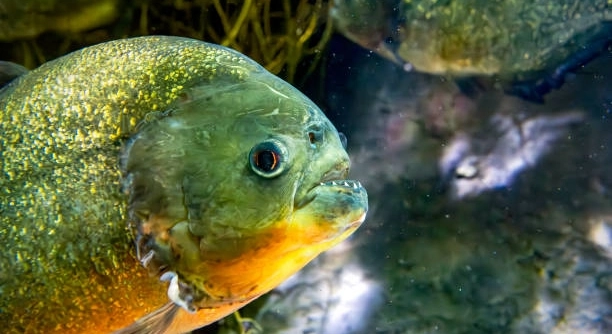
Piranhas are often known for their sharp teeth and quick reactions. They live in rivers and lakes, where sounds can affect their behavior. Some noises, even unexpected ones, can startle these fish in surprising ways.
Research shows that piranhas respond to sudden or unfamiliar sounds such as splashing water, metallic banging, human voices, boat engines, and underwater vibrations. These noises trigger a defensive or aggressive reaction, making them more alert and reactive to their surroundings.
Knowing which sounds affect piranhas can help you better understand their behavior in the wild or captivity. This article will explore the surprising noises that catch their attention and cause a startle response.
Splashing Water
Splashing water is one of the most common sounds that startle piranhas. When water moves suddenly and loudly, it creates vibrations that piranhas can easily detect. This noise often signals the presence of a potential threat or prey nearby. In nature, splashing might come from animals or humans entering the water. Piranhas react quickly to protect themselves or investigate the disturbance. Even small splashes can cause them to become alert and swim toward the noise. This behavior helps them survive in their natural habitats, where sudden movements often mean danger or food.
When piranhas hear splashing, they tend to gather and become more aggressive. This reaction is a survival mechanism.
Knowing how piranhas respond to splashing water is helpful if you keep them in tanks or observe them in rivers. It explains why they suddenly become active when water is disturbed and helps you anticipate their reactions during any activity near water.
Metallic Banging
Metallic banging sounds can startle piranhas due to their sharp sensitivity to loud noises. This kind of sound is uncommon in natural environments but can come from human activities near or in the water. Piranhas perceive these noises as threats and may react defensively.
The sharp, loud clangs create vibrations that confuse and alarm them.
When metallic banging occurs near their habitat, piranhas often swim erratically or cluster together. These sounds disturb their calm and provoke a heightened state of alertness. Because these noises are unusual, they stand out more than natural sounds. This can lead to increased aggression or attempts to flee. Understanding this reaction is important for anyone interacting with piranhas, especially in areas where boats or equipment create such noise. Reducing metal noises around their environment can help maintain their natural behavior and reduce stress.
Human Voices
Piranhas react strongly to human voices because these sounds are unfamiliar and loud in their environment. The noise disrupts their usual calm and can trigger defensive behavior.
Voices create vibrations in the water that piranhas interpret as a potential threat. Their sharp hearing helps them pick up even low sounds coming from above the surface. When they hear talking or shouting, they often become more alert and may swim closer to investigate or show aggression. This reaction is part of their natural instinct to protect themselves from unknown dangers.
In captivity, loud talking near the tank can stress piranhas and cause them to hide or act defensively. Understanding this helps prevent unnecessary disturbance and keeps the fish calmer. In the wild, human voices often mean activity nearby, which piranhas monitor carefully to avoid being caught off guard.
Boat Engines
The sound of boat engines is loud and continuous, which makes piranhas uneasy. They perceive this noise as a disturbance in their habitat.
Boat engines create strong vibrations and noise underwater, disrupting the natural quiet environment piranhas prefer. This constant sound signals movement and possible threats, causing piranhas to become defensive or move away from the source. The engine’s low-frequency noise travels far and can affect piranhas over a wide area. These fish tend to become more active or aggressive during such disturbances.
Repeated exposure to boat noise can increase stress levels in piranhas, impacting their feeding and social behaviors. In regions with heavy boat traffic, piranhas might avoid certain areas, which affects their natural patterns. Awareness of this effect is important for anyone fishing or boating where piranhas live to minimize impact on their behavior.
Underwater Vibrations
Piranhas sense underwater vibrations through their lateral line system. These vibrations often signal movement nearby, causing immediate alertness.
Even small disturbances can trigger strong reactions. Vibrations mimic the movements of prey or threats, prompting piranhas to respond quickly to protect themselves or hunt.
Loud Clapping
Sudden loud clapping sounds startle piranhas because they are sharp and unexpected. These noises cause them to become defensive or curious.
Splashing from Birds
Birds diving or splashing near water create noises that alarm piranhas. These sounds indicate possible predators or prey nearby, triggering quick reactions.
Piranhas use these signals to assess their surroundings, often moving toward the disturbance to investigate or defend their space. This natural response helps them survive in active habitats.
What noises do piranhas find most disturbing?
Piranhas are most disturbed by sudden, loud, and unfamiliar noises. These include splashing water, metallic banging, loud clapping, boat engines, and human voices. Such sounds create vibrations in the water, which piranhas detect through their sensitive lateral line system. The unexpected nature of these noises triggers defensive or aggressive reactions, as piranhas perceive them as potential threats or disturbances in their environment. Repeated exposure to these sounds can increase stress and affect their behavior negatively.
Why do piranhas react to human voices?
Human voices are rare and loud in the underwater environment where piranhas live. When they hear talking or shouting near water, it produces vibrations and noise that piranhas sense as unfamiliar and potentially dangerous. This causes them to become alert or defensive. In captivity, loud talking near the tank can stress piranhas, making them hide or act more aggressively. Understanding this helps keep their environment calm and reduces stress for the fish.
How do boat engines affect piranhas?
Boat engines produce continuous, low-frequency noise and strong vibrations underwater. Piranhas interpret this constant disturbance as a sign of nearby movement or danger. This often causes them to swim away or become defensive. Over time, regular boat traffic may stress piranhas and disrupt their natural activities like feeding and social interaction. In areas with heavy boat use, piranhas might avoid certain spots, which affects their natural behavior and habitat use.
Can piranhas get used to loud noises?
Piranhas may habituate to some noises if they are consistent and non-threatening over time. However, sudden and irregular loud sounds usually keep them alert and reactive. Habituation depends on how often the noise occurs and whether it signals real danger. In captivity, frequent exposure to loud noises can still cause stress even if the piranhas seem less startled. It’s best to minimize loud or sudden noises to keep them calm.
Do underwater vibrations always mean danger for piranhas?
Not always. Vibrations can signal either danger or prey. Piranhas use their lateral line system to detect vibrations and decide how to react. If the vibrations are sudden and strong, they usually trigger defensive behavior. If vibrations come from smaller movements, piranhas may investigate for food. Understanding these signals helps explain why piranhas respond quickly to changes in their environment.
What is the best way to reduce stress for piranhas in captivity?
Keep the tank environment quiet and stable. Avoid loud talking, sudden noises, and vibrations near the tank. Use gentle water movement instead of splashing. Providing hiding spots and maintaining clean water also helps reduce stress. Being mindful of noise and disturbance helps piranhas feel safe and behave naturally.
How do piranhas react to birds splashing near water?
Bird splashing near water creates sudden noises and vibrations that piranhas can detect easily. These sounds usually indicate possible predators or prey nearby, which triggers a quick alert response. Piranhas often move toward the disturbance to check for food or danger. This reaction is a natural survival tactic in their environment.
Are all loud noises equally startling to piranhas?
No, the type and pattern of noise matter. Sudden, sharp, and irregular noises tend to startle piranhas more than constant, steady sounds. For example, metallic banging or loud clapping causes stronger reactions than the continuous hum of a boat engine. Piranhas are more sensitive to noises that break the usual sound pattern in their habitat.
Piranhas are very sensitive to sounds and vibrations around them. These fish rely on their ability to detect changes in their environment to stay safe and find food. Unexpected noises like splashing water, metallic banging, or loud clapping can startle them easily. When they hear such sounds, piranhas often become alert and may swim quickly or act defensively. This is a natural response that helps them survive in the wild, where sudden sounds usually mean danger or an opportunity to hunt. Understanding how piranhas react to different noises can help people better interact with these fish, whether in their natural habitat or in captivity.
In places where humans are near piranhas, sounds like boat engines or voices can affect the fish’s behavior a lot. Boat engines produce strong, low-frequency vibrations that travel through the water and disturb the piranhas. Human voices, on the other hand, create sharp noises that piranhas do not usually hear in their environment. Both of these noises can cause stress and change how piranhas act. In captivity, loud sounds near the tank can make the fish hide or behave aggressively. Being aware of these effects helps caretakers reduce stress for piranhas by keeping their surroundings calm and quiet.
Knowing about the sounds that startle piranhas is useful for anyone spending time around these fish. It helps explain why piranhas react quickly to certain noises and how to avoid causing them unnecessary stress. Whether you are observing them in the wild or caring for them in an aquarium, reducing sudden or loud noises can improve their wellbeing. Paying attention to their natural reactions also gives insight into how these fascinating fish use their senses to protect themselves. Overall, understanding piranhas’ sensitivity to sound supports safer and more respectful interactions with them.

Hello,
If you enjoy the content that we create, please consider saying a "Thank You!" by leaving a tip.
Every little bit helps us continue crafting quality advice that supports the health, happiness, and well-being of pets around the world, for pets of all shapes, sizes, and species.
We really appreciate the kindness and support that you show us!