
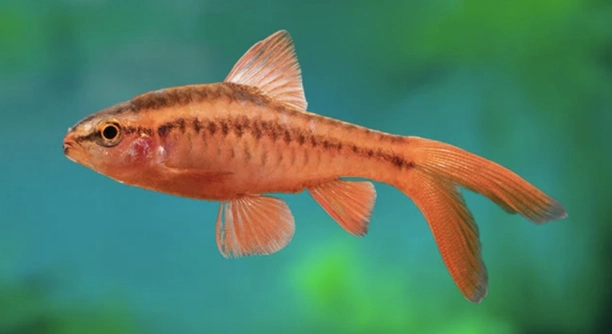
Cherry barbs are known for their vibrant colors and playful nature, but they can sometimes be elusive. Their hiding spots are often unexpected and may surprise even experienced aquarium enthusiasts. Understanding their behavior can help.
Cherry barbs tend to hide in well-planted areas or behind decorations within the tank. These fish prefer calm, quiet environments where they feel secure. They may also seek shelter in the upper or lower parts of the aquarium, depending on the setup.
There are several factors that influence where cherry barbs hide, and knowing them can enhance your aquarium experience.
Why Cherry Barbs Hide
Cherry barbs are naturally shy fish. They don’t always stay visible, even in a well-maintained aquarium. Their tendency to hide is often linked to their instinct to seek shelter from potential threats. This behavior is also influenced by water quality, tank conditions, and the presence of other species. When placed in an environment that mimics their natural habitat, they will feel more comfortable and less likely to hide. However, in aquariums with limited space or too much activity, cherry barbs may retreat to secluded spots.
The key to keeping them active is to create a peaceful tank environment. Adding plants and hiding spots can encourage them to feel secure, making it easier for you to observe their natural behavior.
If you notice your cherry barbs hiding too much, it’s important to consider their comfort. Adjusting the tank’s setup to ensure they feel safe and reducing stress factors will encourage them to come out more often.
Common Hiding Spots in the Aquarium
In a well-planted aquarium, cherry barbs are likely to hide behind dense foliage or in corners. They prefer spots where they feel protected from potential threats. Even though they enjoy hiding, they will still swim around when they feel comfortable.
One of the most important factors is having a variety of plants and decorations. These provide both shelter and a sense of security. Cherry barbs may also hide near the surface or at the bottom of the tank, depending on their mood and tank setup. If the tank is overly open or too bright, they may hide more often.
Ensuring your cherry barbs have access to these hiding places will reduce stress and make them feel more at home. Avoiding overstocking the tank and ensuring the water conditions are optimal can also help. By maintaining the right balance, you’ll encourage your cherry barbs to explore more freely. This can result in a more lively and interactive aquarium experience.
How Tankmates Affect Cherry Barbs
Cherry barbs can be sensitive to tankmates. If housed with aggressive or overly active species, they may hide more often. These fish feel safer in peaceful environments, so it’s important to choose companions carefully. Avoid large or territorial fish.
When choosing tankmates for cherry barbs, consider their temperament. Small, non-aggressive species like rasboras, guppies, or peaceful catfish are ideal. Keeping the tank peaceful reduces stress and encourages cherry barbs to interact more. If they’re placed with overly aggressive species, they may retreat into hiding spots and become less active.
In addition, the size of the tank plays a role. A crowded tank can cause cherry barbs to feel overwhelmed and anxious. They may retreat to quieter corners or behind plants. Ensuring the tank is not overcrowded and selecting suitable tankmates will help maintain their confidence and encourage more visible activity.
Water Conditions and Their Impact
Water quality is crucial for cherry barbs. Poor water conditions will make them more likely to hide. Maintaining stable temperature, pH, and filtration is key to keeping them healthy and active.
Cherry barbs are particularly sensitive to water quality changes. They prefer a temperature range of 72°F to 78°F and a slightly acidic to neutral pH (6.5 to 7.5). Water quality can impact their overall well-being. If conditions become unfavorable, such as changes in temperature or spikes in ammonia or nitrite levels, cherry barbs may seek out shelter. This is a natural response to stress.
Regular water changes, proper filtration, and monitoring of water parameters are important. By maintaining stable water conditions, cherry barbs will feel more comfortable and may spend more time swimming freely. If water quality fluctuates, they might retreat into hiding spots to avoid stress, so consistency is crucial for their happiness and activity levels.
The Role of Lighting
Lighting plays a big part in how often cherry barbs hide. Bright lights can make them feel exposed, leading them to seek shelter. Soft, subdued lighting encourages them to swim more freely.
Cherry barbs prefer low to moderate light conditions. Intense, direct lighting can create stress and cause them to retreat into hiding. A dimmer light, or using floating plants to diffuse the brightness, can help them feel safer. Overhead lighting that is too strong may cause them to hide more often, especially during the day.
Providing shaded areas in the tank and using adjustable lighting can help ensure cherry barbs remain active and visible without feeling too exposed.
Tank Size and Space for Movement
The size of the tank can influence how much cherry barbs hide. In smaller tanks, they may feel cramped and more likely to hide. A larger tank offers more space for them to explore and feel secure.
Cherry barbs are relatively small fish, but they still need plenty of space to swim and find refuge when needed. In a cramped tank, they may feel more stressed, leading to more hiding behavior. A larger tank not only provides more swimming room but also better conditions for hiding spots. This can help maintain their health and reduce stress.
By ensuring that cherry barbs have room to swim and a variety of places to hide, they’ll feel more secure, making them less likely to retreat when they don’t need to.
Feeding and Its Effect on Behavior
Feeding plays a role in the behavior of cherry barbs. If they feel underfed or the feeding process is too chaotic, they may become more reclusive. Regular and calm feeding routines can help them stay confident.
Cherry barbs thrive when fed a balanced diet of flakes, pellets, and occasional live food. When fed properly, they will spend more time swimming and exploring rather than hiding. A chaotic or irregular feeding schedule, however, can cause stress, leading to more hiding. It’s important to feed them at the same time each day, ensuring they feel secure during mealtime. Overfeeding should be avoided to prevent water quality issues.
FAQ
Why do cherry barbs hide so much?
Cherry barbs are naturally shy and prefer environments where they feel secure. Hiding is often a response to stress or discomfort. Poor water quality, aggressive tankmates, or overly bright lighting can make them feel exposed, leading to more hiding. Creating a peaceful tank environment with proper water conditions and suitable tankmates will help reduce their need to hide.
Can cherry barbs hide for long periods?
Yes, cherry barbs can hide for extended periods, especially if they feel stressed or insecure. If the tank environment isn’t ideal, they may retreat into hiding spots and remain there for most of the day. However, once the tank conditions improve and they feel safe, they will begin to swim and explore more often.
What can I do to reduce my cherry barbs’ hiding?
To reduce hiding, provide a peaceful environment with adequate space, suitable tankmates, and optimal water conditions. Ensure the tank has plenty of plants and hiding spots for them to feel secure but also allow enough open space for swimming. Lowering lighting intensity can also help them feel more comfortable. Regular water changes and maintaining good water quality are crucial.
Are cherry barbs active at night?
Cherry barbs are typically more active during the day but can still show some activity at night. They are not nocturnal fish, and their behavior may vary depending on tank conditions. If they feel safe and well-fed, they may become slightly more active after dark but still prefer calm, dim lighting.
What tankmates are best for cherry barbs?
Cherry barbs do best with peaceful tankmates. Suitable companions include small, non-aggressive fish like rasboras, tetras, or guppies. Avoid larger, territorial species that could intimidate or stress out your cherry barbs. Peaceful bottom dwellers like Corydoras catfish are also good choices. Always ensure that the tankmates’ needs align with those of the cherry barbs.
How can I improve water conditions for cherry barbs?
Maintaining stable water conditions is essential for the well-being of cherry barbs. Regular water changes, proper filtration, and monitoring the water’s temperature, pH, and ammonia/nitrite levels are key. Cherry barbs prefer a slightly acidic to neutral pH (6.5-7.5) and a temperature range of 72°F to 78°F. Keeping these parameters stable will help them thrive and reduce stress-related hiding behavior.
Do cherry barbs need a lot of space?
While cherry barbs are small, they still require ample space to swim and feel secure. A tank of at least 20 gallons is ideal for a small group. In cramped tanks, they may feel stressed and hide more often. A larger tank with plenty of hiding spots and swimming room will encourage them to remain active and comfortable.
Why do my cherry barbs hide at the surface?
If your cherry barbs are hiding near the surface, it could be due to water quality issues. Poor oxygen levels, high ammonia, or nitrite levels can make them seek out the surface, where there may be more oxygen. Regular water changes, filtration, and monitoring can help resolve this issue. Ensure there is adequate surface agitation to help with oxygen exchange.
What is the best way to feed cherry barbs?
Feed cherry barbs small amounts of food once or twice a day. Offer a variety of foods, including high-quality flake food, pellets, and occasional live or frozen foods like brine shrimp or bloodworms. Overfeeding can lead to water quality issues, which could cause stress and lead to more hiding. Remove any uneaten food after a few minutes.
How do I know if my cherry barbs are stressed?
Stressed cherry barbs may show several signs, including hiding more often, swimming erratically, or staying near the surface. They may also stop eating or exhibit changes in color. Stress can be caused by poor water conditions, inappropriate tankmates, or improper lighting. Addressing these factors will help reduce stress and encourage normal behavior.
Can cherry barbs live with other species of barbs?
Cherry barbs can live with other species of barbs, but it’s important to choose peaceful varieties. Some types of barbs can be more aggressive, especially during breeding seasons, which may cause stress for cherry barbs. If housing multiple types of barbs, ensure there is enough space and hiding spots for all the fish.
How can I encourage cherry barbs to breed?
To encourage breeding, ensure that water conditions are optimal. Provide a slightly cooler water temperature and increase water changes. Adding plants or fine-leaved vegetation will give the fish a place to lay their eggs. A separate breeding tank may be necessary to prevent adult fish from eating the eggs. Offering high-quality food and providing a peaceful environment can also encourage breeding.
Can cherry barbs live alone?
While cherry barbs can survive alone, they are social fish and thrive in groups. A small group of at least three to five cherry barbs will reduce stress and help them feel more secure. Keeping them alone may cause them to hide more often and exhibit less natural behavior.
How do I prevent cherry barbs from hiding due to tank lighting?
If your cherry barbs are hiding due to tank lighting, consider dimming the lights or using a timer to create a more natural light cycle. Floating plants or decorations can also help diffuse the light and create shaded areas. Providing dim lighting can help your cherry barbs feel more comfortable and reduce hiding.
Final Thoughts
Cherry barbs are peaceful, small fish that make a great addition to many aquariums. They are active and social when they feel safe and comfortable, but they tend to hide when stressed or uncomfortable. Providing the right environment for them is essential to ensure they thrive. Factors like water quality, lighting, and tankmates play a significant role in their behavior. By creating a peaceful environment, you can reduce the amount of time your cherry barbs spend hiding and help them become more active and visible.
One of the most important aspects of keeping cherry barbs is maintaining good water quality. Regular water changes, proper filtration, and monitoring of water parameters such as temperature, pH, and ammonia levels are crucial. They prefer slightly acidic to neutral water with stable temperatures between 72°F and 78°F. When the water is clean and within the right parameters, cherry barbs are more likely to swim freely and show their vibrant colors. Poor water quality can lead to stress, making them retreat into hiding spots more often. This is why ensuring clean, stable water is essential for their well-being.
Another factor to consider is tank lighting. Cherry barbs are sensitive to bright lights and prefer a more subdued light environment. Using dimmer lighting or placing floating plants in the tank can create a more comfortable setting for them. In addition, providing plenty of hiding spots with plants or decorations allows them to feel secure when they need rest. With the right balance of lighting, water conditions, and tankmates, cherry barbs will be able to feel safe enough to explore their environment and show off their natural behavior. Keeping them in a well-maintained tank will not only reduce their hiding but also ensure they remain healthy and happy.

Hello,
If you enjoy the content that we create, please consider saying a "Thank You!" by leaving a tip.
Every little bit helps us continue crafting quality advice that supports the health, happiness, and well-being of pets around the world, for pets of all shapes, sizes, and species.
We really appreciate the kindness and support that you show us!