
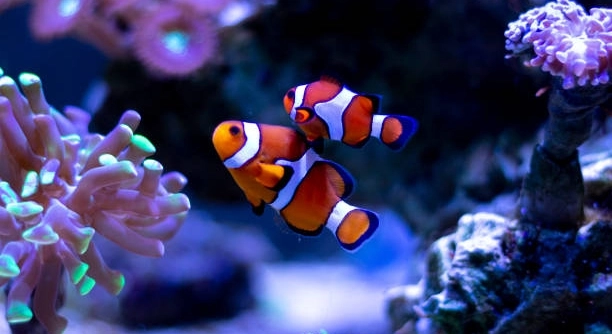
Clownfish are popular aquarium fish known for their bright colors and interesting behaviors. Like many animals, they experience stress, which can affect how they act and interact with their environment. Understanding their reactions can help keep them healthy and comfortable.
Clownfish respond to stress in several unexpected ways, including changes in swimming patterns, color shifts, altered social behavior, increased aggression, hiding, reduced feeding, and vocalization changes. These reactions serve as indicators of their well-being and environmental conditions.
Recognizing these stress signals can improve how we care for clownfish and create better habitats for them to thrive.
Changes in Swimming Patterns
When clownfish feel stressed, one of the first things you might notice is a change in how they swim. They may start swimming more erratically or stay near the bottom or edges of the tank. Sometimes, they swim faster than usual or stop moving for longer periods. These changes often happen when the environment is not ideal, such as when water quality drops or there is too much noise or movement around the tank. It’s their way of trying to cope with discomfort or danger. Observing their swimming closely can give clues about what might be causing stress, allowing you to make quick adjustments. Keeping the water clean and the surroundings calm helps clownfish maintain normal swimming behavior, which is a sign of good health.
Noticing swimming changes early can prevent bigger health problems in clownfish. Prompt action is important.
Stress affects clownfish’s energy levels and safety. Erratic swimming can tire them out, making them more vulnerable to illness. It also disrupts their ability to find food and interact with other fish properly. By understanding these signs, you can improve their environment and keep them active and healthy longer.
Color Shifts and Appearance
Stress can cause clownfish to lose their bright colors or develop dull patches. This color change happens because their body is focusing energy on coping rather than showing vibrant colors. It might also be a sign of illness or poor diet. A healthy clownfish usually has bold, clear colors that make it stand out. When stress affects them, their colors can fade, or they may appear more transparent. This is an important signal for anyone caring for these fish to watch for regularly. Ensuring proper lighting, diet, and water conditions helps maintain their natural colors. If you notice persistent color changes, it could be time to check for other stress factors or health issues. Recognizing this early helps prevent serious problems before they worsen.
Altered Social Behavior
When stressed, clownfish may avoid their usual social groups or become unusually withdrawn. They might stop interacting with their tank mates or fail to defend their territory. This change can disrupt the tank’s balance and cause further stress among other fish.
Stress impacts clownfish social habits by making them less active within their groups. Normally, clownfish engage in clear social roles and hierarchies, but stress can cause confusion or withdrawal. This can lead to isolation or aggression, harming both the stressed fish and others nearby. Watching for these changes helps identify problems early and encourages maintaining stable tank conditions, including space and compatible companions.
The social structure of clownfish is delicate and easily upset by stress. Changes in behavior can signal overcrowding, poor water quality, or illness. Providing a calm environment with enough hiding spots and stable conditions supports healthy social interactions and reduces stress for all tank inhabitants.
Increased Aggression
Stress can make clownfish more aggressive toward other fish and even their own species. This behavior is often a defense mechanism to protect limited resources or territory when they feel threatened. It can escalate quickly if not addressed.
Increased aggression caused by stress can lead to injuries and ongoing conflict in the aquarium. Clownfish may nip at others or chase them away from favored spots. This is usually triggered by overcrowding, poor water conditions, or changes in the tank setup. Aggressive behavior also indicates that a clownfish feels unsafe or overcrowded. To reduce aggression, ensure the tank is spacious enough and keep stress factors low. Monitoring fish behavior regularly allows for quick changes to reduce tension and protect all fish. Calm environments help clownfish feel secure and less likely to lash out.
Hiding Behavior
Clownfish under stress often hide more than usual. They may retreat to small crevices or stay close to the anemone, avoiding open spaces. This behavior helps them feel safer but can signal discomfort.
Extended hiding reduces their activity and feeding, which can affect their overall health. It is important to identify the causes of stress and improve their environment to encourage normal behavior and confidence.
Reduced Feeding
Stress causes clownfish to eat less or lose interest in food altogether. This loss of appetite can weaken them over time and slow down their growth.
Changes in water quality, tank mates, or sudden movements around the aquarium can all cause feeding issues. Ensuring stable conditions and minimizing stressors helps maintain their appetite and health.
Vocalization Changes
Clownfish communicate with sounds, and stress can alter these vocalizations. They may produce more frequent or unusual sounds, signaling discomfort or fear. Paying attention to these changes provides insight into their well-being.
What causes stress in clownfish?
Clownfish experience stress from various factors, such as poor water quality, sudden changes in temperature, overcrowding, or aggressive tank mates. Loud noises, frequent disturbances near the tank, and lack of hiding places can also contribute. Stress often occurs when the environment does not meet their basic needs or when their safety feels threatened.
How can I tell if my clownfish is stressed?
Signs of stress include changes in swimming patterns, hiding more than usual, loss of appetite, dull or faded colors, increased aggression, and altered vocalizations. Observing these behaviors regularly helps detect stress early. If your clownfish suddenly behaves differently, it’s important to check water conditions and tank setup.
Is it normal for clownfish to hide a lot?
While clownfish do seek shelter, excessive hiding can indicate stress or illness. If they spend most of their time hidden and avoid interacting with their environment, it’s a sign that something may be wrong. Checking water quality, tank mates, and lighting can help reduce this behavior.
Why does my clownfish change colors?
Color changes usually happen when clownfish are stressed or unhealthy. Fading or dull colors mean their body is using energy to cope with stress rather than maintain vibrant pigmentation. It can also result from poor diet, illness, or inappropriate lighting.
Can stress cause clownfish to stop eating?
Yes. Stress affects their appetite and can cause them to eat less or refuse food entirely. A stressed clownfish may lose interest in feeding until conditions improve. This can weaken them quickly, so addressing the cause of stress is important.
What should I do if my clownfish is aggressive?
Aggression often happens because of stress, overcrowding, or competition for territory. If aggression is high, consider increasing tank size, providing more hiding spots, or separating aggressive fish. Keeping the environment stable and calm helps reduce tension.
How often should I check water quality for clownfish?
Water quality should be checked weekly, focusing on parameters like ammonia, nitrite, nitrate, pH, and temperature. Poor water quality is one of the most common stressors for clownfish. Regular testing helps prevent problems before they affect your fish.
Can clownfish stress affect other tank inhabitants?
Yes, stressed clownfish can disturb the balance of the aquarium. Aggressive or withdrawn behavior can cause stress for other fish. Poor water conditions that stress clownfish will also harm other species. Maintaining a healthy environment benefits all tank residents.
Are there ways to reduce clownfish stress naturally?
Creating a stable tank environment with clean water, proper temperature, and enough space reduces stress naturally. Adding plants or rocks for hiding places and avoiding sudden changes helps clownfish feel safe. Regular feeding with a nutritious diet also supports their health.
When should I seek help for stressed clownfish?
If stress signs persist despite improving conditions, or if your clownfish shows signs of illness like white spots, labored breathing, or lethargy, it’s time to consult an expert. Early treatment improves the chances of recovery and prevents spreading disease.
How important is tank size for clownfish stress?
Tank size plays a big role in stress levels. Small, overcrowded tanks limit movement and increase conflicts. Providing enough space for territory and hiding reduces stress and encourages natural behavior. A minimum of 20 gallons is recommended for a pair of clownfish.
Do clownfish stress easily from new tank mates?
Yes, introducing new fish can stress clownfish if the species are incompatible or if there’s competition for space. Introducing new tank mates slowly and choosing peaceful species lowers stress. Watching interactions closely helps identify issues early.
Can lighting affect clownfish stress?
Bright or inconsistent lighting can stress clownfish. They prefer moderate lighting that mimics their natural reef environment. Sudden changes or too much light can cause discomfort. Using timers for consistent light cycles helps maintain their rhythm.
Is handling clownfish stressful for them?
Handling clownfish should be minimized because it can cause stress and injury. If necessary, use gentle techniques and only handle them briefly. Disturbing them too often can lead to stress-related behaviors and weaken their immune system.
What role does diet play in clownfish stress?
A poor diet weakens clownfish and increases stress susceptibility. Feeding a balanced diet rich in nutrients supports their immune system and coloration. Avoid overfeeding, which pollutes water and stresses fish. Variety in diet keeps them healthy and reduces stress.
Clownfish are fascinating creatures that react to stress in many surprising ways. Understanding these reactions helps us take better care of them. Stress can affect their behavior, health, and overall happiness. When clownfish feel stressed, they might swim differently, hide more, or lose their bright colors. They can also become aggressive or stop eating. These changes are important signals that something in their environment might not be right. By paying attention to these signs, owners can make the necessary adjustments to improve the fish’s well-being.
Keeping clownfish healthy requires a steady and comfortable environment. Water quality is one of the most important factors to monitor regularly. Clean, stable water with the right temperature and pH level supports their health and reduces stress. It is also important to provide enough space and hiding places so clownfish can feel safe. Avoid overcrowding the tank or placing them with aggressive fish. A balanced diet that meets their nutritional needs helps keep their immune system strong and maintains their vibrant colors. These simple steps can prevent many stress-related problems.
Recognizing and responding to clownfish stress early can make a big difference. Stress that lasts too long or becomes severe may lead to illness or shortened lifespan. The small changes in behavior or appearance are clues to act quickly. Improving tank conditions, adjusting lighting, and reducing disturbances can help clownfish return to their normal, healthy state. In the end, careful attention and consistent care create a stable environment where clownfish can thrive and show their best colors and behaviors.

Hello,
If you enjoy the content that we create, please consider saying a "Thank You!" by leaving a tip.
Every little bit helps us continue crafting quality advice that supports the health, happiness, and well-being of pets around the world, for pets of all shapes, sizes, and species.
We really appreciate the kindness and support that you show us!