
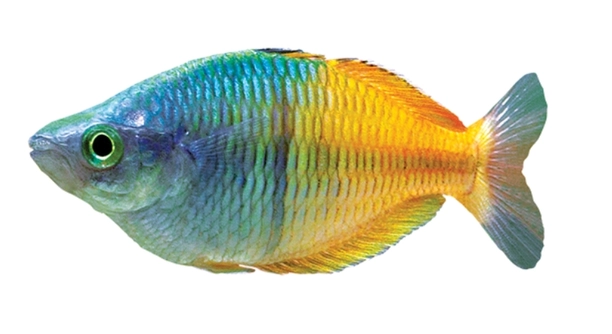
Lonely rainbow fish can display some surprising behaviors. If you have one in your tank, you may notice things that seem out of character for a typical fish. These actions may raise questions about their well-being.
Lonely rainbow fish may become more territorial, aggressive, or withdrawn due to social isolation. Without companions, they may exhibit unusual behaviors like excessive hiding, frequent swimming in circles, or even increased aggression toward other tank mates.
These unexpected behaviors are important to understand if you want to ensure your rainbow fish remains healthy. There are simple ways to improve their social environment for better well-being.
Why Rainbow Fish Need Social Companions
Rainbow fish are known for their peaceful and lively nature. However, without the company of others of their kind, their behavior can change in surprising ways. These fish thrive in schools, and when alone, they may start to act differently than expected. It’s important to understand that they aren’t just being moody or difficult—they’re responding to their isolation.
When rainbow fish are kept by themselves, they may feel stressed, which can lead to changes in their behavior. This could include excessive swimming or hiding, especially if the tank environment doesn’t provide enough stimulation. If you’ve noticed your rainbow fish acting differently, it’s not always about tank conditions. It’s likely a sign that they’re missing the social interaction they naturally crave.
Adding a few more rainbow fish could help restore balance. A small school of rainbow fish will provide the social support they need, keeping your fish calm and reducing stress. The benefits of companionship go beyond simply having more fish in the tank; they also help maintain the fish’s natural behaviors and overall health.
Tank Size and the Impact on Behavior
Tank size can have a major effect on your rainbow fish’s behavior.
If your tank is too small, even with other fish, it can cause stress and frustration. A cramped space means limited room for the fish to swim, leading to behaviors like fin nipping or more aggressive tendencies.
Social Hierarchy and Territorial Behavior
Rainbow fish can become territorial, especially when isolated.
When rainbow fish live alone, they may claim a particular area of the tank as their own. This territorial behavior can lead to increased aggression, especially if other fish invade their space. The fish may chase away intruders, even if they are not naturally aggressive. Adding more fish can reduce territorial behavior and help maintain a peaceful environment.
In a tank with a group of rainbow fish, the natural social structure emerges. This balance leads to less conflict and helps prevent one fish from becoming overly dominant. The fish will have more space to explore without feeling the need to guard a specific area. A peaceful group dynamic improves their behavior and overall well-being.
The Role of Tank Decorations
Tank decorations can have a surprising impact on your rainbow fish’s behavior.
Adding plants, caves, or rocks in the tank gives the fish spaces to explore and hide. Without these hiding spots, rainbow fish may feel vulnerable and stressed. This can lead to them acting more reclusive or skittish. Proper tank decor helps create a sense of security and encourages natural behavior.
Stress and Health Impact
Loneliness can lead to significant stress in rainbow fish.
When stressed, rainbow fish may exhibit erratic swimming or lose their appetite. Chronic stress can weaken their immune system, making them more susceptible to illness. It’s important to reduce stressors in the tank to keep them healthy and comfortable.
By introducing more fish and ensuring a peaceful tank environment, the stress level of your rainbow fish can decrease. Healthy social interactions allow them to thrive, and this reduces the chance of health issues caused by prolonged isolation. Keeping them active and engaged in their environment supports their well-being.
Proper Diet and Nutrition
A well-balanced diet is essential for rainbow fish.
Feeding them a variety of foods, including high-quality flakes and occasional live or frozen foods, ensures they remain active and healthy. Malnourishment can lead to lethargy and a decrease in natural behaviors, so it’s important to maintain proper nutrition.
Tank Temperature and Behavior
Temperature plays a key role in rainbow fish behavior.
Rainbow fish prefer stable, warm water temperatures. If the water is too cold, they may become sluggish and inactive. Inconsistent temperature fluctuations can also cause stress, affecting their social interactions and overall health.
FAQ
What are signs that a rainbow fish is lonely?
Lonely rainbow fish often show signs of stress. They might swim erratically or spend too much time hiding. Some may become more aggressive toward other tank mates or even toward their own reflection. Another common sign is a loss of appetite or slower movement. These behaviors are usually due to social isolation, which can lead to anxiety and discomfort.
How many rainbow fish should I keep together?
Rainbow fish are social creatures, and it’s best to keep them in groups. A small school of at least 4-6 rainbow fish will help them feel secure. In larger tanks, you can keep even more. Having enough fish allows them to exhibit natural behaviors and reduces the chances of one becoming overly territorial or stressed. More fish means less loneliness, leading to healthier, happier fish.
Can rainbow fish live with other species?
Yes, rainbow fish can live with other peaceful species. They are generally non-aggressive and will get along with other community fish. It’s important to choose tank mates that won’t stress them or cause territorial disputes. Good companions include tetras, guppies, and other small, peaceful fish. Avoid aggressive fish that might intimidate or harass the rainbow fish.
How do rainbow fish react to changes in water quality?
Rainbow fish are sensitive to changes in water quality. Sudden shifts in pH, hardness, or temperature can cause stress and lead to unusual behavior like excessive hiding or lethargy. Regular water changes and monitoring water parameters will help maintain a healthy environment for your fish. If the water quality is poor, rainbow fish may also become more susceptible to disease, leading to further stress.
Why do rainbow fish swim in circles?
If your rainbow fish are swimming in circles, it could be a sign of stress or boredom. This behavior is often observed in isolated fish or in tanks that don’t provide enough stimulation. Adding more tank mates or improving the tank environment with decorations and hiding spots can reduce this behavior. If it continues, you may want to check water quality or temperature to ensure there aren’t underlying issues.
How does tank size affect rainbow fish behavior?
Rainbow fish need space to swim and explore. If they are kept in a small tank, they can feel cramped, leading to stress and territorial behavior. A larger tank allows the fish to swim freely and interact naturally with each other, reducing stress. A tank that is at least 30 gallons is recommended for a small school of rainbow fish, as this provides enough room for them to thrive.
What is the ideal temperature for rainbow fish?
Rainbow fish thrive in warm water. The ideal temperature range for them is between 74-80°F (23-27°C). Keeping the water within this range helps prevent stress and supports their natural behaviors. Temperature fluctuations outside this range can cause stress, lethargy, or even illness. It’s important to maintain a stable environment to keep your fish comfortable.
How do I know if my rainbow fish is stressed?
Stressed rainbow fish may exhibit several behaviors. They might swim erratically, hide more than usual, or show less interest in food. Their colors may become dull, and they may stop interacting with other fish. If you notice these signs, it could indicate that something in the environment is upsetting them, such as poor water quality or a lack of social interaction. Taking action to reduce stress factors can improve their health.
Can rainbow fish breed in a community tank?
Rainbow fish can breed in a community tank, but it’s more likely to happen in a separate breeding tank. In a community tank, other fish may eat the eggs or fry. If you’re looking to breed them, it’s important to provide plenty of hiding spots and a separate breeding space for the eggs to develop safely. Male rainbow fish will display brighter colors and more vibrant patterns when trying to attract a female, making it easier to spot breeding attempts.
Do rainbow fish need a filter?
Yes, rainbow fish need a filter to maintain water quality. A good filtration system helps remove waste, toxins, and debris from the tank, ensuring a healthy environment. This is especially important in a tank with multiple fish. However, it’s essential to choose a filter that isn’t too strong, as excessive water flow can stress the fish and make them uncomfortable.
What should I feed my rainbow fish?
Rainbow fish are omnivores and thrive on a varied diet. They will eat flake foods, pellets, and live or frozen foods like brine shrimp and daphnia. Offering a mix of foods ensures they get the proper nutrients for health and energy. It’s important to avoid overfeeding, as this can lead to water quality issues. Feed them small amounts a few times a day to keep them active and healthy.
How often should I clean my rainbow fish tank?
Regular maintenance is crucial for the health of your rainbow fish. Perform partial water changes of 20-30% every week to keep the water clean and balanced. Clean the substrate, decorations, and filter regularly to remove excess debris. By maintaining a clean environment, you ensure your rainbow fish stay stress-free and healthy. Regular checks on water parameters will also help prevent issues before they affect your fish.
Final Thoughts
Caring for rainbow fish involves understanding their social needs and how isolation can affect their behavior. These fish are naturally social and thrive when kept in groups. Without companions, they may become stressed, which can lead to unusual behaviors such as excessive hiding or territorial aggression. Ensuring that rainbow fish are not kept alone is one of the simplest ways to keep them healthy and happy. Adding a few more fish can significantly improve their well-being and create a more natural and peaceful environment for them.
In addition to having company, rainbow fish need a proper tank setup. A tank that’s too small can cause stress, leading to behavioral issues. They need space to swim, explore, and establish their place in the social structure of the tank. Providing hiding spots, plants, and decorations also helps create an environment where the fish can feel secure. With the right tank size and the proper decor, rainbow fish are more likely to exhibit natural behaviors, and this can make them more enjoyable to watch. A well-maintained tank with good water quality is crucial for their long-term health.
Finally, taking care of rainbow fish goes beyond just socializing and tank setup. Regular water changes, monitoring water quality, and offering a balanced diet are all important factors in maintaining a healthy tank. Stress from poor water conditions or inadequate nutrition can affect their behavior and overall health. By paying attention to their needs and making sure they have the right environment, rainbow fish can live a long and healthy life. This simple approach to their care can make a big difference in how they behave and how they interact with their tank mates.

Hello,
If you enjoy the content that we create, please consider saying a "Thank You!" by leaving a tip.
Every little bit helps us continue crafting quality advice that supports the health, happiness, and well-being of pets around the world, for pets of all shapes, sizes, and species.
We really appreciate the kindness and support that you show us!