
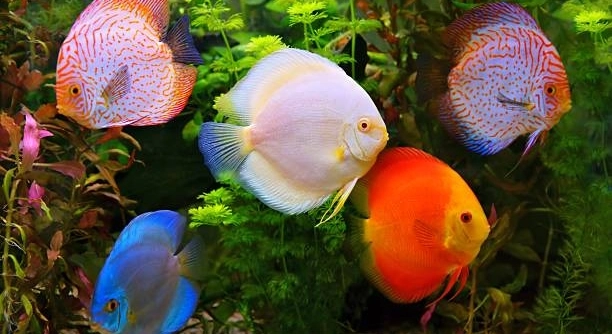
Raising baby discus fish requires patience and care to ensure they grow healthy and strong. Many hobbyists focus on basics but overlook subtle factors that can make a big difference in their development. This article highlights some lesser-known tips for better discus care.
Successful raising of baby discus involves attention to water quality, nutrition, and stress reduction. Providing optimal tank conditions, a balanced diet, and minimizing disturbances encourages healthy growth and increases survival rates during this delicate stage.
These practical tips offer useful insights that can improve your discus-raising experience and support the wellbeing of your fish.
Maintaining Stable Water Conditions
Baby discus are very sensitive to changes in water quality. Keeping the water stable in terms of temperature, pH, and hardness is crucial for their health. Sudden fluctuations can stress the fish, making them more vulnerable to disease. Aim to keep the temperature between 82°F and 86°F and maintain a slightly acidic to neutral pH around 6.0 to 7.0. Frequent small water changes are better than occasional large ones, as they help keep the environment consistent without shocking the fish. Using a reliable heater and a quality filter will support these stable conditions. Also, avoid overcrowding the tank because it can quickly affect water parameters and cause ammonia spikes. Monitoring water parameters daily during the early stages will help you notice any issues before they become serious. Stability in the tank environment creates a safer space for baby discus to grow strong and healthy.
Stable water conditions are the foundation for successful discus breeding and growth.
Keeping water parameters consistent lowers stress and supports the immune system of young discus, which promotes better survival rates.
Feeding Small, Frequent Meals
Baby discus require frequent feeding with small amounts of food to meet their nutritional needs. Unlike adult fish, their tiny stomachs can’t handle large meals, so feeding often helps avoid waste buildup and keeps them nourished. Choose high-quality, protein-rich foods such as finely crushed flakes, baby brine shrimp, or specially formulated fry food. Feeding four to six times daily in small portions ensures they get enough energy without polluting the tank. Remove any uneaten food quickly to maintain water quality. A varied diet that includes live and frozen foods helps meet their vitamin and mineral needs, which are essential for healthy development. Overfeeding or feeding too much at once can cause digestive problems and tank fouling, so balance is key. Patience and attention during feeding time go a long way in raising healthy baby discus.
Feeding baby discus often in small portions supports their rapid growth and keeps the tank clean.
The right feeding routine reduces waste and provides essential nutrients for developing discus fry.
Using Gentle Filtration
Strong water currents can stress baby discus and make them hide more often. A gentle filter helps keep water clean without disturbing the fry. Sponge filters are often the best choice because they provide both filtration and aeration softly.
Sponge filters create a calm environment, which is important for delicate discus fry. These filters prevent strong water flow while still removing waste and debris. They also provide a surface for beneficial bacteria to grow, which helps maintain good water quality. Unlike power filters, sponge filters won’t suck up tiny fry or cause turbulence. Installing the filter in a way that diffuses water gently can further reduce stress. Keeping the water clean but calm helps baby discus stay healthy and active.
Regular maintenance of gentle filters ensures the water remains clear and safe. Cleaning the sponge carefully without killing beneficial bacteria is key to stable water conditions.
Providing Proper Lighting
Lighting should mimic natural day and night cycles without being too harsh. Bright lights can stress baby discus and cause them to hide or become less active.
Soft, indirect lighting creates a comfortable environment for young discus. Use a timer to maintain consistent light and dark periods, generally around 10 to 12 hours of light daily. Avoid direct sunlight, which can cause temperature spikes and promote algae growth. A balanced lighting setup encourages normal behavior and supports the growth of beneficial plants if you have them in the tank. Proper lighting also helps you monitor the health and coloration of the fry more easily, making it simpler to spot any issues early on. Dimming the lights during feeding can help reduce stress and encourage the fish to eat better. Consistency in lighting supports the overall wellbeing of baby discus.
Avoiding Overcrowding
Too many baby discus in one tank increases stress and competition for food. Keeping the population low helps reduce aggression and improves water quality.
A less crowded tank also makes it easier to monitor each fish’s health and growth. Overcrowding can quickly lead to poor water conditions, which are harmful to delicate fry.
Regular Tank Cleaning
Cleaning the tank regularly is essential to prevent harmful buildup of waste and uneaten food. Use gentle water changes to keep conditions stable.
Avoid strong water currents during cleaning to protect baby discus from stress. A clean environment supports their immune system and helps prevent disease.
Monitoring Growth
Track your baby discus’ growth by observing their size and behavior daily. Healthy fry will grow steadily and swim actively.
Slower growth or unusual behavior can indicate water issues or poor nutrition. Early detection allows timely adjustments to care routines and environment, improving outcomes.
FAQ
How often should I change the water when raising baby discus?
Water changes should be frequent but gentle. Ideally, change about 20-30% of the water every two to three days. This helps keep ammonia and nitrite levels low without shocking the delicate fry. Smaller, regular changes maintain stable water conditions, which baby discus need to thrive.
What is the best food for baby discus?
Baby discus require high-protein foods that are easy to digest. Baby brine shrimp, finely crushed flakes, and specially made fry pellets are great options. Feeding a varied diet that includes live or frozen foods ensures they get the nutrients necessary for growth and strong immune systems.
Can I keep baby discus with other fish?
It’s best to avoid housing baby discus with larger or more aggressive fish. Other fish can outcompete them for food or cause stress. If you want tank mates, choose very peaceful species and ensure plenty of hiding spaces for the fry.
What water temperature is ideal for baby discus?
Maintain water temperature between 82°F and 86°F (28°C to 30°C). This range supports metabolism and immune function in young discus. Sudden temperature drops or spikes can weaken the fry and increase susceptibility to disease.
How do I know if my baby discus are stressed?
Signs of stress include hiding frequently, rapid breathing, loss of appetite, and clamped fins. Stressed fish are more vulnerable to illness. Addressing water quality, reducing noise, and minimizing handling can help reduce stress levels.
Is it necessary to use a heater in the discus tank?
Yes, using a reliable heater is important to keep the temperature stable. Baby discus are sensitive to temperature fluctuations, so a heater helps maintain the warm, consistent environment they need for healthy development.
How long does it take for baby discus to grow?
Baby discus typically grow steadily and reach a noticeable size within 2 to 3 months. Growth rates depend on water quality, diet, and stress levels. Consistent care accelerates healthy development and coloration.
Should I use medication in the baby discus tank as a preventive measure?
Preventive medication is generally not recommended. Maintaining excellent water quality and a proper diet are better ways to avoid disease. Only use medications if illness is confirmed, and follow dosage instructions carefully to avoid harming the fry.
How much light do baby discus need?
Baby discus do well with about 10 to 12 hours of light daily. Avoid bright or direct lighting, which can cause stress. Using a timer helps maintain consistent day and night cycles, supporting normal behavior and growth.
What should I do if a baby discus becomes sick?
Isolate sick fish if possible and check water quality immediately. Treat with appropriate medications based on symptoms, but use mild options to avoid stressing other fry. Improving water conditions and nutrition supports recovery.
Can I feed baby discus frozen foods only?
While frozen foods like bloodworms or brine shrimp are nutritious, combining them with live or prepared fry food provides a balanced diet. Variety improves digestion and nutrient intake, leading to better growth and stronger immune systems.
How important is tank decoration for baby discus?
Providing plants and hiding spots reduces stress and mimics natural habitat. Decorations offer shelter where fry can feel safe and rest. Avoid sharp or rough objects that could injure the delicate fish.
How do I prepare new water for water changes?
New water should match the tank’s temperature, pH, and hardness as closely as possible. Treat tap water with a dechlorinator before adding it to the tank. Slowly adding water during changes prevents shock and keeps conditions stable.
Is it normal for baby discus to lose color sometimes?
Yes, baby discus can temporarily lose color when stressed or during growth phases. This is normal but should not last long. Maintaining good water quality and nutrition helps them regain vibrant colors quickly.
Can baby discus tolerate slight changes in pH?
Discus prefer stable pH between 6.0 and 7.0. Slight fluctuations are sometimes unavoidable but should be minimized. Sudden shifts can cause stress and illness, so regular monitoring and adjustments keep the environment safe.
How can I encourage baby discus to eat?
Feed small amounts frequently and offer a variety of foods to stimulate appetite. Dimming the lights or feeding during quieter times can help reduce stress and encourage feeding. Patience is important; some fry take time to start eating well.
When can I move baby discus to a larger tank?
Once baby discus reach about 1.5 to 2 inches in size, they can be gradually acclimated to a larger tank. Ensure the new tank has stable water conditions and plenty of hiding spots. Moving too early can cause stress.
What is the best way to acclimate baby discus to new water conditions?
Slow acclimation using drip methods or gradual mixing of new water over several hours helps prevent shock. This method allows baby discus to adjust to changes in temperature, pH, and hardness safely.
How often should I clean the filter in a baby discus tank?
Clean the filter sponge gently every two to three weeks, rinsing it in tank water to preserve beneficial bacteria. Avoid harsh cleaning or replacing all filter media at once to keep the biological balance stable.
Why do baby discus sometimes refuse food?
Refusal to eat can be caused by poor water quality, stress, or illness. It may also happen during water changes or sudden environment changes. Check conditions and observe closely to identify and fix the problem quickly.
What signs show that baby discus are healthy?
Healthy baby discus swim actively, have bright coloration, eat well, and show clear eyes and smooth fins. They should respond normally to feeding and explore their environment with curiosity. Regular observation helps catch problems early.
Raising baby discus fish takes careful attention and patience. These fish are delicate, especially in their early stages of life, so maintaining stable water conditions is very important. Keeping the water temperature, pH, and cleanliness steady helps reduce stress and prevents illness. Feeding them small, frequent meals of high-quality food supports their growth and keeps them healthy. Using gentle filtration and soft lighting also creates a calm environment that baby discus need to feel safe and develop properly. By following these basic but often overlooked steps, you give your baby discus a much better chance to thrive.
It is also important to avoid overcrowding the tank because too many fish can cause stress and poor water quality. Each baby discus needs enough space to swim and grow without competition for food. Regular tank cleaning and monitoring the fish closely can help catch any problems early. Watching their behavior and growth gives clues about their health. If you notice signs of stress or illness, taking quick action to adjust care or improve water quality can make a big difference. Patience and consistency in care are key to successfully raising healthy discus fry.
Raising baby discus is a rewarding experience when you see them grow into beautiful, strong fish. The process requires attention to detail and a gentle approach, but the results are worth the effort. With stable water, proper feeding, and a peaceful environment, your baby discus can develop well and brighten your aquarium. Keeping a regular routine and staying observant will help you provide the best care possible. In the end, the small steps you take every day add up to a healthy and happy group of discus fish.

Hello,
If you enjoy the content that we create, please consider saying a "Thank You!" by leaving a tip.
Every little bit helps us continue crafting quality advice that supports the health, happiness, and well-being of pets around the world, for pets of all shapes, sizes, and species.
We really appreciate the kindness and support that you show us!