
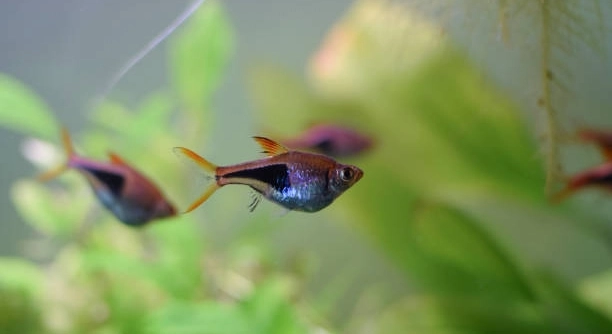
Rasboras are small, active fish that brighten any aquarium. Their diet is often simple, but they can enjoy a variety of foods that provide essential nutrients and keep them healthy and happy.
Several underrated foods can benefit rasboras, including finely chopped vegetables, daphnia, micro worms, and certain algae-based snacks. These foods offer a balance of protein, vitamins, and minerals, supporting growth, coloration, and overall vitality in a home aquarium setting.
Exploring these food options can improve your rasboras’ health and add variety to their daily feeding routine.
Chopped Vegetables
Small, soft vegetables are excellent for rasboras. Peas, zucchini, and spinach can be chopped finely and lightly blanched to make them easier to eat. These vegetables provide essential vitamins and fiber, helping with digestion and overall health. Offering a variety ensures your fish get balanced nutrition while encouraging natural foraging behavior. I often prepare a small batch each week and store it in the fridge, so feeding time is quick and easy. Be careful not to overfeed, as leftover vegetables can pollute the tank. Observing how your rasboras interact with new foods helps you understand their preferences and adjust portions. Over time, introducing different vegetables can improve their color, energy levels, and resilience.
Chopped vegetables should be offered in moderation to avoid water quality issues and ensure your fish benefit from the nutrients.
A simple routine of rotating vegetables helps maintain their interest and nutrition. I like to mix peas and spinach one day and zucchini the next. This variety prevents boredom and supports healthy growth. Regular observation ensures they eat the vegetables completely, reducing waste and maintaining tank cleanliness.
Micro Worms
Micro worms are small and easy for rasboras to eat. They provide protein that supports growth and activity.
Micro worms can be cultured at home or purchased frozen. They are high in nutrients and very digestible, making them an ideal supplemental food. Regular feeding of micro worms can improve energy levels, coloration, and overall fish health. Introducing them gradually ensures your rasboras adapt well, especially if they are used to flakes or pellets. These tiny worms can also encourage natural hunting behaviors, keeping your fish active and engaged. Feeding should be done in small amounts to avoid overfeeding and maintain water quality. I usually sprinkle them over the tank slowly, watching the fish dart and chase each worm. Over time, micro worms can become a favorite addition, complementing other foods and enhancing variety in their diet. They are particularly useful for juvenile rasboras that need extra protein for proper development.
Daphnia
Daphnia are tiny crustaceans that rasboras can eat easily. They are high in protein and help boost energy, making them a practical addition to their diet.
Feeding daphnia can improve rasboras’ health and activity levels. These small creatures are rich in essential nutrients and promote natural hunting behavior. I usually rinse them before feeding to remove excess debris and prevent water contamination. Offering them a few times a week keeps the fish interested and ensures they receive a balanced diet. Daphnia also help with coloration, making the reds and golds in rasboras more vivid. Overfeeding should be avoided, as leftover daphnia can cloud the water and increase maintenance needs.
Using daphnia alongside vegetables and other protein sources creates a well-rounded diet. I alternate daphnia days with micro worms or flakes, giving the fish variety. This combination ensures their energy levels remain high, growth is steady, and tank dynamics stay natural. Watching them chase and nibble on daphnia is always rewarding and shows how engaging and lively rasboras can be.
Algae-Based Snacks
Algae-based snacks are easy to digest and provide vitamins and minerals that rasboras need. They supplement their diet effectively.
I often crumble algae wafers into smaller pieces so the rasboras can eat them without difficulty. These snacks help maintain a balanced diet and support overall health. They are especially useful when live foods are limited or during busy weeks. The natural fibers in algae improve digestion, and the nutrients contribute to strong fins and vibrant colors. Offering these snacks a few times per week is enough to keep your fish healthy. I combine them with vegetables and micro worms to ensure variety. Algae-based foods also reduce the risk of deficiencies, keeping growth steady and immune systems strong. Watching my rasboras nibble on algae pieces reminds me how even small additions can make a difference in their well-being.
Bloodworms
Bloodworms are high in protein and easy for rasboras to eat. They help support growth and add variety to the diet.
I usually feed them sparingly, as they are rich and can affect water quality if overfed. Small amounts keep the fish active and healthy.
Brine Shrimp
Brine shrimp are excellent live food for rasboras. They are nutrient-rich and encourage natural hunting behaviors. Feeding frozen or freshly hatched brine shrimp provides protein, improves coloration, and promotes overall vitality. I often alternate brine shrimp with micro worms and daphnia to maintain variety, ensuring the fish remain energetic and healthy throughout the week. These tiny shrimp also help younger rasboras grow steadily and develop strong immune systems. Over time, incorporating brine shrimp into their routine keeps feeding interesting and provides essential nutrients that flakes or pellets alone cannot fully supply.
Finely Chopped Fruits
Small pieces of soft fruits like melon or banana can be offered occasionally. They provide vitamins and variety without overwhelming the fish.
FAQ
How often should I feed my rasboras?
Feeding rasboras once or twice a day is usually enough. Small portions prevent overfeeding and help maintain water quality. I usually give them a mix of flakes, vegetables, and live or frozen foods to ensure balanced nutrition.
Can rasboras eat the same food every day?
Rasboras benefit from variety. Feeding only one type of food can limit nutrients and make them less active. I rotate vegetables, micro worms, daphnia, and algae-based snacks throughout the week. This keeps them interested and ensures they get protein, fiber, and essential vitamins.
Are live foods better than frozen foods?
Both live and frozen foods have benefits. Live foods stimulate hunting behavior and can be more engaging, while frozen foods are convenient and safe from parasites. I alternate between the two to provide variety and ensure proper nutrition.
Is it okay to give fruits to rasboras?
Small amounts of soft fruits like melon or banana are safe occasionally. They provide extra vitamins but should not replace protein sources. I chop fruits finely to avoid choking and remove any leftovers quickly to maintain water quality.
Can rasboras eat flakes or pellets?
Yes, high-quality flakes or micro pellets are suitable as a staple diet. They provide balanced nutrients and are easy to store. I often supplement them with live or frozen foods to improve growth, coloration, and activity levels.
How do I prevent overfeeding?
Only offer what your rasboras can consume in 2–3 minutes. Remove leftovers promptly. I usually observe them while feeding to ensure everyone eats and adjust portions as needed. Overfeeding can harm water quality and fish health.
Are there foods that should be avoided?
Avoid processed human foods, oily snacks, and large pieces that rasboras can’t eat. Some vegetables like raw potatoes or onions can be harmful. I stick to tested vegetables, live foods, and occasional fruit to keep their diet safe.
Can juvenile rasboras eat the same foods as adults?
Juveniles need smaller, more frequent meals and high-protein foods. Micro worms and finely chopped daphnia are ideal for growth. I make sure portions are tiny so young fish can eat easily without competition from adults.
Do algae-based snacks replace other foods?
No, algae snacks should be a supplement, not the main diet. They provide fiber and vitamins but lack sufficient protein. I feed them a few times per week alongside protein-rich foods to ensure balanced nutrition.
How do I introduce new foods?
Introduce new foods gradually to prevent stress and water quality issues. I offer small portions over several days while observing acceptance and digestion. Rasboras often need repeated exposure before fully adapting to a new food.
What’s the best way to store live and frozen foods?
Live foods should be kept in clean, aerated containers and fed within a few days. Frozen foods stay fresh in the freezer and can be thawed in small portions before feeding. I label containers to track freshness and avoid spoilage.
Can rasboras get sick from improper feeding?
Yes, poor diet, overfeeding, or spoiled foods can cause digestive issues, weakened immunity, or water-related stress. I maintain a balanced diet, monitor feeding, and remove uneaten food to keep my fish healthy and active.
How do I know if my rasboras are getting enough nutrition?
Healthy rasboras are active, have bright coloration, and grow steadily. I check behavior, appearance, and feeding response regularly. Dull colors, lethargy, or irregular eating can signal the need to adjust their diet.
Can I mix live foods together?
Yes, mixing micro worms, daphnia, or brine shrimp in small quantities works well. I feed in stages to ensure all fish get their share and monitor the tank to prevent leftovers from polluting the water.
Are frozen vegetables safe for rasboras?
Frozen vegetables can be fed if thawed and chopped finely. I rinse them to remove excess ice and soften them slightly before offering. This keeps feeding safe and reduces the risk of water contamination.
How much fruit is too much?
Fruits should only be a small occasional treat, about 5–10% of total diet. I offer tiny pieces once or twice a week and remove uneaten portions to prevent decay. Excess fruit can upset water quality and digestion.
Do rasboras need protein every day?
Yes, protein supports growth, color, and activity. I alternate live, frozen, and flake-based proteins to ensure a steady intake without overfeeding. Even occasional protein-free days are balanced with vegetables and algae snacks.
Can overfeeding live foods cause problems?
Yes, too many live foods can increase waste, cloud water, and cause digestive issues. I feed small portions gradually and observe consumption to maintain a healthy tank environment.
How do I handle picky eaters?
Some rasboras may reject new foods initially. I introduce changes slowly, mix with familiar foods, and offer small amounts repeatedly. Patience and observation usually encourage acceptance over time.
Are homemade fish foods safe?
Homemade blends can work if balanced and clean. I use fresh, safe ingredients, chop finely, and avoid anything oily or processed. Proper preparation and storage are crucial to avoid contamination or nutritional gaps.
Can rasboras eat the same foods as other community fish?
Often yes, but portion size and texture matter. I ensure foods are appropriate for rasboras’ small mouths while still meeting nutritional needs alongside tank mates. This prevents competition and ensures all fish stay healthy.
What signs show a rasbora enjoys a new food?
Eager swimming, chasing, and finishing the portion quickly are good signs. I watch for active feeding and healthy behavior in the days after introducing the food. Consistent interest usually indicates the food is both safe and enjoyable.
How important is variety in their diet?
Variety prevents nutrient deficiencies and keeps fish engaged. I rotate vegetables, live foods, frozen options, and algae snacks to maintain balanced nutrition and encourage natural foraging behavior. Diverse diets support coloration, energy, and long-term health.
Can I feed multiple types at once?
Yes, small mixed portions work well. I monitor consumption to ensure everyone gets enough and remove leftovers to avoid water problems. Mixing foods keeps meals interesting and nutritionally balanced.
Do rasboras need supplements?
Usually, a varied diet provides sufficient nutrients. I only consider supplements if advised by a vet or if specific deficiencies appear. Balanced live, frozen, and plant-based foods generally cover all requirements.
How long can rasboras go without food?
Healthy adult rasboras can go a day or two without food, but regular feeding supports energy and growth. I maintain a consistent schedule and avoid skipping more than one day. Short breaks are safe, but long gaps can stress the fish.
What’s the safest way to introduce frozen foods?
Thaw in a small container of tank water and offer in tiny portions. I rinse away any excess water to prevent debris and gradually mix with familiar foods to ensure acceptance. Observing feeding prevents leftover accumulation.
Are all live foods suitable for rasboras?
Not all live foods are safe. I avoid wild-caught or untested options that could carry parasites. Trusted sources or home cultures of micro worms, daphnia, and brine shrimp are safest. Careful handling ensures fish remain healthy.
Can feeding affect rasbora behavior?
Yes, diet influences activity, social interactions, and coloration. I notice brighter colors and more active swimming when feeding balanced, high-quality foods. Poor nutrition can make them lethargic or less interactive.
Do rasboras need more protein in colder months?
Protein needs may remain steady, but activity can slow slightly. I monitor feeding response and adjust portions if they eat less. Maintaining balance helps them stay healthy year-round.
How do I know if live foods are spoiled?
Spoiled live foods smell bad, appear discolored, or move sluggishly. I discard anything suspicious immediately to prevent illness. Freshness is critical for safety and nutrition.
Can frozen foods replace live foods completely?
Frozen foods can replace live foods if balanced and varied. I mix proteins, vegetables, and algae-based options to cover nutritional needs. Live foods are ideal for enrichment but frozen options are practical and safe.
Is portion control important for young rasboras?
Yes, juvenile rasboras need small, frequent meals. I feed tiny amounts multiple times a day to support growth without overwhelming their digestive systems. Proper portions prevent water contamination and encourage steady development.
Can rasboras eat food meant for other fish species?
Only if size and nutrition are appropriate. I avoid large pellets or high-fat foods intended for bigger fish. Proper selection ensures small rasboras can eat safely and receive balanced nutrition.
How long should I observe new foods?
Observe feeding and tank behavior for several days. I check for full consumption, active behavior, and absence of leftovers. Monitoring ensures acceptance, digestion, and water quality remain optimal.
Are homemade veggie mixes safe?
Yes, if cleaned, chopped finely, and lightly blanched. I remove uneaten portions promptly. Homemade mixes allow variety and fresh nutrients without adding harmful residues or large debris to the tank.
Can rasboras eat leafy greens directly from the garden?
Only if pesticide-free and cleaned thoroughly. I blanch or rinse greens before feeding to avoid chemicals and dirt. Safe handling prevents illness and ensures they receive nutrients effectively.
What’s the best combination of foods for balanced nutrition?
A mix of high-quality flakes, live or frozen protein, vegetables, algae snacks, and occasional fruit covers essential nutrients. I rotate offerings to maintain variety, energy, and coloration while keeping the tank clean and the fish healthy.
How quickly do rasboras adapt to new foods?
Adaptation varies. Some accept within days, others need repeated exposure. I start with tiny portions and combine new foods with familiar options to encourage acceptance without stress. Patience ensures long-term dietary success.
Can overfeeding algae-based snacks harm water quality?
Yes, excess can decay quickly. I feed in moderation and remove uneaten pieces to maintain tank cleanliness. Controlled portions ensure the benefits without compromising water quality.
Are brine shrimp better than micro worms?
Both are excellent protein sources. Brine shrimp stimulate hunting and provide nutrients, while micro worms are easier to culture and offer small, digestible portions. I alternate between the two depending on availability and feeding goals.
Is variety more important than quantity?
Both matter, but variety ensures balanced nutrition. I provide multiple types of foods in small portions to meet protein, fiber, and vitamin needs without overfeeding. Diverse diets support growth, color, and vitality effectively.
How do I tell if my rasboras are overfed?
Signs include leftover food, cloudy water, and sluggish behavior. I reduce portions and monitor feeding closely. Overfeeding stresses the fish and increases maintenance, so careful observation is essential.
Can frozen foods be fed directly from the freezer?
No, always thaw first. I rinse and soften portions before offering to prevent digestive issues and maintain water quality. Thawed foods are safer and easier for rasboras to consume.
Do rasboras enjoy variety naturally?
Yes, they respond to different textures, colors, and movement. I notice more active swimming and interaction when offering varied foods, which supports both nutrition and natural behaviors.
Can diet improve coloration?
Yes, foods rich in carotenoids and vitamins enhance reds, golds, and other hues. I include algae, vegetables, and protein-rich foods to support vibrant, healthy coloration over time.
Is it safe to feed rasboras after a water change?
Yes, but I wait a short while for water parameters to stabilize. Immediate feeding can stress fish if the water is cooler or cloudy after maintenance. I usually observe their activity first.
How do I store leftover frozen foods?
Keep sealed in the freezer and label with date. I thaw only what I need to prevent spoilage and maintain nutritional quality. Proper storage ensures safety and effectiveness.
Are live foods necessary for adult rasboras?
Not strictly, but they enrich the diet. I use live foods a few times per week to stimulate hunting behavior and provide protein, while flakes and frozen foods maintain a balanced routine.
How long can frozen foods stay usable?
Most frozen fish foods last several months if properly stored. I check packaging and freeze promptly after opening to preserve nutrients and prevent contamination. Proper storage is key to safety and effectiveness.
Can I mix fruits with vegetables for feeding?
Yes, but in small amounts. I combine finely chopped pieces to supplement vitamins, never exceeding a minor portion of the overall diet. Balance and moderation prevent water issues.
Do rasboras need special supplements for color?
Usually, a varied diet covers coloring needs. I focus on foods rich in natural pigments like algae, vegetables, and protein sources. Supplements are only needed if deficiencies appear.
How do I prevent food from polluting the tank?
Feed small portions, remove leftovers, and monitor consumption. I rotate foods carefully and ensure portions match the number of fish to maintain water clarity and fish health.
Are store-bought frozen foods safe for long-term feeding?
Yes, high-quality brands are safe and nutritionally balanced. I supplement with live or fresh foods for variety, but frozen products provide convenience and reliable nutrients.
Can young rasboras handle larger live foods?
No, they need tiny portions. I offer micro worms or finely chopped daphnia until they grow enough to eat larger prey safely, ensuring proper digestion and growth.
How do I clean leftover vegetables or fruits?
Rinse thoroughly, remove any tough skins, and chop finely. I discard pieces that start to decay quickly to prevent contamination and maintain tank health.
Can algae wafers replace other foods?
No, they supplement fiber and vitamins but cannot replace protein sources. I use them alongside live, frozen, and vegetable options to ensure balanced nutrition.
What is the best time of day to feed rasboras?
Morning or early evening works well. I feed consistently at similar times to create a routine, supporting regular activity and healthy digestion.
How do I make feeding less stressful for the fish?
Offer small portions gradually and avoid sudden changes. I watch their behavior, remove leftovers, and maintain clean water to create a calm feeding environment.
Can overfeeding affect lifespan?
Yes, chronic overfeeding can cause obesity, disease, and poor water quality, reducing lifespan. I carefully monitor portions and maintain a balanced diet to support long-term health.
Is it okay to skip a day of feeding?
Occasionally, yes. Adult rasboras tolerate a short break, but I avoid making it routine. Regular feeding ensures growth, energy, and proper nutrition.
How do I know if my rasboras are underfed?
Signs include lethargy, slow growth, and dull coloration. I increase portions slightly and monitor behavior to restore energy and health, adjusting gradually to avoid overfeeding.
Do frozen and live foods affect water quality differently?
Frozen foods can be easier to control, while live foods may produce more waste if overfed. I monitor leftovers and remove uneaten portions to keep water clear.
Can I feed rasboras at night?
Yes, but I prefer daylight or early evening so I can observe consumption. Feeding in the dark risks uneaten food staying in the tank unnoticed.
How long should frozen foods thaw before feeding?
A few minutes in tank water is enough. I ensure pieces are soft and separated so rasboras can eat easily, reducing leftover waste.
Do rasboras need cooked foods?
No, raw, frozen, or live foods are best. Cooked foods can lose nutrients and may be hard to digest. I stick to safe, natural options for optimal health.
Can overfeeding live foods cause aggression?
Rarely, but competition can occur. I spread portions and observe feeding behavior to ensure all fish eat safely without stress or chasing.
How important is feeding consistency?
Very important. I feed at regular times and similar portions daily. Consistency supports metabolism, reduces stress, and maintains a healthy routine for rasboras.
Can rasboras eat shrimp pellets meant for larger fish?
No, pellets may be too large or high in fat. I choose small flakes or micro pellets suitable for their size to ensure safe and effective feeding.
Is it safe to combine frozen vegetables and live foods?
Yes, combining in small portions works well. I ensure each type is chopped appropriately and remove leftovers to prevent water contamination. This approach provides both nutrients and variety.
How do I prevent picky eating habits?
Introduce new foods gradually, mix with familiar options, and rotate diet regularly. I monitor behavior to ensure acceptance and maintain balanced nutrition, preventing long-term pickiness.
Can rasboras digest fruit easily?
Yes, if finely chopped and offered occasionally. I remove uneaten pieces promptly to prevent decay and water quality issues. Fruit is a minor supplement, not a main food source.
Do rasboras require more food in active seasons?
Yes, during growth or warmer months, energy needs increase. I slightly adjust portions while monitoring consumption to support activity without overfeeding.
Can homemade protein foods replace live options?
They can supplement but rarely match live food stimulation. I include small amounts of homemade protein occasionally, combining with live or frozen foods for balance and enrichment.
How do I store leftover chopped vegetables or fruit?
Keep in a sealed container in the fridge and use within a few days. I chop only what is needed to prevent spoilage and maintain nutrients.
Are there foods that improve fin health?
Protein-rich foods, vegetables, and algae support fin growth and strength. I include variety, ensuring balanced nutrition to keep fins intact and vibrant.
Can rasboras eat small insects?
Yes, small insects like fruit flies are safe occasionally. I ensure they are clean and small enough to prevent choking or digestive problems.
Do frozen foods lose nutrients over time?
Some nutrients may degrade after long storage. I check expiration dates, freeze promptly, and rotate stock to ensure freshness and maximum nutritional value.
Can overfeeding lead to bloating?
Yes, especially with rich foods like bloodworms. I feed small amounts and observe fish to prevent digestive issues and maintain healthy body condition.
How do I tell if my fish like a new food?
Eager chasing, nibbling, and finishing the portion indicate acceptance. I watch their behavior over several days to ensure they digest it well and remain healthy.
Is it okay to mix multiple protein sources in one feeding?
Yes, mixing small amounts works well. I monitor consumption to prevent leftovers and maintain balanced nutrition. Variety helps support growth, energy, and natural behavior.
Do rasboras need vitamin supplements?
Usually not if diet is varied. I focus on natural sources like vegetables, algae, and live foods. Supplements are only added if deficiencies appear or a vet recommends
Rasboras are small fish with simple but specific dietary needs. Providing them with a varied diet ensures they stay healthy, active, and colorful. While flakes and pellets can serve as a basic staple, supplementing with live, frozen, or finely chopped foods improves nutrition and keeps feeding interesting. Foods like micro worms, daphnia, and brine shrimp are rich in protein, which supports growth and energy levels. Including vegetables such as peas, zucchini, and spinach adds fiber and essential vitamins, promoting digestion and overall well-being. Even small amounts of fruits or algae-based snacks can provide additional nutrients and variety, helping rasboras maintain balanced nutrition over time. A careful rotation of different foods prevents boredom and ensures they receive the full spectrum of vitamins, minerals, and proteins they need.
Observing how rasboras respond to different foods is also important. Some may prefer live foods, while others enjoy vegetables or algae snacks more. By watching their behavior during feeding, you can adjust portions and offerings to suit their preferences. Introducing new foods gradually helps prevent stress and allows the fish to adapt without disrupting their digestion or the water quality in the tank. Portion control is essential because overfeeding can lead to leftover food, which pollutes the tank and increases maintenance. Offering only what they can eat in a few minutes keeps the environment clean and the fish healthy. This attention to feeding habits, combined with a diverse diet, promotes strong immune systems, vibrant coloration, and natural behavior. Even small adjustments, like chopping vegetables finely or mixing live foods with flakes, can make a noticeable difference in their health and activity levels.
Consistency and balance are key factors in maintaining a healthy aquarium for rasboras. Feeding at regular times and providing a mix of food types ensures their energy levels remain steady and supports proper growth. It is also important to store foods correctly, whether live, frozen, or prepared at home, to maintain freshness and prevent contamination. Healthy rasboras are active, alert, and display bright colors, which are clear indicators that their dietary needs are being met. By planning a thoughtful feeding routine that includes a variety of protein, plant-based options, and occasional treats, you create a stable and enriching environment. A well-fed rasbora community not only thrives physically but also exhibits natural, lively behavior, making aquarium care more rewarding and enjoyable. With attention to diet and feeding practices, rasboras can live longer, healthier lives while bringing life and color to any tank.

Hello,
If you enjoy the content that we create, please consider saying a "Thank You!" by leaving a tip.
Every little bit helps us continue crafting quality advice that supports the health, happiness, and well-being of pets around the world, for pets of all shapes, sizes, and species.
We really appreciate the kindness and support that you show us!