
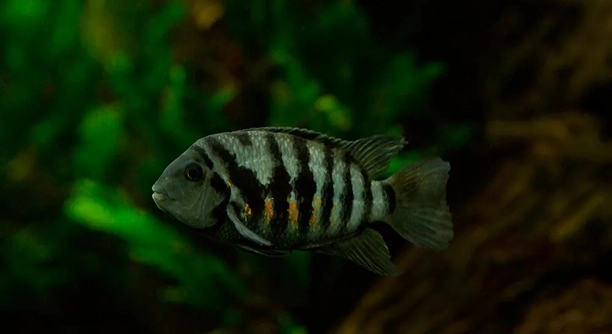
African cichlids are colorful fish that come from various lakes in Africa. Their environment plays a big role in their health and behavior. One important aspect of their habitat is the type of substrate they live on.
African cichlids prefer substrates that mimic their natural habitats, including sand, crushed coral, fine gravel, and rock-based materials. These substrates provide proper pH balance, support biological filtration, and help maintain stable water conditions necessary for their well-being.
Knowing the right substrate can improve the overall care of your cichlids and create a more natural setting for them to thrive.
Sand Substrate
Sand is one of the most popular substrates for African cichlids because it closely resembles their natural lake beds. It is soft and gentle on the fish, which is important since many cichlids like to dig and sift through the substrate. Sand allows them to display these natural behaviors without hurting themselves. Additionally, sand helps keep water parameters stable by not altering the pH much. It also traps debris and uneaten food on the surface, making it easier to clean. When choosing sand, it’s best to pick fine-grained varieties that won’t compact too tightly, which can harm beneficial bacteria growth. Sand also supports plant growth if you decide to add live plants to the tank. Overall, sand provides a comfortable and safe environment for many species of African cichlids.
Sand is easy to maintain and creates a natural look. It supports digging and foraging behavior well.
For those who want a simple and natural tank setup, sand offers many benefits. It prevents injuries from sharp edges and keeps the tank looking clean. Over time, the substrate becomes part of the ecosystem, helping bacteria break down waste. This makes sand a practical and popular choice for many cichlid keepers.
Crushed Coral Substrate
Crushed coral is often chosen because it helps maintain a higher pH level, which is important for many African cichlids. It releases calcium carbonate slowly, buffering the water and preventing it from becoming too acidic. This creates a more stable environment for the fish. The texture of crushed coral is rougher than sand, so it may not be ideal for species that like to dig. However, it does offer good surface area for beneficial bacteria to grow, which improves filtration and water quality. Crushed coral also adds a natural appearance to the aquarium, often resembling rocky shores of African lakes.
Crushed coral raises pH and supports biological filtration well.
When using crushed coral, it’s important to monitor water parameters regularly to ensure the levels remain balanced. This substrate is better suited for tanks with less digging activity because its rough edges could damage sensitive fish. It is also heavier than sand, which can help anchor decorations and plants. Many keepers appreciate the bright look crushed coral provides, making the aquarium visually appealing. While it requires careful management, crushed coral supports the health and stability of African cichlid tanks effectively.
Fine Gravel Substrate
Fine gravel offers a balance between sand and larger gravel. It is smooth enough to prevent injury but firm enough to avoid compaction.
This substrate allows African cichlids to dig without risking damage to their fins or mouths. It also supports beneficial bacteria growth by providing good surface area for colonization. Fine gravel does not alter the water chemistry significantly, making it safe for most cichlid species. It’s easier to clean than sand because debris tends to settle on top rather than mix in deeply. Fine gravel can add natural texture to the tank, enhancing the overall look.
Fine gravel works well in tanks with moderate digging fish. It supports plants moderately but requires regular vacuuming to keep clean. Compared to sand, it is less likely to cloud water when disturbed. For aquarists wanting a natural yet manageable substrate, fine gravel is a solid choice.
Rock-Based Substrate
Rock-based substrates, like slate or smooth river stones, mimic rocky environments many African cichlids prefer.
These substrates provide hiding spots and help replicate natural territories, which can reduce stress and aggression among cichlids. Rock surfaces also offer excellent areas for beneficial bacteria to grow. However, they do not support digging behaviors as sand or gravel would, so they’re better for species that prefer rocky habitats. Rock-based substrates do not affect water chemistry but add to the tank’s visual appeal by creating a rugged, natural look.
Using rock-based substrates can make aquariums more visually interesting and cater to cichlids that thrive in rocky conditions. They are durable and easy to clean, but care should be taken to avoid sharp edges that could harm fish. Rocks also provide stability for decorations and plants, creating a secure environment that mimics the fish’s original habitat well.
Pea Gravel Substrate
Pea gravel consists of small, rounded stones that provide a natural look in the aquarium. It is less compact than sand, allowing water flow and beneficial bacteria growth.
This substrate is suitable for cichlids that like to move around without digging deeply. Its smooth texture prevents injury, but it does not support burrowing well.
Mixed Substrate
Mixed substrates combine sand, gravel, and sometimes crushed coral. This offers a varied environment that can suit different cichlid species and their behaviors.
Using mixed substrates requires attention to water chemistry since different materials may affect pH and hardness. However, it allows fish to display diverse natural behaviors. Mixing substrates also enhances the tank’s aesthetic by adding texture and color variation. Proper maintenance is important to keep all substrate types clean and balanced.
Bare Bottom Tanks
Bare bottom tanks have no substrate, which simplifies cleaning and maintenance. This setup is common in breeding tanks or hospitals.
FAQ
What is the best substrate for African cichlids?
The best substrate depends on the species you keep and their natural behaviors. Sand is ideal for most African cichlids because it allows digging and sifting without risk of injury. Crushed coral works well if you need to maintain higher pH levels. Fine gravel can be a good middle ground. Each substrate supports different needs, so consider your fish’s habits and water chemistry before choosing.
Can I mix different substrates in one tank?
Yes, mixing substrates like sand and gravel is possible and can create a more natural-looking environment. However, mixed substrates may affect water chemistry differently, so regular testing is necessary. Mixing substrates also means more careful cleaning to avoid debris buildup in the different layers. Make sure the substrates are compatible and won’t harm your cichlids.
How often should I clean the substrate?
Cleaning depends on the substrate type and tank setup but generally should be done every 1-2 weeks. Sand and fine gravel can trap debris, so light vacuuming helps keep the tank clean without disturbing beneficial bacteria. Rock or crushed coral substrates usually need less frequent cleaning. Avoid deep cleaning that removes all bacteria, which are essential for a healthy aquarium.
Does substrate affect water quality?
Yes, substrate plays a role in water chemistry. Crushed coral raises pH and hardness, which suits many African cichlids. Sand and gravel usually have little effect on water parameters but support bacteria that break down waste. Choosing the right substrate helps maintain stable water conditions, essential for fish health and comfort.
Is sand better than gravel for cichlids?
Sand is often better for cichlids that dig or sift because it’s soft and less likely to cause injury. Gravel can be harder and may damage delicate fins or mouths if the fish are very active diggers. However, gravel can be easier to clean in some cases. The choice depends on the species and their natural behavior.
Can substrate harm my cichlids?
If the substrate is too sharp, large, or chemically unstable, it can harm your fish. Sharp gravel or rocks may injure fins or mouths. Substrates that alter pH suddenly can stress fish. Always choose smooth, natural substrates and monitor water parameters to keep your cichlids safe.
Should I add substrate for breeding cichlids?
Many cichlids prefer substrate for breeding, especially sand or fine gravel. These substrates allow females to dig nests or lay eggs naturally. Bare bottom tanks are sometimes used for easier cleaning but don’t provide natural breeding sites. Consider your breeding goals when selecting substrate.
How does substrate impact tank aesthetics?
Substrate greatly affects how the tank looks. Sand creates a smooth, natural floor, while gravel and crushed coral add texture and color contrast. Rock-based substrates add ruggedness. Mixed substrates provide varied visuals. Choose substrate that complements your tank decorations and fish colors.
Can I change substrate after setting up the tank?
Changing substrate is possible but can be stressful for fish and disrupt the tank’s biological balance. Remove fish temporarily and clean the tank carefully during the change. Re-establish beneficial bacteria after adding new substrate by cycling the tank again. Plan substrate choice before setup to avoid this.
Is substrate necessary in a cichlid tank?
Substrate isn’t always necessary, but it enhances fish behavior and tank stability. It provides surfaces for bacteria, supports natural digging and breeding behaviors, and improves aesthetics. Bare bottom tanks are easier to clean but lack these benefits. Decide based on your care style and fish needs.
Choosing the right substrate for African cichlids is important for their health and happiness. The substrate you select can affect water quality, fish behavior, and the overall look of your aquarium. Each type of substrate, whether it is sand, crushed coral, gravel, or rocks, offers different benefits and challenges. It is important to consider the natural habits of your cichlids and the specific needs of your tank before making a choice. This helps ensure your fish have a comfortable and stable environment.
Sand is often recommended because it is gentle and allows many cichlids to dig and search for food without risk of injury. Crushed coral is useful for keeping the water’s pH at the right level and supports healthy water conditions. Gravel and rock-based substrates create natural textures and hiding spots, which can reduce stress for some fish. Mixed substrates provide variety but need careful management to keep water balanced. A bare bottom tank can be easier to clean but may lack the benefits that substrates offer.
Ultimately, the substrate is just one part of creating a healthy tank for African cichlids. Regular maintenance, proper water testing, and providing hiding spaces and decorations are also key. Paying attention to the needs of your fish and the environment you provide will help them thrive. By choosing a suitable substrate, you support the natural behavior and well-being of your cichlids, making your aquarium a better home for them.

Hello,
If you enjoy the content that we create, please consider saying a "Thank You!" by leaving a tip.
Every little bit helps us continue crafting quality advice that supports the health, happiness, and well-being of pets around the world, for pets of all shapes, sizes, and species.
We really appreciate the kindness and support that you show us!