
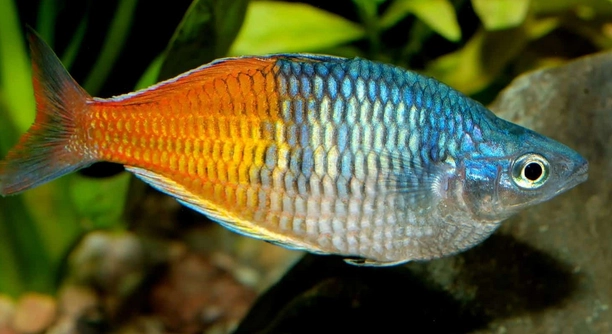
Rainbow fish are known for their vibrant colors, making them a popular choice among aquarium enthusiasts. With many species to choose from, it can be difficult to identify the differences that set them apart.
Rainbow fish come in various species, each displaying unique characteristics such as color patterns, size, and habitat preferences. While they share some common features, their differences can be seen in their behavior and care requirements.
Understanding these differences will help you choose the best rainbow fish for your aquarium and provide the proper care for each species.
Different Species of Rainbow Fish
Rainbow fish come in various species, each with its own distinct appearance and behavior. Some species, like the Boesemani Rainbow, display striking color changes from blue to orange as they mature. Others, such as the Red Rainbow, feature vivid red hues along their fins and body. The Neon Rainbow is smaller in size but still boasts a bright blue sheen. The size of each species can also vary, with some reaching up to six inches, while others remain much smaller. Despite their differences, most species require similar care, such as clean, warm water with plenty of space to swim.
These fish are hardy, but ensuring their health requires more than just feeding them. Proper water parameters, such as pH and temperature, are crucial for their well-being. Adding plants and hiding spots will also help them feel secure. Regular water changes will prevent water contamination and keep them vibrant.
Many species of rainbow fish are easy to care for, making them a good choice for beginners. However, some species require specific water conditions to thrive. It’s important to research each type before adding them to your tank.
Care Requirements
Rainbow fish are generally low-maintenance but do require some specific care. They thrive in warm, slightly acidic water, which is essential for their health.
Maintaining the right temperature and water quality is key. Regular monitoring ensures the fish stay healthy and vibrant.
Popular Rainbow Fish Species
The most popular rainbow fish species include the Boesemani Rainbow, the Neon Rainbow, and the Red Rainbow. These varieties are favored for their striking colors and ease of care.
The Boesemani Rainbow is one of the most well-known, with its blue and orange hues that intensify as it matures. They grow up to 5 inches in length and require a tank with a neutral to slightly acidic pH. The Neon Rainbow, on the other hand, remains smaller and is distinguished by its bright blue and silver coloration. Red Rainbows are equally stunning, with vibrant red and orange tones that make them stand out in any tank. Each species shares similar care needs but varies in size and color intensity.
The beauty of rainbow fish lies in their ability to adapt to different environments. Their colorful appearance can enhance the aesthetic of any freshwater aquarium. Most of these species are peaceful and get along well with other fish, making them ideal for community tanks.
Habitat and Environment
Rainbow fish are native to various parts of Australia, New Guinea, and Southeast Asia. They prefer warm waters and will thrive in environments with lush plants and plenty of swimming space.
To keep rainbow fish happy, replicate their natural habitats by including fine substrate, live plants, and floating vegetation. Providing hiding spots and open swimming areas will make them feel comfortable. A good filtration system is also necessary to keep the water clear, as these fish do best in well-oxygenated environments. Adding gentle water movement mimics their natural habitats, where they swim in rivers and streams. With the right setup, these fish can live in harmony with their surroundings and flourish.
Feeding Rainbow Fish
Rainbow fish are not particularly picky eaters and will happily consume a variety of foods. Flake food, live or frozen foods, and pellets are all suitable options.
They thrive on a balanced diet that includes high-quality flakes, freeze-dried worms, and brine shrimp. A varied diet will ensure their colors remain vibrant. Overfeeding should be avoided, as this can lead to water quality issues. A feeding routine, offering small amounts once or twice a day, is ideal for maintaining their health. These fish also appreciate occasional plant matter, like blanched vegetables or algae.
Tank Mates for Rainbow Fish
Rainbow fish are peaceful and generally get along well with other species. They can coexist with many other freshwater fish, such as tetras, guppies, and peaceful barbs.
It’s important to avoid aggressive fish, as rainbow fish can be intimidated by overly territorial species. Ideally, choose tank mates that are similarly sized and share the same water requirements. Avoid overcrowding, as this can lead to stress and health problems. Providing enough space and hiding spots will allow all fish to feel secure in the tank. Rainbow fish are excellent community fish.
Breeding Rainbow Fish
Rainbow fish breeding requires a bit more attention to detail. It is recommended to breed them in a separate tank to avoid aggressive behavior from other fish.
A spawning tank should have soft water and a temperature of about 75°F to 80°F. To encourage breeding, provide plants with fine leaves, where the female can lay her eggs. After spawning, remove the adult fish to protect the eggs. The eggs will hatch in about a week, and the fry will need tiny foods like infusoria or newly hatched brine shrimp. Patience and careful monitoring will ensure successful breeding.
FAQ
How long do rainbow fish live?
Rainbow fish typically live for about 3 to 5 years, although some species can live longer with proper care. Factors such as water quality, diet, and tank conditions all play a role in their lifespan. Regular water changes and maintaining a stable environment can help extend their life. Ensuring that their tank mates are peaceful and there is no overcrowding also contributes to a longer life. Monitoring their health closely for signs of stress or illness can help catch problems early, promoting a healthy, longer life for your rainbow fish.
What do rainbow fish eat?
Rainbow fish are omnivores and will eat a variety of foods, including high-quality flakes, pellets, and live or frozen foods. They enjoy protein-rich foods like brine shrimp and daphnia, as well as plant-based foods like algae and vegetables. It’s essential to provide a balanced diet to keep them healthy and maintain their vibrant colors. Overfeeding should be avoided, as it can lead to water quality issues. Offering small meals once or twice a day ensures they receive adequate nutrition while keeping the tank clean. A varied diet is important for their overall health.
Can rainbow fish live with other fish?
Rainbow fish are generally peaceful and make excellent community fish. They can live with a wide range of other species, including peaceful tetras, guppies, and barbs. The key is to avoid aggressive fish that might stress them out. Rainbow fish prefer to swim in schools, so it’s best to keep them in groups of at least five or six. Larger species of rainbow fish may require more space, so consider the size of your tank before adding too many fish. Ensuring that all tank mates share similar water requirements will lead to a peaceful and healthy aquarium.
What size tank do rainbow fish need?
Rainbow fish need a tank that provides plenty of swimming space, as they are active swimmers. A minimum tank size of 20 gallons is recommended for small species, while larger species may need 30 gallons or more. A larger tank will allow for proper filtration, more swimming space, and better water quality. It’s essential to avoid overcrowding, as this can lead to stress and health problems. Ensure that the tank is well-planted with hiding spots and open areas for swimming. Proper tank size and layout are crucial for maintaining the fish’s health and happiness.
Do rainbow fish need a heater?
Yes, rainbow fish require a heater to maintain a stable water temperature. They thrive in warm water, usually between 72°F and 80°F. A consistent temperature is essential for their health, as fluctuating temperatures can stress them out. A quality aquarium heater is necessary, especially if you live in a cooler climate or if your home temperature fluctuates. It’s also a good idea to use a thermometer to monitor the water temperature and ensure it remains within the ideal range. A stable environment is crucial for their well-being and color vibrancy.
Are rainbow fish easy to breed?
Breeding rainbow fish can be a bit more challenging, but it is possible with the right setup. To breed them, you need a separate breeding tank with soft water and a temperature range of 75°F to 80°F. Adding plants with fine leaves where the female can lay eggs is essential. After spawning, remove the adult fish to protect the eggs. The eggs typically hatch within a week, and the fry will need tiny foods like infusoria or newly hatched brine shrimp. Careful monitoring of the water quality and fry health is key to successful breeding.
How often should I change the water in my rainbow fish tank?
Water changes should be done regularly to keep the tank clean and the fish healthy. A 25% water change once a week is ideal for most rainbow fish setups. However, if you have a larger tank with a good filtration system, you might be able to go longer between changes. It’s essential to use a water conditioner to remove chlorine and chloramines from tap water before adding it to the tank. Keeping the water quality high is crucial for the health of your fish, as poor water quality can lead to stress and disease.
Do rainbow fish need a lot of light?
Rainbow fish enjoy moderate lighting. They thrive in aquariums with natural or artificial light for about 10 to 12 hours a day. Excessive light, however, can cause algae growth and stress the fish. It’s important to maintain a consistent light cycle to simulate a natural day-night cycle. Using a timer for your aquarium light can help regulate the lighting schedule. Also, providing shaded areas with plants or rocks can give the fish a place to retreat from the light if needed. Balanced lighting will enhance their colors and overall health.
What water conditions do rainbow fish prefer?
Rainbow fish prefer slightly acidic to neutral water with a pH range of 6.5 to 7.5. They thrive in soft to moderately hard water with a temperature between 72°F and 80°F. It’s crucial to maintain stable water conditions, as sudden changes can stress the fish. Regular testing of pH, hardness, and temperature is necessary to keep them in optimal conditions. A good filtration system is essential for maintaining clean water, as these fish are sensitive to poor water quality. Regular water changes and monitoring will help prevent problems with water conditions.
Final Thoughts
Rainbow fish are vibrant and relatively easy to care for, making them an excellent choice for many aquarium enthusiasts. Their peaceful nature allows them to coexist with various other species, contributing to a harmonious tank environment. However, keeping them healthy and vibrant requires proper attention to their care needs, including water quality, diet, and tank size. By ensuring a balanced diet and stable water conditions, your rainbow fish can live a long and healthy life.
Maintaining a suitable environment for rainbow fish involves monitoring temperature, pH, and water hardness. They thrive in slightly acidic to neutral water with soft to moderately hard conditions. Regular water changes and good filtration are crucial to prevent water quality issues that could harm the fish. Additionally, keeping a variety of foods in their diet, such as live, frozen, or flake foods, will help maintain their energy levels and vibrant colors. Overfeeding should be avoided to ensure that the water remains clean and healthy for your fish.
In summary, rainbow fish make a wonderful addition to any freshwater aquarium. Their colorful appearance and peaceful temperament make them a popular choice. With the right care, attention to their diet, and maintenance of water quality, they will thrive in your tank. Whether you are a beginner or experienced aquarium keeper, these fish can bring beauty and movement to your aquarium while remaining relatively low-maintenance with proper care.

Hello,
If you enjoy the content that we create, please consider saying a "Thank You!" by leaving a tip.
Every little bit helps us continue crafting quality advice that supports the health, happiness, and well-being of pets around the world, for pets of all shapes, sizes, and species.
We really appreciate the kindness and support that you show us!