
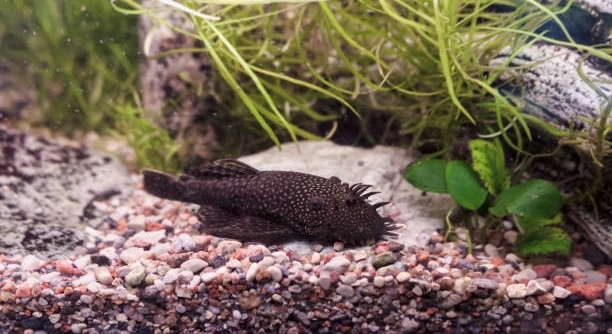
Plecos are popular aquarium fish known for their peaceful nature and algae-eating habits. Some types enjoy the company of other fish and thrive in a community setup. Finding the right plecos for a social tank can be rewarding.
Certain pleco species, such as the Bristlenose Pleco, Zebra Pleco, and Clown Pleco, tend to be more social and can live happily with tankmates. These species are known for their ability to coexist with other peaceful fish in well-maintained environments.
Exploring the different types of plecos and their social preferences can help create a harmonious aquarium. Let’s look at the types that enjoy company the most.
Bristlenose Pleco: A Sociable Tank Mate
The Bristlenose Pleco is one of the most popular and social species. Known for its hardiness and adaptability, it can thrive in community tanks. These plecos are not aggressive and tend to get along well with a variety of tankmates, including other plecos, fish, and invertebrates. They are ideal for aquariums with a peaceful atmosphere.
These plecos also contribute to tank maintenance by eating algae, making them valuable additions to a well-kept aquarium. They typically grow up to 4-5 inches, so they don’t take up too much space, making them suitable for smaller tanks. Their peaceful nature allows them to interact with other fish without causing any trouble.
Bristlenose Plecos are bottom dwellers and do well in aquariums with plenty of hiding spaces. They will spend most of their time on the substrate or decorations, but they are also quite social, especially during feeding times. When paired with other peaceful species, they can live harmoniously in a well-balanced tank. Their relatively small size and low-maintenance care make them a good choice for community tanks.
Zebra Pleco: A Rare, But Friendly Species
Zebra Plecos, while not as commonly found in pet stores, can make an excellent addition to a social aquarium. Known for their striking black-and-white striped appearance, they are peaceful and often enjoy the company of other fish. However, their rarity means they are typically more expensive and require specialized care.
Despite being more delicate than some other plecos, Zebra Plecos are not aggressive. They thrive in environments where there are no territorial disputes and enjoy cohabitating with other non-aggressive fish species. They are nocturnal and tend to hide during the day, coming out at night to feed. This behavior makes them less likely to cause stress to other fish during the day. To keep Zebra Plecos happy, provide a well-maintained tank with enough space and hiding spots. Their unique coloration and calm demeanor make them a special yet social addition to any peaceful aquarium.
Clown Pleco: A Delightful Addition to Your Aquarium
Clown Plecos are small, vibrant fish that enjoy the company of others. They are peaceful and can coexist with various species in a community tank. Their cheerful and playful nature makes them an excellent choice for social setups.
These plecos are bottom dwellers and spend much of their time in hiding, making them low-maintenance in terms of interaction. They do best in well-maintained aquariums with plenty of rocks or driftwood to hide under. Clown Plecos are excellent algae eaters, helping to keep the tank clean while not disturbing the other inhabitants. Their active and calm demeanor adds a unique charm to a peaceful tank.
The Clown Pleco grows to about 3 inches and doesn’t require a large tank. Their small size, combined with their peaceful nature, makes them a perfect choice for a community aquarium. Keep the water clean and provide enough hiding spots, and your Clown Pleco will thrive among other social fish.
Rubber Lip Pleco: A Peaceful Bottom Dweller
Rubber Lip Plecos are another peaceful and social species that thrive in community tanks. They are hardy fish and can adjust to different water conditions, making them easy to care for. Their unique appearance and calm temperament make them a popular choice for aquariums.
This pleco species is known for its gentle nature, making it a suitable companion for other fish. They will usually spend their time grazing on algae and other organic matter, helping maintain a clean tank. Rubber Lip Plecos don’t cause aggression, and their low maintenance needs make them a hassle-free addition to a community aquarium. However, they do prefer larger tanks with plenty of hiding spots, as they are bottom dwellers that enjoy resting in darker areas.
They can grow to about 5 inches, so it’s important to provide them with enough space to swim and hide. With the right environment and tankmates, the Rubber Lip Pleco is an excellent choice for anyone looking to add a peaceful bottom dweller to their aquarium.
Gold Nugget Pleco: A Beautiful Social Fish
Gold Nugget Plecos are not only visually stunning but also quite sociable. They are peaceful fish that blend well with other calm species. Their bright, gold-speckled bodies make them a standout in any community tank.
These plecos prefer to stay hidden during the day but come out during feeding times, making them easy to care for. They enjoy well-maintained tanks with plenty of hiding spots and do well in aquariums with other peaceful fish. Their calm nature and striking appearance make them a great addition to any social setup.
L128 Pleco: A Peaceful and Hardy Species
The L128 Pleco is a hardy and peaceful species, ideal for social tanks. They are bottom dwellers, so they won’t disrupt other fish while they graze on algae and organic matter. Their gentle temperament allows them to live harmoniously with various tankmates.
These plecos can grow up to 6 inches, which means they require a bit more space compared to smaller plecos. Their peaceful nature makes them great for community tanks, as they don’t show aggression. L128 Plecos thrive in aquariums with stable water parameters and can easily coexist with non-aggressive fish, making them a great choice for a harmonious tank.
Blue Phantom Pleco: A Calm and Social Bottom Dweller
Blue Phantom Plecos are known for their stunning appearance and calm nature. These plecos are peaceful and enjoy the company of other fish. They are especially well-suited to larger tanks with plenty of hiding spaces and stable water conditions.
FAQ
What is the best pleco for a community tank?
The Bristlenose Pleco is widely considered one of the best choices for community tanks. It is peaceful, hardy, and does well with many other species. It doesn’t get too large, making it suitable for smaller aquariums. Their algae-eating habits also help maintain a clean tank without disrupting the peaceful nature of the environment.
Can plecos live with other plecos?
Yes, many plecos can live together, especially those that are non-territorial. Species like the Bristlenose Pleco and Clown Pleco tend to coexist well in groups, as long as the tank provides enough space and hiding spots for each fish. However, some plecos, especially larger species, may become territorial and need their own space.
How do plecos interact with other fish?
Plecos, particularly the more social species like the Bristlenose and Rubber Lip Plecos, tend to get along well with peaceful community fish. They are generally bottom dwellers and avoid competing for space with mid-to-top swimmers. However, it’s essential to avoid pairing them with aggressive fish, as they may become stressed or harmed.
What size tank do plecos need?
The size of the tank depends on the species of pleco. Smaller plecos like the Bristlenose do well in tanks as small as 20 gallons, while larger species, like the Gold Nugget Pleco or L128, need at least 50 gallons. Ensuring enough space and hiding spots is crucial for their comfort and health.
Do plecos require special care?
Plecos are generally easy to care for, but they do have specific needs. They require clean, stable water with good filtration to prevent waste buildup. Plecos also enjoy a variety of foods, including algae wafers, vegetables, and occasional protein sources. Regular water changes are necessary for maintaining a healthy tank environment.
Are plecos good algae eaters?
Yes, most plecos are excellent algae eaters. Species like the Bristlenose Pleco, Zebra Pleco, and Clown Pleco are especially known for helping control algae growth. They will often spend their time grazing on algae, contributing to keeping the tank clean. However, plecos may need supplemental feeding, as algae alone may not be enough for their diet.
How often should I feed my pleco?
Plecos should be fed once a day or every other day, depending on the species and their activity level. In addition to algae, they will eat vegetables like zucchini, cucumber, and spinach. It’s also important to provide protein-based foods like shrimp or pellets occasionally. Be careful not to overfeed, as it can lead to water quality issues.
Can plecos live in cold water tanks?
Most plecos prefer warmer water, usually between 75-80°F (24-27°C). Coldwater tanks are not ideal for plecos, as their metabolism may slow down, leading to health problems. Species like the Rubber Lip Pleco and Bristlenose Pleco can tolerate slightly cooler temperatures, but they still need stable, warmer water for optimal health.
Do plecos need hiding spots?
Yes, plecos appreciate having places to hide, especially when they feel stressed or need rest. Driftwood, rocks, and caves are ideal for plecos to seek shelter. Providing these hiding spots helps them feel secure and reduces stress. Plecos are naturally nocturnal and may spend most of their day resting in these hiding places.
How fast do plecos grow?
The growth rate of plecos depends on the species and their environment. Smaller species like the Bristlenose Pleco typically grow about 1-2 inches per year and reach their full size of around 4-5 inches in 2-3 years. Larger species, such as the Gold Nugget Pleco, can grow more slowly but may reach up to 8 inches or more over time.
Are plecos good for beginners?
Yes, many pleco species are beginner-friendly due to their hardiness and easy care. The Bristlenose Pleco is often recommended for beginners because it is small, peaceful, and tolerant of a variety of water conditions. However, it’s still important for beginners to research the specific needs of each species to ensure they provide the best care.
Do plecos eat plants?
Most plecos are not plant eaters, but they may nibble on soft plants or algae that grow on them. Species like the Bristlenose Pleco and Clown Pleco are more focused on algae and detritus. However, if the tank is lacking algae, some plecos may turn to plants for extra food. It’s best to provide plenty of algae and supplemental food to avoid plant damage.
Can plecos live with bettas?
Plecos can live with bettas in most cases, as long as the tank is large enough and the pleco species is non-aggressive. Smaller plecos, such as the Bristlenose, are less likely to pose a threat to bettas. However, it’s essential to monitor their interactions, as bettas can be territorial and may become stressed if the pleco invades their space.
Final Thoughts
When choosing a pleco for your aquarium, it’s important to consider the specific needs of each species. Some plecos are more social and enjoy the company of other fish, while others prefer to be alone or in small groups. For a peaceful community tank, species like the Bristlenose Pleco, Gold Nugget Pleco, and L128 Pleco are great options. They are not only beautiful but also tend to get along well with other species, making them ideal for mixed aquariums. However, larger species, like the Common Pleco, can be more territorial and may require more space and special attention.
Caring for plecos is generally straightforward, but they do have some unique needs. They require stable water conditions, plenty of hiding spots, and a varied diet to thrive. It’s essential to monitor water quality and ensure regular maintenance to keep your pleco healthy. Since most plecos are bottom dwellers, they help maintain the cleanliness of the tank by eating algae and detritus, but they still need supplemental food to meet their nutritional needs. Keeping your pleco’s tank environment clean and stable will help prevent common issues like stress or disease.
In the end, plecos can make wonderful additions to your aquarium. They are not only functional by helping control algae growth but also bring an interesting dynamic to the tank with their peaceful nature and unique appearance. By choosing the right species and ensuring proper care, plecos can live happily alongside other fish, contributing to the overall health and beauty of your tank.

Hello,
If you enjoy the content that we create, please consider saying a "Thank You!" by leaving a tip.
Every little bit helps us continue crafting quality advice that supports the health, happiness, and well-being of pets around the world, for pets of all shapes, sizes, and species.
We really appreciate the kindness and support that you show us!