
Are your plecos struggling in your aquarium’s hard water conditions, leaving you unsure which types are best suited for your tank? This guide will help you choose species that can thrive in such environments.
Several pleco species, including Bristlenose, Rubber Lip, and Clown Plecos, are well-adapted to hard water. These types possess natural resilience to mineral-rich conditions, making them suitable for aquarists who maintain tanks with higher general and carbonate hardness.
From unique patterns to easy care needs, these plecos offer a range of choices for any enthusiast working with harder water.
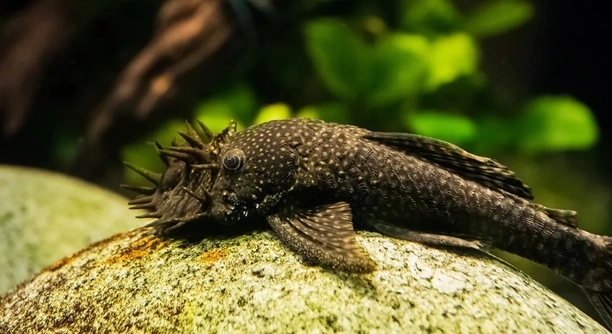
Bristlenose Pleco
The Bristlenose Pleco is one of the most popular species for tanks with hard water. It adapts easily to a wide range of conditions and is peaceful by nature. These fish usually stay under six inches in length, which makes them suitable for smaller aquariums. They enjoy hiding in driftwood and feeding on algae, helping to keep tanks clean. While they don’t require soft water, it’s important to maintain stable water parameters. A pH between 6.5 and 7.8 and moderate to high general hardness is suitable. They do well in community tanks when given enough hiding spaces and a balanced diet.
Bristlenose Plecos also come in different color varieties like albino and longfin. Their care needs remain the same regardless of type.
Keeping them healthy includes supplementing algae with vegetables and wafers. Regular water changes and a stable environment will help them thrive in hard water without issues.
Rubber Lip Pleco
Rubber Lip Plecos are another hardy option that can tolerate hard water conditions very well. These fish are peaceful, and they do not grow too large, usually reaching about seven inches.
They are less commonly seen in tanks than other types, but they are just as reliable when it comes to algae control and adaptability. A key benefit is that Rubber Lip Plecos don’t require driftwood in their diet, which sets them apart from many other plecos. They feed mostly on algae and prepared foods, and they appreciate a well-oxygenated tank with moderate water flow. Keeping the pH between 6.5 and 8.0 and maintaining higher general hardness levels will support their health. Despite their sturdy nature, they still need routine care. Avoid sudden changes in water parameters. Offer hiding places and clean the substrate regularly. With proper tank maintenance, Rubber Lip Plecos can live for up to ten years, providing long-term value to your aquarium setup.
Clown Pleco
Clown Plecos are small, colorful fish that tolerate hard water well. They grow to about four inches and are known for their striped pattern. These plecos enjoy driftwood and need a stable, clean tank to stay healthy.
They do best in aquariums with a pH between 6.5 and 7.6, and they can handle moderately hard to hard water. Clown Plecos are peaceful and can be housed with other non-aggressive fish. They spend most of their time hiding or grazing on surfaces. Driftwood is essential in their tank because they use it for hiding and as a food source. Although they eat algae, they still need a varied diet. Offer them sinking wafers and blanched vegetables a few times a week to ensure proper nutrition.
These fish don’t require a large tank, but they do appreciate a setup with caves or wood. Consistent water changes and minimal stress help keep them active and thriving. Clown Plecos don’t produce a lot of waste compared to larger species, making them a manageable choice for many aquarists. They also adjust well to community tanks, as long as their tankmates are not aggressive or overly active. Regular care and a calm environment will support their long-term health.
Green Phantom Pleco
Green Phantom Plecos are larger than other options on this list, but they can live comfortably in hard water tanks with proper care. They are peaceful and need a tank with hiding spaces and good water movement.
These plecos grow to around seven inches and are more sensitive to water quality than some other types. A tank size of at least 55 gallons is recommended due to their size and activity level. Water parameters should remain steady, with a pH of 6.5 to 7.8 and moderate to high hardness. Green Phantom Plecos need a balanced diet of algae wafers, sinking pellets, and occasional vegetables. Though they do graze on algae, this alone is not enough to keep them nourished. They prefer soft substrate and hiding spots like caves or driftwood. It’s important to maintain good filtration and regular cleaning to prevent waste buildup. These fish can live several years when well cared for.
Blue Phantom Pleco
Blue Phantom Plecos do well in hard water as long as the tank is stable and well-oxygenated. They reach about seven inches and prefer aquariums with rocks, caves, and strong filtration to keep water quality high.
These fish are mostly peaceful and can live alongside similar-sized tankmates. They eat algae, wafers, and blanched vegetables.
Leopard Frog Pleco
Leopard Frog Plecos are smaller plecos that adapt well to hard water, usually reaching four inches in length. They need stable water conditions, a pH around 7.0, and hiding spots made from wood or caves. They’re peaceful and eat mostly prepared foods and occasional vegetables.
Candy Striped Pleco
Candy Striped Plecos are calm fish that stay under four inches. They enjoy slightly warmer tanks with hard water and low current. Keep them in tanks with driftwood, hiding spots, and offer them algae-based wafers and vegetables regularly.
FAQ
Can plecos live in hard water long-term?
Yes, many plecos can live in hard water without problems as long as the water conditions remain stable. Hard water is usually not harmful unless the pH or temperature fluctuates too much. Species like the Bristlenose, Rubber Lip, and Clown Plecos are especially well-suited for harder water. Their adaptability makes them reliable choices for a wide range of home tanks. Make sure to test your water regularly and avoid drastic changes. Providing a balanced diet, enough hiding places, and proper tank maintenance will help them stay healthy in these conditions long-term.
Do plecos need driftwood in a hard water tank?
Some plecos benefit from driftwood in their tank, while others do not require it. For example, Bristlenose and Clown Plecos need driftwood both for hiding and for digestive support. Driftwood helps soften their food and aids their gut health. Rubber Lip Plecos, on the other hand, do not rely on driftwood in the same way. Still, it’s good to include driftwood in any pleco tank because it mimics their natural habitat and provides enrichment. Just ensure it’s aquarium-safe and does not affect your water’s hardness or pH too much.
How often should I feed plecos in a hard water setup?
Feeding plecos in hard water tanks is the same as in any setup. Most plecos are nocturnal and prefer to eat in the evening. Offer food once per day, and remove leftovers after a few hours to maintain water quality. Depending on the species, their diet should include algae wafers, sinking pellets, and fresh vegetables like zucchini or cucumber. Even algae-eating plecos need supplemental food to stay healthy. Adjust feeding amounts based on your tank size and the number of fish to avoid overfeeding.
Is a high pH level okay for plecos?
A slightly high pH level is generally okay for most hard water-tolerant plecos. Many species can live comfortably in a pH range from 6.5 to 8.0, with 7.0–7.6 being ideal for most of them. It’s more important to keep the pH stable than to try to match an exact number. Sudden changes in pH can stress plecos and lead to illness. Use a reliable water test kit and avoid chemical pH adjusters unless absolutely necessary. Stability and consistency are better than constantly chasing a perfect number.
Do plecos still help with algae control in hard water?
Yes, plecos continue to graze on algae in hard water tanks. However, their effectiveness depends on the species and their age. Younger plecos are often more active in algae control. Bristlenose and Rubber Lip Plecos are particularly good at keeping algae under control. That said, plecos should never be the only method of algae management. Light control, proper feeding, regular water changes, and good filtration all play a part in keeping algae levels balanced. Think of plecos as part of the cleanup crew, not the whole team.
Can I keep multiple plecos in one hard water tank?
You can keep multiple plecos in the same tank if there is enough space and hiding spots for each. Some species are more territorial than others, especially males. Larger tanks with caves, driftwood, and separate feeding areas can help reduce stress and aggression. Avoid keeping two males of the same species in small tanks. Always research the specific species you plan to keep, since size, temperament, and diet needs vary. As long as the tank is large and stable, it’s possible to house more than one pleco comfortably.
What temperature range is best for plecos in hard water?
Most plecos that do well in hard water prefer a temperature range between 72°F and 80°F (22°C to 27°C). This range supports healthy digestion, immune function, and overall behavior. Use a good-quality heater and thermometer to keep the temperature stable. Fluctuations can stress plecos, especially if the water is already on the harder side. Some plecos, like the Green and Blue Phantom, prefer the higher end of that range. Always check your species’ exact needs before adjusting temperature settings.
Are plecos sensitive to hard water changes during water changes?
Plecos can tolerate hard water, but they don’t do well with sudden changes in hardness or pH. When performing water changes, try to match the temperature and general hardness (GH) of the existing tank water. Use a dechlorinator, and avoid using pure distilled or softened water unless mixed properly. If your tap water is naturally hard, just be consistent. Making slow, partial changes is safer than big swaps. Over time, gradual consistency supports better health and reduces stress in plecos of all types.
Final Thoughts
Keeping plecos in hard water is manageable when you choose the right species and maintain stable tank conditions. Many types, such as Bristlenose, Rubber Lip, and Clown Plecos, are well suited for harder water environments. They can live comfortably and stay healthy as long as the water parameters remain consistent. This includes keeping the pH within an acceptable range, monitoring water hardness, and avoiding sudden changes. These fish are resilient when properly cared for, and many aquarists have success keeping them in tanks with hard tap water. It’s also important to research the specific needs of each species before introducing them into your aquarium.
Tank setup and maintenance play a large role in your pleco’s overall health. Hard water itself won’t cause problems if your aquarium is clean, filtered, and balanced. Include hiding spaces like caves and driftwood for plecos that need them. Offer a balanced diet with algae wafers, fresh vegetables, and other sinking foods depending on the species. Feed them in the evening and remove uneaten food to help maintain water quality. While plecos may help reduce algae, they are not a complete solution to algae control. Proper lighting, regular cleaning, and consistent water changes are just as important in a well-maintained tank.
Adding plecos to a hard water tank can be rewarding with a little planning. These peaceful bottom dwellers bring both visual interest and practical benefits to the aquarium. As long as you’re consistent with care, avoid overstocking, and monitor parameters regularly, plecos will adapt and thrive in hard water setups. Always choose species that match your tank size, water conditions, and level of experience. With careful attention to their needs, plecos can become a long-term part of your aquarium, adding charm and function without requiring overly complex care routines.

Hello,
If you enjoy the content that we create, please consider saying a "Thank You!" by leaving a tip.
Every little bit helps us continue crafting quality advice that supports the health, happiness, and well-being of pets around the world, for pets of all shapes, sizes, and species.
We really appreciate the kindness and support that you show us!