
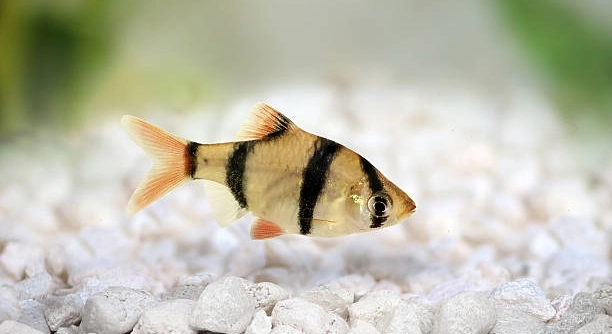
Tiger barbs are lively and colorful fish that need clean, well-filtered water to thrive in home aquariums. Choosing the right filter helps maintain a healthy environment and supports their active swimming habits. Proper filtration ensures their tank stays clear and safe.
The best filters for tiger barbs are those that provide efficient mechanical, biological, and chemical filtration without creating overly strong currents. Canister filters, sponge filters, and hang-on-back filters are popular choices due to their balanced flow and reliable water quality management.
Selecting the right filtration system can greatly improve your tiger barbs’ health and tank cleanliness. This guide highlights seven filter types best suited for their specific needs.
Canister Filters for Tiger Barbs
Canister filters are highly effective for maintaining clean water in tiger barb tanks. They offer strong mechanical, biological, and chemical filtration, which keeps the water clear and safe for fish. These filters sit outside the tank, allowing for a larger media capacity. This means they can handle more waste and contaminants than smaller filters. Canister filters also provide adjustable flow rates, so you can avoid creating strong currents that stress tiger barbs. Their multi-stage filtration system supports beneficial bacteria growth, which is essential for breaking down harmful ammonia and nitrites. Although they may be more expensive and require more maintenance than basic filters, their efficiency and reliability make them a popular choice among fishkeepers with medium to large tanks. The quiet operation is another advantage, keeping the tank environment peaceful for both fish and owner.
Canister filters balance performance with gentle water flow, making them ideal for tiger barbs.
Choosing the right filter size is important. Make sure the canister filter matches your tank volume to maintain optimal water quality. Regular cleaning of the filter media is necessary to avoid clogging but avoid over-cleaning to preserve beneficial bacteria. Installing the filter properly ensures it runs quietly and efficiently. While set-up can be more complex than other filter types, the benefits of stable water parameters and reduced maintenance make canister filters a top recommendation for tiger barb aquariums.
Sponge Filters: Simple and Effective
Sponge filters are a gentle filtration option often used in smaller or breeding tanks. They provide excellent biological filtration with mild water flow that suits tiger barbs well.
Sponge filters work by pulling water through a porous sponge that traps debris and supports beneficial bacteria. This type of filter is powered by an air pump, which keeps water moving without creating strong currents. They are inexpensive, easy to install, and require minimal maintenance. Regular rinsing of the sponge in tank water prevents buildup while preserving bacterial colonies. Sponge filters also offer good aeration, which benefits fish health. Their gentle flow helps tiger barbs feel comfortable and encourages natural behavior. While sponge filters do not provide chemical filtration, pairing them with water changes or other filtration methods can keep the tank clean. They are especially useful in quarantine or fry tanks where mild conditions are needed.
Sponge filters provide reliable filtration with minimal disturbance for tiger barbs, making them a solid choice for quieter tanks.
Hang-On-Back Filters
Hang-on-back (HOB) filters are popular for their ease of use and efficient filtration. They hang on the back of the tank, saving space inside. These filters offer mechanical, biological, and chemical filtration in a compact design.
HOB filters pull water from the tank, pass it through filter media, and return it gently. This process helps remove debris and supports beneficial bacteria growth. They often include replaceable cartridges that combine different types of media. The flow rate is usually adjustable, which is helpful for tiger barbs who prefer moderate water movement. Maintenance is straightforward—changing cartridges or rinsing media keeps the filter working well. HOB filters are suitable for small to medium tanks, balancing performance and convenience without overwhelming the aquarium.
While not as powerful as canister filters, HOB filters are versatile and affordable. They deliver good filtration without creating strong currents, making them well-suited to tiger barbs’ active but sensitive nature.
Undergravel Filters
Undergravel filters use a plate placed beneath the substrate to draw water through the gravel, offering mechanical and biological filtration. This method promotes beneficial bacteria growth within the substrate.
These filters are powered by an air pump or powerhead, pulling water down through the gravel where debris is trapped and broken down. They improve oxygenation of the tank bottom and reduce detritus accumulation. Undergravel filters require regular gravel vacuuming to prevent clogging. While not providing chemical filtration, they work well combined with other filter types. They tend to create gentle water flow, which suits tiger barbs well. Installation is simple but works best in established tanks where the substrate is mature and stable. Undergravel filters are cost-effective and low maintenance, ideal for hobbyists seeking natural filtration methods.
Though less common than other filters, undergravel systems support a healthy tank environment when used properly. Their quiet operation and gentle flow keep tiger barbs comfortable and active.
Power Filters
Power filters provide strong water circulation and thorough filtration. They are suitable for larger tanks with more fish, including tiger barbs. These filters often combine mechanical, biological, and chemical filtration efficiently.
Because of their powerful flow, power filters may need flow adjustment to avoid stressing tiger barbs. Proper setup and maintenance keep water quality high while maintaining a comfortable environment for your fish.
Wet/Dry Filters
Wet/dry filters maximize biological filtration by exposing water to air before it returns to the tank. This process supports robust beneficial bacteria colonies, which are essential for breaking down harmful substances.
These filters are ideal for heavily stocked tanks or advanced aquarists. Wet/dry filtration ensures excellent water quality but may require more space and regular maintenance to operate effectively.
Internal Filters
Internal filters are placed inside the tank and provide mechanical and biological filtration. They are compact and easy to install, suitable for small tanks or supplementary filtration.
Their gentle flow is appropriate for tiger barbs, offering steady filtration without creating strong currents that could cause stress.
FAQ
What type of filter is best for a beginner with tiger barbs?
For beginners, sponge filters or hang-on-back (HOB) filters are the easiest to use and maintain. Sponge filters provide gentle filtration without strong currents, which tiger barbs appreciate. HOB filters offer mechanical, biological, and chemical filtration with simple installation and regular maintenance. Both options are affordable and effective for smaller to medium tanks, making them ideal for new fishkeepers.
How often should I clean the filter in my tiger barb tank?
Cleaning frequency depends on the filter type and tank conditions but generally ranges from every two to four weeks. Avoid cleaning all filter media at once to preserve beneficial bacteria. Rinse sponges or cartridges gently in tank water to maintain bacterial colonies. Regular partial cleaning prevents clogging and maintains efficient filtration, keeping your tiger barbs’ environment healthy.
Can a filter create too much current for tiger barbs?
Yes, strong water flow can stress tiger barbs since they prefer moderate currents. Filters like canister and power filters may produce strong flows that need adjustment. Many filters have adjustable flow rates or can be modified with spray bars or flow deflectors to reduce current strength, creating a comfortable environment for active but sensitive tiger barbs.
Is chemical filtration necessary for tiger barb tanks?
Chemical filtration, usually through activated carbon or similar media, helps remove impurities like odors, discoloration, and dissolved chemicals. While not always essential, it improves water clarity and quality. Combining chemical filtration with mechanical and biological filtration ensures a balanced tank environment that supports tiger barbs’ health and well-being.
Can I rely solely on a sponge filter for a heavily stocked tiger barb tank?
Sponge filters excel in biological filtration but may not be sufficient alone in heavily stocked tanks. They have limited mechanical filtration capacity and no chemical filtration. For tanks with many fish, pairing sponge filters with other types like canister or HOB filters provides better water quality management and helps maintain stable water parameters.
What are the signs that my filter isn’t working properly?
Cloudy water, strong odors, excessive algae growth, or sudden fish stress and illness are common signs of filtration problems. Reduced water flow or strange noises from the filter also indicate maintenance is needed. Promptly checking and cleaning or replacing filter media can prevent long-term tank health issues.
How important is filter size for tiger barb tanks?
Filter size should match or exceed the tank volume to ensure efficient filtration. An underpowered filter struggles to keep the water clean, while an oversized filter may create strong currents unless flow is adjustable. Proper sizing maintains water clarity and quality, which are crucial for tiger barbs’ active lifestyle and sensitivity.
Can I use multiple filters in one tiger barb tank?
Using multiple filters can improve water quality by combining different filtration methods and increasing total filtration capacity. For example, a sponge filter for gentle biological filtration paired with a canister filter for mechanical and chemical filtration works well. This setup helps maintain a balanced environment and reduces the load on each filter.
Do filters remove toxins like ammonia and nitrites?
Filters primarily support beneficial bacteria that break down harmful ammonia and nitrites through biological filtration. Mechanical filtration removes debris, and chemical filtration can absorb some dissolved substances. Together, these processes help maintain safe water chemistry for tiger barbs, preventing toxic buildups.
Are quieter filters better for tiger barbs?
Quieter filters reduce stress for both fish and the aquarium owner. Loud noises or vibrations can disturb tiger barbs, which thrive in calm, stable environments. Filters like canister and sponge filters tend to operate quietly, contributing to a peaceful tank atmosphere that promotes healthy fish behavior and growth.
Choosing the right filter for tiger barbs is important for keeping their tank clean and healthy. These fish need clear water with balanced conditions to thrive. Different types of filters offer various benefits, so understanding what each filter does helps in making a good choice. Whether it is a canister, sponge, hang-on-back, or undergravel filter, each one supports mechanical, biological, and sometimes chemical filtration in its own way. Proper filtration removes waste, toxins, and debris from the water, helping to maintain stable water quality that tiger barbs require for their active and energetic nature.
Filters also vary in flow strength, which matters for tiger barbs because they prefer moderate water movement. Too strong a current can stress the fish and disrupt their behavior. Many filters offer adjustable flow settings, allowing the owner to control water circulation and create a comfortable environment. Regular maintenance is equally important—cleaning and replacing filter media when needed keeps the system working efficiently. It is also essential to avoid over-cleaning all filter components at once to protect beneficial bacteria colonies that break down harmful substances like ammonia and nitrites.
Ultimately, the best filter depends on the size of the tank, the number of fish, and the owner’s maintenance preferences. Beginners often find sponge and hang-on-back filters easy to manage, while more experienced aquarists may prefer the power and customization of canister or wet/dry filters. Combining filters can also enhance filtration and provide more stable conditions. Keeping water clean and well-filtered contributes to the long-term health and happiness of tiger barbs, ensuring they remain vibrant and active in the aquarium.

Hello,
If you enjoy the content that we create, please consider saying a "Thank You!" by leaving a tip.
Every little bit helps us continue crafting quality advice that supports the health, happiness, and well-being of pets around the world, for pets of all shapes, sizes, and species.
We really appreciate the kindness and support that you show us!