
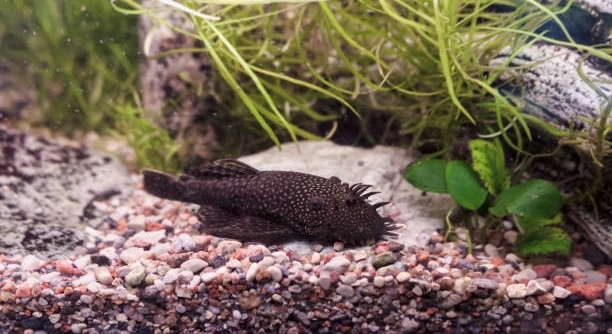
Driftwood can be a great addition to your Plecostomus tank, offering hiding spots and a natural environment. It’s important to choose the right type of driftwood to ensure the health and safety of your fish.
Certain types of driftwood, such as Malaysian, Mopani, and Cholla, are safe for Plecostomus. These woods provide beneficial tannins and offer a good surface for biofilm growth, which is a natural food source for the fish.
Knowing which driftwoods are safe for your Plecostomus can help you create a thriving, healthy aquarium. Let’s explore the best types of driftwood to consider for your tank.
1. Malaysian Driftwood
Malaysian driftwood is a popular choice for aquariums with Plecostomus. This driftwood is dense and durable, making it a long-lasting option. It’s also rich in tannins, which are beneficial for the water chemistry and can help mimic the fish’s natural habitat. The wood’s rough surface provides excellent areas for algae and biofilm to grow, giving your Plecostomus a natural food source. As an added bonus, Malaysian driftwood doesn’t leach harmful substances into the water, making it safe for your fish.
One of the advantages of Malaysian driftwood is its ability to sink easily. This is important because it won’t float around your tank, which can be a hassle. You’ll find it easy to position and adjust as needed, creating a more stable environment.
Before adding Malaysian driftwood to your tank, make sure to rinse it thoroughly to remove dirt and debris. Soaking it beforehand can also help reduce tannin release, which may darken the water. With proper care, Malaysian driftwood can be a long-lasting, safe choice for your Plecostomus.
2. Mopani Driftwood
Mopani driftwood is another excellent option. It has a unique appearance with dark, hard wood and a slightly textured surface. This wood is also safe for Plecostomus, providing both aesthetics and functionality. While Mopani wood can be heavier and more difficult to work with, it offers a solid base for your aquarium. The wood doesn’t require frequent maintenance, making it a practical choice for busy aquarium owners.
Mopani driftwood is known for its ability to sink quickly, and it can help enhance the overall look of your tank. Its natural color gives an earthy feel that adds character to your aquarium while remaining safe for the Plecostomus.
3. Cholla Wood
Cholla wood is a fantastic option for Plecostomus. It’s easy to find and relatively inexpensive. Cholla wood’s spongy texture and hollow structure create small hiding spots, which your fish will appreciate. It also provides a natural surface for algae to grow, helping your Plecostomus stay well-fed.
One of the benefits of Cholla wood is its lightweight nature. It won’t require much effort to sink, and it adds a unique look to the tank. Over time, Cholla wood will soften, making it easier for your Plecostomus to interact with it.
When using Cholla wood, be aware that it can break into smaller pieces as it ages. This won’t harm your fish but may require you to replace pieces as they break apart. Overall, it’s a safe, practical, and visually appealing option for your aquarium.
4. Driftwood from the Bogwood Family
Bogwood, also known as swamp wood, is often safe for Plecostomus. It’s dense and sturdy, making it a good choice for aquariums that need a more permanent feature. The wood’s dark color and organic texture blend well in many setups. Its ability to sink easily makes it convenient for setup.
Bogwood can also release tannins, slightly staining the water. This is perfectly safe for your Plecostomus, as they naturally live in tannin-rich environments. The wood also supports biofilm growth, offering a natural food source. It’s important to soak Bogwood before use to minimize tannin release and help it settle into your aquarium more quickly.
5. Pine Wood
Pine wood can be used for Plecostomus tanks but with caution. It’s soft and lightweight, making it easy to work with. However, it can release resins that may harm your fish if not treated properly. Make sure to thoroughly soak it before adding it to your tank.
The primary concern with pine wood is its potential for resin leaching. If not fully submerged and pre-soaked, it may cause issues. Over time, the wood will break down faster than other types, which can affect water quality. It’s best to monitor it closely to avoid problems.
6. Oak Wood
Oak wood is a solid, safe option for your Plecostomus tank. It’s dense, durable, and offers great hiding spots. With proper care, oak wood can last a long time without breaking down. Just be sure to soak it first to reduce tannin release. The wood will naturally sink once treated.
Oak wood also provides a rough surface for biofilm growth, offering your Plecostomus a natural food source. This wood does require some maintenance to prevent it from floating or leaching too much tannin. However, it’s a popular choice for many aquarium owners due to its sturdiness and functionality.
FAQ
Is all driftwood safe for Plecostomus?
Not all driftwood is safe for Plecostomus. Some types, especially those that haven’t been properly prepared, can leach harmful substances or resins into the water. It’s essential to choose the right type of driftwood and ensure it’s properly cleaned and soaked before placing it in your aquarium. The best options are Malaysian, Mopani, Cholla, and certain kinds of bogwood, as these types are typically safe for Plecostomus and provide beneficial tannins and biofilm growth.
How do I prepare driftwood for my Plecostomus tank?
Preparing driftwood for your Plecostomus tank involves soaking it for several days or even weeks, depending on the type. This helps release excess tannins and ensures it sinks properly. Rinse the driftwood thoroughly to remove dirt and debris, and use a weight or anchor to keep it submerged. Once soaked, check the wood for any sharp edges or loose bark that could harm your fish. You should also monitor the water conditions for a few days after adding the driftwood to ensure the water doesn’t become too acidic or stained.
Does driftwood affect water chemistry in the tank?
Yes, driftwood can affect the water chemistry, particularly in terms of pH and water hardness. Driftwood, especially types like Malaysian and Mopani, can release tannins into the water, which may cause the water to become slightly acidic. This is generally not a problem for Plecostomus, as they thrive in slightly acidic water. However, it’s a good idea to regularly monitor your tank’s water parameters to ensure that the pH level stays within a safe range for your fish.
How long will driftwood last in an aquarium?
Driftwood can last for many years in an aquarium, especially when it’s made from durable, dense woods like Mopani or bogwood. However, softer woods like pine and oak may break down more quickly. Over time, driftwood will degrade and soften, but this process is natural. Just be aware that as the wood breaks down, it might become more porous or fragile, and pieces could break off. Regular inspection can help you decide when to replace the driftwood.
Can I use wood from outside for my Plecostomus tank?
While it’s possible to use wood from outside, it’s important to be cautious. Outdoor wood may carry parasites, bacteria, or chemicals that could harm your aquarium. If you decide to use wood from outside, make sure to properly clean and sterilize it before adding it to your tank. Boiling the wood or soaking it for several weeks in freshwater can help remove unwanted substances and ensure it’s safe for your fish.
Does driftwood need to be anchored?
Yes, many types of driftwood need to be anchored in your aquarium. Some pieces float when first added, and without proper anchoring, they may shift around in the tank. You can use aquarium-safe weights, rocks, or even fishing line to secure the driftwood in place. Once the wood has soaked and become waterlogged, it should sink and stay in place on its own.
Is it safe to use driftwood with shrimp and other small fish?
Yes, driftwood is generally safe for shrimp and small fish, especially types like Cholla wood and Malaysian driftwood. These types provide hiding spaces and areas for biofilm growth, which can benefit both Plecostomus and smaller aquarium inhabitants. However, it’s important to monitor the water’s tannin levels, as too many tannins can affect the health of sensitive species like shrimp.
Can I add driftwood to a tank with plants?
Driftwood can be added to a tank with plants, but it’s important to consider the potential effects on plant growth. Some types of driftwood may lower the water’s pH, which could affect certain plants that prefer neutral or alkaline conditions. However, many plants thrive in slightly acidic water, so driftwood can actually benefit plant growth by providing a more natural environment. Be sure to choose plants that can tolerate the water conditions created by the driftwood and check them regularly for signs of stress.
How do I know if driftwood is safe for my tank?
To determine if driftwood is safe for your tank, research the type of wood and ensure it’s suitable for aquarium use. Always rinse the wood thoroughly and soak it for a few days before placing it in the tank. If the wood releases excessive tannins or changes the water parameters too drastically, it may not be suitable for your Plecostomus. It’s also helpful to check if the wood has been treated or processed, as some woods may contain harmful chemicals.
Should I be concerned about the wood affecting my fish?
As long as you choose the right type of driftwood, it should not pose a threat to your Plecostomus. Most safe driftwoods provide beneficial tannins, which can improve water quality by lowering pH slightly and creating a more natural environment. However, always monitor your fish after introducing driftwood to ensure they are not stressed or showing signs of discomfort. If the driftwood causes excessive water discoloration or water parameter imbalances, it may need to be removed.
Can I use driftwood if I have a filter in my aquarium?
Yes, you can use driftwood if you have a filter in your aquarium. A filter can help maintain clean water by removing excess tannins and other debris that may be released by the driftwood. However, if your filter isn’t strong enough, you may notice the water becoming discolored. Using activated carbon in your filter can also help to reduce the staining effects of tannins without harming your fish.
Final Thoughts
Choosing the right driftwood for your Plecostomus is important for their health and the overall balance of your aquarium. While driftwood can enhance the look of your tank and provide benefits like food sources and hiding places, not all types of wood are safe. Certain woods can leach harmful chemicals or resins that may harm your fish, so it’s essential to select types that are known to be safe for aquarium use, such as Malaysian, Mopani, Cholla, and bogwood. By doing proper research and preparation, you can ensure your Plecostomus thrives in a safe and natural environment.
The preparation process for driftwood is also crucial. Many types of driftwood require soaking for several days or even weeks to remove excess tannins and ensure the wood sinks. You’ll also want to rinse and clean the wood thoroughly to get rid of any dirt or debris. For some types of wood, such as pine, it’s essential to soak them well to reduce the risk of resin leaching into the water. Regularly checking the water’s pH and overall quality will also help you spot any changes caused by the driftwood, ensuring that your Plecostomus remains healthy and comfortable.
In the end, driftwood can be a great addition to your aquarium if chosen and prepared properly. It can offer your Plecostomus a more natural habitat, create hiding spaces, and provide a natural food source in the form of biofilm. By selecting the right driftwood and maintaining your tank’s water quality, you’ll be able to create a healthy, thriving environment for your fish. It’s all about finding the balance and ensuring that the driftwood enhances your Plecostomus’s habitat without causing any harm.

Hello,
If you enjoy the content that we create, please consider saying a "Thank You!" by leaving a tip.
Every little bit helps us continue crafting quality advice that supports the health, happiness, and well-being of pets around the world, for pets of all shapes, sizes, and species.
We really appreciate the kindness and support that you show us!