
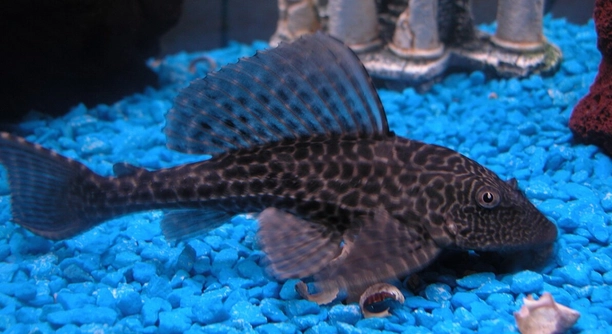
Driftwood plays a crucial role in providing plecos with a natural environment. It offers both aesthetic value and essential benefits for their health. Understanding which types of driftwood plecos love best can enhance their well-being and aquarium experience.
The best types of driftwood for plecos include varieties like Mopani, Cholla, and Malaysian, which provide surfaces for grazing and hiding spots. These types also contribute to water conditions that support plecos’ natural behaviors, like grazing on algae and biofilm.
Learning about the specific driftwood preferences will allow you to create a more suitable environment for your plecos. This knowledge can significantly improve their comfort and overall health in your aquarium.
Mopani Driftwood: Plecos’ Favorite Choice
Mopani driftwood is one of the most popular options for pleco aquariums. Its dense, hard texture provides plenty of surfaces for algae and biofilm growth, which plecos enjoy grazing on. This type of wood also sinks quickly, making it a reliable option for aquariums. Additionally, Mopani has an attractive, natural appearance, with its light and dark patterns. Over time, it can leach tannins into the water, creating slightly acidic conditions that plecos thrive in. This is especially beneficial for plecos that prefer softer, more acidic water. The wood also provides hiding spots, helping plecos feel secure and reducing stress.
Mopani driftwood can be a bit difficult to clean initially, as it can release some debris when placed in water. It’s essential to rinse it thoroughly before adding it to the tank to avoid clouding the water.
Despite its beauty and benefits, Mopani driftwood can darken the water over time. While this may be desirable for certain aquariums, it’s important to monitor water conditions regularly to maintain a balance. However, this wood is a solid choice for plecos that need both shelter and food sources.
Malaysian Driftwood: Great for Plecos
Malaysian driftwood is another excellent choice for plecos. It is easy to find and typically sinks without the need for soaking. This wood often features many small branches and crevices, offering ideal hiding spaces for plecos to rest.
Malaysian driftwood is ideal for aquariums with plecos due to its texture and natural benefits. It promotes healthy water conditions by leaching tannins and lowering pH slightly. This wood encourages plecos to explore their environment, keeping them active and engaged. Furthermore, it provides plenty of surface area for biofilm growth, which plecos eat. Unlike other types, Malaysian driftwood tends to stay lighter in color over time, offering an appealing visual element to your aquarium. It also holds up well against decay, making it a long-lasting addition. As a bonus, it doesn’t need heavy cleaning.
Cholla Wood: Plecos Appreciate It
Cholla wood is another driftwood type that plecos enjoy. Its hollow structure makes it easy for plecos to explore and find shelter. It also encourages natural behavior, as plecos love grazing on the biofilm that forms on its surface. This wood is easy to handle and does not need a lot of preparation before placing it in the aquarium.
Cholla wood is lightweight and sinks quickly once soaked, which is ideal for pleco aquariums. The texture of the wood allows plecos to scrape away algae and biofilm, providing them with additional food sources. Over time, it becomes waterlogged, allowing plecos to move in and out of its hollow chambers freely. The unique look of Cholla wood also adds a natural touch to your tank, enhancing the aesthetic value of your setup.
One of the main benefits of Cholla wood is its ability to maintain water quality. It helps reduce nitrate levels in the tank and adds a natural, earthy look. However, it can sometimes break down faster than other types of driftwood. Despite this, plecos still benefit from it due to the ample grazing opportunities it provides.
Driftwood Maintenance for Plecos
Keeping driftwood in an aquarium requires some upkeep to ensure its effectiveness. Regular monitoring of water quality is necessary to ensure that the wood doesn’t leach too many tannins. It’s also important to clean the wood occasionally to prevent excess buildup of organic matter.
Maintaining your driftwood is relatively simple. You should inspect it for any signs of rot, especially in softer woods. If you notice any decay, you should remove the affected sections promptly. Routine water changes will help remove any tannins released by the driftwood and keep the environment balanced. Additionally, providing a stable water temperature and pH level will help ensure that the driftwood remains effective for plecos. With regular care, driftwood can last for years, providing essential benefits for both your plecos and the overall health of your aquarium.
Driftwood Types to Avoid for Plecos
Some types of driftwood should be avoided for pleco tanks. Woods like pine and cedar contain oils and resins that can harm aquatic life, including plecos. These types of wood may release harmful substances that affect water quality, leading to health issues for your fish.
Choosing driftwood carefully ensures your plecos’ well-being. Avoid woods with strong odors or resins that can pollute the tank. Driftwood types like pine or cedar, which are not suitable for aquariums, can deteriorate water conditions quickly, leading to stress or illness in plecos. Always ensure that driftwood is aquarium-safe.
These types of driftwood can also impact the stability of your tank’s ecosystem. The chemicals in pine and cedar may alter the pH and cause toxicity in the water. It’s best to stick with more common and tested types of driftwood like Mopani, Malaysian, and Cholla.
Benefits of Driftwood for Plecos
Driftwood offers several advantages for plecos beyond food sources. It provides important hiding places for them to feel secure. Plecos are naturally shy, and driftwood offers shelter where they can rest, especially during the daytime when they prefer to stay hidden from other tankmates.
Driftwood also plays a key role in water quality by lowering pH levels, mimicking natural conditions in plecos’ native habitats. It helps maintain a more stable, suitable environment, enhancing the plecos’ overall health. Additionally, the biofilm growth on driftwood gives plecos a constant food source, helping them stay well-fed.
FAQ
What is the best driftwood for plecos?
Mopani, Malaysian, and Cholla wood are the best choices for plecos. Mopani provides dense, hard surfaces that plecos love to graze on, while Malaysian driftwood offers many crevices and low-maintenance care. Cholla wood is lightweight, sinks easily, and gives plecos a safe space to hide. These types are also great for maintaining healthy water conditions.
How do I prepare driftwood for my pleco tank?
Before placing driftwood in your aquarium, rinse it thoroughly to remove any dirt or debris. Some types, like Mopani, require soaking for a few days to ensure they sink properly. Boiling the driftwood helps remove excess tannins and prevents cloudiness in the water.
Why is Mopani driftwood popular among pleco owners?
Mopani driftwood is favored because it provides plecos with a suitable environment for grazing and hiding. It leaches tannins into the water, which helps create slightly acidic conditions that plecos enjoy. Its unique color and texture also make it an attractive addition to any aquarium setup.
Can driftwood be harmful to plecos?
If you choose the wrong type of driftwood, such as pine or cedar, it can harm your plecos by releasing harmful resins and oils into the water. It’s important to avoid woods with strong odors or chemicals that can disrupt water quality and cause stress for your fish.
How often should I clean my driftwood?
Driftwood doesn’t require frequent cleaning, but it’s important to inspect it regularly. If there’s any visible mold, algae buildup, or other debris, gently clean it with a soft brush. Avoid harsh cleaning methods, as they may damage the surface and reduce the beneficial biofilm.
Is it necessary to soak driftwood before placing it in the tank?
Soaking driftwood is recommended to remove excess tannins, especially with Mopani wood. Some pieces may float when first placed in the tank, and soaking helps them sink more quickly. Soaking also reduces the chances of cloudiness in your aquarium caused by tannin release.
How does driftwood affect water chemistry for plecos?
Driftwood, especially types like Mopani and Malaysian, can alter the water’s pH and hardness. The tannins released by the wood lower the pH slightly, mimicking the natural environment of plecos. This can be beneficial for plecos that prefer slightly acidic conditions. However, it’s important to monitor water quality to ensure it stays within acceptable ranges for your fish.
Does driftwood affect the health of plecos?
When used correctly, driftwood can improve pleco health by offering a natural habitat for hiding and grazing. The biofilm that grows on driftwood provides plecos with a continuous food source. However, if the wood is not cleaned properly or if the wrong type is used, it could lead to water contamination, negatively affecting pleco health.
Can plecos eat the driftwood?
Plecos are known for grazing on biofilm and algae that form on driftwood, but they don’t eat the wood itself. They may nibble on the surface, but their primary food source will be the microorganisms that grow on it. Driftwood provides them with an environment to forage, which is essential for their well-being.
How long does driftwood last in a pleco tank?
Driftwood can last for several years in a pleco tank, especially types like Mopani and Malaysian, which are dense and resistant to decay. However, softer woods may break down more quickly, and you should monitor them for signs of rot. Over time, driftwood can change in appearance, but its functional benefits remain intact.
Should I use driftwood in a tank with multiple plecos?
Yes, driftwood is beneficial in tanks with multiple plecos. It provides ample hiding spots, allowing plecos to establish their territories. It also promotes natural behaviors like grazing and exploring. Ensure there’s enough driftwood to accommodate all plecos and reduce competition for space.
Is driftwood safe for other tank mates?
Driftwood is generally safe for other tank mates as well. It offers hiding spaces that benefit plecos and other species, such as shrimp or small fish, by providing them with shelter and reducing stress. However, it’s important to ensure that the driftwood is clean and free from harmful chemicals before introducing it into the tank.
Can I use driftwood with a pleco and other fish species?
Yes, driftwood is ideal for multi-species aquariums, as it provides both plecos and other fish with places to hide and explore. Many fish appreciate the shelter it provides, and plecos enjoy grazing on the biofilm. Just ensure that the driftwood doesn’t create too many dark spots, which some fish may avoid.
Do I need to monitor water parameters with driftwood in the tank?
Yes, it’s essential to monitor water parameters when using driftwood. Driftwood can lower pH and soften the water, which may affect the overall tank environment. Regularly check the water’s pH, hardness, and ammonia levels to ensure the water stays safe and healthy for your plecos and other tank inhabitants.
Final Thoughts
Driftwood is a valuable addition to a pleco tank, offering both functional and aesthetic benefits. It provides plecos with hiding spots and a natural environment that encourages healthy behaviors like grazing on biofilm. The right types of driftwood, such as Mopani, Malaysian, and Cholla, create an ideal habitat for plecos by maintaining suitable water conditions and offering a consistent food source. For those looking to replicate the pleco’s natural habitat, driftwood is an essential element. Not only does it support the fish’s well-being, but it also enhances the overall beauty of the aquarium.
However, choosing the right driftwood is crucial for ensuring the health and safety of your plecos. Some types of wood, like pine and cedar, can release harmful resins and chemicals that negatively affect the water quality and harm the fish. It’s important to avoid these types of driftwood and stick with aquarium-safe options. Additionally, preparing the driftwood before adding it to the tank can prevent issues like floating or cloudy water. Soaking, rinsing, and boiling the wood helps eliminate any harmful substances and prepares it for a more stable aquarium environment.
Lastly, driftwood should be regularly checked for signs of decay or excessive biofilm buildup. While driftwood doesn’t require frequent cleaning, inspecting it periodically will help maintain the water quality and keep your plecos healthy. By monitoring water parameters like pH and hardness, you can ensure that the tank conditions remain optimal for your plecos and other aquatic species. With the proper care and attention, driftwood can become a lasting and beneficial part of your pleco tank setup.

Hello,
If you enjoy the content that we create, please consider saying a "Thank You!" by leaving a tip.
Every little bit helps us continue crafting quality advice that supports the health, happiness, and well-being of pets around the world, for pets of all shapes, sizes, and species.
We really appreciate the kindness and support that you show us!