
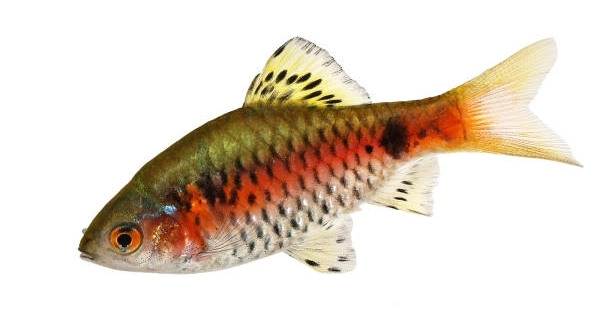
Rosy barbs are lively fish that enjoy exploring their surroundings in aquariums. Their natural curiosity makes them interested in various types of decor, which can affect their behavior and well-being. Understanding their preferences helps create a better environment.
Rosy barbs typically enjoy exploring seven types of decor: plants, rocks, driftwood, caves, open swimming areas, floating objects, and substrate variations. Each type offers unique stimuli that encourage natural behaviors such as hiding, foraging, and swimming actively.
Knowing which decor appeals to rosy barbs can improve their health and happiness in captivity. The following sections outline each type, offering useful insights for aquarium owners.
Plants
Plants provide rosy barbs with a natural and comforting environment. Live plants create hiding spots and help improve water quality by absorbing nitrates. Rosy barbs often explore dense plant clusters, which mimic their natural habitat. They enjoy weaving through leaves and stems, which adds variety to their daily activities. Some common plants suitable for rosy barbs include Java fern, Anubias, and Vallisneria. These plants are hardy and can withstand the active swimming of rosy barbs. Additionally, floating plants offer shade and reduce stress by softening the lighting. Plants also encourage natural foraging behaviors, as tiny food particles may get trapped in leaves. In a planted tank, rosy barbs tend to be more active and less aggressive due to the extra space and visual barriers. Choosing the right plants and maintaining them properly can significantly enhance the tank’s aesthetics and the fish’s overall health.
Plant decorations benefit both the fish and the aquarium’s ecosystem.
Adding plants requires regular care but greatly improves the habitat for rosy barbs.
Rocks and Driftwood
Rocks and driftwood introduce varied textures and shapes for exploration. Rosy barbs use these decorations for shelter and territorial boundaries. Rocks with crevices or flat surfaces give them places to rest or hide when feeling stressed. Driftwood adds a natural look and can lower the water’s pH slightly, which some rosy barbs prefer. Unlike plants, rocks and driftwood do not require maintenance but should be placed carefully to avoid tank damage or injury to fish. They can also influence water chemistry depending on the type of rock or wood. Smooth stones are ideal since they reduce the risk of cuts. Driftwood, when soaked properly, prevents tannins from clouding the water. These features help mimic their natural streams and rivers, supporting their instincts to explore and hide. Using rocks and driftwood together provides a balanced environment that meets both their need for shelter and open swimming areas.
Combining rocks and driftwood creates a stimulating environment while offering shelter and natural water effects.
Caves
Caves offer essential hiding spots that help rosy barbs feel secure. These structures reduce stress and provide shelter during rest or when feeling threatened.
Natural or artificial caves can be used, made from rocks, ceramic, or resin. Rosy barbs often retreat inside to escape bright light or aggressive tank mates. Position caves in quiet corners or under plants to create safe zones. Providing multiple caves helps reduce territorial disputes, as several fish can claim their own space. Caves also encourage natural behavior, including exploration and occasional resting. Ensuring caves have smooth edges prevents injuries, which is important for active swimmers like rosy barbs. Regular cleaning prevents buildup of waste in these enclosed areas, maintaining good water quality.
Caves enhance the tank environment by providing shelter, promoting well-being, and supporting the fish’s natural instincts. Proper placement and maintenance of caves improve overall fish health.
Open Swimming Areas
Rosy barbs need open swimming spaces for exercise and social interaction. These clear areas allow them to swim freely and display natural schooling behavior. Lack of space can lead to stress and aggression. Open areas balance densely decorated zones, ensuring the fish stay active and healthy. Position decorations to create swimming corridors, avoiding overcrowding. Proper lighting enhances their colors during swimming and supports natural rhythms. Open swimming zones also help with feeding, allowing fish to reach food without obstruction. Maintaining open spaces is as important as adding decor for a balanced aquarium. The right balance between open areas and decorations fosters a lively and harmonious tank environment.
Floating Objects
Floating objects create shade and movement in the tank. Rosy barbs enjoy the dappled light and shelter these objects provide.
They also add interest by breaking the water surface, which encourages natural swimming patterns. Floating plants are ideal for this purpose.
Substrate Variations
Different substrates offer tactile and visual stimulation for rosy barbs. Sand, gravel, or fine pebbles each create a unique texture that fish explore with their mouths and fins. Substrate type can affect water quality and behavior. Sand allows easy foraging, while gravel provides a firmer footing and hiding spots for small organisms. Mixed substrates add complexity and encourage natural digging and searching. Choosing the right substrate helps replicate rosy barbs’ natural habitats, supporting their health and activity. Proper substrate maintenance prevents waste buildup, ensuring a clean environment that supports the overall aquarium ecosystem.
Tank Decorations
Decorations enhance the tank’s appearance and provide interaction points for rosy barbs. Items like tunnels, bridges, and ornaments add structure without overcrowding the tank.
Visual Barriers
Visual barriers reduce aggression among rosy barbs by limiting direct line of sight. They help create a peaceful environment.
What types of plants do rosy barbs prefer?
Rosy barbs thrive best with hardy, low-maintenance plants like Java fern, Anubias, and Vallisneria. These plants tolerate the active swimming and occasional nibbling typical of rosy barbs. Floating plants, such as duckweed or water lettuce, also provide shade and reduce stress by softening light. Avoid delicate plants that easily tear or uproot.
How do rocks and driftwood affect water quality?
Certain rocks can raise water hardness and pH, so it’s important to choose inert stones like quartz or slate. Driftwood may release tannins, slightly lowering pH and tinting water yellow, which is usually harmless. Properly soaked driftwood prevents excessive tannin release. Both decorations can help mimic natural habitats but require monitoring water parameters regularly.
Are caves necessary for rosy barbs?
While not strictly necessary, caves offer valuable shelter and reduce stress. They provide secure hiding places during rest or conflicts, improving overall well-being. Multiple caves help lower aggression by giving fish separate territories. Choose smooth, aquarium-safe materials and avoid sharp edges.
Why are open swimming areas important?
Rosy barbs are active swimmers that require space to move freely. Open areas promote exercise, reduce aggression, and support natural schooling behavior. Overcrowding or excessive decor can cause stress. Maintaining clear swimming zones helps keep fish healthy and lively.
Can floating plants harm rosy barbs?
Floating plants generally benefit rosy barbs by creating shaded, calm zones. However, dense floating cover can reduce oxygen levels if not properly managed. Ensure good water circulation and avoid excessive plant growth. Floating plants also trap food particles, encouraging natural foraging.
What substrate is best for rosy barbs?
Rosy barbs do well with sand or fine gravel substrates. Sand allows easy foraging and mimics riverbeds, while fine gravel supports plant roots and hides waste. Mixed substrates add texture and interest. Avoid sharp or large gravel that might injure delicate fins.
How often should tank decorations be cleaned?
Regular cleaning depends on tank size and fish load but typically every 2–4 weeks is advisable. Rinse decorations in tank water during water changes to avoid killing beneficial bacteria. Avoid harsh chemicals. Keeping decor clean prevents algae buildup and maintains good water quality.
Do rosy barbs rearrange tank decorations?
Yes, rosy barbs may move or dig around substrate and small decorations, especially during feeding or territorial displays. Decorations should be stable to avoid accidents. This behavior is normal and indicates active, engaged fish.
Can decorations affect rosy barbs’ behavior?
Decorations influence activity levels and aggression. Providing hiding spots reduces stress and aggression, while open areas encourage movement. Variety in decor supports natural behaviors like exploring, hiding, and foraging. A well-balanced tank setup enhances fish welfare.
Is lighting important for decor and rosy barbs?
Lighting affects plant growth and fish color vibrancy. Moderate lighting supports healthy plants without stressing fish. Too much light may cause algae growth; too little can stunt plants. Adjust lighting to balance aesthetics and tank health. Floating plants help regulate light exposure.
Creating a comfortable and stimulating environment for rosy barbs involves carefully choosing the right types of decor. Each element—from plants to rocks, caves to open swimming spaces—plays a role in supporting the fish’s natural behaviors and well-being. Providing a mix of decorations that offer hiding spots, swimming areas, and exploration opportunities helps reduce stress and encourages activity. It is important to balance aesthetics with function, ensuring that the tank is both visually pleasing and practical for the fish’s needs. Well-chosen decor creates a healthy environment where rosy barbs can thrive.
Maintaining the aquarium is just as important as selecting the decorations. Regular cleaning of the tank, plants, and ornaments helps prevent algae buildup and keeps water quality high. Substrate choice impacts waste accumulation and foraging behavior, so it needs attention as well. Monitoring water parameters like pH and hardness ensures the conditions remain suitable, especially when using items like driftwood or certain rocks that may affect water chemistry. Consistent maintenance promotes a stable habitat that supports the fish’s health over time.
Overall, understanding what types of decor rosy barbs enjoy and how to care for them leads to a more successful aquarium experience. Simple additions like floating plants or caves can significantly improve fish behavior and reduce aggression. Open swimming spaces keep them active and lively, while natural decorations provide comfort and security. Taking time to plan and maintain the tank will reward you with healthy, vibrant rosy barbs that display their natural colors and behaviors. This balance of decoration and care is key to their long-term happiness.

Hello,
If you enjoy the content that we create, please consider saying a "Thank You!" by leaving a tip.
Every little bit helps us continue crafting quality advice that supports the health, happiness, and well-being of pets around the world, for pets of all shapes, sizes, and species.
We really appreciate the kindness and support that you show us!