
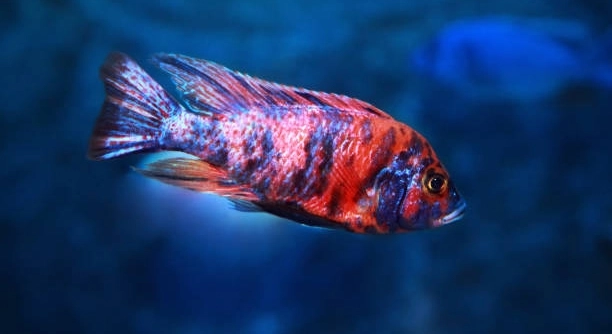
African cichlids are popular aquarium fish known for their vibrant colors and active behavior. Providing the right environment, including caves, helps them feel secure and comfortable in their tank. Caves also encourage natural behaviors like hiding and breeding.
There are several types of caves suitable for African cichlids, including rock caves, ceramic caves, driftwood caves, PVC pipes, shell caves, coconut shell caves, and artificial resin caves. Each type offers unique benefits for shelter, breeding, and territorial needs.
Choosing the right caves can improve your cichlids’ well-being and tank harmony. Exploring these options will help create a healthy and stimulating habitat for them.
Rock Caves for African Cichlids
Rock caves are one of the most common types of shelters used in cichlid tanks. These caves can be made from natural stones stacked carefully to create openings large enough for the fish to enter and hide. The rough texture of rocks also provides a natural feel and helps with algae growth, which some cichlids nibble on. Rock caves are sturdy and stable, making them a reliable choice for tanks with larger or more aggressive cichlids. They also allow multiple hiding spots if arranged properly, which can reduce territorial disputes. It is important to use aquarium-safe rocks to avoid altering water chemistry or harming your fish. Many aquarists enjoy creating custom rock caves to match their tank’s design and to give their fish a more natural habitat.
Rock caves help cichlids feel safe, encourage natural behaviors, and support breeding efforts by providing secure, enclosed spaces.
Creating rock caves requires some effort but offers excellent benefits for fish comfort and tank aesthetics. They blend well with other decorations and provide a timeless look to your aquarium.
Ceramic Caves
Ceramic caves are widely used because they are easy to clean and come in many shapes and sizes. Their smooth surface prevents injury and is gentle on the fish. These caves often mimic natural shapes like logs or rocks, offering familiar shelters for cichlids. Ceramic caves are also durable and resistant to water damage, making them a low-maintenance option. Many hobbyists prefer ceramic caves for breeding purposes, as these caves provide private, safe spaces that help reduce stress during spawning. They are easy to rearrange or add to your tank without worrying about instability. The uniform material doesn’t affect water quality, which is important for maintaining a healthy aquarium environment. Ceramic caves strike a balance between functionality and ease of care, fitting well into various tank setups.
Driftwood Caves
Driftwood caves offer a natural hiding place and can help improve water quality by releasing beneficial tannins. These caves create a cozy, dark environment preferred by many cichlids. Driftwood is lightweight, making it easy to reposition within the tank.
Driftwood caves provide both shelter and a natural aesthetic to the aquarium. The porous surface encourages beneficial bacteria growth, which supports the tank’s biological filtration. However, not all driftwood types are safe for aquariums, so it’s important to select ones specifically prepared for fish tanks. The tannins released by driftwood can slightly lower pH and soften water, which may suit some cichlid species but not others. Proper preparation, like soaking and boiling, helps minimize discoloration and prepares the wood for aquarium use.
Besides shelter, driftwood caves offer additional benefits like shading and territory marking. Cichlids often use these areas to establish dominance and retreat when stressed. Driftwood also blends well with plants and rocks, creating a balanced environment that feels closer to their natural habitat.
PVC Pipe Caves
PVC pipe caves are popular for their affordability and versatility. They are easy to cut and shape, allowing custom cave sizes to fit your tank and fish. PVC is durable and won’t degrade in water over time.
PVC pipes provide a simple, effective shelter for cichlids. They are smooth inside, preventing injuries while offering tight hiding spots that some cichlids prefer. You can paint or cover pipes with aquarium-safe materials to improve their appearance and help them blend into the tank. Many aquarists use PVC pipes to create modular cave systems or tunnels, increasing hiding spaces without taking up too much room. PVC caves also facilitate breeding as some species use them to spawn in narrow spaces. Their light weight allows easy repositioning, helping you adapt the tank layout as needed.
While PVC caves lack natural texture, their functionality and customization options make them a reliable choice. Adding plants or rocks nearby can soften the look and create a more natural atmosphere for your fish. This balance of practicality and aesthetics helps maintain a healthy, stress-free environment for African cichlids.
Shell Caves
Shell caves offer a natural, compact shelter perfect for smaller cichlids. Many species feel safe inside these hard, enclosed spaces, which mimic their natural habitats. Shell caves also add visual interest to the tank with their unique shapes and textures.
The size and shape of shell caves make them ideal for shy or juvenile cichlids. These caves can be collected or purchased, but it’s important to clean them thoroughly before adding them to your tank to avoid introducing harmful bacteria or pests.
Coconut Shell Caves
Coconut shell caves provide a natural hiding spot with a smooth interior and sturdy exterior. They are lightweight and resistant to water damage. Many cichlids enjoy the dark, secure environment coconut shells create, which also supports breeding behavior.
Artificial Resin Caves
Artificial resin caves come in many shapes and sizes, often designed to resemble natural rock or wood formations. These caves are durable, easy to clean, and resistant to wear, making them a practical choice for busy aquarists.
FAQ
What type of cave is best for African cichlids?
The best cave depends on your cichlids’ species and tank setup. Rock and ceramic caves are popular for their durability and natural feel. Driftwood and coconut shell caves add a natural touch and provide tannins. PVC pipes offer customizable and affordable options. Each cave type serves different shelter and breeding needs.
How many caves should I put in my tank?
The number of caves depends on tank size and fish count. A general rule is to provide at least one cave per cichlid to reduce territorial aggression. More caves mean more hiding spaces, which helps lower stress and encourages natural behaviors. Overcrowding caves, however, can reduce swimming space and cause other issues.
Can caves affect water quality?
Some caves, especially natural driftwood or certain shells, can slightly alter water parameters by releasing tannins or minerals. This can lower pH or soften water, which might benefit some cichlid species but not others. It’s important to monitor water conditions regularly and prepare natural caves properly before use.
How do I clean caves in my aquarium?
Cleaning depends on the cave material. Ceramic and resin caves can be scrubbed with a soft brush and rinsed in warm water. Avoid soap or chemicals. Rock caves require gentle brushing to avoid damaging the tank. Natural driftwood and coconut shells may need soaking and rinsing. Regular cleaning prevents algae buildup and keeps caves safe.
Are caves necessary for breeding African cichlids?
Many African cichlids use caves as spawning sites because they provide safety and privacy. Species like mbuna prefer caves to lay eggs and protect fry. Offering suitable caves encourages breeding and helps reduce aggression during spawning periods. Without caves, breeding behavior might decrease or become stressful.
Can I make my own caves?
Yes, many hobbyists create caves from rocks, PVC pipes, or coconut shells. Homemade caves allow customization to fit your tank size and fish needs. It’s important to use aquarium-safe materials and ensure caves are stable and smooth to prevent injuries. DIY caves can be cost-effective and creative additions.
Do caves help reduce aggression?
Providing caves can reduce aggression by giving fish places to hide and claim as territory. When cichlids have enough shelter, they are less likely to fight over limited space. Multiple caves spread out in the tank help break up territories and minimize stress. However, aggressive species still require careful monitoring.
How do I choose cave size for my cichlids?
Cave size should match the size of your cichlids, allowing them to enter and turn around comfortably. Smaller caves suit juvenile or smaller species, while larger caves are better for bigger fish. Overly large caves may reduce the feeling of safety, while too small caves can trap or stress fish.
Are artificial caves better than natural ones?
Artificial caves are durable, easy to clean, and often safe for all tanks. Natural caves provide more realistic textures and may release beneficial substances but require preparation and monitoring. The choice depends on tank goals and maintenance preferences. Both types can support healthy cichlid environments.
Can caves be used in community tanks?
Caves can work well in community tanks by offering hiding spots for shy or territorial species. They help create separate territories and reduce conflicts. It’s important to choose cave types and sizes appropriate for all species in the tank and ensure caves don’t trap smaller or less aggressive fish.
Choosing the right caves for African cichlids is an important part of creating a healthy and comfortable aquarium. These fish need places to hide, rest, and sometimes breed. Caves provide security and help reduce stress, which supports their overall well-being. There are many types of caves available, including rock, ceramic, driftwood, PVC pipes, shells, coconut shells, and artificial resin. Each type has its own benefits and can suit different species or tank setups. Understanding these options helps you make the best choice for your fish and aquarium environment.
When selecting caves, consider the size and behavior of your cichlids. Some species prefer tight, enclosed spaces, while others might need larger shelters. The material of the cave also matters because it can affect water conditions and how easy it is to clean. Natural caves like driftwood or shells may add useful tannins to the water, which can lower pH and soften water. This is good for some species but not all. Artificial caves are easier to maintain and usually safe for any tank, but they may not look as natural. Providing enough caves in the tank helps reduce aggression and territorial fights by giving each fish a space to claim. This leads to a more peaceful aquarium.
Maintaining your aquarium with caves involves regular cleaning and monitoring water quality. Caves can collect algae or debris, so it’s important to keep them clean to prevent health issues. Check the caves often to ensure they remain stable and safe for your fish. When introducing new caves, make sure they are aquarium-safe and properly prepared, especially natural materials. By carefully choosing and caring for caves, you create a supportive habitat that encourages your African cichlids to thrive. This simple step can improve their comfort, behavior, and even breeding success in your tank.

Hello,
If you enjoy the content that we create, please consider saying a "Thank You!" by leaving a tip.
Every little bit helps us continue crafting quality advice that supports the health, happiness, and well-being of pets around the world, for pets of all shapes, sizes, and species.
We really appreciate the kindness and support that you show us!