
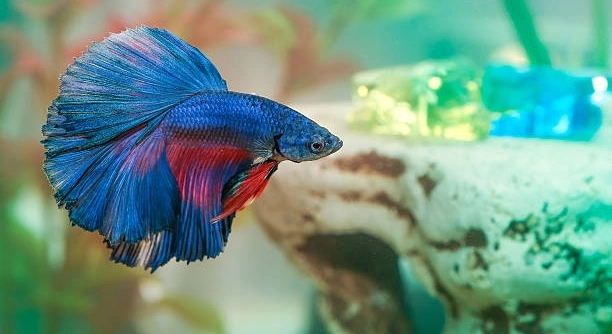
Betta fish are known for their stunning colors and unique patterns, making them a popular choice for aquarium enthusiasts. These fish come in various shades and combinations, adding vibrancy and charm to any tank setup.
Betta fish exhibit a range of colors and patterns, including solid, bi-color, marble, and butterfly variations. Each type has its distinct beauty, with vibrant hues like red, blue, and purple. These patterns make each Betta fish unique.
Exploring the different types of Betta colors and patterns will help you appreciate their beauty and understand how each variation contributes to their overall appeal.
Solid Color Betta Fish
Solid color Betta fish are known for their uniform appearance. These fish feature a single, vibrant color that covers their entire body, fins, and tail. The most common colors in this category are red, blue, and purple. Solid colors make Betta fish a striking presence in any aquarium, with their vivid hues adding a bold contrast to the tank’s overall aesthetic.
These Betta fish are often chosen for their simplicity and elegance. The richness of their color is what stands out, especially when light hits their scales, creating a shimmering effect. Solid-colored Betta fish are popular among fish keepers who prefer a more straightforward, bold look in their tank setup.
A key characteristic of solid color Betta fish is their consistency. Unlike other varieties with varied patterns, solid Betta fish maintain their uniform color throughout their lives. They’re often regarded as more predictable in terms of color quality, which makes them a great choice for many aquariums. The simplicity of their color can complement various tank environments and other fish species, making them a versatile addition.
Bi-Color Betta Fish
Bi-color Betta fish combine two contrasting shades, creating a striking and beautiful appearance. The most common combinations are red and blue, black and white, or yellow and purple.
These Betta fish have a distinct edge due to the clear division between their two main colors. The way these colors meet creates an eye-catching effect, with the fish’s fins often showing the two colors in an even, sharp line. Depending on the Betta’s genetics, some may have one color covering the body and the other covering the fins and tail.
Bi-color Betta fish are a great choice for aquariums where a more dramatic and colorful display is desired. Their bold patterns stand out in any setup, making them a perfect centerpiece for any fish tank. The clear contrast between the two colors highlights the Betta’s natural beauty and offers a visual treat for anyone observing it.
Marble Betta Fish
Marble Betta fish are known for their distinctive, speckled patterns. These fish feature a mix of colors that shift and change over time, often with patches of white, black, or blue. The marble pattern is random, making each Betta unique.
The marble pattern evolves throughout the Betta’s life, meaning that no two fish will ever look exactly the same. Some Betta fish may start with one color, gradually changing as they mature. This constant shift adds an element of surprise, as the fish’s appearance can change dramatically over time.
Marble Bettas are fascinating due to their unpredictability. As they grow older, the colors may blend and create new combinations. Some Bettas may develop striking patterns, while others may have a more muted design. This dynamic nature makes marble Betta fish especially appealing to fish keepers who enjoy watching their fish evolve and grow.
Butterfly Betta Fish
Butterfly Betta fish are known for their unique and elegant appearance. These Bettas feature bold, contrasting color patterns that form a “butterfly” shape on their tails and fins. Typically, the body remains one solid color, while the tail and fins display a two-toned pattern.
The butterfly pattern is easily recognizable, with the distinct coloration creating a bold contrast. The edges of the tail and fins often feature a dark outline, accentuating the butterfly shape. This gives the Betta an almost ethereal look, making it stand out in any aquarium setup. The color combinations in butterfly Betta fish vary, but the pattern remains consistent.
Butterfly Betta fish are ideal for fish keepers who appreciate beauty and symmetry. The striking patterns and vivid colors make them a focal point in an aquarium. As the Betta moves through the water, the butterfly pattern becomes more prominent, making it one of the most captivating Betta variations available.
Cambodian Betta Fish
Cambodian Betta fish are recognized for their light-colored bodies and vibrant, darker fins. Their pale, almost translucent bodies contrast beautifully with the rich hues of their tail and fins. This unique coloring makes them a popular choice for aquariums.
The Cambodian Betta’s coloring typically features a soft, almost translucent body with vivid fins, often in shades of red, blue, or purple. The combination of these features gives them an elegant and graceful appearance. Over time, the body’s color may deepen, making the fish’s color even more striking.
This type of Betta fish is ideal for those who prefer a subtler yet still striking visual. The delicate balance of light and dark in their coloration adds a sophisticated touch to any tank, complementing other fish without overwhelming the setup.
Delta Tail Betta Fish
Delta tail Betta fish have a wide, triangular tail that gives them their distinct, fan-like appearance. The tail is typically spread out in a perfect triangle, creating an elegant and dramatic look as the fish moves through the water.
The Delta tail Betta’s fins are broad, and its tail’s shape is one of the most defining characteristics. This particular trait is part of what makes the Betta’s movement in the water so graceful. Delta tail Bettas come in a variety of colors, each accentuating the shape of their tail.
These Bettas are perfect for those who want a visually stunning fish that stands out due to both its color and shape. The delta tail enhances their overall presence in an aquarium, giving them a bold yet refined appearance.
Crowntail Betta Fish
Crowntail Betta fish are known for their unique fin structure. Their fins feature spiky extensions that resemble a crown, making them easily distinguishable from other Betta varieties. The spiky edges of their tail and fins give them a dramatic, regal look.
These Bettas often come in a range of colors, from vibrant red and blue to darker hues. The crowntail’s striking feature is the jagged edges of the fins, which can make them appear larger and more impressive. The crown-like appearance creates a striking visual impact when swimming.
Crowntail Bettas are a fantastic option for anyone looking for a Betta fish that combines beauty and boldness. Their unique fin structure not only adds to their charm but also makes them highly sought after by Betta lovers.
FAQ
What is the most common Betta fish color?
The most common Betta fish color is red. Many Bettas are bred with vibrant red shades, making them a popular choice for aquarium keepers. Red Betta fish are easy to find in various shades, from bright crimson to deeper, darker reds. Other colors, like blue and purple, are also popular but are not as widespread as red.
Are Betta fish with rare colors more expensive?
Yes, Betta fish with rare colors often cost more. For example, Betta fish with unique colors like white, pastel, or multi-color patterns are harder to breed, making them less common and more expensive. These rare Betta fish are usually sought after for their distinctiveness and beauty.
Do Betta fish change colors over time?
Betta fish can change color over time, especially if they are young or if their environment changes. For instance, Betta fish might start with a certain color and gradually shift as they mature. The shift in color can also be influenced by factors like water quality, diet, or stress levels.
Can Betta fish change color depending on their mood?
Yes, Betta fish can change color depending on their mood or emotional state. When stressed, scared, or agitated, their colors might become darker or more intense. On the other hand, when they are calm or in a happy state, their colors may appear lighter and brighter. This behavior is a response to environmental changes.
Are certain Betta fish colors linked to specific breeds?
Some Betta fish colors are more commonly found in certain breeds. For example, the Halfmoon Betta is often seen in a range of colors, including vibrant blues and reds. Similarly, the Cambodian Betta is recognized for its pale body with vibrant colored fins. While color isn’t limited to a specific breed, some colors are more frequent in certain types.
What color Betta fish is the rarest?
The rarest Betta fish color is generally considered to be pure white or platinum. These Bettas are hard to breed and are often prized for their rarity and unique appearance. A pure white Betta with no other color variations is especially rare and highly sought after by Betta collectors.
Can Betta fish with different colors live together?
Betta fish are territorial, and it’s usually not recommended to house different male Bettas together, regardless of their colors. While females can sometimes coexist peacefully, males will often fight over territory. The color of the Betta does not typically impact their aggression levels, so care should be taken when considering Betta fish tank mates.
Do different Betta fish colors require different care?
The care requirements for Betta fish do not vary based on their color. However, some Betta fish with lighter or pale colors, such as white or yellow Bettas, may be more sensitive to water quality and light intensity. Otherwise, Betta fish generally require similar care, including clean water, proper diet, and space to swim.
What is the difference between a crowntail and a veiltail Betta?
A crowntail Betta has spiky, jagged fins that give it a “crown” appearance. In contrast, a veiltail Betta has long, flowing fins that resemble a veil. The crowntail’s spiked fins make it stand out with a more aggressive, sharp look, while veiltail Bettas offer a softer, flowing appearance in the water.
Can Betta fish with different tail types have the same color?
Yes, Betta fish with different tail types, like crowntail or veiltail, can have the same color. The tail type refers to the fin structure, not the color. Therefore, a red crowntail Betta and a red veiltail Betta can look identical in color, though their fins will appear differently.
Do Betta fish with more vibrant colors live longer?
The lifespan of a Betta fish is more related to its care and environment than its color. While Betta fish with vibrant colors may appear healthier or more robust, their longevity is largely determined by water quality, diet, and overall tank conditions. A well-maintained environment will help any Betta live a longer life.
How do I keep my Betta fish’s colors vibrant?
To maintain vibrant colors, provide your Betta with a balanced diet, including high-quality Betta pellets, live or frozen food, and occasional treats. Additionally, maintaining good water quality is essential. A properly filtered tank with clean water and the right temperature will help your Betta’s colors stay bright and healthy.
Why do some Betta fish look dull?
Betta fish may look dull for several reasons, such as poor water quality, stress, or illness. If a Betta is not getting enough nutrition or if the water conditions are subpar, its colors may appear faded. Stress from tankmates, environmental changes, or inadequate tank conditions can also cause Betta fish to lose their vibrancy.
Do Betta fish with darker colors require special care?
Dark-colored Betta fish, such as black Bettas, may need special attention to their environment to maintain their color. These Bettas can sometimes be more sensitive to light levels, and bright lighting can cause their colors to fade. Keeping the water quality high and ensuring the tank is not overly bright can help maintain the richness of their color.
What are the different tail types in Betta fish?
Betta fish come in several distinct tail types, including veiltail, crowntail, delta tail, and halfmoon. Each type affects the overall appearance and movement of the fish. Veiltails have long, flowing fins, while crowntails have jagged edges. Delta tails are wide and triangular, and halfmoons have large, semi-circular tails.
What is the ideal water temperature for Betta fish?
The ideal water temperature for Betta fish is between 76°F and 80°F (24°C to 27°C). Bettas are tropical fish and thrive in warmer water. Temperatures outside this range can cause stress and potentially harm the fish. A reliable heater should be used to maintain stable water conditions for Betta fish.
Final Thoughts
Betta fish come in a variety of colors and patterns, making them an appealing choice for aquarium enthusiasts. Their vibrant hues and unique tail shapes add a splash of beauty to any tank. Understanding the different types of Betta fish colors and patterns can help you choose the one that fits your personal preferences and the environment you want to create. Whether you prefer the deep reds of a Veiltail Betta or the striking crown of a Crowntail, there’s a Betta fish that suits every style.
The care of Betta fish remains relatively consistent regardless of their color or tail type. Key factors such as maintaining clean water, providing a balanced diet, and ensuring a proper tank size should always be a priority. By focusing on these essential elements, you can help your Betta fish thrive and maintain its vibrant colors for a long time. Bettas are hardy fish, but their colors can fade or change if their environment isn’t properly managed, so regular attention to water conditions and feeding is essential for keeping them healthy.
In the end, the color and pattern of Betta fish are just one aspect of their overall care. While it’s exciting to choose from such a wide range of beautiful Bettas, it’s important to remember that their well-being comes first. By understanding their needs and creating the right environment, you can enjoy the colorful display of your Betta for years to come. The right Betta fish can be a centerpiece in any aquarium, adding color, movement, and charm. Whether you’re a beginner or an experienced aquarium owner, Betta fish are an excellent choice to add beauty and character to your home.

Hello,
If you enjoy the content that we create, please consider saying a "Thank You!" by leaving a tip.
Every little bit helps us continue crafting quality advice that supports the health, happiness, and well-being of pets around the world, for pets of all shapes, sizes, and species.
We really appreciate the kindness and support that you show us!