
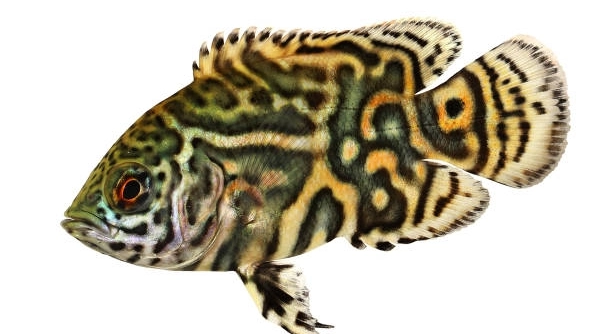
Oscar fish are beautiful, but they can be quite sensitive to the conditions in their tank. One of the challenges fish owners face is the algae growth that can become a nuisance. Algae can quickly spread and affect the overall tank health.
There are several types of algae that can irritate Oscar fish, often clouding the water or covering surfaces. These algae can lead to poor water quality, blocking light, and potentially harming your fish by creating an unhealthy environment.
Understanding the various algae types is essential for managing their growth and ensuring your Oscar fish thrive. This guide will help you identify and deal with common algae species that might be bothering your fish.
Green Algae: A Common Problem for Oscar Fish
Green algae is one of the most common types that can quickly invade an aquarium. It often appears as a thick, green coating on glass surfaces, decorations, and even plants. This algae thrives in tanks with too much light or an excess of nutrients. For Oscar fish, it can create a visually unpleasant environment and block the view of the tank. Too much green algae also affects water quality, leading to potential health issues for your fish.
Green algae growth can be controlled by reducing the amount of light your aquarium receives. A timer for your lights is a helpful tool to ensure the tank isn’t overexposed to light. Additionally, performing regular water changes and reducing excess feeding can help prevent algae from flourishing. Oscar fish prefer clean water, so keeping the tank balanced is key to preventing this algae issue.
If green algae becomes too problematic, you might need to invest in algae-eating fish or snails. These creatures can help keep the growth under control. However, managing light and nutrients should remain your top priority.
Brown Algae: A Slippery Issue
Brown algae are often associated with new aquariums but can appear in established ones too. This algae is usually a brown, dusty film that covers surfaces. It can be caused by poor water circulation, excess silicates in the tank, or not enough light.
One of the simplest ways to handle brown algae is by ensuring your aquarium has proper water circulation. This helps prevent dead spots where algae can grow. Additionally, adding an appropriate filter can assist in removing excess nutrients that contribute to brown algae. Regular cleaning also prevents it from building up on decorations and plants.
Another tip is to introduce algae-eating creatures into your tank. Certain fish and snails are natural cleaners and can help reduce the brown algae without causing harm to your Oscar fish. If brown algae persists, adjusting your tank’s lighting and feeding schedule will ensure a healthier environment.
Blue-Green Algae: A Dangerous Presence
Blue-green algae, also known as cyanobacteria, can be a major issue for Oscar fish. This type of algae can turn your water greenish or even a murky brown. It’s harmful to both the tank’s water quality and your fish’s health. When left unchecked, it can cause oxygen depletion, which stresses the fish.
Blue-green algae thrive in tanks with excess nutrients, poor filtration, and stagnant water. To prevent its growth, regularly clean your tank and ensure the water flow is adequate. Reducing feeding and monitoring the tank’s nitrate levels will help prevent nutrient overload, which supports the growth of this harmful algae.
In more severe cases, blue-green algae can release toxins that affect fish health. If you see signs of this algae, take immediate action by removing it manually and improving tank filtration. Adding plants that absorb excess nutrients can also help. Keep in mind that proper maintenance is crucial to keeping your tank healthy.
Red Algae: A Challenging Threat
Red algae can often show up as a slimy coating on plants, rocks, or substrate. This type of algae is different from other varieties because it can be more difficult to clean. It thrives in aquariums with poor water circulation and lighting issues.
To manage red algae, it’s important to adjust the water flow. Adding a water pump or moving decorations to improve circulation can help prevent the algae from growing. Additionally, maintaining proper lighting will discourage red algae, as it prefers low light conditions. Regular water changes can also help to reduce the nutrients that support its growth.
In some cases, introducing herbivorous fish or snails to your tank will help control red algae. These creatures will graze on the algae, reducing the need for manual cleaning. If the problem persists, consider using an aquarium-safe algaecide, but be cautious as this may affect the fish and plants.
Hair Algae: The Slimy Invader
Hair algae often appears as long, green strands that can cover plants, decorations, and even filter equipment. This algae is a sign of an imbalance in the tank, usually due to excess nutrients and light.
Hair algae thrives in aquariums that have too much light or nutrient buildup. It’s best to reduce the light exposure and improve filtration to control its growth. Regular maintenance, like cleaning decorations and removing excess food, will prevent the algae from taking over.
In addition to reducing light, you may want to add algae-eating species like Siamese algae eaters or snails to help keep it in check. Manual removal is often necessary, but the right balance of nutrients and light will prevent future outbreaks.
Diatom Algae: A Brownish Film
Diatom algae is often seen as a brownish, dusty coating on tank surfaces. It’s common in new aquariums and is caused by an imbalance in nutrients or low light conditions. While not dangerous, it’s unsightly and can impact water clarity.
Diatom algae thrives in areas with low light or where silica levels are high. To reduce its growth, it’s important to adjust lighting and use a filter that can remove excess nutrients like silicates. Regular water changes will also help reduce diatom buildup. Over time, the algae will usually fade as the tank stabilizes.
Proper maintenance and regular tank checks will ensure that diatom algae doesn’t become a persistent issue. Consider using a quality aquarium filter to address the root cause and help prevent further algae growth.
Spot Algae: Tiny Green Bumps
Spot algae appear as small, round green dots on surfaces like glass or rocks. These algae are often found in tanks with high light exposure, but they can also be caused by overfeeding or poor water quality. Spot algae can be removed with regular cleaning.
To prevent spot algae, you need to maintain the proper balance of light and nutrients in the tank. If your aquarium is exposed to too much light, algae will grow more rapidly. Reducing light exposure to 6-8 hours a day can make a big difference.
Maintaining a clean tank and performing regular water changes will keep spot algae from becoming a significant problem. You may also want to introduce algae-eating fish or snails to help keep the tank clean.
FAQ
How do I prevent algae from growing in my Oscar fish tank?
The best way to prevent algae growth is to maintain a clean tank and balance the light and nutrients. Reducing light exposure to 6-8 hours per day helps to limit algae growth. Regular water changes are also essential, as they prevent the buildup of nutrients that algae thrive on. You should also avoid overfeeding your Oscar fish since uneaten food can contribute to excess nutrients. Additionally, make sure your filter is working properly and is suitable for the size of your tank. A good filtration system helps to keep the water clear, making it harder for algae to grow.
Can algae harm my Oscar fish?
Algae itself doesn’t typically harm Oscar fish directly, but it can create an unhealthy environment. Algae blooms, especially blue-green algae, can reduce oxygen levels in the water, stressing your fish. Algae can also block light from reaching plants and reduce the overall water quality. This can lead to health issues for your fish, such as poor immune function and stress-related illnesses. Additionally, some types of algae release toxins, which can be harmful to both the fish and other tank inhabitants.
What type of algae do Oscars dislike the most?
Oscar fish tend to dislike blue-green algae (cyanobacteria) the most because it can cause water quality issues and oxygen depletion. They also may be disturbed by hair algae, as it grows in thick mats that can cover decorations and plants, which reduces the visual appeal of their tank. Green algae can also be a problem if it grows too much, as it may cloud the water and block light from other plants or decorations. The key to dealing with any type of algae is maintaining a balance in the tank’s ecosystem.
Are there any fish that can help control algae in my Oscar tank?
Yes, there are several species that can help control algae in your Oscar tank. Some good choices include algae-eating fish like the Siamese algae eater, the bristlenose pleco, and certain types of snails. However, keep in mind that Oscars are large, predatory fish. They may not get along with all algae eaters, especially smaller fish. It’s important to ensure the algae-eating species can thrive alongside your Oscar. Always monitor their interactions to make sure there are no issues with aggression.
Should I use chemical treatments to remove algae from my tank?
Chemical treatments, like algaecides, can be effective in removing algae, but they should be used with caution. Many algaecides can harm your fish, plants, or beneficial bacteria in the tank. If you choose to use them, follow the instructions carefully and consider their potential side effects. The best long-term solution is to address the root cause of algae growth, such as excessive light or nutrient buildup, through regular maintenance and tank adjustments. If the problem persists, manual removal of the algae and improved water conditions are safer and more effective.
How often should I clean my Oscar fish tank to prevent algae growth?
Cleaning your Oscar fish tank at least once a week is a good practice to prevent algae buildup. Regular water changes of 25-30% will help maintain water quality and remove excess nutrients. It’s also important to clean the tank surfaces, decorations, and plants. You should use an algae scraper to remove algae from the glass and vacuum the substrate to remove debris. A clean tank helps to reduce the conditions that allow algae to thrive.
Is it okay to have live plants in my Oscar fish tank if there’s algae?
Yes, it’s okay to have live plants in your Oscar tank even if there’s some algae present. In fact, live plants can help reduce algae growth by competing for nutrients and absorbing excess waste. However, Oscars are known to be somewhat destructive and may uproot or eat smaller plants. Choosing hardier plants, such as Anubias or Java Fern, which are less likely to be eaten, can help maintain a balanced ecosystem. Just ensure that the plants have enough light and nutrients to thrive without encouraging excessive algae growth.
How can I get rid of algae without harming my fish?
The safest way to get rid of algae without harming your fish is to use natural methods. Start by adjusting the lighting schedule to limit algae growth, as most types need a lot of light to thrive. You can also manually remove the algae by scrubbing tank surfaces and using an algae scraper. Consider introducing algae-eating fish or snails, which can help keep the growth under control without affecting the water quality. Regular water changes and proper filtration are key to preventing algae in the first place.
Can overfeeding cause algae in an Oscar fish tank?
Yes, overfeeding can contribute to algae growth. When you feed your Oscar more than it can eat, the leftover food decomposes and increases the nutrient levels in the tank, particularly nitrates and phosphates. These nutrients provide food for algae, causing it to bloom. To prevent overfeeding, feed your Oscar only what it can consume in a few minutes and remove any leftover food promptly. This will help keep the water clean and reduce the risk of algae growth.
What’s the best way to control algae in a tank with Oscar fish and other species?
To control algae in a tank with Oscar fish and other species, it’s important to find a balance between the needs of all the inhabitants. Start by managing the light exposure and making sure the tank has good water circulation. Use an efficient filter that can handle the waste produced by Oscar fish. If you have algae-eating species in the tank, make sure they can coexist with your Oscars. Regular maintenance, such as water changes, cleaning, and vacuuming, will also help keep algae in check.
Final Thoughts
Dealing with algae in an Oscar fish tank is something every fish keeper will face at some point. While algae are natural and part of the aquarium ecosystem, they can quickly become a problem if not managed. Different types of algae, such as green, brown, and blue-green algae, each have their own set of challenges. It’s important to understand what causes these algae to grow and how to control them effectively. Regular tank maintenance, such as water changes, cleaning decorations, and adjusting light levels, is the key to preventing algae from taking over.
Oscar fish are beautiful but messy creatures, and keeping their environment clean is essential for their health. When algae appear, it’s often a sign that something in the tank isn’t quite right, whether it’s too much light, too many nutrients, or poor filtration. By addressing the underlying causes, you can reduce the chances of algae outbreaks. In addition to maintaining water quality, adding algae-eating species like snails or certain fish can help keep things in balance. But always be cautious, as not all species can coexist with Oscars, so choose wisely.
Ultimately, preventing algae growth in an Oscar tank requires patience and consistent care. It’s a combination of monitoring light exposure, reducing nutrient levels, and providing a stable environment for your fish. Algae might be annoying, but they don’t have to be a major issue if you take the right steps. With proper care, your Oscar fish will thrive in a clean and healthy tank, free from excessive algae growth. Keeping the tank clean and balanced will also ensure your fish are happy, reducing stress and improving their overall well-being.

Hello,
If you enjoy the content that we create, please consider saying a "Thank You!" by leaving a tip.
Every little bit helps us continue crafting quality advice that supports the health, happiness, and well-being of pets around the world, for pets of all shapes, sizes, and species.
We really appreciate the kindness and support that you show us!