
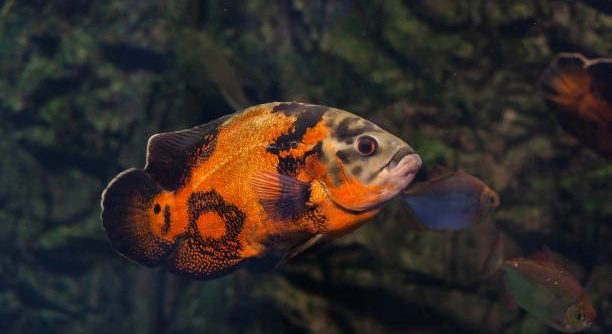
Oscar fish are known for their vibrant colors and bold personalities. However, sometimes they exhibit a behavior called flaring, where they puff up their gills and appear more aggressive. This behavior can be triggered by a number of factors.
The main triggers for Oscar fish flaring include territorial disputes, sudden changes in water conditions, and the presence of a potential mate. These triggers often cause the fish to feel threatened, leading them to flare their gills in defense.
Understanding these factors is essential for ensuring your Oscar fish remains healthy and calm. Knowing the reasons behind flaring can help prevent unnecessary stress for your fish and create a more peaceful tank environment.
Territorial Behavior
Oscar fish are naturally territorial creatures. They like to claim their space and defend it from others. This can lead to flaring, especially when they feel their area is being encroached upon by another fish or even a reflection in the glass. The flaring is a way for them to show dominance and send a warning to anyone approaching. If there are multiple Oscars in the same tank, they will likely flare at each other to establish who is in charge.
Territorial issues are often common in tanks with limited space.
To minimize territorial aggression, it’s helpful to provide plenty of hiding spots and space for each fish. A larger tank or dividing the space into separate areas can help reduce conflicts. Ensuring that your Oscar feels secure in its environment will reduce the chances of it flaring unnecessarily. Adding decorations like rocks or plants gives your Oscar a place to claim, helping to avoid tension between tank mates.
Sudden Changes in Water Conditions
Oscar fish are highly sensitive to fluctuations in their environment.
Changes in water temperature, pH, or water quality can stress out your Oscar, leading to flaring. These sudden shifts make the fish feel threatened, triggering defensive behavior. To avoid this, maintaining stable water conditions is essential for keeping your fish calm. Regular water testing and keeping up with tank maintenance will ensure a balanced environment, reducing the likelihood of stress-related flaring. Oscars thrive best when their habitat remains consistent, and they are less likely to flare if they are not experiencing environmental stressors.
The Presence of a Potential Mate
Oscar fish can become territorial when there is a mate nearby. During breeding season, their behavior changes, and they may flare to attract or protect a mate. The male will often flare his gills to show off, while the female may do so to signal interest or assert herself.
If you notice your Oscar flaring more than usual, it might be due to the presence of another Oscar or a potential mate. Flaring can be a sign of courtship, as the fish try to impress each other with their displays. In this case, it’s important to understand that this behavior is not aggressive but rather part of the natural mating ritual.
To reduce stress during mating, provide your fish with plenty of space and a quiet environment. Avoid disturbing them too much, as constant interference can increase flaring. If breeding is not desired, keep males and females separated, as this will prevent the fish from engaging in these behaviors.
Reflections in the Tank
Oscar fish can be easily triggered by their own reflection. They may mistake their reflection for another fish, causing them to flare their gills defensively. This can be a common cause of flaring in tanks with mirrors or glass surfaces.
When your Oscar sees its reflection, it perceives another fish invading its territory. This can lead to stress and prolonged flaring. One way to solve this is by adding background decorations, such as plants or background film, which can block the reflection. You can also try moving the tank or covering the glass to prevent your fish from seeing its reflection.
If the reflection problem persists, consider rearranging the tank’s layout. Providing hiding spots and visual barriers will help create a more comfortable environment for your Oscar, reducing its tendency to flare when it sees itself.
Stress from Overcrowding
Overcrowding in an aquarium can make Oscar fish feel overwhelmed and stressed. When there are too many fish in the tank, Oscars become more aggressive, and flaring is a common response. They try to establish dominance over the other fish in such crowded environments.
Overcrowding leads to less space for each fish, making them feel more vulnerable. The lack of territory and limited hiding spots causes increased anxiety, triggering flaring. To prevent this, make sure the tank is large enough to comfortably accommodate all fish. A general rule is to provide 20 gallons per Oscar fish, with additional space for tank mates.
Inadequate Tank Conditions
Oscar fish require specific water conditions to stay healthy. If the tank’s filtration is inadequate or water parameters are not ideal, Oscars may flare due to stress. Poor water quality affects their comfort and immune system.
Maintaining stable water conditions is crucial. Regular water changes and proper filtration help keep the tank’s environment healthy. Monitoring pH, ammonia, and nitrate levels ensures the water stays clean and safe for your fish. If you notice flaring, consider testing the water and addressing any imbalances. Healthy water will reduce the chances of stress-related behavior.
Aggressive Tank Mates
Oscar fish can become aggressive, especially toward smaller or weaker tank mates. When placed with fish they see as threats or potential prey, they will often flare their gills to intimidate or ward them off. This aggressive behavior is more likely to occur when tank mates are too similar in size.
It’s important to carefully select compatible tank mates. Larger, more robust species can generally cohabitate peacefully with Oscars, while smaller or more timid fish should be avoided. The key is to provide enough space and minimize competition for resources. This will reduce territorial aggression and prevent flaring.
FAQ
What does it mean when my Oscar fish flares its gills?
When your Oscar fish flares its gills, it’s usually a sign of aggression, territoriality, or stress. This behavior is often an attempt to intimidate other fish or to show dominance in its environment. It’s not always a cause for concern but should be monitored if it becomes frequent or prolonged. The fish may also flare during mating, as part of its courtship display. Understanding the context—whether it’s related to territorial disputes, changes in water quality, or the presence of other fish—will help you address the behavior appropriately.
How can I reduce flaring in my Oscar fish?
Reducing flaring involves addressing the root causes of stress or aggression. Start by providing plenty of space for your Oscar. A larger tank will reduce territorial disputes, and adding hiding spots or plants can help each fish establish its own area. Avoid overcrowding, as too many fish in a tank can increase stress and flaring. Also, maintaining stable water conditions by checking water temperature, pH levels, and cleanliness is essential. If flaring is related to mating behavior, separating males and females may help if breeding is not desired.
Is flaring dangerous for my Oscar fish?
In most cases, flaring is not dangerous, but it can lead to stress if it happens too often. Prolonged stress can weaken your Oscar’s immune system, making it more susceptible to diseases. Additionally, constant aggression may lead to injury if physical confrontations occur. If flaring is a response to poor water quality or overcrowding, it’s essential to resolve those issues quickly to prevent long-term harm to your fish.
Can Oscar fish flare at other fish in the tank?
Yes, Oscar fish can flare at other fish, especially if they feel their space is being invaded. This is common in tanks where multiple fish share the same environment. Oscars are naturally territorial and may flare at smaller fish or those they perceive as a threat. If there are fish of a similar size or appearance in the tank, the Oscar may also flare out of competition for resources or space. Keeping compatible species and ensuring enough space can help reduce this behavior.
Why does my Oscar fish flare at its own reflection?
Oscar fish are highly sensitive to their environment and may mistake their own reflection for another fish. This can trigger defensive flaring as the fish perceives an intruder in its territory. If you notice your Oscar flaring at its reflection, try reducing the visibility of the reflection by moving the tank or adding background decorations. You can also place a tank cover or opaque film on the back of the tank to block the reflection, helping your fish feel less stressed.
Does flaring mean my Oscar fish is unhappy?
Flaring can be a sign of stress, aggression, or territoriality, which may indicate that your Oscar is not entirely comfortable. However, it doesn’t always mean the fish is unhappy. Sometimes, flaring is a natural part of the Oscar’s behavior, especially if it’s feeling threatened by another fish or object. It’s important to observe your fish closely to determine the cause of the flaring. If it’s related to poor water quality or overcrowding, addressing these issues can significantly improve your fish’s well-being.
Can I stop my Oscar fish from flaring completely?
It’s unlikely that you can stop flaring entirely, as it is a natural behavior in Oscar fish, especially when they are feeling threatened or stressed. However, you can minimize its occurrence by creating a stable environment for your fish. Ensuring plenty of space, proper water conditions, and appropriate tank mates can reduce the likelihood of flaring. Flaring related to mating can also be managed by separating male and female Oscars if breeding is not desired. Ultimately, while you can’t eliminate flaring altogether, you can manage and minimize the triggers.
Should I be concerned if my Oscar fish is flaring all the time?
If your Oscar is constantly flaring, it may be a sign of ongoing stress. Prolonged flaring can weaken the fish and make it more susceptible to illness. If this behavior continues without a clear reason, it’s a good idea to evaluate the tank environment. Check for overcrowding, poor water conditions, or aggressive tank mates. Make sure your fish has enough space and that the tank is properly maintained. If flaring persists despite these adjustments, you may want to consult with a veterinarian to rule out underlying health issues.
Can a male and female Oscar fish flare at each other?
Yes, male and female Oscar fish can flare at each other, particularly during the breeding season. This is a natural part of courtship behavior, where the male may flare his gills to show off and attract the female. The female may also flare her gills to assert herself or express interest. If you’re not planning to breed your Oscars, you can prevent this behavior by keeping males and females separated. However, if you do want them to breed, be prepared for the increase in flaring during their courtship period.
How do I know if my Oscar fish is flaring due to aggression or courtship?
The difference between aggression and courtship flaring can often be observed through the behavior of the fish. Aggressive flaring typically involves a more rigid body posture, with the fish trying to intimidate others and establish dominance. Courtship flaring is often accompanied by more subtle movements, with the fish displaying their fins and colors to attract or impress a mate. If two Oscars are flaring at each other, it’s likely courtship if they seem to be pairing off or acting less hostile toward one another. If aggression is occurring, there may be signs of fighting or injury.
Can I reduce flaring by adding more decorations to the tank?
Yes, adding decorations to the tank can help reduce flaring by providing your Oscar with more hiding spots and visual barriers. When Oscars feel they have more control over their environment, they are less likely to become stressed or aggressive. Plants, rocks, or aquarium structures like caves can create territory boundaries, allowing your Oscar to feel secure in its own space. This will reduce its need to flare at perceived threats, whether they are other fish or its own reflection.
Final Thoughts
Understanding why Oscar fish flare their gills is key to providing a healthy environment for them. Flaring is a natural behavior, but it often indicates stress or aggression. It can be triggered by several factors such as territorial disputes, changes in water conditions, or even the presence of a potential mate. While flaring is common, it’s important to pay attention to the frequency and intensity of the behavior, as it can indicate underlying issues that need to be addressed. By observing your fish and managing the tank environment, you can reduce unnecessary stress and help prevent excessive flaring.
Providing your Oscar with enough space is crucial in preventing territorial aggression. Overcrowding in the tank can lead to stress and increase the likelihood of flaring. Each Oscar fish needs room to establish its own territory and to avoid conflict with other fish. When setting up a tank, it’s important to remember that Oscars grow large and need space to move around comfortably. A tank that is too small will cause tension and may lead to more frequent aggressive displays. Along with space, adding decorations or plants to the tank will give your fish areas to hide and claim as their own, which can significantly reduce flaring.
Water quality is another major factor in preventing flaring. Oscars are sensitive to changes in water temperature, pH, and cleanliness. If these parameters are not kept stable, your fish may become stressed, leading to aggressive behavior and flaring. Regular water changes and maintaining proper filtration are key to keeping your tank in good condition. Monitoring water quality and adjusting as needed will help ensure your Oscar stays healthy and less likely to flare. By keeping the tank clean, providing ample space, and maintaining stable water conditions, you can keep your Oscar fish calm and comfortable, minimizing unnecessary stress and aggression.

Hello,
If you enjoy the content that we create, please consider saying a "Thank You!" by leaving a tip.
Every little bit helps us continue crafting quality advice that supports the health, happiness, and well-being of pets around the world, for pets of all shapes, sizes, and species.
We really appreciate the kindness and support that you show us!