
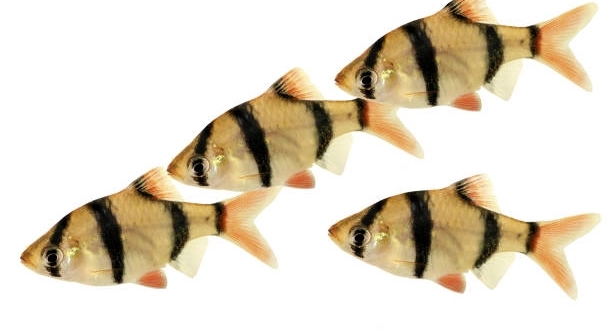
Tiger barbs are lively fish known for their bright colors and playful behavior. However, they can sometimes show aggressive tendencies, which can be surprising for many aquarium enthusiasts. Understanding what triggers their aggression helps create a peaceful tank environment.
Tiger barb aggression is usually caused by factors such as overcrowding, lack of hiding spaces, improper tank mates, poor water conditions, stress from sudden changes, territorial behavior, and insufficient food. These triggers increase tension and competition among the fish.
Recognizing these causes will help you manage your tank better and keep your tiger barbs calmer and healthier over time.
Overcrowding in the Aquarium
Having too many tiger barbs in a small tank often leads to aggressive behavior. These fish need enough space to swim freely and establish their own territory. When the tank is crowded, they compete for space, making them more likely to nip at each other. Overcrowding also causes stress, which increases aggression. It is important to keep the number of fish within the tank’s capacity to prevent conflicts. Regularly checking the tank size and fish count can help maintain harmony. Providing enough room allows tiger barbs to swim comfortably and reduces their need to fight for space. A tank that is too small or packed tight is an invitation for aggressive displays and chasing. This can result in injuries or constant stress for the fish, affecting their health. Keeping an appropriate population helps create a calmer, more balanced environment for all the tank inhabitants.
Overcrowding limits movement and triggers competition, raising stress levels among tiger barbs and increasing the chance of aggressive incidents.
To avoid overcrowding, calculate the proper number of tiger barbs for your tank size. A good rule is one inch of fish per gallon of water, but tiger barbs are active swimmers who do better with more space. Adding extra plants or decorations can also create visual barriers that reduce stress and aggression. Make sure to provide hiding spots so shy fish can escape from more dominant ones. Regular tank maintenance keeps water clean, which helps fish feel more comfortable and less likely to become aggressive. Watching how your tiger barbs interact can help you catch signs of overcrowding early and take steps to improve their environment.
Lack of Hiding Spaces
Tiger barbs feel safer when they have places to hide. Without hiding spots, they become more anxious and aggressive. Providing plants, rocks, or decorations gives them refuge. This reduces stress and lowers the chance of fights breaking out. Hiding places also allow weaker fish to escape bullying. The more hiding spots in the tank, the less pressure the fish feel. Simple additions like tall plants or caves create comfort zones. When fish feel secure, they are less likely to lash out or chase others. Incorporating a variety of shelters helps balance the group and keeps aggression to a minimum.
Improper Tank Mates
Tiger barbs can be aggressive when kept with incompatible tank mates. Choosing fish that are too slow or peaceful often leads to bullying. Aggressive behavior increases if tank mates cannot defend themselves or are stressed by tiger barbs’ active nature.
Selecting tank mates with similar energy levels helps reduce conflicts. Fast-swimming or equally assertive fish tend to coexist better with tiger barbs. Avoid small, delicate species that may become targets for nipping. Grouping fish with compatible temperaments creates a more balanced aquarium environment.
Providing enough space and hiding spots also lessens aggression between species. Monitor fish interactions regularly to catch any signs of bullying early. Separating aggressive or stressed fish can prevent injuries and improve tank harmony. Proper planning when mixing species is key to a peaceful aquarium.
Poor Water Conditions
Unclean or poorly maintained water causes stress in tiger barbs, making them more prone to aggression. High levels of ammonia or nitrites harm fish health and increase irritation. Stable water parameters keep the fish comfortable and calm.
Regular water changes and filtration help maintain a healthy environment. Testing water quality often prevents dangerous buildups. Maintaining ideal temperature, pH, and oxygen levels supports fish well-being. Stressed fish are more likely to fight or display aggressive behavior. Good water quality reduces tension and promotes natural, peaceful behavior among tiger barbs.
Neglecting water conditions leads to weakened immune systems and increased stress, which triggers more aggression. Keeping the tank clean is essential to control this behavior. Consistent care ensures your fish stay healthy and less aggressive over time.
Stress from Sudden Changes
Sudden changes in the tank, like new decorations or rapid water temperature shifts, can stress tiger barbs. Stress makes them more aggressive as they try to protect themselves or their territory.
Keeping the environment stable and making changes gradually helps reduce stress. This lowers aggression and keeps the fish calm.
Territorial Behavior
Tiger barbs naturally establish territories, especially during feeding or breeding. When space is limited, this territorial instinct can cause chasing and nipping. Allowing enough room and hiding spots helps reduce these aggressive encounters by giving each fish a place to claim.
Insufficient Food
When food is scarce or feeding is irregular, tiger barbs become competitive and aggressive. Ensuring consistent feeding times and enough food for all reduces this competition and helps maintain peace in the tank.
Aggression from Social Hierarchy
Tiger barbs often form social hierarchies within their group. The dominant fish may show aggression to assert control and keep others in line. This behavior is normal but can increase if the tank is overcrowded or resources are limited.
FAQ
What causes tiger barbs to become aggressive?
Tiger barbs become aggressive mainly due to overcrowding, lack of hiding spots, poor water conditions, and stress from sudden changes. They are territorial fish and can show dominance through chasing and nipping, especially when space or food is limited. Aggression also increases when tank mates are incompatible or too passive.
How can I reduce aggression in my tiger barbs?
To reduce aggression, make sure the tank is spacious enough for all the fish. Add plenty of plants and decorations for hiding. Keep water clean with regular maintenance and avoid sudden environmental changes. Choose compatible tank mates with similar activity levels. Feed the fish regularly and provide enough food to avoid competition.
Are tiger barbs aggressive towards all fish species?
Tiger barbs tend to be more aggressive toward slower, more passive fish. They can nip at long-finned species like angelfish or bettas. However, they usually coexist better with fast or similarly aggressive fish that can hold their own. Choosing tank mates carefully is important for a peaceful tank.
Can aggression among tiger barbs harm their health?
Yes, constant fighting and chasing can cause stress and physical injuries. Stress weakens their immune systems, making them prone to disease. Nipped fins and wounds can become infected. Monitoring aggression levels and providing an appropriate environment helps keep your tiger barbs healthy.
Is it normal for tiger barbs to nip fins?
Yes, fin nipping is common behavior used to show dominance or establish hierarchy. While some nipping is expected, excessive aggression should be managed to prevent harm. Providing enough space and hiding spots usually reduces this behavior.
How many tiger barbs should I keep in one tank?
A group of six or more is ideal because tiger barbs are schooling fish. A small group helps spread out aggression so no single fish is targeted. However, the tank size must be large enough—at least 20 gallons is recommended—to give them space.
What role does tank size play in aggression?
Tank size directly impacts aggression. Smaller tanks force fish to compete for space and resources, increasing fights. Larger tanks allow each fish to have its own territory and reduce stress. Providing at least 2 gallons per tiger barb helps maintain a calmer environment.
Can diet affect aggression levels?
Yes, insufficient or irregular feeding causes competition and aggression. Feeding a balanced diet regularly keeps fish satisfied and reduces the urge to fight over food. Overfeeding should also be avoided as it harms water quality.
How do I know if my tiger barbs are stressed?
Signs of stress include hiding more than usual, losing color, rapid breathing, and constant chasing or fin nipping. Stressed fish may also eat less or become lethargic. Improving water quality and tank conditions can help reduce stress.
Should aggressive tiger barbs be separated?
If aggression causes serious injuries or stress, separating the most aggressive fish may be necessary. Providing more space, hiding spots, and compatible tank mates can also help before separation is needed. Permanent separation is usually a last resort.
Final Thoughts
Managing tiger barb aggression can feel challenging, but understanding the reasons behind their behavior is the first step to creating a peaceful tank. These fish are naturally active and territorial, so some level of chasing and fin nipping is normal. However, when aggression becomes too frequent or severe, it usually signals that something in their environment needs to be adjusted. Overcrowding, lack of hiding spaces, poor water quality, and stress from sudden changes are common triggers. Paying attention to these factors can help reduce tension and keep your tiger barbs happier and healthier.
Providing a spacious tank with plenty of plants and decorations gives tiger barbs places to explore and hide. This helps reduce stress and allows weaker fish to escape from more dominant ones. Maintaining clean, stable water conditions is equally important. Regular water changes and monitoring water parameters prevent irritation and illness, which can cause more aggressive behavior. Feeding your fish a balanced diet on a consistent schedule also reduces competition and helps them feel secure. Choosing compatible tank mates with similar activity levels can prevent bullying and create a more balanced social group.
Remember, tiger barbs are social fish that thrive best in groups of six or more, as this helps spread out aggressive behavior so it is less harmful. Observing your fish regularly will help you spot early signs of stress or aggression so you can take action quickly. Small changes in tank setup or routine often make a big difference. By staying patient and attentive to their needs, you can create a more peaceful environment where your tiger barbs can show their lively personalities without causing harm to each other.

Hello,
If you enjoy the content that we create, please consider saying a "Thank You!" by leaving a tip.
Every little bit helps us continue crafting quality advice that supports the health, happiness, and well-being of pets around the world, for pets of all shapes, sizes, and species.
We really appreciate the kindness and support that you show us!