
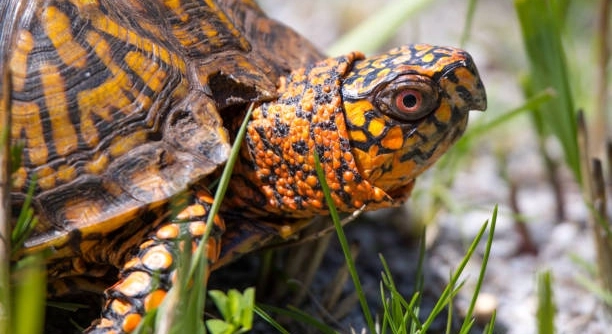
Have you ever noticed unique patterns or shell shapes in box turtles and wondered if they might hold genetic significance?
Spotting rare genetic traits in box turtles requires careful observation of shell patterns, coloration, and physical features. These traits often arise from natural mutations or selective breeding, making them fascinating markers of biodiversity.
Learning these tricks will help you identify rare traits and appreciate the genetic diversity of box turtles.
Observing Shell Patterns and Shapes
Rare genetic traits in box turtles often reveal themselves through distinctive shell patterns and shapes. Irregular scutes, abnormal ridges, or symmetrical markings can indicate unique traits passed down through generations. These visual clues are the easiest way to spot something unusual in your turtle’s genetics. Spending time observing these features under different lighting conditions can help you notice subtle variations that may go unnoticed at first glance. Genetics can also influence shell growth, resulting in shapes that differ from the standard dome.
Shell irregularities are not always a sign of health problems. Some differences are harmless and simply make your box turtle stand out.
Understanding shell features allows you to distinguish between genetic uniqueness and environmental influences. Carefully documenting these observations will help you track any traits that may develop over time, providing a fuller picture of your turtle’s genetic identity.
Analyzing Color Variations
Color variations can indicate rare genetic traits in box turtles. Vibrant hues, unusual pigmentation patterns, or an uncommon combination of colors often signal genetic diversity.
These unique color traits stem from variations in pigment cells, sometimes influenced by recessive genes. Albino or melanistic turtles, for example, lack certain pigments, making them rarer. Such traits may also offer insights into a turtle’s ancestry or breeding history. Additionally, environmental factors like diet and UV exposure can modify pigmentation slightly, but genetic traits remain consistent.
When observing color differences, take note of both intensity and distribution. A turtle with consistently unusual hues, such as a striking golden tint or blue undertones, may possess a rare trait worth further research. This knowledge can deepen your appreciation for the incredible genetic diversity within the box turtle population.
Examining Eye Color and Shape
Eye color can provide valuable insight into a box turtle’s genetic makeup. Shades like red or bright orange, which are less common, often point to rare traits. Unusual eye shapes may also indicate genetic variation.
Rare eye traits typically result from genetic mutations affecting pigmentation or structural development. For instance, turtles with albinism often have pale or pink eyes due to reduced melanin levels. Similarly, certain genes can produce unusually vibrant shades or even asymmetry in eye shape. Observing these traits closely, especially in conjunction with other unique features, can help identify rare genetics.
Photographing and documenting any unique eye characteristics allows for better tracking over time. Comparing these observations with known genetic patterns in box turtles can enhance your understanding and appreciation of their diversity. Such traits may even point to lineage or ancestry-specific variations.
Assessing Limb and Claw Features
Rare limb or claw features are another indicator of genetic variation in box turtles. Anomalies like extra toes, shortened limbs, or curved claws are examples of traits that may result from inherited genetic differences.
These physical traits are often linked to specific mutations affecting bone or cartilage development. Extra toes or unique claw shapes may not impact the turtle’s mobility or health but are fascinating examples of genetic diversity. Regular observation and gentle handling can help you notice these features more easily, especially when they deviate significantly from standard proportions.
Maintaining a record of such traits over time helps to track any changes as the turtle grows. Pairing these observations with environmental data can distinguish between genetic influences and external factors.
Noting Unusual Behavior
Behavioral differences can be signs of genetic uniqueness in box turtles. Traits like heightened activity during atypical hours or unusual feeding habits may stem from inherited variations rather than environmental factors.
Tracking these behaviors consistently helps identify patterns. Genetics can influence instincts, leading to quirks that make your turtle stand out.
Understanding Genetic Influence on Growth
Genetics play a crucial role in determining a box turtle’s growth patterns. Unusual size or disproportionate body parts may indicate rare traits. These variations can result from mutations influencing bone structure or growth hormone production. Monitoring growth metrics over time reveals whether traits are consistent or environmentally influenced.
Spotting Tail Variations
Uncommon tail shapes or lengths often indicate genetic differences. Traits such as curled tails or longer-than-average lengths are examples of inherited physical variations that can make a box turtle genetically distinct.
FAQ
How can I tell if my box turtle has a rare genetic trait?
Observing physical and behavioral traits is the best way to identify genetic uniqueness. Look for unusual shell patterns, vibrant or atypical eye colors, unique limb structures, or abnormal growth patterns. Genetic traits often stand out in combination, so thorough observation is key.
Are rare genetic traits in box turtles always linked to health problems?
Not necessarily. Many rare traits are purely aesthetic and don’t affect a turtle’s health or mobility. For example, unique shell patterns or vibrant eye colors are often harmless. However, structural abnormalities may require monitoring to ensure they don’t impact quality of life.
Can rare genetic traits be inherited?
Yes, genetic traits can be passed down through generations. Traits like unusual pigmentation, eye color, or extra toes often result from inherited genetic variations. Understanding a turtle’s lineage or breeding history may offer clues about how these traits appeared.
Is it common for box turtles to have genetic mutations?
Genetic mutations occur naturally but are not overly common in wild populations. They may be more noticeable in turtles bred in captivity, where selective breeding can emphasize or amplify specific traits. These mutations contribute to the genetic diversity of the species.
How can I document my box turtle’s rare traits?
Regularly photograph and record details about your turtle’s appearance and behavior. Note changes over time, including growth patterns, pigmentation, and physical characteristics. Maintaining detailed records can help you better understand their unique traits and track any new developments.
Are certain traits more valuable or sought after?
Some traits, like albino pigmentation or vibrant shell patterns, are highly prized among collectors and breeders. However, value is subjective and depends on individual preferences. It’s important to prioritize the well-being of the turtle over its rarity or market value.
What role do environmental factors play in rare traits?
Environmental factors, such as diet and habitat, can influence the expression of some traits but won’t change the underlying genetics. For instance, pigmentation may appear brighter with a proper diet, but the genetic foundation for rare traits remains consistent regardless of environment.
Can rare genetic traits impact a turtle’s behavior?
Rare genetic traits may occasionally influence behavior. For example, heightened activity or unusual feeding habits might be linked to inherited differences in instincts or sensory perception. While not always the case, observing behavior alongside physical traits can provide valuable insights.
Should I consult a veterinarian about rare traits?
Yes, consulting a veterinarian is a good idea if you notice unusual features or behaviors. They can help rule out potential health issues and provide guidance on caring for a turtle with unique traits, ensuring their well-being.
Are rare genetic traits more common in captive-bred turtles?
Captive breeding often increases the likelihood of rare traits appearing due to controlled pairings and selective breeding practices. In the wild, natural selection plays a stronger role, which may reduce the visibility of such traits compared to captive populations.
How can I identify a turtle’s lineage?
Identifying a turtle’s lineage involves researching its breeding history and comparing its traits to known genetic markers in specific populations. Reputable breeders or genetic testing services can sometimes provide detailed lineage information to confirm inherited traits.
Final Thoughts
Understanding rare genetic traits in box turtles can be fascinating and rewarding. These unique features set individual turtles apart, showcasing the incredible diversity within the species. Observing and documenting these traits helps deepen your connection with your turtle while providing valuable insights into their overall health and genetics.
Recognizing these traits involves patience and attention to detail. Physical attributes, behaviors, and growth patterns often reveal clues about genetic differences. Whether your turtle has vibrant shell patterns, unusual eye colors, or distinct behaviors, celebrating these traits can make their care more meaningful. It also highlights the importance of providing an environment that supports their unique needs.
Caring for a box turtle with rare traits requires a balanced approach. Regular monitoring, a proper diet, and professional guidance ensure their well-being while preserving their unique characteristics. Every turtle is special, and their individuality deserves respect, care, and appreciation.

Hello,
If you enjoy the content that we create, please consider saying a "Thank You!" by leaving a tip.
Every little bit helps us continue crafting quality advice that supports the health, happiness, and well-being of pets around the world, for pets of all shapes, sizes, and species.
We really appreciate the kindness and support that you show us!