
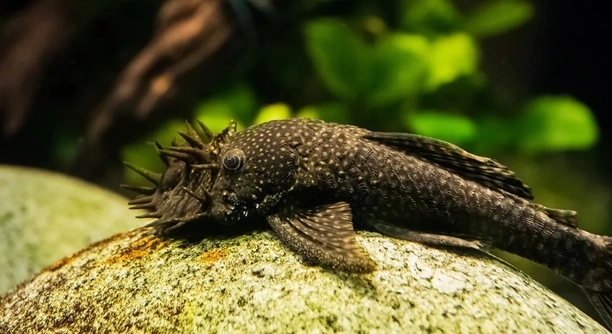
Have you ever watched your plecostomus and wondered if it’s truly happy in its tank or just surviving day to day?
A happy plecostomus often displays active behavior, a healthy appetite, and vibrant coloration. These signs, along with peaceful tank interactions and consistent routines, are key indicators of well-being in this popular freshwater species.
Subtle shifts in behavior, appetite, and movement can reveal how your plecostomus really feels in its environment.
Watch for Active Foraging
A happy plecostomus is almost always on the move during its active hours. You’ll often see it gliding along the tank glass or skimming decorations and substrate for algae. This type of foraging is a normal part of its daily routine. A pleco that consistently moves around in search of food or a comfortable spot is showing natural, healthy behavior. If yours stays hidden all the time or avoids movement even at night, something might be off. Activity levels can vary slightly with species and age, but you’ll generally see more movement in the evening or under low light. Plecos that remain alert and responsive to their environment are typically well-adjusted and satisfied. Just make sure there’s enough algae or food in the tank to keep it engaged. Proper lighting, tank setup, and diet also play a role in encouraging healthy foraging behavior in these bottom-dwelling fish.
Watch how often your plecostomus comes out to feed and explore, especially when lights are dim or during feeding times.
Consistent foraging, especially around feeding hours, shows your pleco feels secure in its surroundings. A stressed plecostomus usually hides more, while a content one interacts freely with its environment and explores often. Observing this habit can help you notice any early behavioral changes.
Check Its Color and Skin
Healthy plecostomus fish often show rich, deep coloration and clear skin. A sudden change, such as pale or patchy areas, can be a sign of stress, poor diet, or tank conditions.
A vibrant plecostomus usually reflects a balanced lifestyle in the tank. Consistent feeding, clean water, and low stress levels all contribute to this. Each pleco species has its unique markings, so you’ll get used to what’s normal for yours. Keep an eye out for irregular patches, signs of irritation, or dullness in color, as these may point to health issues or environmental stress. Tankmates also play a role—aggressive fish can cause constant stress, which reflects in the skin tone. If your pleco’s colors are rich and its skin looks smooth and unblemished, that’s a strong indicator that things are going well. Good nutrition, including algae wafers or blanched vegetables, also enhances natural coloring. Watching for these visual cues is a simple but effective way to check on your pleco’s overall well-being.
Look for Peaceful Tank Behavior
A plecostomus that coexists quietly with its tankmates is showing good social adjustment. Constant hiding or sudden aggression could suggest stress, illness, or an unsuitable environment. Calm, steady interactions often reflect a content and stable pleco.
Plecos are typically peaceful, but their behavior can shift if they feel threatened or lack enough space. A happy plecostomus usually minds its own business, staying close to surfaces or resting in shaded areas. You may see it sharing space with others or simply gliding past without conflict. If other fish nip at it or if it becomes unusually territorial, something may be wrong. Check tank size, layout, and crowding to make sure everyone has enough room. Balanced tank dynamics help reduce stress and support your pleco’s well-being. Consistent, calm behavior—especially during feeding or cleaning—is a reliable sign your pleco feels secure in its home.
Signs of calm tank behavior also include predictable routines and minimal disruption. Your pleco should not be constantly darting around, stuck in hiding, or chasing other fish. Stability in its behavior shows it’s adapting well to the environment. When it appears unbothered by tank activities, feeding schedules, or the presence of others, this often points to a healthy mental state.
Notice Breathing and Gills
Normal breathing is slow and steady. If you see rapid gill movement or gasping at the surface, that could mean stress or low oxygen. Healthy plecos breathe calmly and stay close to the tank bottom.
Fast or irregular gill movement may happen if the water quality is poor or if there’s not enough oxygen in the tank. A happy plecostomus should breathe in a stable, unlabored rhythm, especially when resting or attached to a surface. If it starts hanging near the top or breathing too fast, test your water parameters. Keep oxygen levels steady with proper filtration and water flow. Strong, steady breathing is often overlooked but can tell you a lot about your fish’s health. Also, watch for red or inflamed gill areas—this can signal irritation. When breathing stays consistent and calm, your pleco is likely feeling safe and comfortable in its environment.
Observe Feeding Habits
A happy plecostomus eats regularly and shows interest in algae wafers, vegetables, or natural algae in the tank. Skipping meals or avoiding food may signal discomfort, poor water quality, or stress from incompatible tankmates.
Feeding should be calm and consistent. If food remains untouched, check tank conditions and feeding times to avoid overfeeding or underfeeding.
Check for Consistent Routines
Plecos thrive on routine. A happy one sticks to regular behaviors like hiding during the day, feeding at night, and exploring calmly. If it starts acting out of character—restless, overly active, or withdrawn—something in the tank may be off.
Listen for Tank Noises
Sudden, loud vibrations or equipment noise can stress a plecostomus. Keeping filters, air pumps, and other gear running smoothly helps maintain a calm environment.
FAQ
How often should a plecostomus be active during the day?
Plecostomus are mostly nocturnal, so their most active time is after the lights go off. During the day, it’s normal for them to hide or stay still under driftwood or in shaded areas. However, you might see some movement during daylight hours, especially if the tank is dim. If your pleco rarely comes out, even at night, it could be stressed or unwell. A happy pleco will explore at night, forage for food, and return to its hiding spots once full or comfortable. This pattern tends to stay consistent unless something changes in the tank environment.
What does it mean if my plecostomus changes color?
Color changes in plecostomus can indicate stress, illness, or environmental shifts. A pale or faded appearance may point to poor water conditions, lack of food, or bullying from other fish. On the other hand, bold, rich colors are a good sign of health. Keep an eye on any unusual patches, spots, or rough areas on the skin. If changes happen quickly or are accompanied by behavior changes—like hiding more or eating less—it’s best to test the water and check for aggression or diet issues. Good lighting and a proper diet also help maintain healthy color.
Is it normal for plecos to stay in one spot all day?
Yes, it’s normal during the day. Plecos tend to rest in one spot for hours, especially in shaded or covered areas. This doesn’t mean they’re sick—just following their natural rhythm. As long as they become active during feeding time or after dark, there’s usually nothing to worry about. If they stay motionless for several days, refuse food, or show other unusual signs, it might be worth checking the tank’s conditions or adjusting feeding times to match their schedule. Nighttime observations can help confirm whether they’re still active when the lights are out.
Do plecostomus like being around other fish?
Plecostomus are generally peaceful and prefer to be left alone. They tolerate most tankmates as long as they aren’t aggressive or too active. Fast, nippy fish can stress out plecos and lead to hiding or changes in behavior. Ideal tankmates include calm, community species that respect each other’s space. While plecos won’t usually seek out interaction, they’re not overly territorial either, except in tight quarters. Giving your pleco enough room, hiding spots, and surfaces to explore will keep it comfortable around other fish. When tank dynamics are balanced, plecos stay relaxed and content.
How do I know if my plecostomus is eating enough?
A plecostomus that’s eating well will appear full in the belly area and stay active during feeding hours. Look for algae wafers being eaten or vegetables being rasped on overnight. If the food goes untouched or if the pleco looks thin over time, it might not be getting enough. This can happen if tankmates outcompete it for food or if algae levels are too low. Try feeding after lights go out, and monitor its response. Blanched zucchini, cucumber, and algae wafers are good options. Adjust portions based on how much is left uneaten by morning.
What’s the best temperature and pH range for a happy plecostomus?
Plecostomus species prefer water temperatures between 72°F and 80°F, depending on the exact type. The pH should stay stable between 6.5 and 7.5. Sudden shifts in temperature or pH can cause stress and lead to color changes, lack of appetite, or illness. Use a thermometer and test strips regularly to ensure conditions are stable. Plecos are hardy, but they do best when parameters remain consistent. If you notice behavioral changes, always check water quality first before assuming a more serious problem. Regular water changes and avoiding overcrowding also help keep these levels balanced.
Can plecostomus get bored?
Yes, plecos can become inactive or stressed without enough stimulation. While they don’t play like some fish, they do enjoy exploring new textures and surfaces. A bare tank can limit this. Add driftwood, rocks, and plants for variety. Plecos also enjoy having a few hiding spots, especially if the tank is shared with other fish. Algae growth and occasional treats like vegetables help keep them engaged. Boredom may look like restlessness, unusual hiding, or decreased appetite. Giving them more surfaces to rasp and different foods to sample can help keep their behavior healthy and predictable.
Final Thoughts
Keeping a plecostomus happy is not complicated, but it does take attention to detail. These fish need a stable tank environment with clean water, hiding places, and enough space to move around. When these basic needs are met, a plecostomus will show signs of comfort through relaxed movement, natural feeding habits, and consistent nighttime activity. Watching for these behaviors helps you notice small changes early, which is important if you want to prevent stress or illness. A healthy plecostomus may not always be in plain sight, but it will behave in ways that reflect its well-being.
Feeding is another important part of maintaining your plecostomus’ health. Offering the right foods at the right time, especially at night, ensures they get enough nutrition. Algae wafers, fresh vegetables, and the occasional protein supplement provide balance. You don’t need to overfeed, but you should monitor how much your pleco eats and make sure other fish aren’t taking its share. Behavior around food is often one of the first signs of a happy or unhappy fish. A well-fed plecostomus will stay active after dark, forage comfortably, and return to rest without signs of stress or irritation.
It’s also helpful to spend time observing your plecostomus, even if they are mostly active at night. Learning their patterns will help you understand what is normal and what might need attention. A peaceful, stable tank makes all the difference. When the temperature, pH, lighting, and social environment stay consistent, plecostomus thrive. Watching your pleco rasp driftwood or explore its surroundings can be calming and rewarding. Though they are quiet fish, they add balance and character to the tank. With a bit of care and observation, you’ll be able to keep your plecostomus happy and healthy for years to come.

Hello,
If you enjoy the content that we create, please consider saying a "Thank You!" by leaving a tip.
Every little bit helps us continue crafting quality advice that supports the health, happiness, and well-being of pets around the world, for pets of all shapes, sizes, and species.
We really appreciate the kindness and support that you show us!