
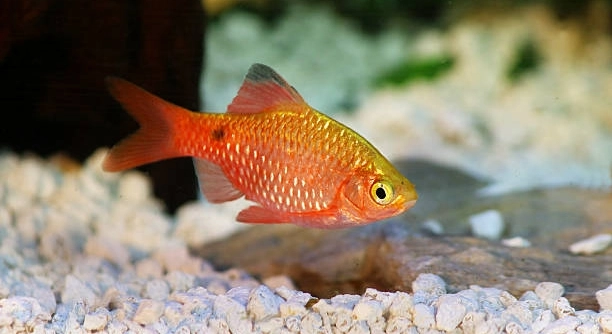
Rosy barbs are lively fish that sometimes show aggressive behavior toward their tank mates. This aggression can cause stress and injury, making it important to manage their interactions carefully. Many aquarium owners seek ways to reduce this behavior for a peaceful environment.
Controlling rosy barb aggression involves managing tank size, providing ample hiding spaces, maintaining proper group sizes, and ensuring balanced feeding. These strategies minimize stress and territorial disputes, promoting harmony among fish in a shared aquatic habitat.
Learning these simple tricks will help you create a calmer tank. It supports the health and well-being of all your fish.
Provide a Spacious Tank
A roomy tank helps reduce aggression by giving rosy barbs enough space to swim freely without feeling crowded. When fish feel cramped, they tend to become territorial and stressed, which leads to more fighting. A minimum tank size of 30 gallons is recommended for a small group of rosy barbs. Larger tanks offer even better chances for peaceful interactions, allowing each fish to claim its own space. Adding open swimming areas alongside hiding spots can help balance their needs. Proper filtration and regular water changes also contribute to a healthier environment, reducing irritability caused by poor water quality. The tank layout matters as much as size. Avoid placing decorations that block the view completely, as this can lead to surprise encounters that trigger aggression. Observing your fish regularly can help you notice signs of stress or conflict early, so adjustments can be made before issues escalate.
Keeping your tank spacious and clean is key to lowering aggression among rosy barbs.
A larger environment reduces competition and stress, improving social behavior overall.
Maintain Proper Group Sizes
Rosy barbs are schooling fish and need companions to feel secure. Keeping them in groups of at least six helps disperse aggressive tendencies, as no single fish becomes the constant target. Smaller groups tend to increase dominance fights and bullying. Within a proper group size, the aggression is spread out, making it less intense. It’s also important to balance the sex ratio, as too many males can increase territorial disputes. Watching your fish’s behavior regularly helps ensure the group remains stable and peaceful. If you notice one fish being overly aggressive or isolated, consider rearranging the group or adding more hiding spots to ease tensions. Proper group sizes encourage natural social interactions, which reduce stress and aggression in rosy barbs, promoting a healthier tank dynamic and happier fish.
Add Plenty of Hiding Places
Hiding spots reduce stress by giving rosy barbs a place to escape when needed. Plants, rocks, and decorations create barriers that lower direct confrontations and help diffuse aggressive behavior.
Dense vegetation with tall plants simulates natural environments and provides shelter. It breaks the line of sight between fish, which is crucial for reducing territorial disputes. Varied hiding places let each fish find a comfortable retreat during tense moments. Including caves or hollow decorations can also offer secure spaces for more timid individuals. Be careful not to overcrowd the tank, as too many objects can limit swimming space, which may cause frustration and increased aggression. Balancing open areas with hiding spots encourages natural behavior and lowers stress.
These hiding places help calm your fish, making the tank a safer and more peaceful home. They also improve overall fish health by reducing stress-related illnesses.
Monitor and Adjust Feeding Practices
Overfeeding can increase aggression because excess food causes competition and territorial behavior. Feeding smaller amounts multiple times a day helps reduce conflicts. Uneaten food should be removed promptly to keep water quality high and avoid stressing the fish.
Providing a balanced diet tailored to rosy barbs’ needs supports their health and minimizes aggressive tendencies related to hunger or competition. Offering sinking pellets ensures all fish can eat without fighting at the surface. Feeding in different tank areas can prevent dominant fish from controlling all food sources. Monitoring how much your fish eat daily and adjusting accordingly helps maintain harmony. Sudden changes in diet or feeding times might disrupt their routine and increase tension, so keep feeding schedules consistent. Proper nutrition combined with good feeding habits reduces stress and promotes calm behavior in the tank.
Maintain Stable Water Conditions
Stable water conditions reduce stress, which lowers aggression. Regular testing and maintenance keep the tank environment healthy for rosy barbs.
Sudden changes in temperature, pH, or ammonia levels can cause irritation and trigger fights. Keeping water parameters consistent supports calm behavior and fish health.
Use Tank Dividers if Needed
Tank dividers can separate aggressive fish temporarily. This prevents injury while allowing visual contact to reduce stress.
Introduce Compatible Tank Mates
Choosing peaceful species that tolerate rosy barbs helps keep aggression low. Avoid overly timid or slow-moving fish that may become targets.
Observe Behavior Regularly
Watching your fish helps catch early signs of aggression or stress. Timely action can prevent serious problems in the tank.
FAQ
How can I tell if my rosy barbs are being too aggressive?
Aggressive rosy barbs often chase, nip fins, or corner other fish. You might see torn fins or stressed behavior, such as hiding or rapid breathing. If one fish is constantly being chased or isolated, it is likely experiencing aggression. Regular observation helps catch these signs early.
What tank size is best to reduce aggression in rosy barbs?
A minimum of 30 gallons is recommended for a small group of rosy barbs. Larger tanks provide more space to swim and reduce territorial disputes. Giving your fish plenty of room to explore helps lower stress and aggressive behaviors.
Can adding plants really calm down aggressive rosy barbs?
Yes, plants create natural barriers and hiding spots, which break up lines of sight. This reduces direct confrontations and gives shy fish places to retreat. Both live and artificial plants work well if arranged thoughtfully throughout the tank.
Is it better to keep rosy barbs in groups or pairs?
Rosy barbs are schooling fish and do better in groups of six or more. Smaller groups often increase aggression because fish compete more for dominance. A larger group spreads aggression out, making it less intense.
How often should I feed rosy barbs to prevent aggression?
Feeding smaller amounts two to three times daily helps prevent competition over food. Overfeeding or large meals can increase fights, while consistent feeding routines keep your fish calm.
Are certain tank mates better for rosy barbs to reduce aggression?
Choose peaceful, similarly sized fish that are active enough to avoid bullying but not so aggressive that they add to stress. Avoid slow or shy fish that may become targets. Species like danios or larger tetras often work well.
When should I consider using tank dividers?
Use dividers if aggression leads to injury or one fish is being bullied constantly. Dividers help separate fish while still allowing them to see each other, reducing isolation stress. This can be a temporary solution until behaviors improve.
How important is water quality in managing aggression?
Water quality is critical. Poor conditions cause stress, which increases aggression. Regular water changes, testing for ammonia, nitrites, nitrates, and keeping temperature stable help maintain a peaceful environment.
Can changing the tank layout reduce rosy barb aggression?
Yes, rearranging decorations and hiding spots can disrupt established territories and reduce fighting. Changing the layout forces fish to explore new boundaries and can reset aggressive behaviors.
What signs show that aggression has been successfully reduced?
Fewer chases, less fin nipping, and more relaxed swimming indicate reduced aggression. Fish will interact calmly, and you won’t see isolated or injured individuals. Consistent peaceful behavior means your adjustments are working.
Is it normal for rosy barbs to show some aggression?
Some level of territorial or dominance behavior is normal in rosy barbs. The goal is to manage and reduce it to prevent harm. Balanced group sizes and proper tank conditions keep natural aggression from becoming problematic.
What should I do if one rosy barb remains aggressive despite changes?
If one fish is persistently aggressive, it may need to be separated or rehomed. Persistent aggression can harm other fish and disrupt tank harmony. Sometimes removing the aggressive individual is the best option for the group’s wellbeing.
How can I keep rosy barbs healthy to minimize aggression?
Provide a balanced diet, clean water, proper tank mates, and regular observation. Healthy fish are less likely to become stressed or aggressive. Maintaining good overall care helps keep peaceful behavior consistent.
Does lighting affect rosy barb aggression?
Bright or fluctuating lighting can stress fish, potentially increasing aggression. Using moderate, consistent lighting that mimics their natural environment helps keep fish calm and comfortable.
Can adding more rosy barbs reduce aggression?
Adding more rosy barbs only helps if the group is too small. Increasing group size spreads out aggression. However, overcrowding can cause stress, so balance the number of fish with tank size.
Is it helpful to feed different types of food?
Offering a variety of foods such as flakes, pellets, and occasional live or frozen treats ensures balanced nutrition. Well-fed fish are less likely to fight over food and show less aggressive behavior.
What are the risks of ignoring rosy barb aggression?
Ignoring aggression can lead to injury, stress, disease, and even death. Prolonged bullying weakens fish immune systems and disrupts the tank’s balance. Early intervention is key to a healthy aquarium.
How do I safely introduce new fish to reduce aggression?
Quarantine new fish before introduction to avoid illness. Add them gradually and rearrange tank decorations to reset territories. Monitoring closely during introduction helps catch any early aggression and address it quickly.
Are male rosy barbs more aggressive than females?
Males tend to show more territorial and dominance behaviors, especially during breeding. Balancing the male-to-female ratio helps reduce aggressive competition and keeps peace in the tank.
Can stress from other sources cause rosy barb aggression?
Yes, factors like poor water quality, overcrowding, sudden changes, or illness can increase stress, triggering aggression. Minimizing these stressors is essential for calm behavior.
What is the best way to handle aggressive fish during cleaning or maintenance?
Keep interactions brief and gentle. Use a net carefully to avoid stressing the fish. Performing maintenance quickly but thoroughly helps reduce prolonged stress that can trigger aggression.
Managing aggression in rosy barbs is an important part of keeping a healthy and peaceful aquarium. These fish are naturally active and social, but their behavior can sometimes become aggressive if their environment does not meet their needs. By providing enough space, proper group sizes, and plenty of hiding spots, you can reduce stress and minimize fighting. Stable water conditions and regular maintenance also help create a calm and balanced tank. Keeping an eye on feeding habits and choosing compatible tank mates contributes to a more harmonious aquatic community.
Aggression should never be ignored, as it can lead to injuries and weaken the overall health of the fish. Early observation is key to catching signs of trouble before problems worsen. If you notice consistent bullying or damaged fins, adjusting the tank environment or separating aggressive fish may be necessary. It is important to remember that some level of dominance behavior is normal among rosy barbs, but the goal is to keep it under control. Providing a balanced diet, stable water parameters, and appropriate social groups helps maintain peace and keeps your fish healthy.
Keeping rosy barbs calm benefits not only the fish themselves but also the overall enjoyment of your aquarium. A peaceful tank is easier to care for and more visually pleasing. Paying attention to the factors that influence aggression allows you to create a supportive environment where your fish can thrive. Through simple steps like adding plants, maintaining good water quality, and watching behavior regularly, you can ensure your rosy barbs live happily together. Consistent care and thoughtful tank management make all the difference in reducing aggression and promoting long-term health.

Hello,
If you enjoy the content that we create, please consider saying a "Thank You!" by leaving a tip.
Every little bit helps us continue crafting quality advice that supports the health, happiness, and well-being of pets around the world, for pets of all shapes, sizes, and species.
We really appreciate the kindness and support that you show us!